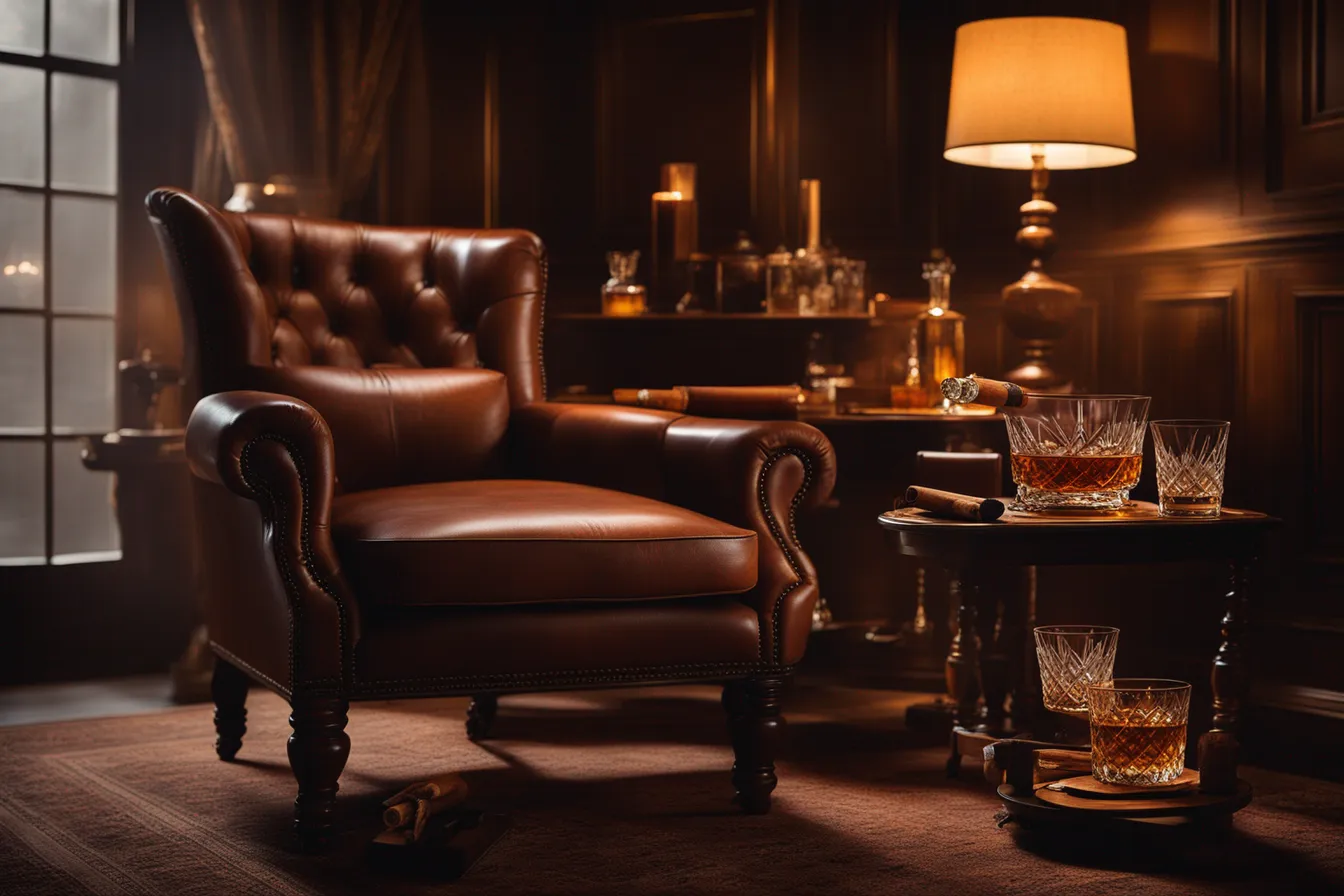
A dinner party has a guest list, a seating chart, and an anxiety level that rises proportionally with each course. A proper evening has none of that. It has leather chairs, a low pour of something dark, a cigar slowly turning to ash, and a conversation that wanders from architecture to Altman films to whether rye or bourbon makes a better Manhattan. Nobody's performing. Nobody's checking the time. The phone stays in the jacket pocket.
I started hosting these about six years ago, mostly out of frustration with the alternatives. Bars are loud. Restaurants have time limits. Parties require small talk with people you met forty-five seconds ago. An evening — a real one — requires only that the room is right, the pour is honest, and the company can hold a thought for more than one sentence.
Here's what I've learned about putting one together.
The Room
You need a space that can hold smoke, literally or metaphorically. If you smoke indoors, you need ventilation — a room with windows that open, a decent ceiling fan, or ideally a covered patio or porch. Most of my evenings happen on a screened-in back porch with a ceiling fan running on medium.
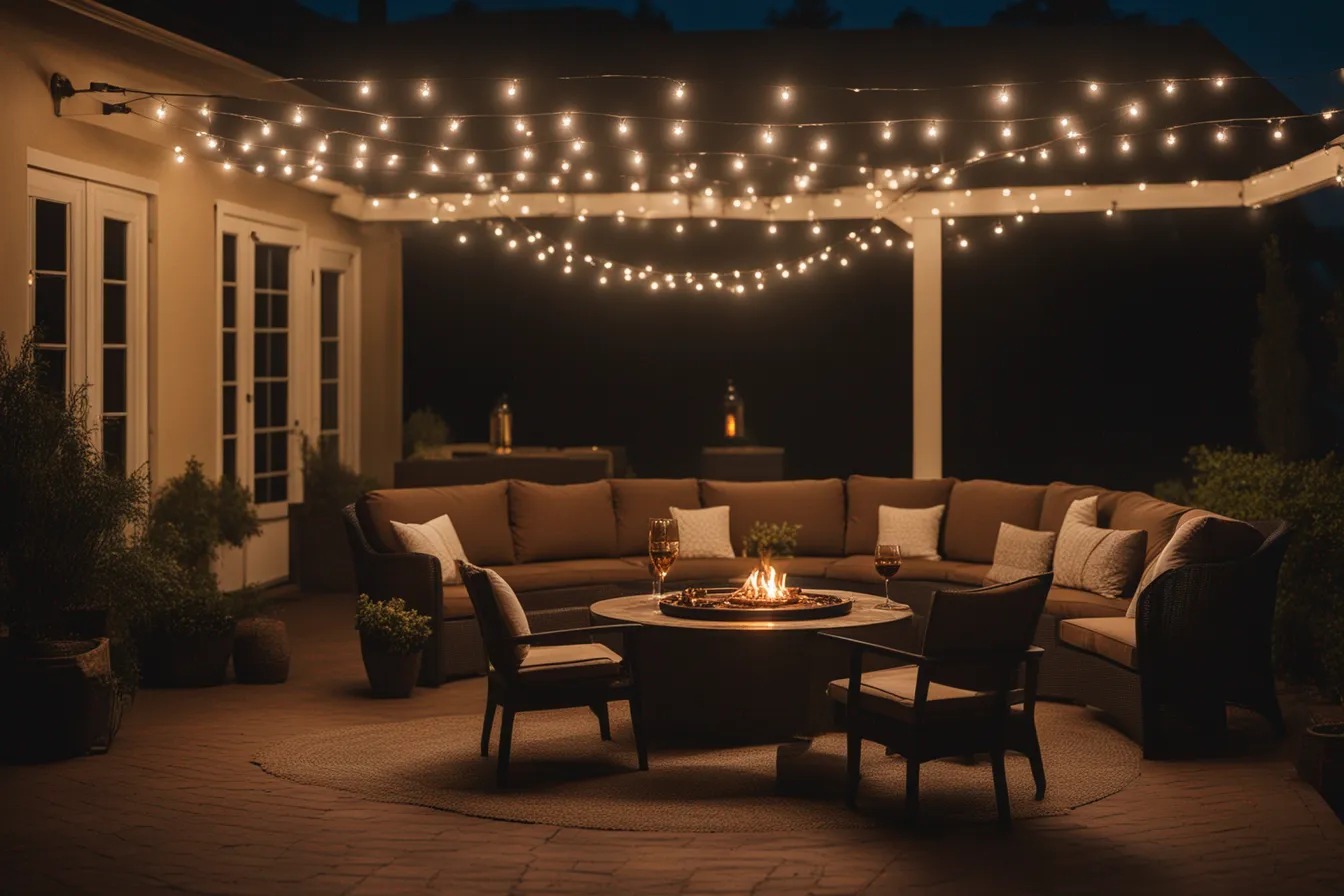
If indoor smoking isn't an option (and in most homes, it shouldn't be), set up outdoors. A covered patio with comfortable seating works perfectly. You need enough light to see your glass and your cigar ash, but not so much that it feels like an interrogation room. String lights or a couple of table lamps on extension cords do the job.
Seating matters more than you think. You want chairs that let people sit for two to three hours without shifting. Club chairs, Adirondacks with cushions, or deep outdoor sofas. Arrange them in a rough circle or L-shape — everyone should be able to make eye contact with everyone else without craning their neck. Four chairs is ideal. Five is the maximum before conversation splits into separate groups and the whole thing loses its center of gravity.
Four chairs is ideal. Five is the maximum before conversation splits into separate groups and the whole thing loses its center of gravity.
The essentials on the table: A large ashtray (one per two guests minimum — nothing kills the mood like hunting for a place to rest your cigar), a cigar cutter, matches or a butane torch lighter, napkins, and water. Always water. Between the smoke and the whiskey, dehydration sneaks up on you by hour two.
The Pour
Set up a small bar cart or side table with three to four options. Not ten. This isn't a cocktail lounge — it's a curated selection that says you thought about this. My standard rotation:
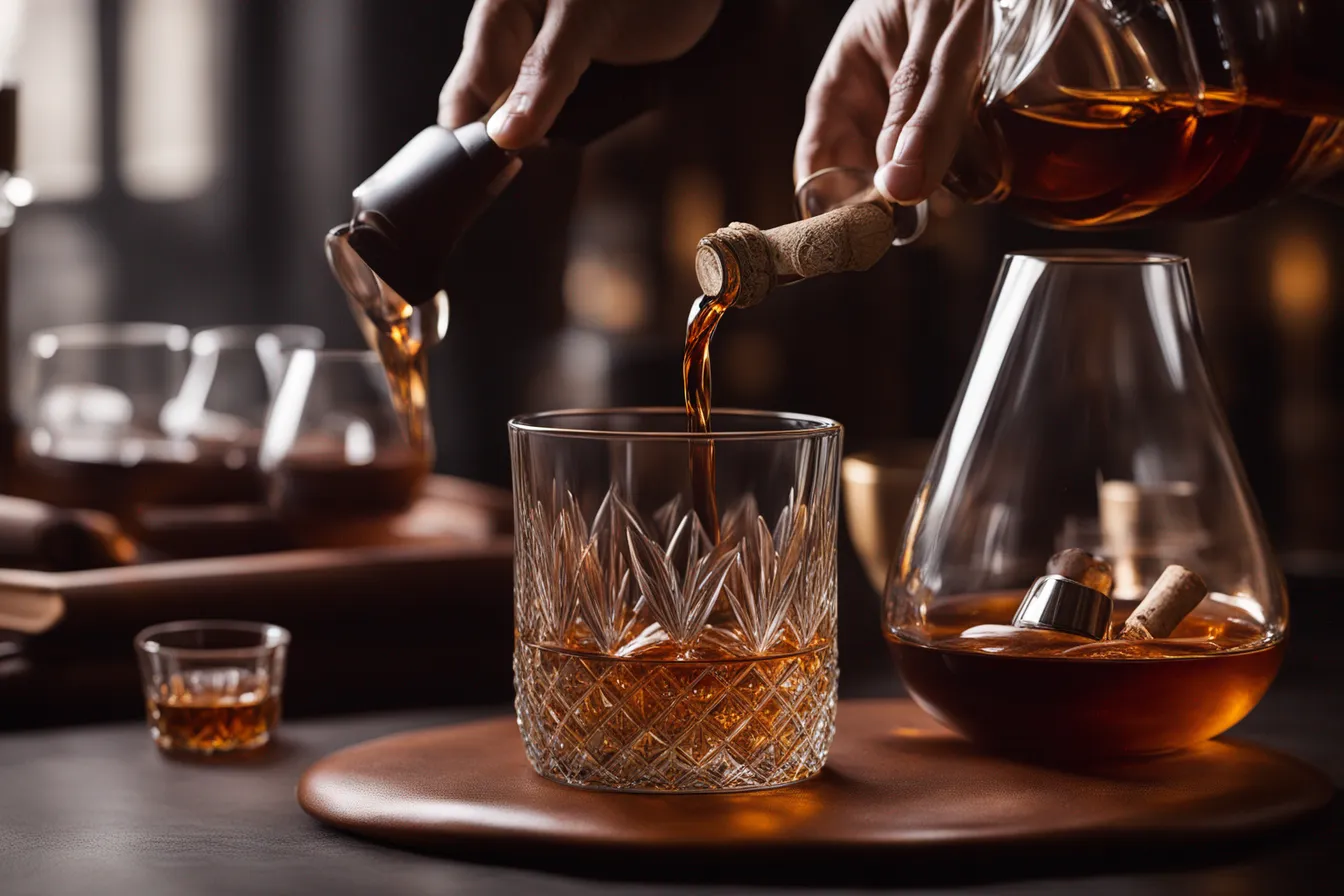
The anchor bourbon: Woodford Reserve Double Oaked ($55). Rich, sweet, vanilla-forward, and approachable enough that nobody needs a whiskey education to enjoy it. This is what most people will drink most of the evening.
The conversation starter: A single barrel or barrel-proof option. Elijah Craig Barrel Proof ($70) or Knob Creek 12 Year ($50) works perfectly. Pour this for the second round, when everyone's settled in and their palate is warmed up. The higher proof gives people something to talk about, and the complexity rewards attention.
The wildcard: Something unexpected. An Islay Scotch like Laphroaig 10 ($55) for peat lovers, a good aged rum like El Dorado 15 ($40), or a mezcal like Del Maguey Vida ($30). Not everyone will try it, but the person who does will remember the evening for it.
The nightcap option: A quality port or amaro. Taylor Fladgate 10-Year Tawny Port ($20) or Averna amaro ($25) for after the last cigar, when the night is winding down and nobody wants another ounce of whiskey but nobody wants to leave, either.
Not everyone will try the wildcard, but the person who does will remember the evening for it.
Glassware: Glencairn glasses for the whiskey. Not rocks glasses — Glencairns. The tulip shape concentrates the nose, and they feel deliberate in the hand. You can buy a set of six for $35 on Amazon, and they'll last years. No ice, unless someone asks. If they ask, give it to them without commentary.
The Smoke
Cigars are where most people overthink or underthink this. You don't need a $30 stick for everyone, but you also can't hand somebody a gas station cigarillo and call it an evening. Budget $8-15 per cigar, offer two to three options, and let people choose.
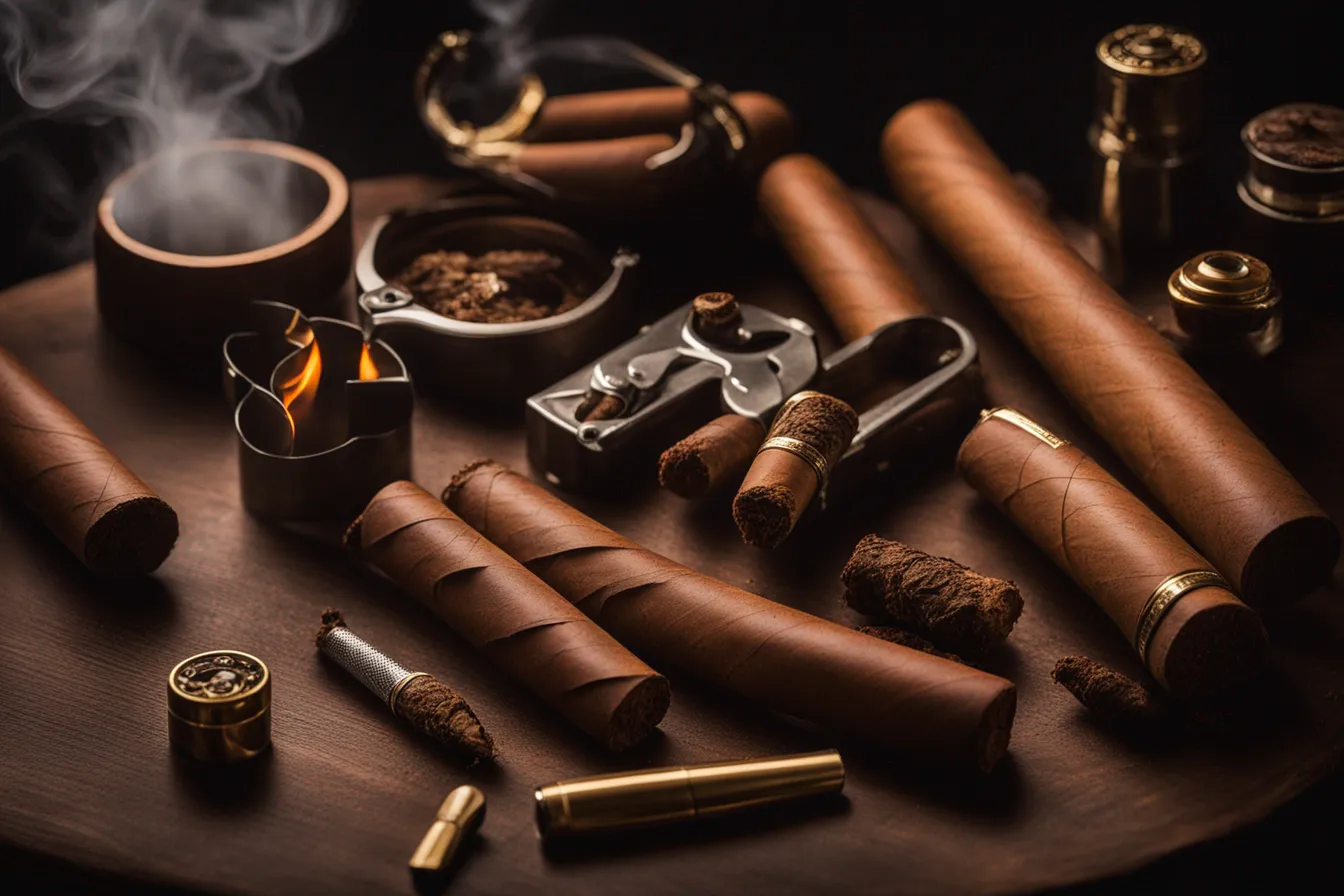
My go-to lineup for a four-person evening:
The approachable choice: Arturo Fuente Hemingway Short Story ($8-10). A perfecto shape, mild-to-medium body, Connecticut shade wrapper. Burns for about 45 minutes. This is the cigar for the person who "doesn't really smoke cigars" — it's smooth, a little sweet, and short enough that it doesn't become a commitment.
The middle ground: Padron 3000 Maduro ($8-10). Medium-full body, earthy, cocoa notes, consistent construction. This is the workhorse cigar — reliable, flavorful, and universally respected. If you only buy one cigar for everybody, make it this one.
The indulgence: Oliva Serie V Melanio Robusto ($12-15). Full body, dark chocolate, espresso, a long cedar finish. For the person who knows what they like and wants something with depth. This cigar and a pour of Elijah Craig Barrel Proof at 10 p.m. is one of life's genuinely great combinations.
The Pairings
Pairing cigars with spirits isn't mystical — it follows the same logic as food pairing. Match intensity to intensity, and look for complementary flavors.
Mild cigar + lighter bourbon: Arturo Fuente Short Story with Woodford Reserve Double Oaked. The cigar's cream and cedar meet the bourbon's vanilla and caramel without either overwhelming the other.
Medium cigar + robust bourbon: Padron 3000 Maduro with Knob Creek 12 Year. The earthy, chocolatey cigar against the nutty, oaky bourbon. Both are confident flavors that shake hands instead of fighting.
Full cigar + barrel proof or Scotch: Oliva Serie V Melanio with Elijah Craig Barrel Proof. The cigar's espresso intensity can stand up to 130+ proof bourbon. Alternatively, pair it with Laphroaig 10 — the peat smoke and cigar smoke create a campfire-on-a-cold-night synergy that borders on spiritual.
After-dinner port + any cigar: Taylor Fladgate Tawny with whatever you're smoking. Port's sweetness works as a palate cleanser and digestif simultaneously. It's the best-kept secret of the cigar lounge world.
The Humidor (If You're Serious)
If you're hosting more than twice a year, invest in a proper humidor. A 50-count desktop humidor runs $40-80 and keeps cigars at the ideal 65-70% relative humidity. The Prestige Import Group Milano ($60) is the one I've used for four years without issue.
Season it before first use — wipe the interior cedar with distilled water, place a shot glass of distilled water inside, close the lid, and wait 48-72 hours. Use a Boveda 69% humidity pack ($4-6) instead of the sponge-and-propylene-glycol puck that ships with most humidors. Boveda packs are two-way humidity control and essentially foolproof. Replace them every 2-3 months.
Buy cigars two to three weeks before your evening and let them rest in the humidor. Cigars shipped from online retailers are often slightly dried out from transit, and a few weeks at proper humidity brings them back to their best.
The Conversation
This is the part nobody writes about because you can't really prescribe it, but you can create conditions for it. A few principles:
No screens. Not "try to stay off your phone." No screens. Put them away. The absence of digital interruption is half of what makes these evenings feel different from regular life. If someone needs to check something, they can step inside.
Start with the whiskey. When people arrive, put a glass in their hand, offer them a cigar, and talk about what they're drinking. Whiskey and cigars are natural conversation openers — they come with stories, opinions, and sensory language that gives people something concrete to discuss before the conversation finds its own footing.
Three to five people. At three, everyone talks to everyone. At five, you can split into two conversations and rejoin naturally. Above five, you lose the intimacy that makes this format work. This is not a gathering. It's a conversation with props.
This is not a gathering. It's a conversation with props.
No agenda, but have questions ready. Not interview questions — real questions. "What's the best meal you've had this year?" or "What changed your mind about something recently?" or "What's the most underrated city you've been to?" Keep them in your back pocket. Most evenings won't need them, but a lull at the wrong moment can make the night feel stalled.
The Timing
Start at 8 or 8:30 p.m. — after dinner, not instead of dinner. This is a post-dinner commitment. Offer small bites if you want (a cheese board, smoked almonds, dark chocolate — keep it simple and complementary to the whiskey), but this isn't a dinner party.
The natural rhythm runs about three hours. First hour: the opening pour, the first cigar, the easy conversation. Second hour: the deeper pour, the second cigar for those who want one, the conversation that goes somewhere interesting. Third hour: the nightcap, the winding down, the reluctant glances at watches.
Don't try to extend it. Three hours of genuine connection is worth more than six hours of gradually deteriorating attention. Let people leave when the evening crests, and they'll remember it fondly. Keep them too long, and they'll remember the last hour.
What It Costs
A single evening for four people: roughly $100-140. Four cigars at $10 each ($40), a bottle of bourbon ($50-70), the wildcard spirit ($30-40), and small bites ($20-30). The Glencairns and humidor are one-time investments. This is less than a mediocre dinner for two at a downtown restaurant, and it delivers an experience that restaurant literally cannot.
The real cost is attention. Choosing the cigars. Selecting the bottles. Setting the chairs at the right distance. These aren't chores — they're rituals, and rituals are what separate an evening from just another night on the porch with a drink.
Treat the preparation as part of the pleasure, and the evening starts before anyone arrives.