How does grain, agave, or fruit become spirit? Distilling is where fermentation's raw alcohol is concentrated and refined—a craft that blends science, tradition, and art, from the shape of a still to the char of a barrel. This is our home for understanding how the world's great spirits are actually made: the process, the equipment, the terminology, and the choices that shape everything you taste.
What you'll find here
From mashing and fermentation to distillation, ageing, and bottling, our distilling coverage explains the how and why behind bourbon, Scotch, tequila, and more—the knowledge that makes you a smarter, more appreciative drinker.
A note on home distilling
Producing your own distilled spirits is illegal in the United States without the appropriate federal and state permits, regardless of whether it's for personal use. Our distilling coverage is educational—explaining how licensed producers make spirits—not a how-to for unlicensed home distillation. Please know and follow the laws where you live. Browse our latest distilling articles below.
Distilling Guides & Articles
9 articles
Texas Distilling Laws (2026): The Fifth Circuit Ruling, TABC Permits, and Where Home Distilling Actually Stands
In April 2026 the Fifth Circuit struck down the 158-year-old federal home-distilling ban in a case that started in Texas — but "legal" is more complicated than the headlines. Here's the federal ruling, the TABC permit path (§14.01), why §103.01 still matters, and the home-distilling bill (HB 2278) that died in the Senate.
Tennessee Distilling Laws (2026): TABC Permits, Tennessee Whiskey Rules, and the Home-Distilling Ban
Tennessee enforces one of the nation's strictest home-distilling bans and is the only state that legally defines its signature spirit. This guide covers TABC licensing requirements, exact TCA code citations, the Lincoln County Process mandate, dry-county complications, and every distillery-related bill passed in 2024–2026.
Kentucky Distilling Laws (2026): Permits, Home-Distilling Rules, and Recent Legislative Changes
A practical legal guide to Kentucky distilling in 2026 — commercial licensing costs, the Class A and Class B distillery permit process, home-distilling legal status, and the Sixth Circuit's April 2026 ruling that keeps the federal ban firmly in place for Kentucky residents.
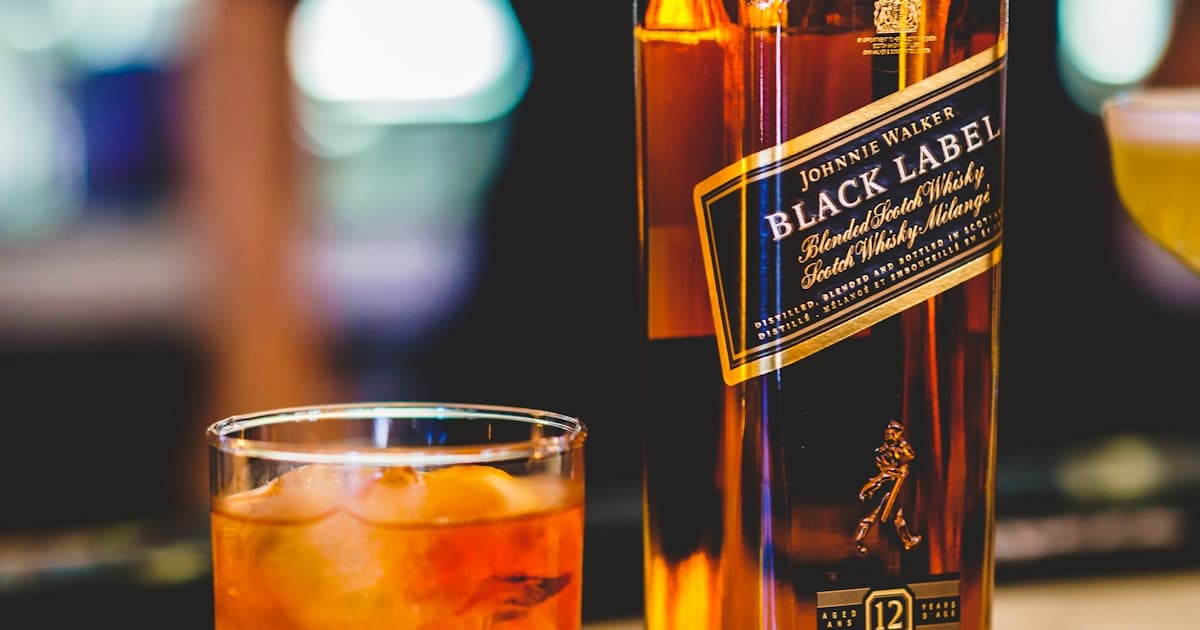
U.S. Home Distilling Laws by State (2026): Is Moonshining Legal Where You Live?
A comprehensive state-by-state breakdown of home distilling laws in the United States — fully updated for the April 2026 Fifth Circuit ruling, West Virginia's 2024 legalization, and the pending 2025 Texas bill.
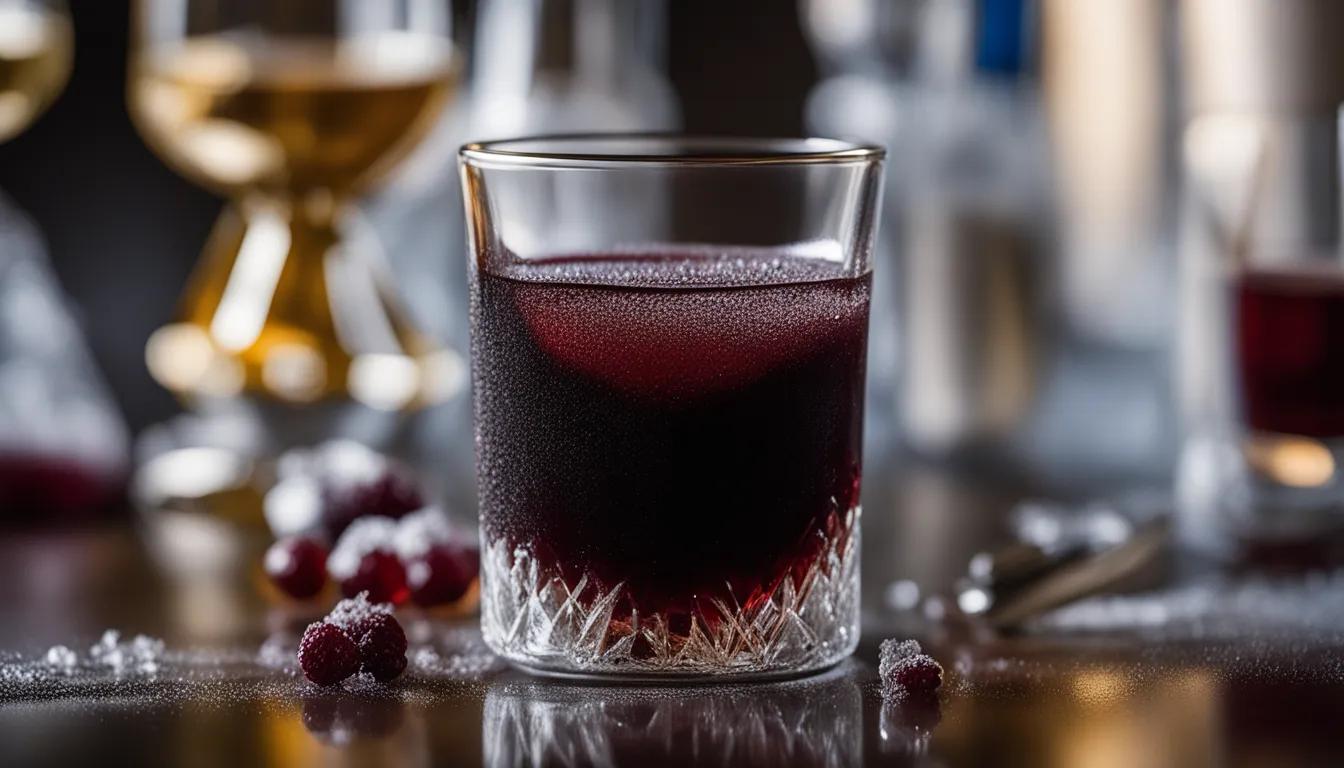
Freeze Distillation: How to Concentrate Spirits Without a Still
Freeze distillation isn't distillation at all — it's fractional freezing. Remove ice, keep the alcohol. A complete guide to the science, safety, legal gray areas, and step-by-step technique.
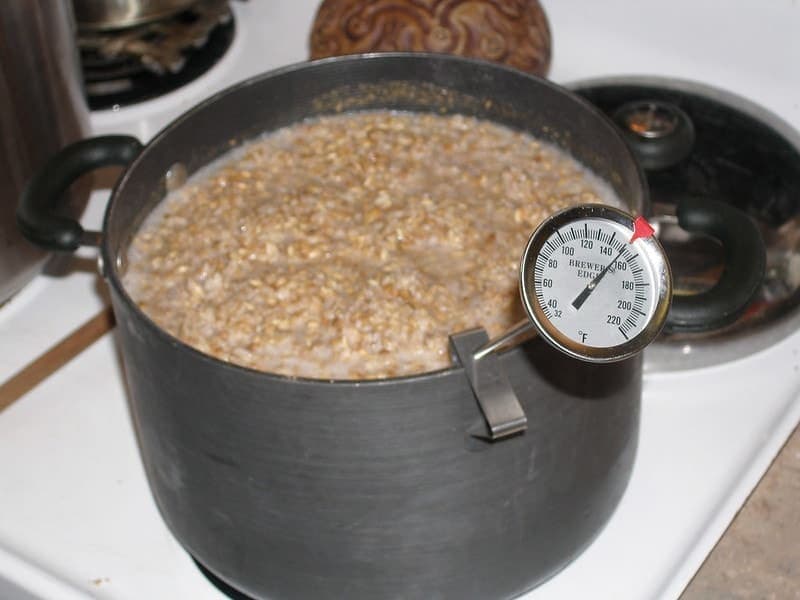
All About The Fermentation Process - How Alcohol is Produced
<![CDATA[]]>
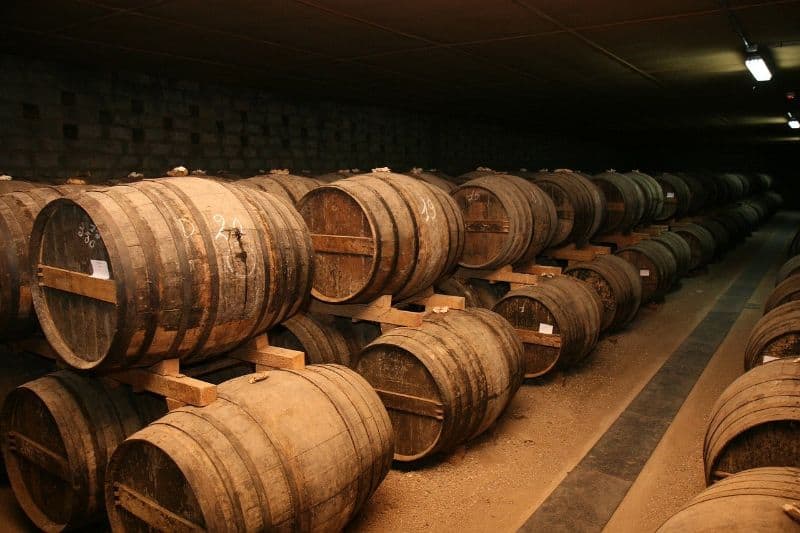
Distilled Wine Spirits Popular Around the World
<![CDATA[]]>
The Freezing Point of Alcoholic Drinks
<![CDATA[]]>
History Of The Hobby Distiller’s Association
<![CDATA[]]>
Distilling Recipes
1 article
Frequently Asked Questions
How is whiskey made?
In four broad steps: grain is mashed and cooked to release sugars; yeast ferments those sugars into a beer-like 'wash'; the wash is distilled to concentrate the alcohol and flavour; and the resulting spirit is aged in oak barrels, which give it colour, sweetness, and depth over time.
What is the difference between a pot still and a column still?
A pot still distills in batches and tends to keep more flavour and character (used for Scotch single malts and many craft spirits); a column (continuous) still runs constantly and can produce a lighter, higher-proof, more neutral spirit efficiently. Many distilleries use both.
Is it legal to distill your own alcohol at home?
No. In the United States it is illegal to distill spirits at home without the proper federal (TTB) and state permits, even for personal use—this is different from homebrewing beer or making wine, which are legal for personal use. Penalties can be severe, so always follow the law.
What does distillation actually do?
Distillation heats a fermented liquid so the alcohol (and many flavour compounds) evaporate before the water, then condenses those vapours back into a liquid—concentrating the alcohol and refining the flavour. It doesn't create alcohol; fermentation does. Distillation separates and concentrates it.