Tequila is one of the most misunderstood spirits in the world—far more than the salt-and-lime shot its reputation suggests. Made from blue Weber agave in and around the Mexican state of Jalisco, a great tequila is a genuine sipping spirit: complex, vegetal, citrusy, and mineral. The key to enjoying it is knowing two things—how it's aged, and whether it's additive-free.
Where to start with tequila
Begin with blanco: unaged, pure agave, and where the best distilleries prove themselves (it's also the ideal margarita base). To understand the aging spectrum—blanco, reposado, añejo—read our tequila cheat sheet, and for the definitive overview, our 10 best tequilas spans every style. One rule matters above all: buy additive-free, and taste the real agave.
How we cover tequila
We review tequila on our 100-point scale, and we rank additive-free bottles only—because Mexican rules allow up to 1% of undisclosed glycerin, colour, and sweeteners even in ‘100% agave’ tequila. We span Highland and Valley agave, tahona and roller mill, so you can find the style that suits you. Our latest tequila reviews, roundups, and guides are below.
Best Tequila Roundups
2 articles
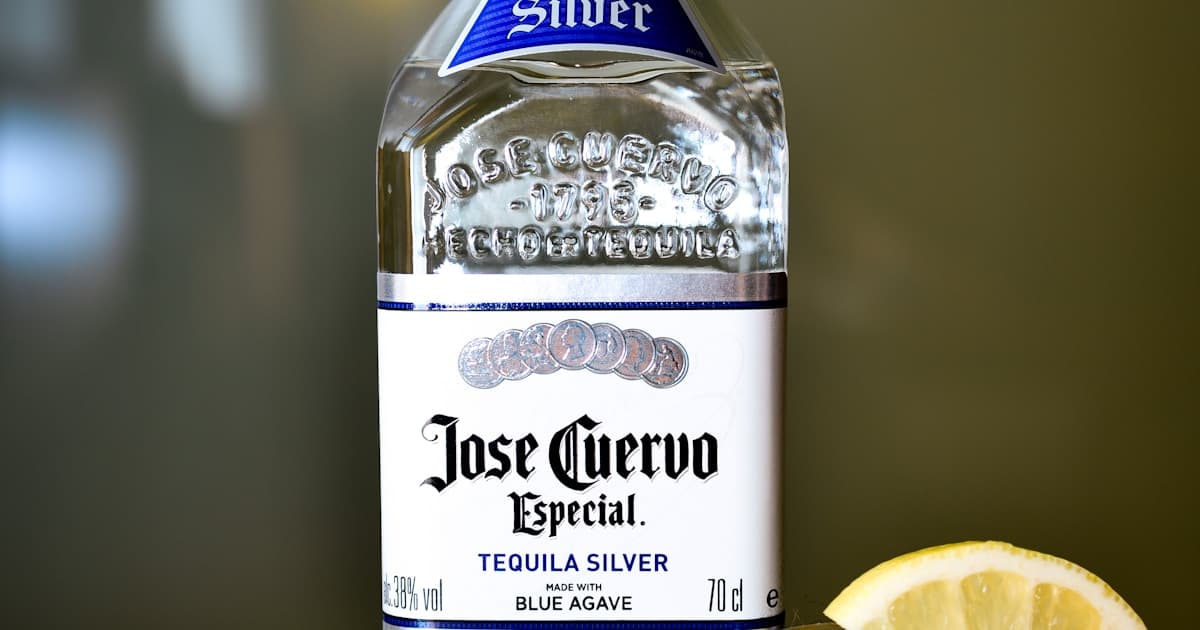
Best Aged Tequila (2026): 8 Reposado, Añejo & Extra Añejo Bottles Ranked
Rested in oak, meant to be sipped neat—aged tequila is where agave drinks like fine whisky. Here are the 8 best reposado, añejo, and extra añejo bottles we've tasted, ranked, with honest calls on which famous names you're overpaying for.
Best Blanco Tequila (2026): 12 Additive-Free Bottles, Ranked
The twelve best blanco tequilas we've tasted—additive-free, ranked from our own reviews, spanning the fruity Highlands, the earthy Valley, and the overproof holy trinity.
Tequila Reviews
20 articles
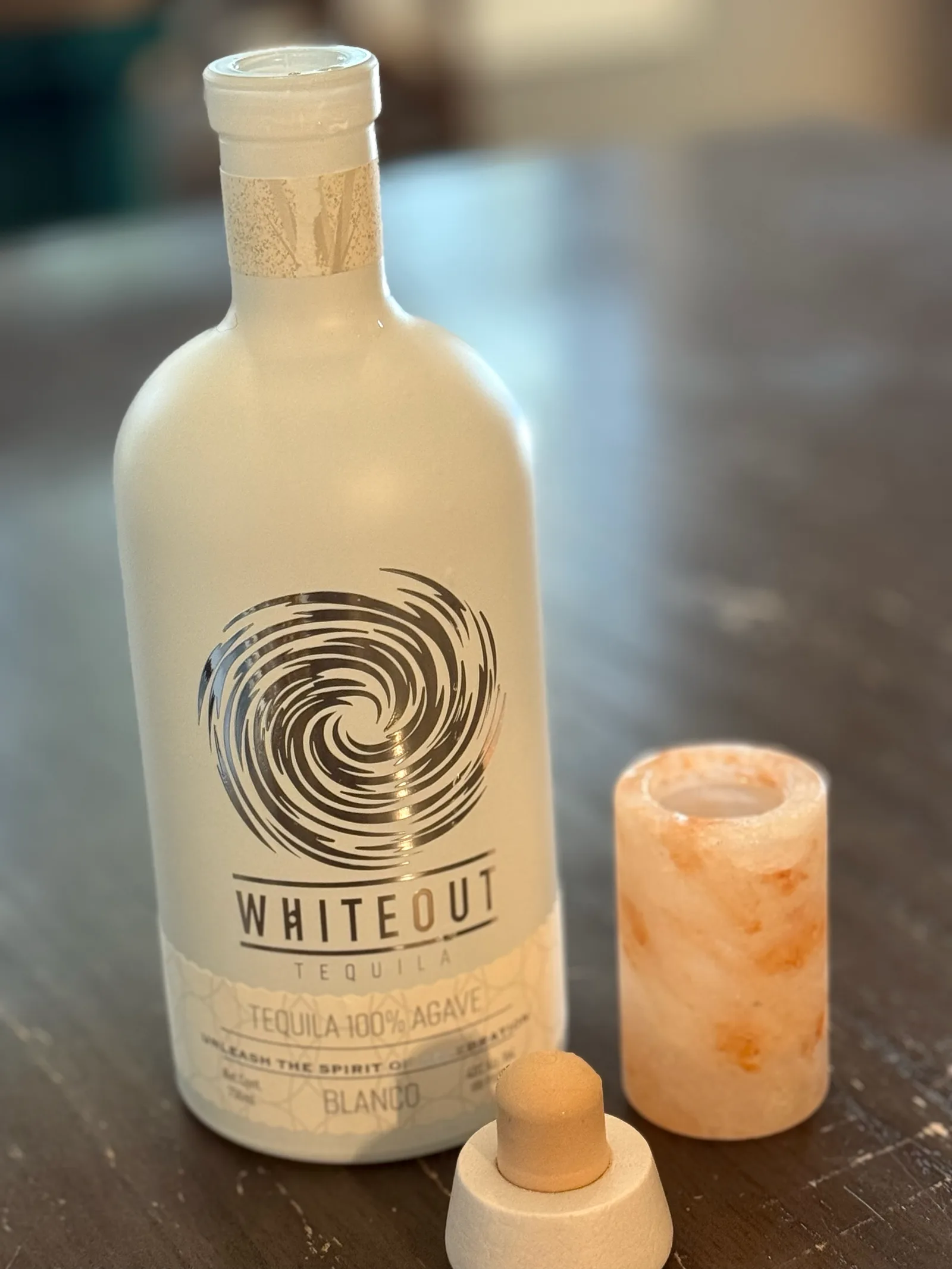
Whiteout Tequila Blanco Review: The Additive-Free Blanco From Two Penn State Names
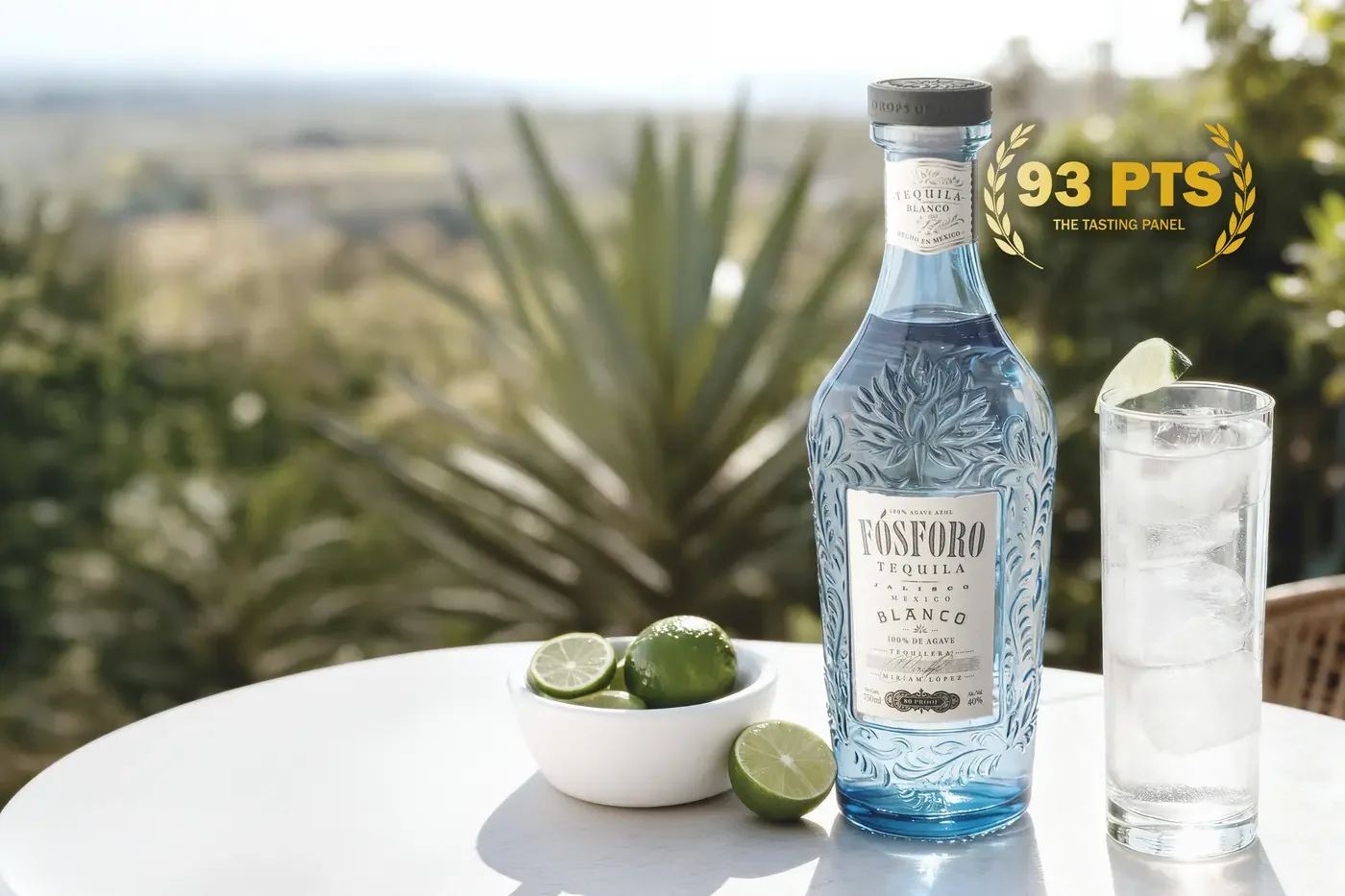
Fósforo Blanco Tequila Review: I Blind-Tasted It Against LALO and G4 — the $40 Highland Newcomer Outscored Both
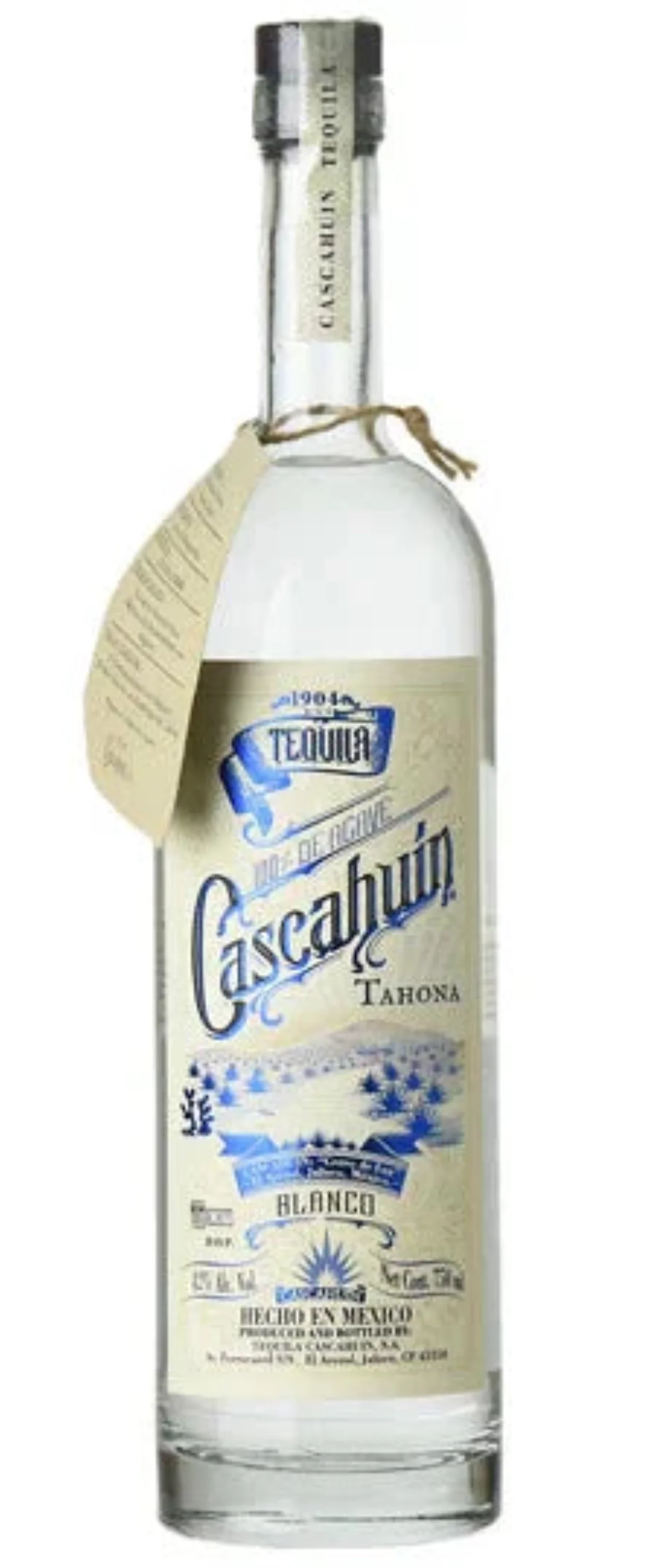
Cascahuin Tahona Blanco Tequila Review — Score & Tasting Notes
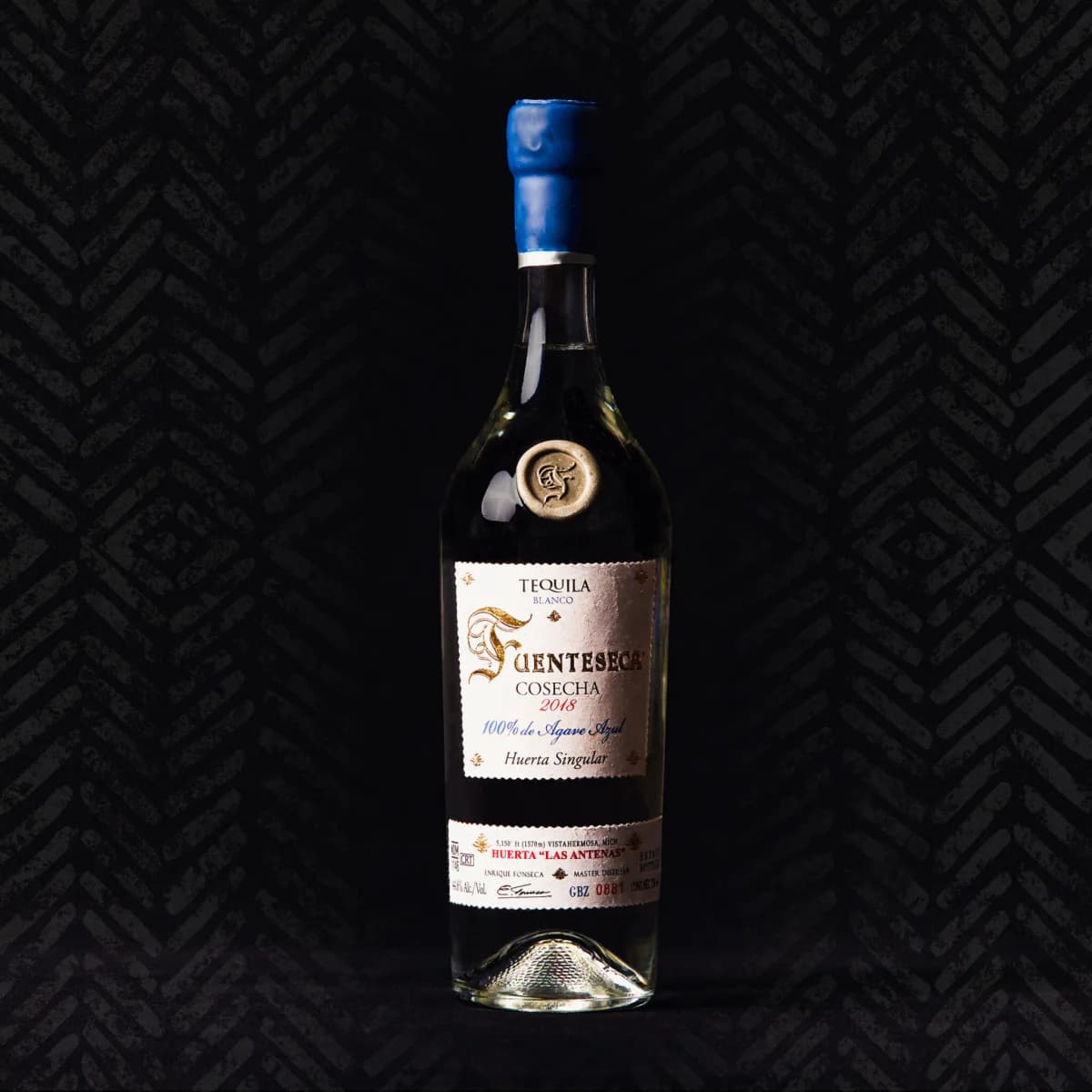
Fuenteseca Cosecha Blanco Tequila Review — Score & Tasting Notes
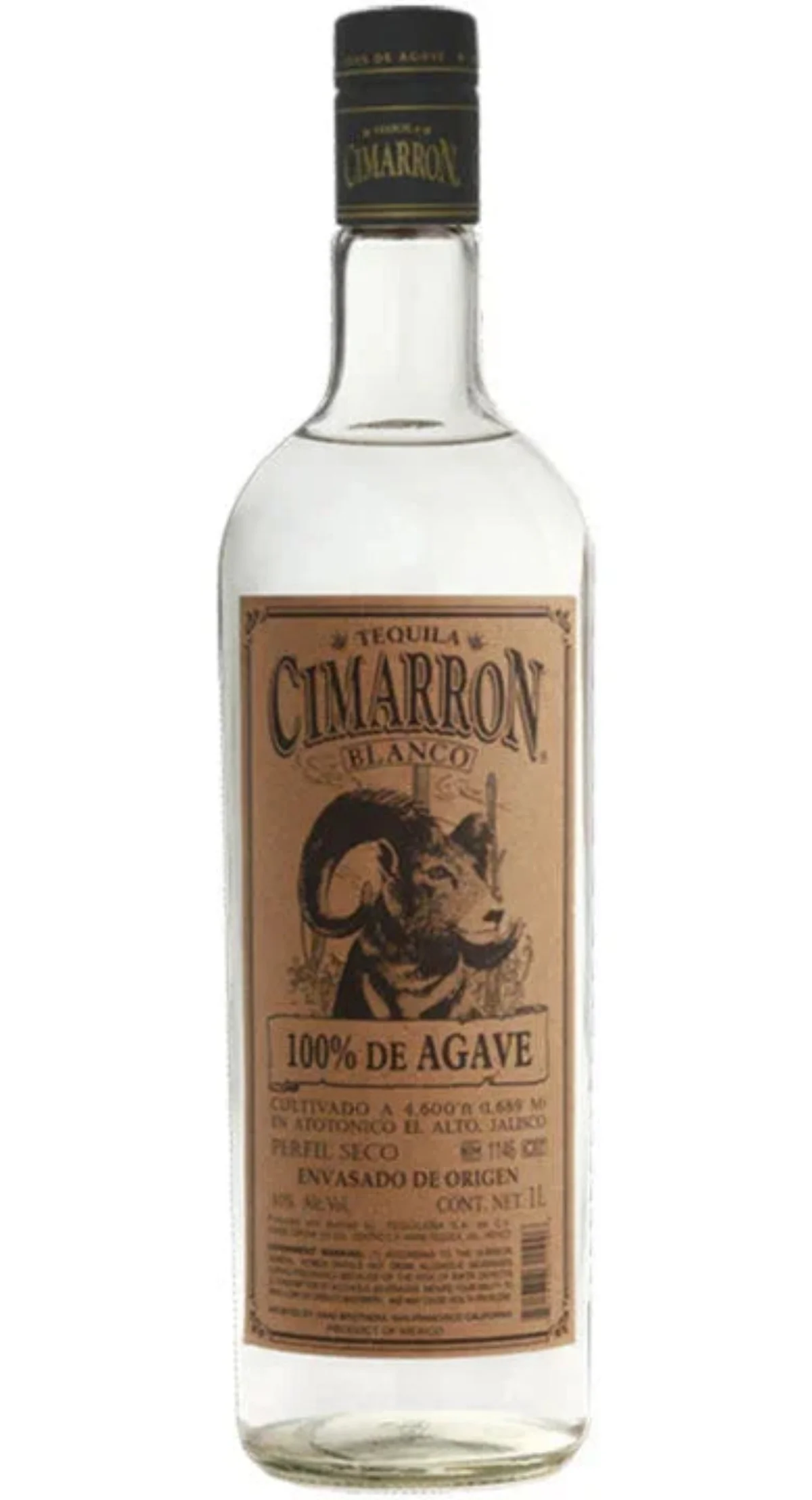
Cimarron Blanco Tequila Review — Score & Tasting Notes
LALO Blanco Tequila Review — Score & Tasting Notes
Arette Blanco Tequila Review — Score & Tasting Notes
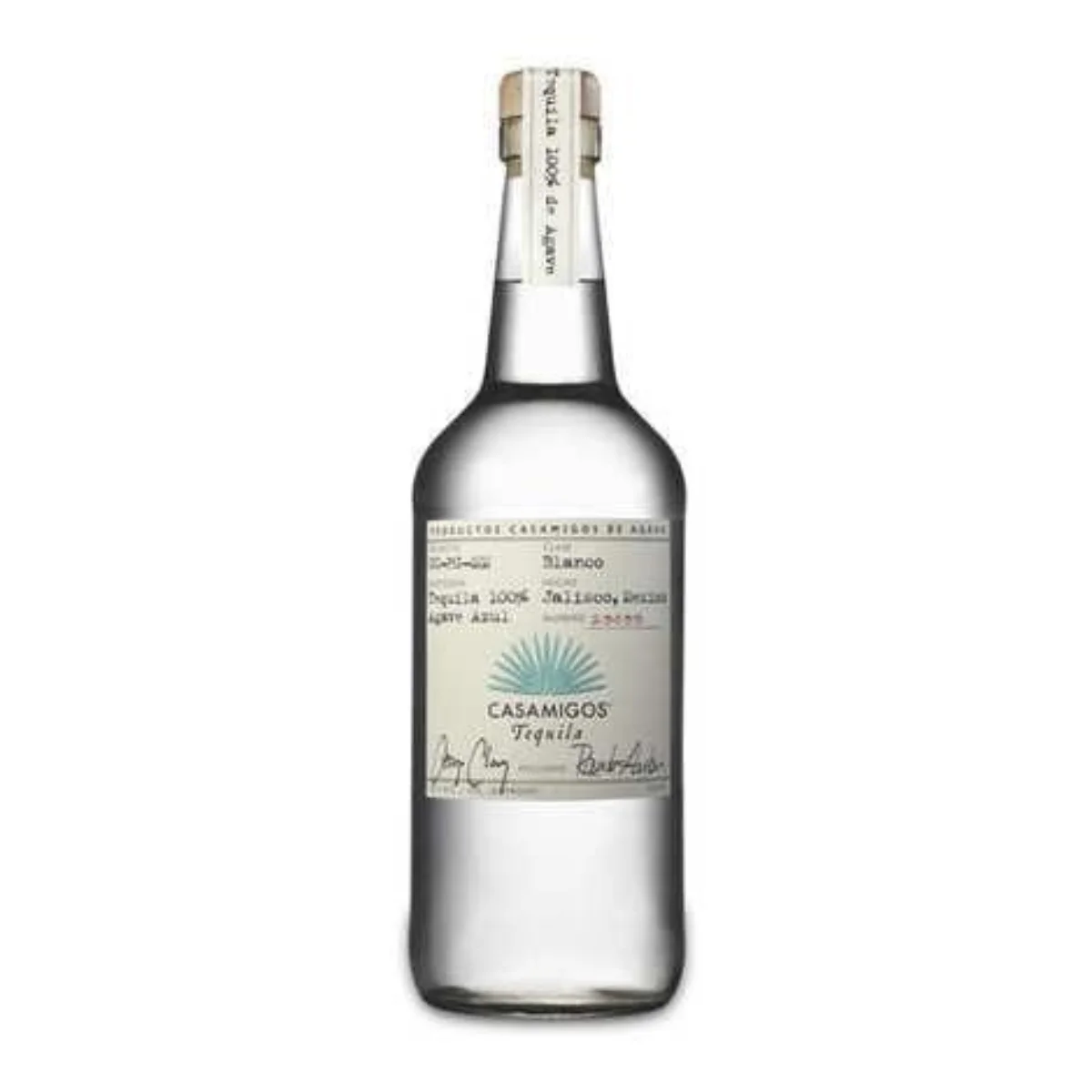
Casamigos Blanco Review: I Blind-Tasted It Against 5 Other Blancos — It Finished Last
Tears of Llorona Extra Añejo Tequila Review — Score & Tasting Notes
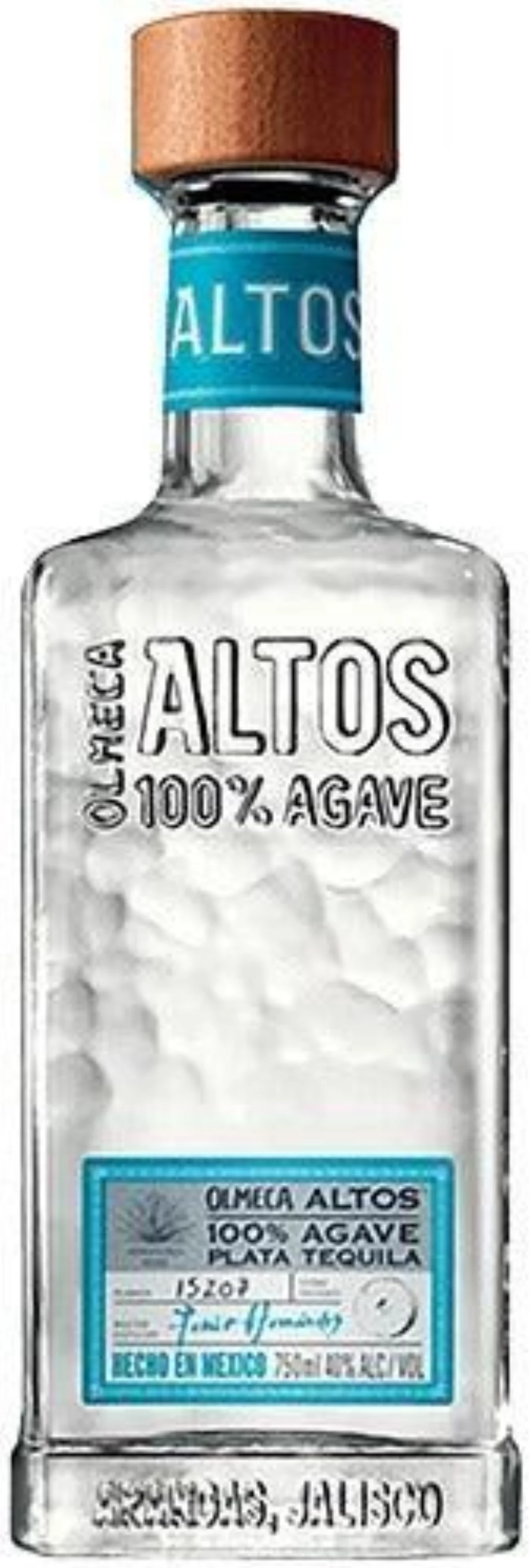
Olmeca Altos Plata Tequila Review — Score & Tasting Notes
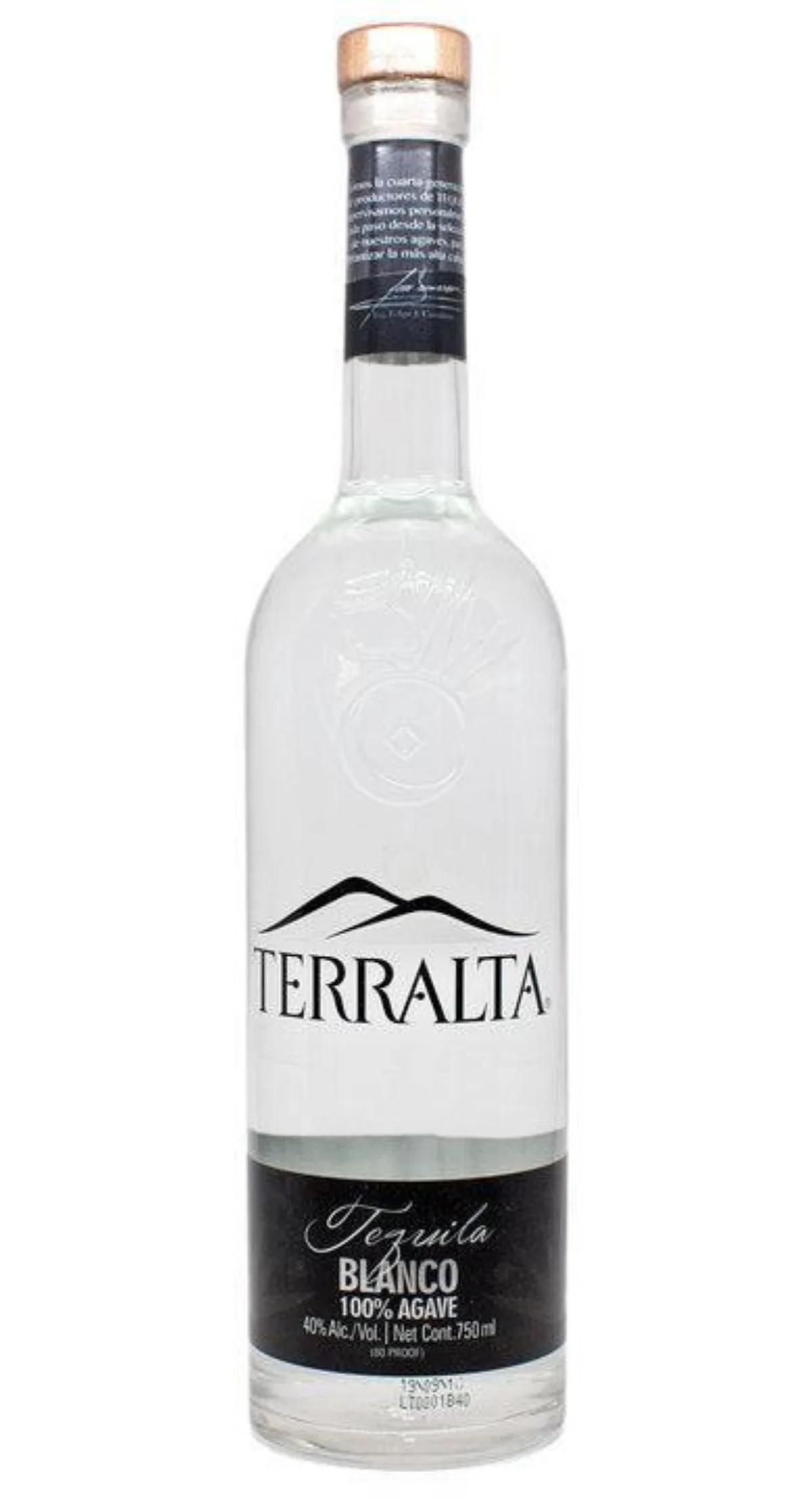
Terralta Blanco 110 Proof Tequila Review — Score & Tasting Notes
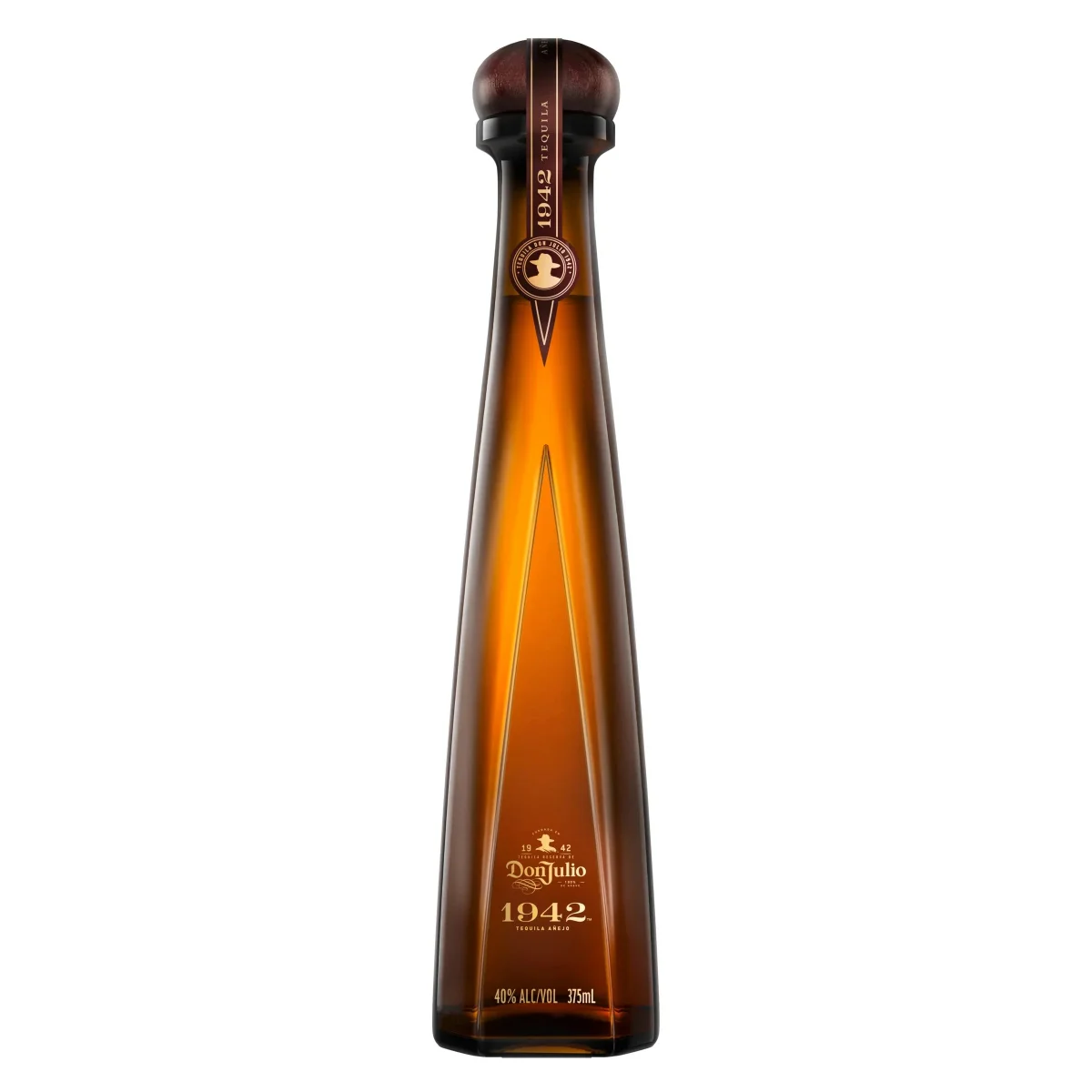
Don Julio 1942 Review: I Blind-Tasted It Against 3 Other Añejos — Here's Where the $160 Bottle Finished
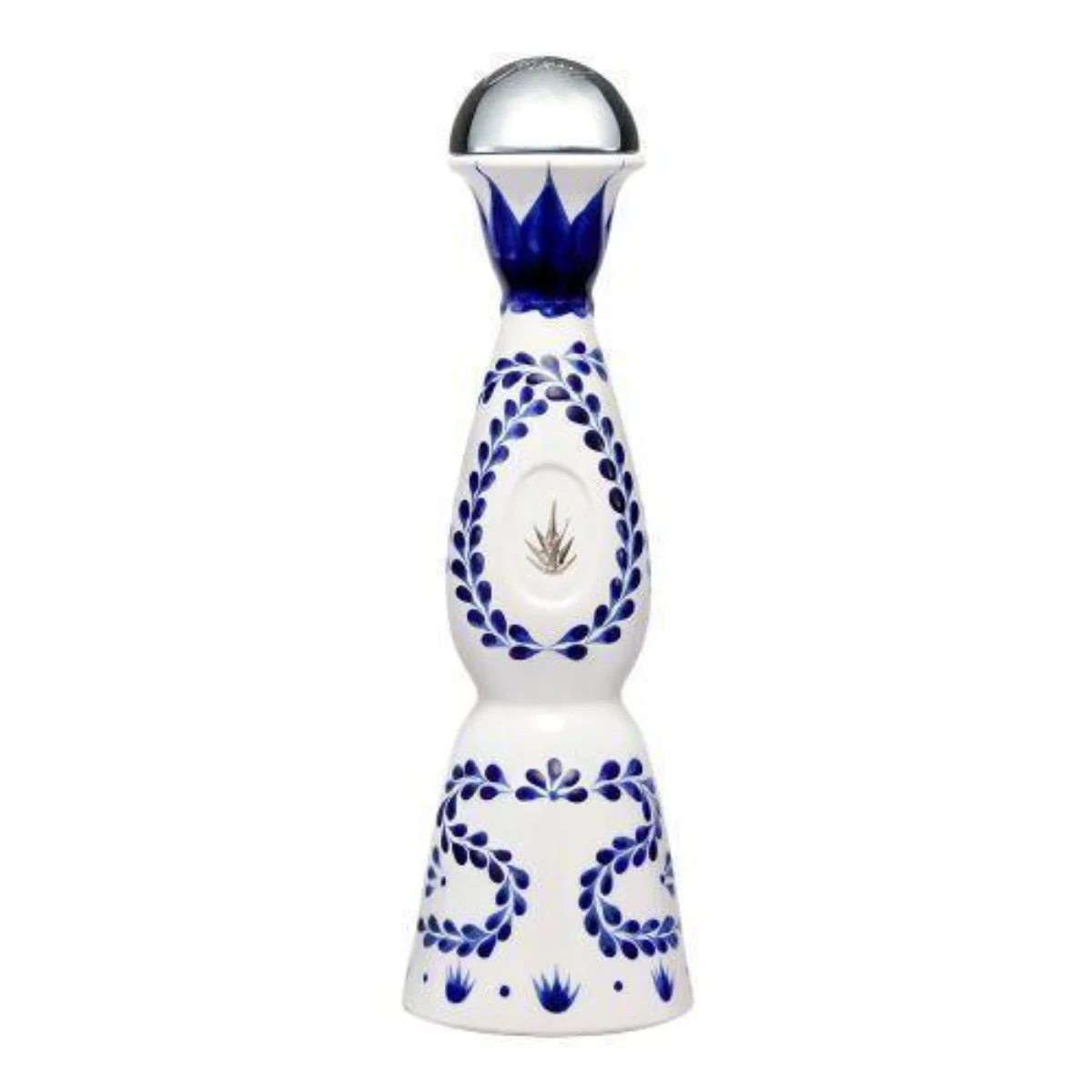
Clase Azul Reposado Tequila Review — Score & Tasting Notes
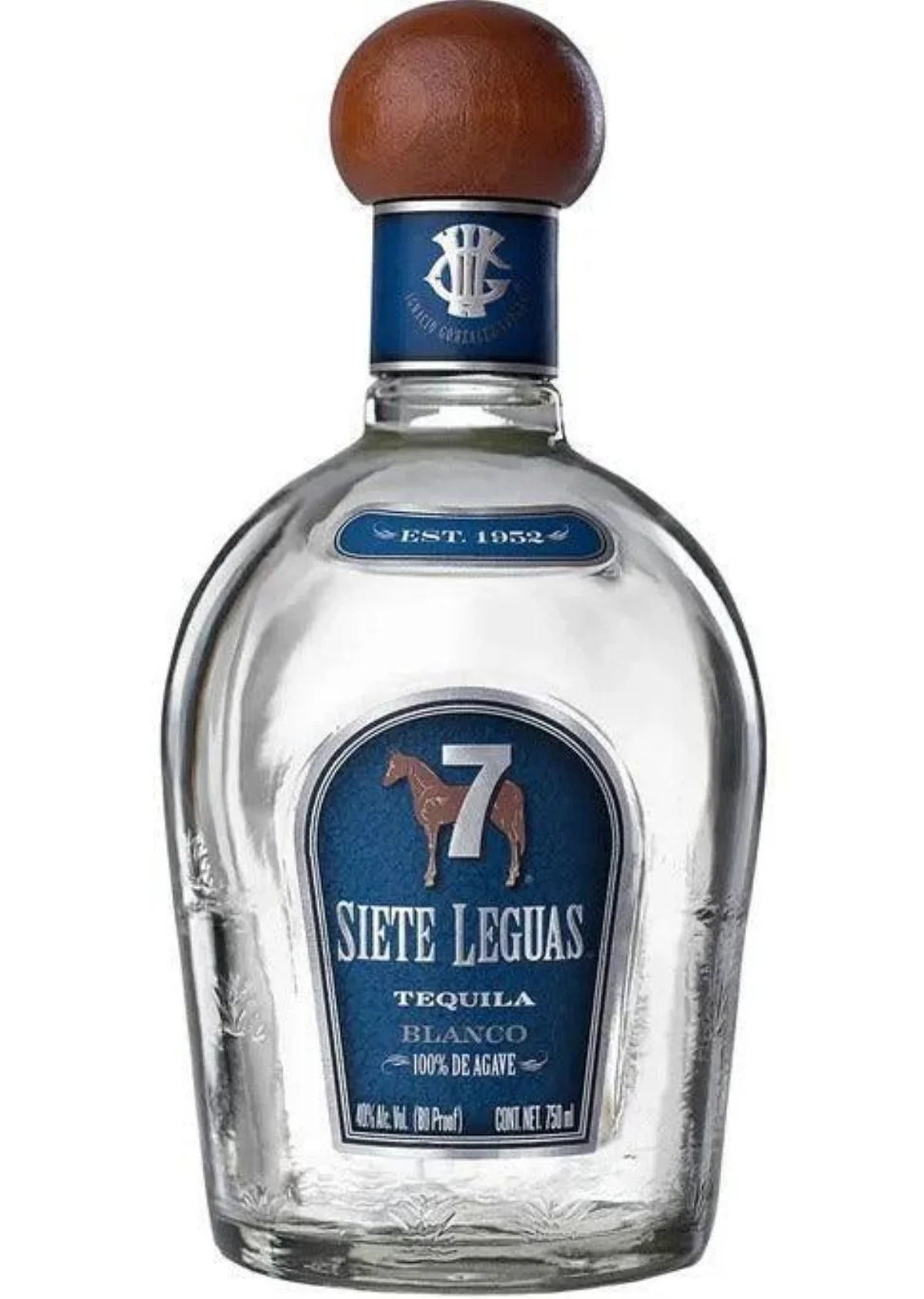
Siete Leguas Blanco Review: The Tequila Patron Could Have Been (Before They Sold the Soul)
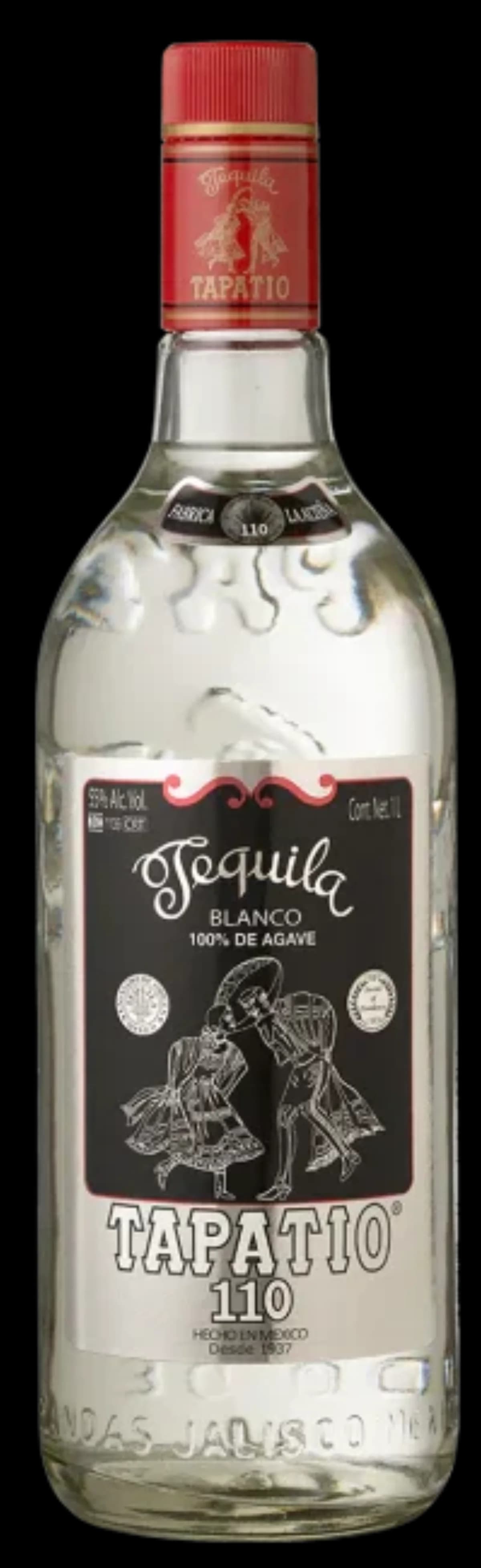
Tapatio Blanco 110 Review: It Won 7 of My Last 9 Blind Tastings — Here's Why
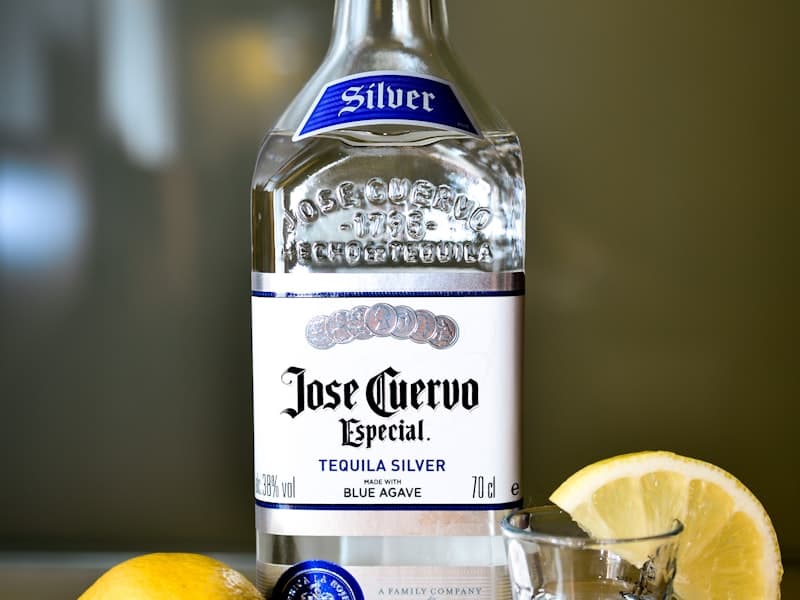
Tequila Ocho Plata Tequila Review — Score & Tasting Notes
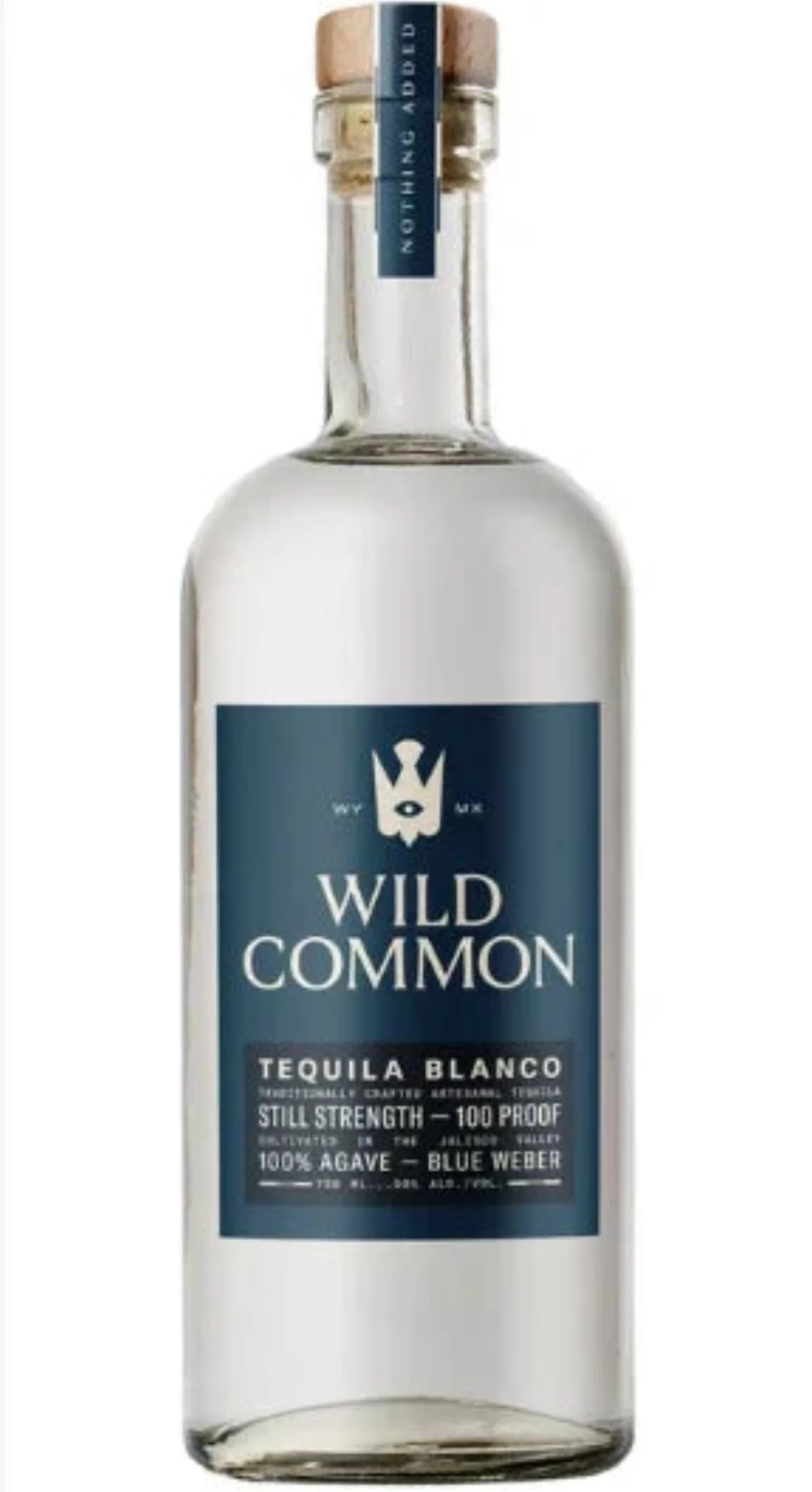
Wild Common Still Strength Blanco Tequila Review — Score & Tasting Notes
G4 Blanco 108 Proof Tequila Review — Score & Tasting Notes
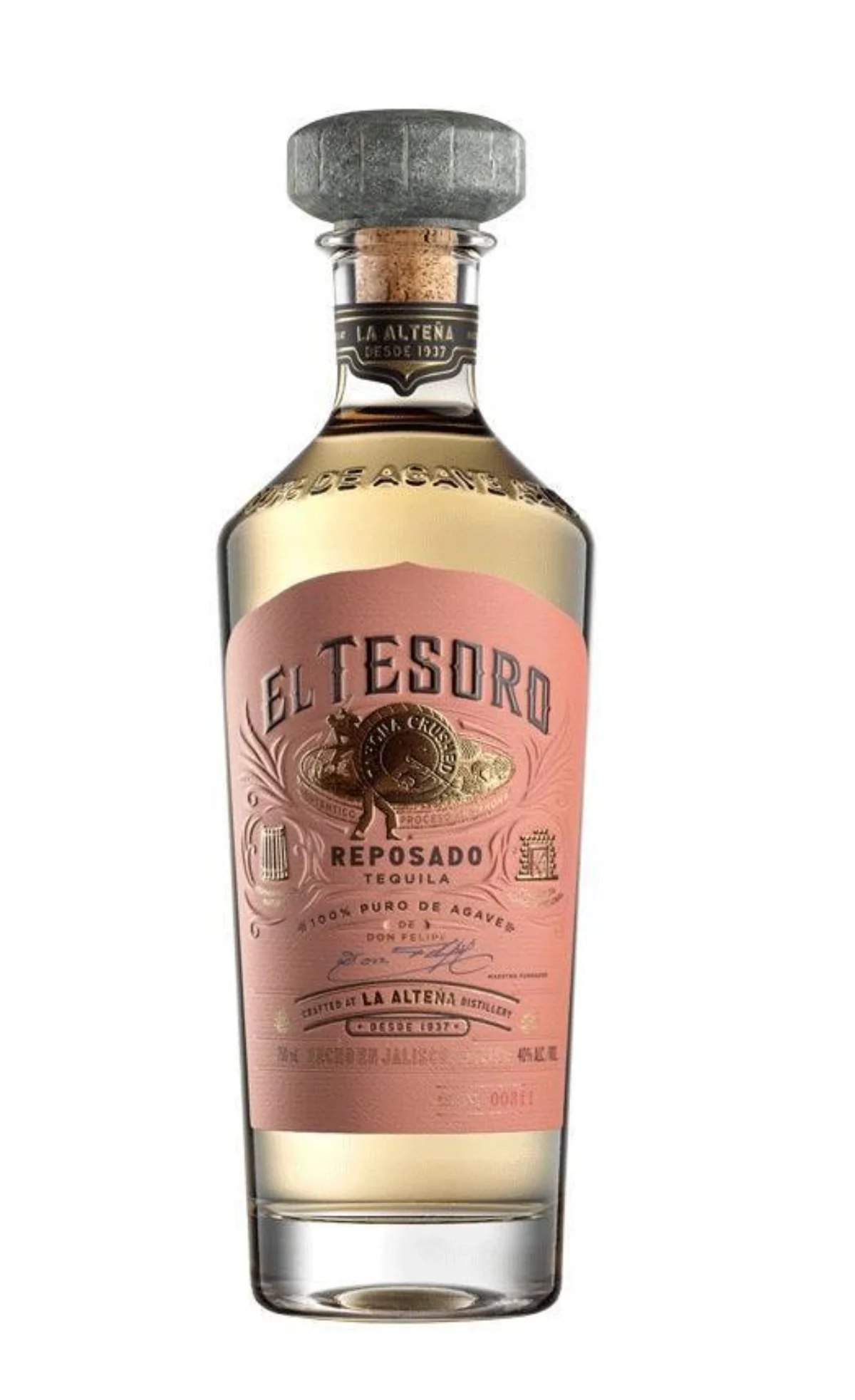
El Tesoro Reposado Review: The Tequila I Pour for Bourbon Drinkers Who 'Don't Like Tequila'
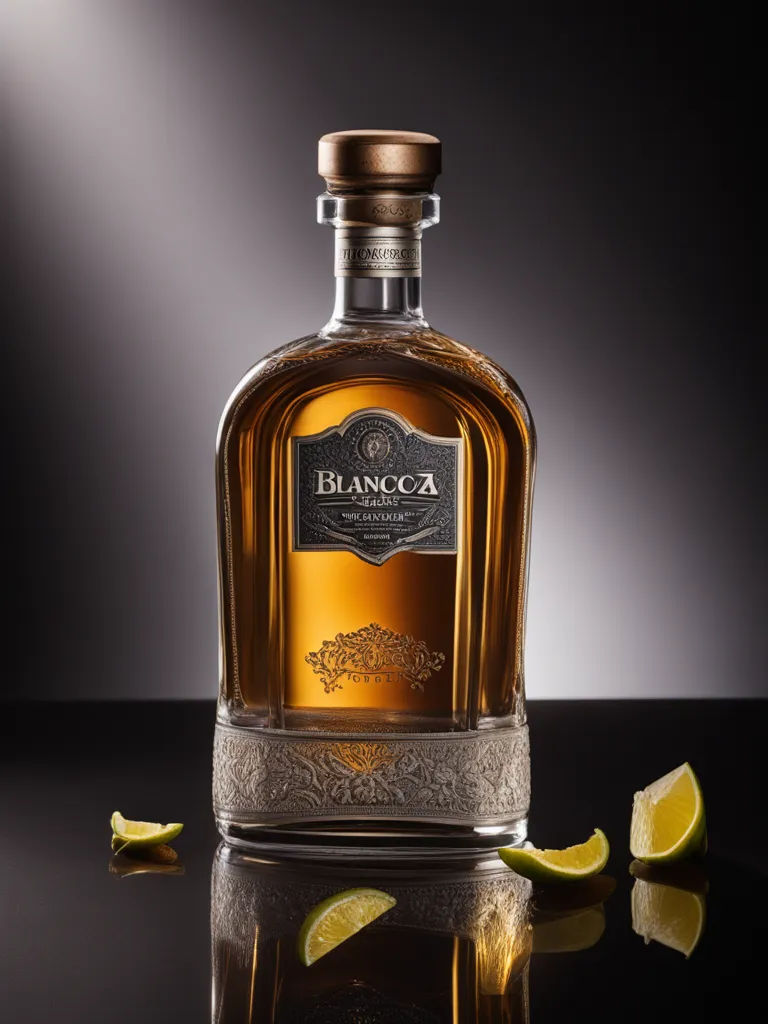
Fortaleza Blanco Tequila Review — Score & Tasting Notes
Tequila Guides & Articles
2 articles
Why Your “Smooth” Tequila Might Be Sweetened, Colored, and Flavored (And the Bottle Won't Tell You)
That “so smooth” celebrity tequila? Regulations let producers add up to 1% sugar, glycerin, oak extract, and caramel colour—undisclosed—and still call it 100% agave. Here's how to spot it and what to drink instead.
Blanco vs. Reposado vs. Añejo: The Tequila Cheat Sheet
Line up a blanco, reposado, and añejo from one distillery and you get three different drinks. The only variable is time in oak—here's the whole spectrum.
Frequently Asked Questions
Is tequila only for shots?
Not at all. A well-made, additive-free tequila is one of the great sipping spirits—complex, vegetal, citrusy, and mineral. Bottles like Fortaleza, G4, and Fuenteseca reward slow sipping at room temperature every bit as much as a fine whisky. Save the shots for the cheap stuff.
What does additive-free tequila mean?
Mexican regulations allow up to 1% of undisclosed additives—glycerin, caramel colour, oak extract, sweeteners—even in tequila labeled '100% agave.' Additive-free brands use nothing but agave, water, and yeast, so what you taste is the real spirit rather than manufactured smoothness.
What is the difference between blanco, reposado, and añejo tequila?
It's all about time in oak. Blanco is unaged and bright; reposado is 'rested' two months to a year and smoother; añejo is 'aged' one to three years and takes on whiskey-like caramel and vanilla. More barrel time means more oak character and less raw agave.
What is the best tequila for a margarita?
A good additive-free blanco is the classic choice—its bright, citrusy agave character cuts through lime and sweetener. A reposado also works well and adds a rounder, slightly oaky depth. Save añejo for sipping; its oak gets lost in a cocktail.
What does '100% agave' mean on a tequila label?
It means the tequila is made entirely from blue Weber agave, with no other fermentable sugars added. Tequila not labeled '100% agave' (called mixto) can be up to 49% other sugars. Note that '100% agave' still permits up to 1% additives—so look for 'additive-free' too.