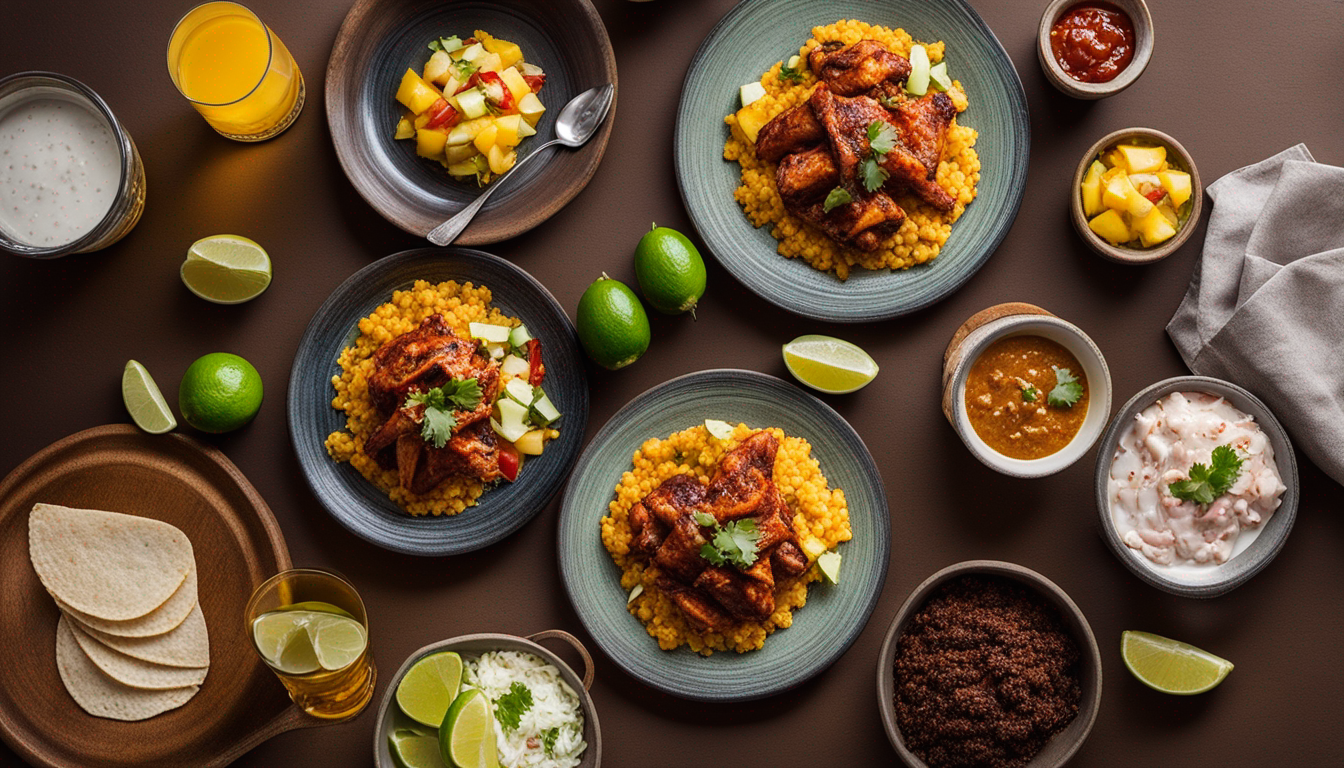
Somewhere along the way, tequila became a shot you take before biting a lime, and Mexican food became "chips and salsa." Both deserve better. Mexican cuisine is one of the world's most complex culinary traditions—UNESCO agrees, literally, it's on the Intangible Cultural Heritage list—and tequila is a spirit with as much nuance and regional variation as any single malt Scotch.
📍 New comparable: Fósforo Blanco just scored 92/100 in our latest blind tasting of the $40 Highland blanco tier — outscoring LALO and G4 at a lower price. Read the full Fósforo Blanco review →
This guide is part of our Food & Drink Pairings series, where we explore the best combinations for every palate.
Pairing them isn't hard, but it does require thinking beyond "margarita with everything." The key is matching tequila's aging profile to the dish's flavor intensity, and understanding that blanco, reposado, and añejo aren't just age categories—they're fundamentally different spirits with different pairing strengths.
The Quick Framework
Before the specific pairings, here's the cheat sheet that governs all of them:
- Blanco (unaged): Bright agave, citrus, pepper. Pairs with fresh, light, acidic dishes.
- Reposado (2-12 months in oak): Caramel, vanilla, soft agave. Bridges light and heavy dishes. The most versatile pairing category.
- Añejo (1-3 years in oak): Dark caramel, chocolate, oak. Pairs with rich, slow-cooked, deeply flavored dishes.
- Mezcal: Smoke, mineral, earth. Pairs with charred, grilled, and smoky dishes. Also surprisingly good with chocolate.
Intensity matches intensity. Freshness meets freshness. That's 80% of the game.
Blanco Pairings: Bright Meets Bright
Ceviche + Fortaleza Blanco ($45)
This is the pairing that made me take tequila-and-food seriously. Fortaleza's still-strength blanco (80 proof, which matters—more on that below) has crushed mineral, cooked agave sweetness, white pepper, and a citrus brightness that mirrors the lime in ceviche like it was designed to.
The acidity in the ceviche's citrus cure and the brightness in the blanco amplify each other. The agave's natural sweetness tames the jalapeño heat. And the minerality in Fortaleza—from the volcanic soil in the Tequila Valley—adds a savory depth that makes the shrimp or fish taste more like itself.
If Fortaleza's not available, Pasote Blanco ($40) and G4 Blanco ($45) hit similar notes. Avoid blancos that taste like ethanol and citrus cleaning solution—you know the ones.
Tacos al Pastor + Tapatio Blanco ($25)
Al pastor—pork marinated in dried chiles, achiote, and pineapple, cooked on a vertical spit—is Mexico City street food at its finest. The combination of sweet pineapple, spicy chiles, and savory pork needs a tequila that can keep up without getting in the way.
Tapatio Blanco at $25 is a bartender's favorite for a reason: it's clean, peppery, and agave-forward with zero artificial sweetness. The pepper in the tequila matches the chile heat in the pork. The agave sweetness complements the pineapple. And at the price point, you can pour generously alongside a plate of $3 tacos—which is exactly how this pairing should go.
Also works: Cimarron Blanco ($20) for an even more budget-friendly option that still delivers legitimate agave character.
Aguachile + Cascahuín Tahona Blanco ($50)
Aguachile is ceviche's aggressive cousin—raw shrimp cured in lime with serrano chiles, cucumber, and red onion. It's spicier, more acidic, and more intense than standard ceviche. It needs a blanco with enough weight and complexity to match.
Cascahuín's tahona-crushed blanco has a richer, more viscous texture than roller-mill blancos, plus deeper cooked agave notes that bridge the raw intensity of the aguachile. The extra body absorbs some of the chile heat while the bright agave keeps pace with the lime. This is a pairing that makes you understand why tequila was invented in the first place.
Reposado Pairings: The Bridge Category
Mole Negro + El Tesoro Reposado ($50)
Mole negro might be the most complex sauce in the world. Thirty-plus ingredients—dried chiles, chocolate, nuts, spices, herbs, charred tortillas—cooked for hours into something that tastes like nothing else on earth. It's bitter, sweet, spicy, earthy, and smoky all at once.
You need a tequila that can match that complexity without adding confusion. El Tesoro Reposado, aged in ex-bourbon barrels for about 11 months, delivers vanilla and caramel from the oak alongside rich cooked agave, and that oak sweetness bridges the chocolate and chiles in the mole. The agave's mineral quality connects to the mole's earthy dried-chile backbone.
I've tried this pairing with blancos (too bright, gets lost), añejos (too oaky, competes with the mole's own complexity), and reposados from six different brands. El Tesoro hits the sweet spot.
Runner-up: Siete Leguas Reposado ($50)—slightly more agave-forward if you want the tequila to assert itself more against the mole.
Carnitas + Olmeca Altos Reposado ($25)
Carnitas—slow-braised pork in its own fat until the exterior crisps and the interior falls apart—is rich, porky, and slightly sweet from the caramelized edges. It's comfort food that happens to be one of Mexico's greatest contributions to cooking.
Olmeca Altos Reposado at $25 is the value play that bartenders across Mexico actually drink. Light oak aging adds vanilla and spice that complement the pork's caramelized sweetness, while the agave's natural brightness cuts through the richness like a squeeze of lime on the taco itself. This is the "Tuesday night tacos" pairing—affordable, unpretentious, and better than it has any right to be. If you enjoy pairing spirits with food, explore our bourbon and steak pairing guide for another classic combination.
Enchiladas Suizas + Ocho Reposado ($55)
Enchiladas suizas—chicken enchiladas in creamy tomatillo sauce—are rich and tangy with a gentle heat. The cream sauce needs a tequila that won't be bulldozed by the dairy but can complement the tomatillo's tartness.
Ocho Reposado's single-estate, single-vintage approach means every bottle tastes slightly different, but the consistent throughline is bright agave with restrained oak—exactly what this dish needs. The subtle vanilla from oak aging complements the cream, and Ocho's trademark mineral quality connects to the tomatillo's savory-tart character.
Añejo Pairings: Deep Meets Deep
Barbacoa + Herradura Añejo ($50)
Barbacoa—beef cheeks (or lamb, traditionally) slow-cooked in maguey leaves with chiles and spices until the meat shreds at the suggestion of a fork—is one of the deepest, most complex preparations in Mexican cooking. The slow cooking develops layers of savory richness that light spirits can't touch.
Herradura Añejo, aged 25 months in American oak, brings dark caramel, vanilla, cinnamon, and enough oak tannin to match barbacoa's intensity without overwhelming its subtlety. The bourbon-barrel influence creates a flavor bridge between the añejo's caramel sweetness and the barbacoa's natural beef richness. This pairing is Sunday afternoon at its finest.
Also works: Don Julio Añejo ($55) for a slightly smoother, less tannic option if you prefer your añejo on the elegant side.
Mole Rojo + Tapatio Añejo ($60)
Where mole negro is the complex, intellectual mole, mole rojo is its warmer, more accessible sibling—tomato-based, chile-forward, with a sweet-spicy character that coats chicken or pork beautifully.
Tapatio Añejo is richer and more agave-forward than most añejos, which tend to lean hard into oak. That agave presence keeps the tequila grounded against the mole's spice, while the dark caramel and dried fruit from aging match the mole's own sweetness. The slightly higher proof (80 vs. the 76 proof many añejos settle for) gives it enough presence to stand up to the sauce.
The Mezcal Chapter
Mezcal and food is still underexplored territory, and that's a shame because the smoke adds a dimension that tequila simply can't match.
Carne Asada (Charcoal-Grilled) + Del Maguey Vida ($30)
Smoke meets smoke. Charcoal-grilled carne asada develops a smoky char on the exterior that mirrors mezcal's roasted agave character. Del Maguey Vida is the accessible entry point—clean smoke, bright agave, citrus—that pairs with the char without creating a smoke bomb.
Squeeze lime on both—the carne asada and the mezcal (seriously, a few drops of lime in mezcal is traditional and revelatory).
Chapulines (Toasted Grasshoppers) + Banhez Mezcal ($28)
Before you skip this one: chapulines are a traditional Oaxacan snack, toasted with garlic, lime, and chile. They're crunchy, earthy, and surprisingly delicious. And they're mezcal's natural partner—both come from Oaxaca, both have earthy-smoky profiles, and the combination is one of those "this is where this spirit was born" moments that makes food pairing feel like discovery rather than homework.
Banhez, an ensemble mezcal made from espadín and barril agave, has a rounder, less aggressive smoke than pure espadín expressions, which lets the chapulines' toasted-garlic flavor come through.
Chocolate (Dark, 70%+) + Montelobos Mezcal ($35)
This isn't a traditional Mexican dish pairing, but it's too good to leave out. Dark chocolate and mezcal share flavor compounds—both develop complex, slightly bitter, roasted notes through their respective production processes (cacao roasting and agave roasting). Montelobos, made from 100% espadín with a clean, slightly herbal smoke, creates a pairing that tastes like a dessert course nobody thought to invent.
Break the chocolate into small pieces. Take a bite, let it melt halfway, then sip the mezcal. The chocolate's bitterness tames the smoke, and the smoke amplifies the chocolate's roasted depth. You'll go through half a bar before you realize it.
The Practical Takeaway
Mexican food and tequila grew up together in the same soil, literally. Agave and chiles, corn and lime—the ingredients share terroir, and the pairings feel natural because they are natural. The mistake most people make is reaching for a margarita with everything, which is like pairing every Italian dish with Chianti.
Start with one pairing from each category. Taste them side by side and separately. Notice what the tequila does to the food and what the food does to the tequila. Once you start paying attention, you'll never go back to "shot of Cuervo with chips and queso." The queso deserves better. So does the tequila.
More Pairing Guides
Explore more from our pairings collection: