Scotch whisky is made in Scotland from malted barley (and sometimes other grains), aged at least three years in oak, and shaped as much by where it's made as how. From the sherried richness of Speyside to the peat-smoke intensity of Islay, Scotch covers more stylistic ground than any other whisky category—which is exactly what makes it so rewarding to explore.
Where to start with Scotch
The single biggest question in Scotch is smoke, or no smoke. If you want peat, our guide to the best peated Scotch and the deep dive on why Islay whisky is so smoky are the place to begin. If you don't, the sherried and Highland malts in our best Scotch under $50 and under $100 guides deliver richness without the campfire. Either way, start gentle and work up.
How we cover Scotch
We review Scotch bottle by bottle on our 100-point scale, judging nose, palate, finish, and value—and we treat region as part of the story, because an Islay malt and a Speyside malt are almost different drinks. Below you'll find our latest Scotch roundups, single-malt reviews, and buying guides.
Best Scotch Roundups
4 articles
Best Islay Scotch Whisky (2026): 10 Single Malts Ranked
The definitive guide to Islay single malt—ten whiskies from Scotland's smoky island, ranked by our own reviews, from face-first peat bombs to a gentle gateway dram.
Best Peated Scotch Whisky: 10 Smoky Single Malts Worth the Campfire
Peated scotch whisky isn't for everyone—until it is. That moment when smoke shifts from bonfire assault to liquid campfire magic is unforgettable. We tasted 25 peated single malts to find the 10 bottles that nail the balance between phenolic power and drinkable pleasure.
Best Scotch Under $100: 10 Bottles Worth Every Penny
We tested 40 scotch whiskies priced under $100 to find the bottles that deliver premium quality without requiring a second mortgage. This price range is where scotch gets serious—complex single malts, perfectly balanced blends, and expressions that rival bottles costing twice as much.
Best Scotch Under $50: 10 Single Malts and Blends That Punch Above Their Price
We blind-tasted 30 scotch whiskies under $50 to find bottles that deliver complexity, character, and genuine craftsmanship at everyday prices. These 10 picks prove you don't need to spend triple digits for exceptional Scotch whisky.
Scotch Reviews
12 articles
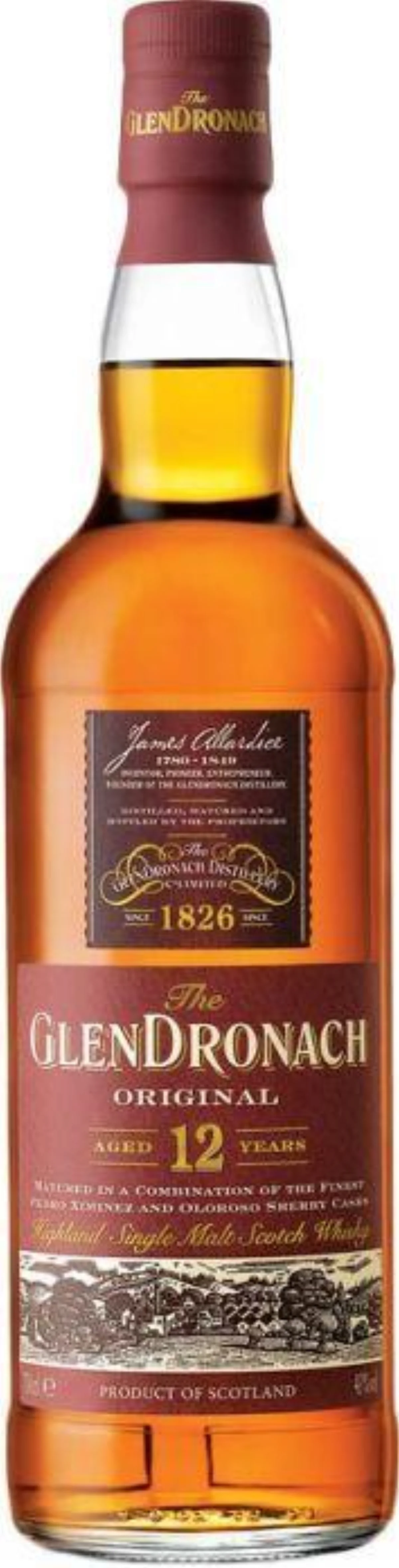
GlenDronach 12 Review: I Blind-Tasted It Against Macallan 12 and a $95 Sherried 15-Year — Here's What Won
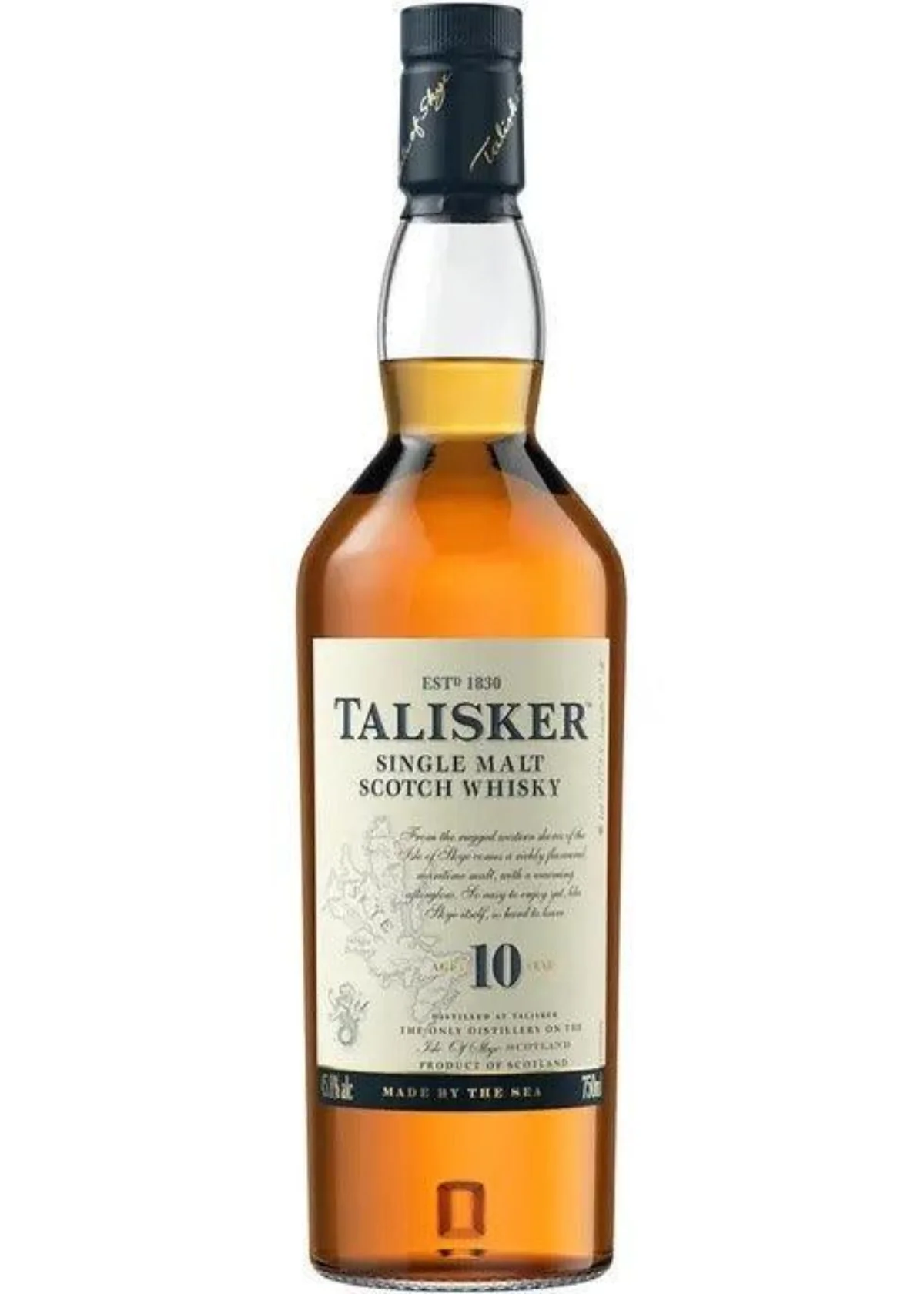
Talisker 10 Review: The Pepper Explosion I Use to Teach Whisky Tasting
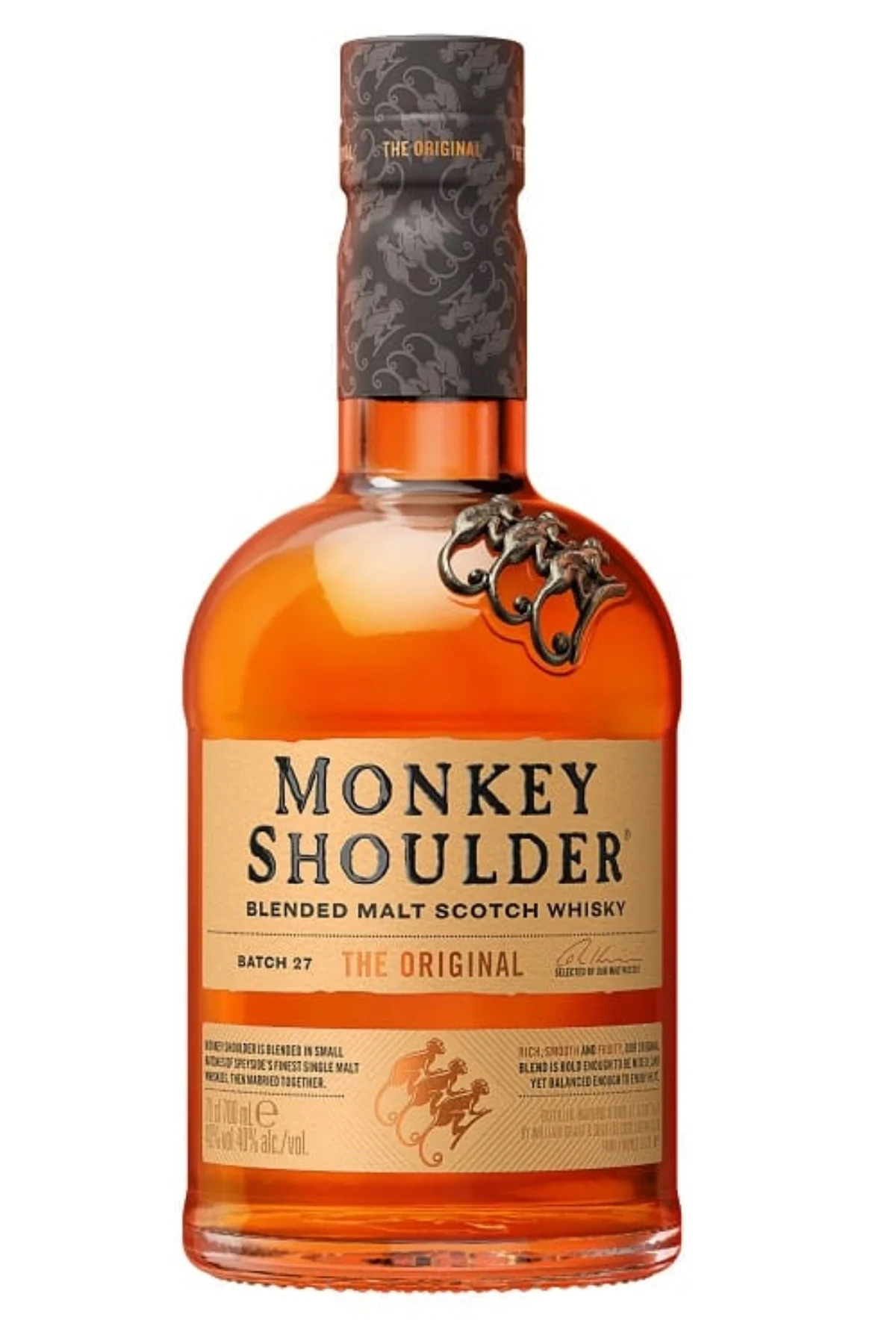
Monkey Shoulder Review: The $30 Scotch That Fools Single-Malt Snobs
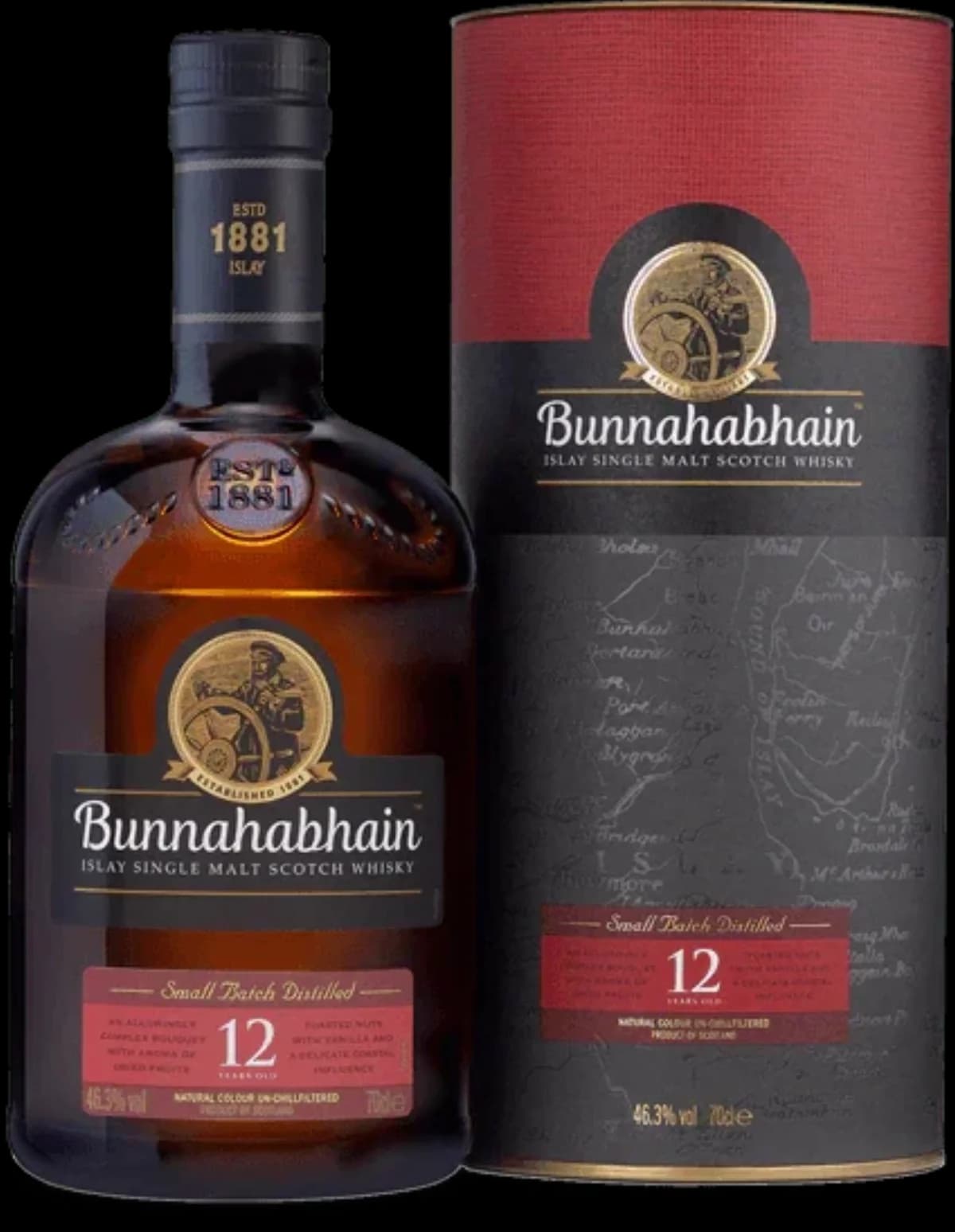
Bunnahabhain 12 Review: My Secret Weapon for Friends Who 'Don't Like Smoky Scotch'
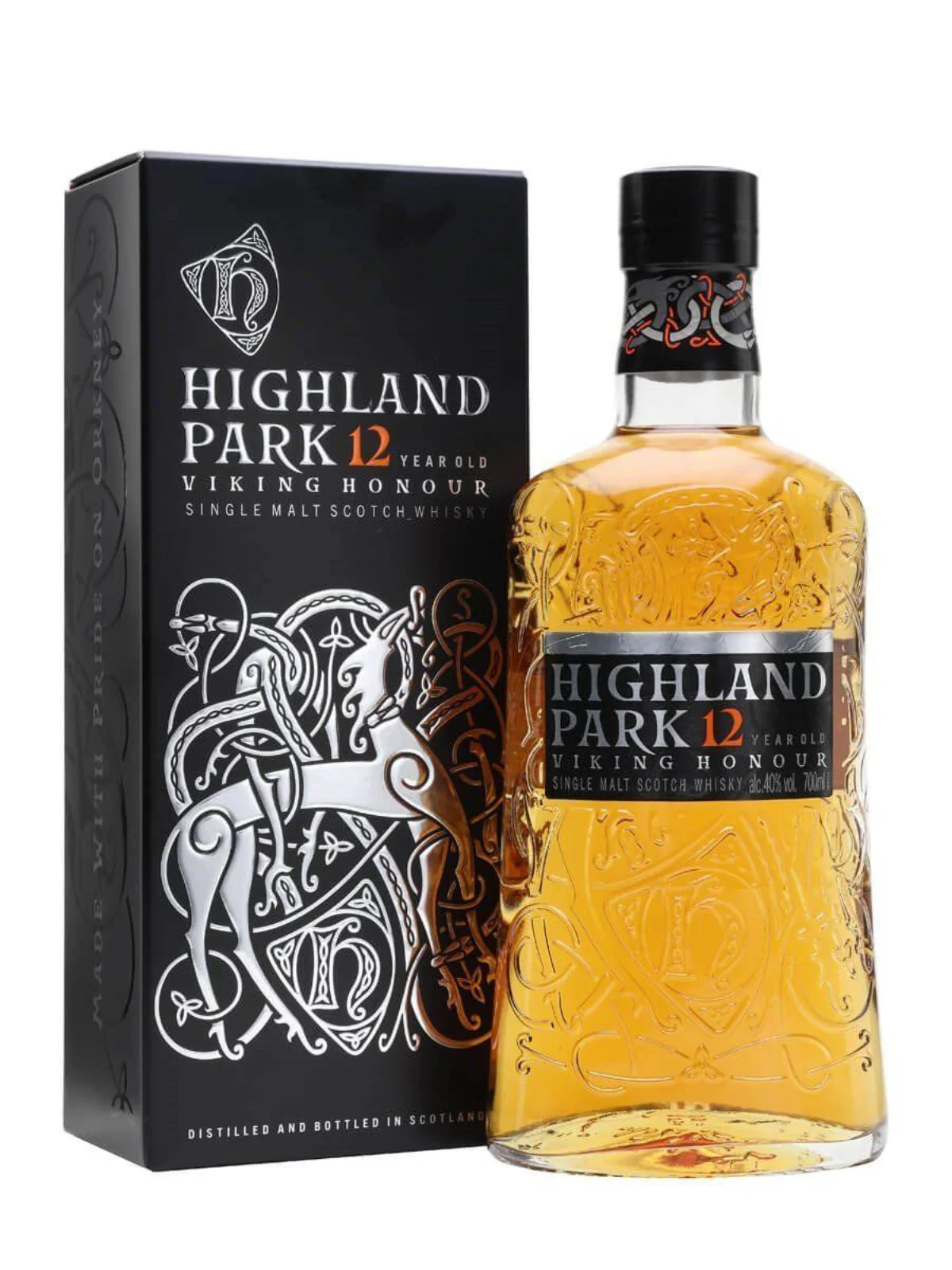
Highland Park 12 Review: The Smoke Whisper That Converts 'I Don't Like Peated' Drinkers
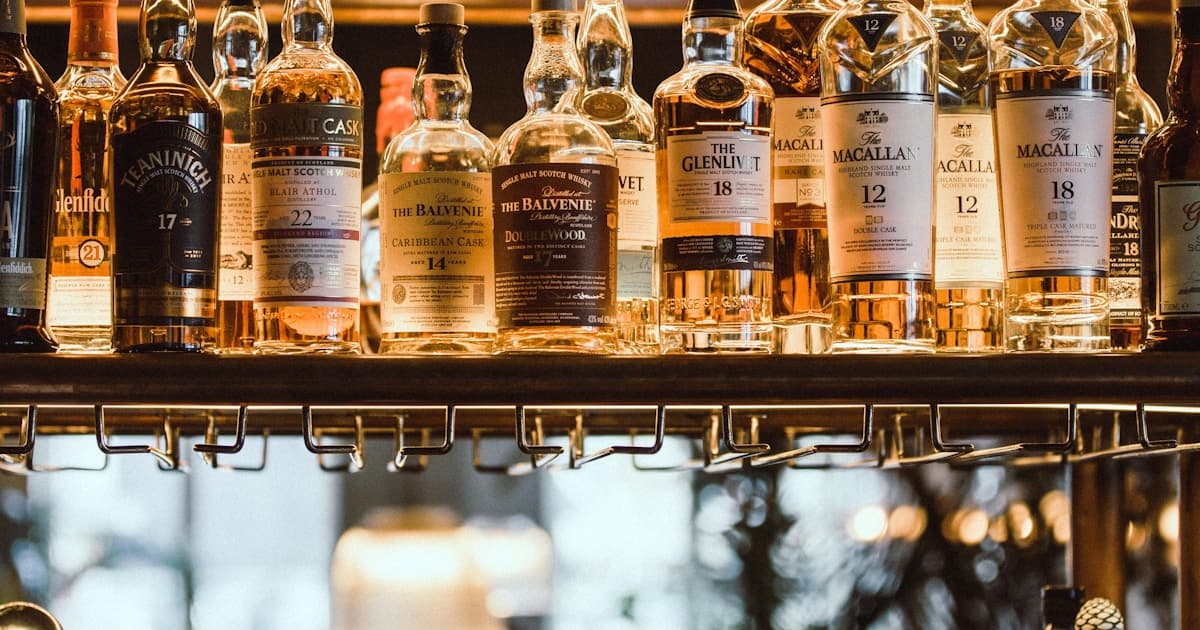
The Balvenie 14 Year Old Caribbean Cask Scotch Review — Score & Tasting Notes
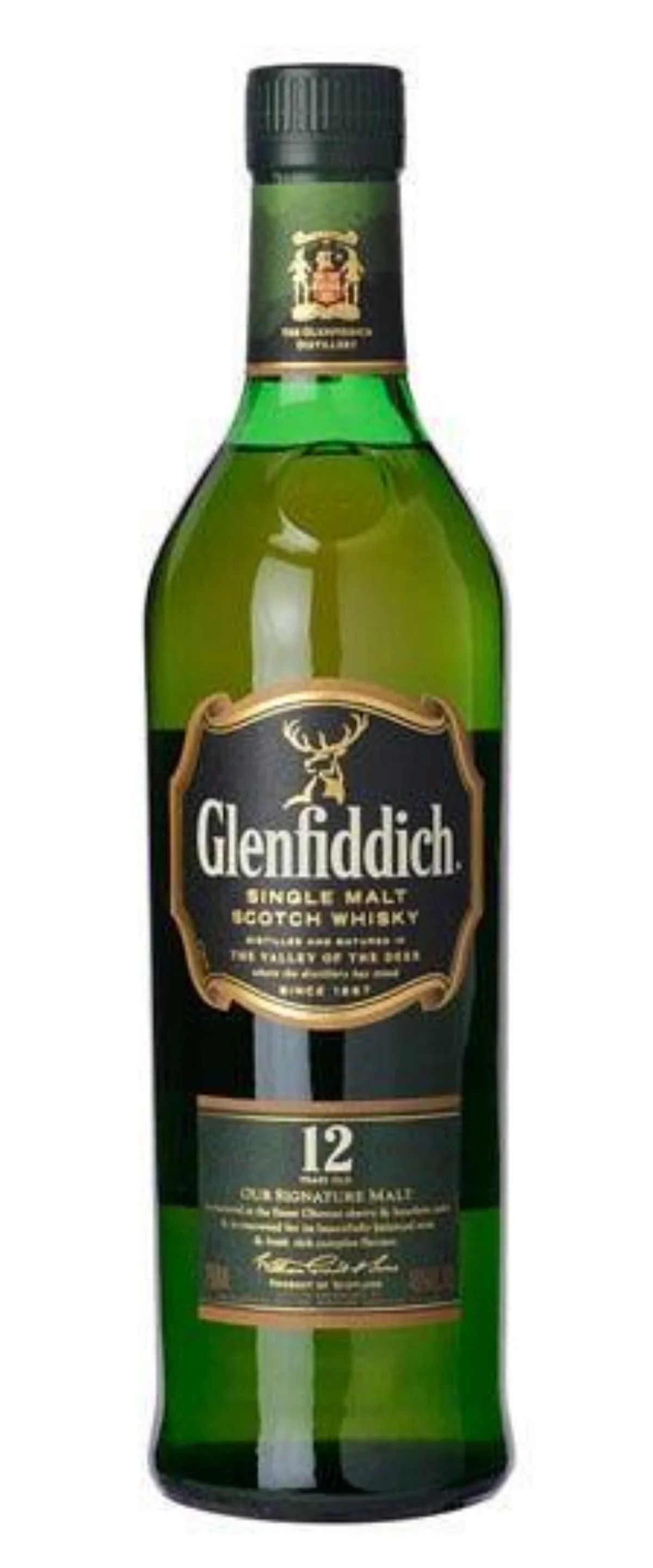
Glenfiddich 12 Review: The Calibration Whisky I Use to Test Every Other Bottle
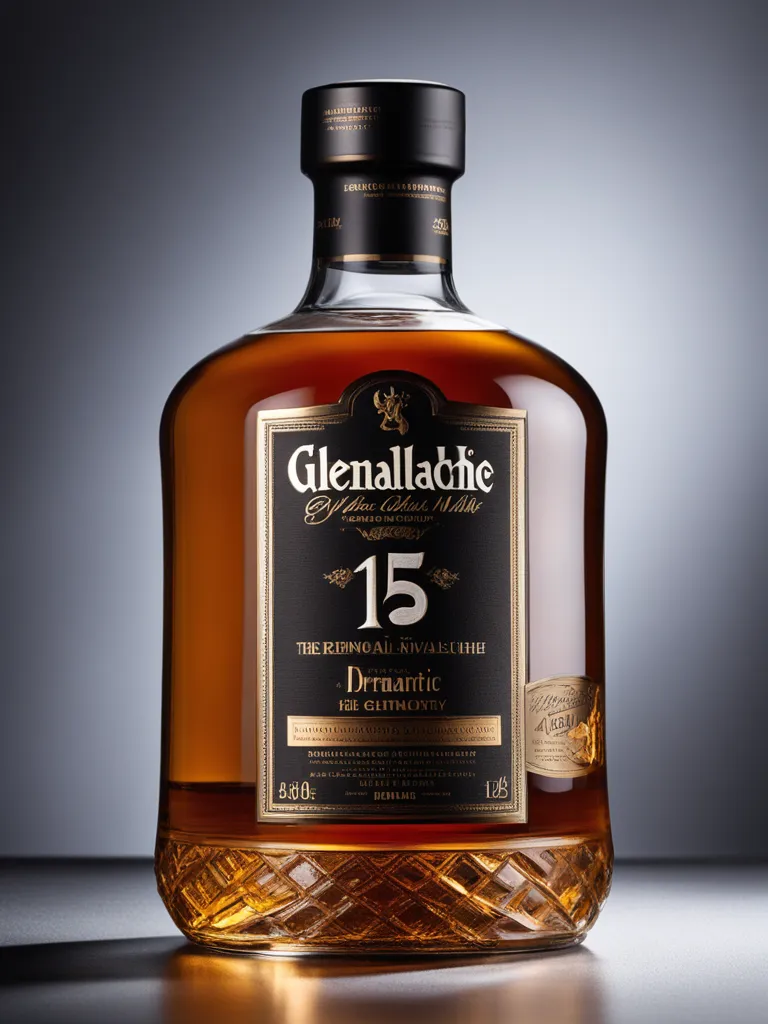
The GlenAllachie 15 Year Old Scotch Review — Score & Tasting Notes
The Macallan 12 Year Old Sherry Oak Scotch Review — Score & Tasting Notes
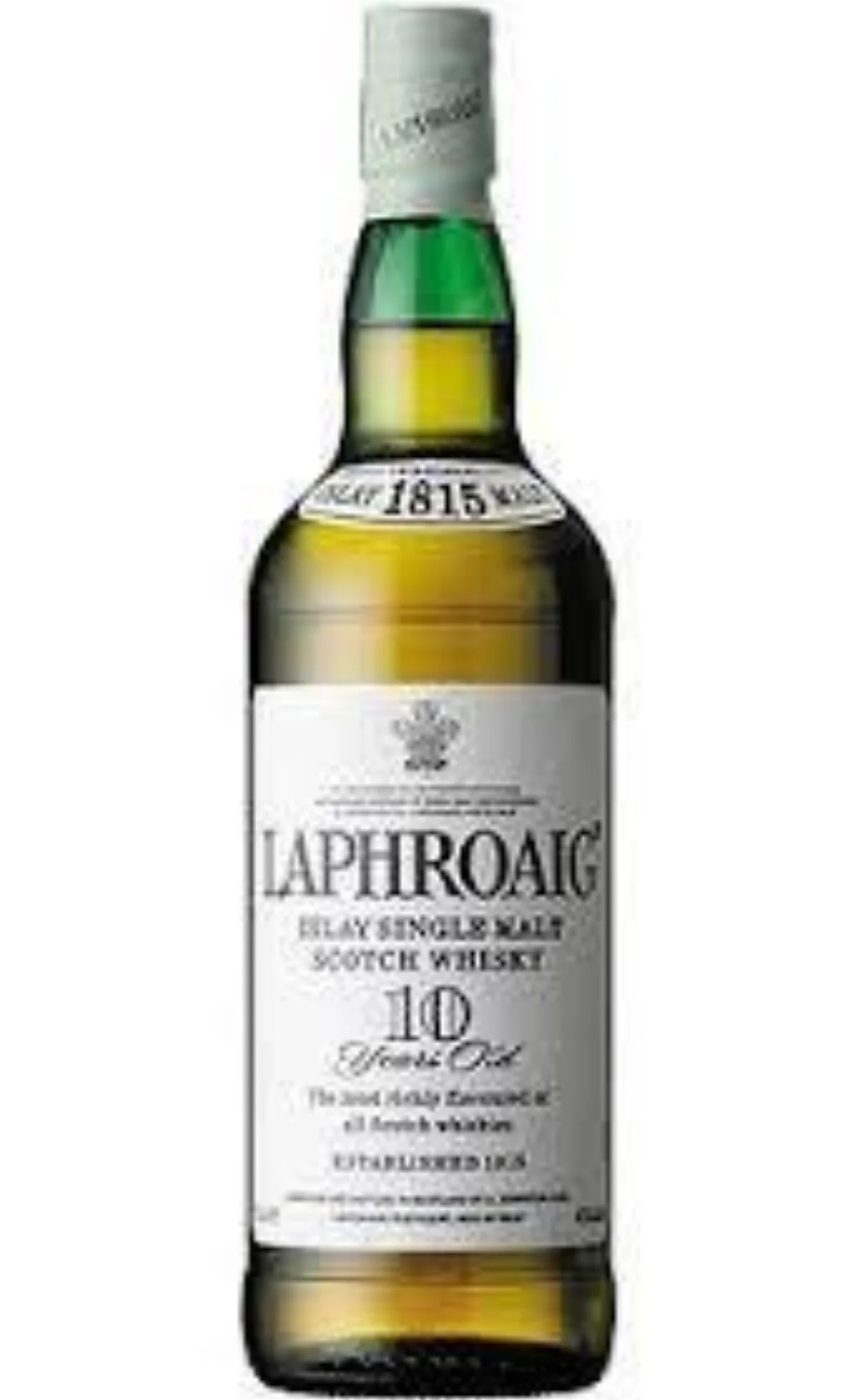
Laphroaig 10 Review: I Served It to a Dozen First-Timers — Here's the Three-Way Split
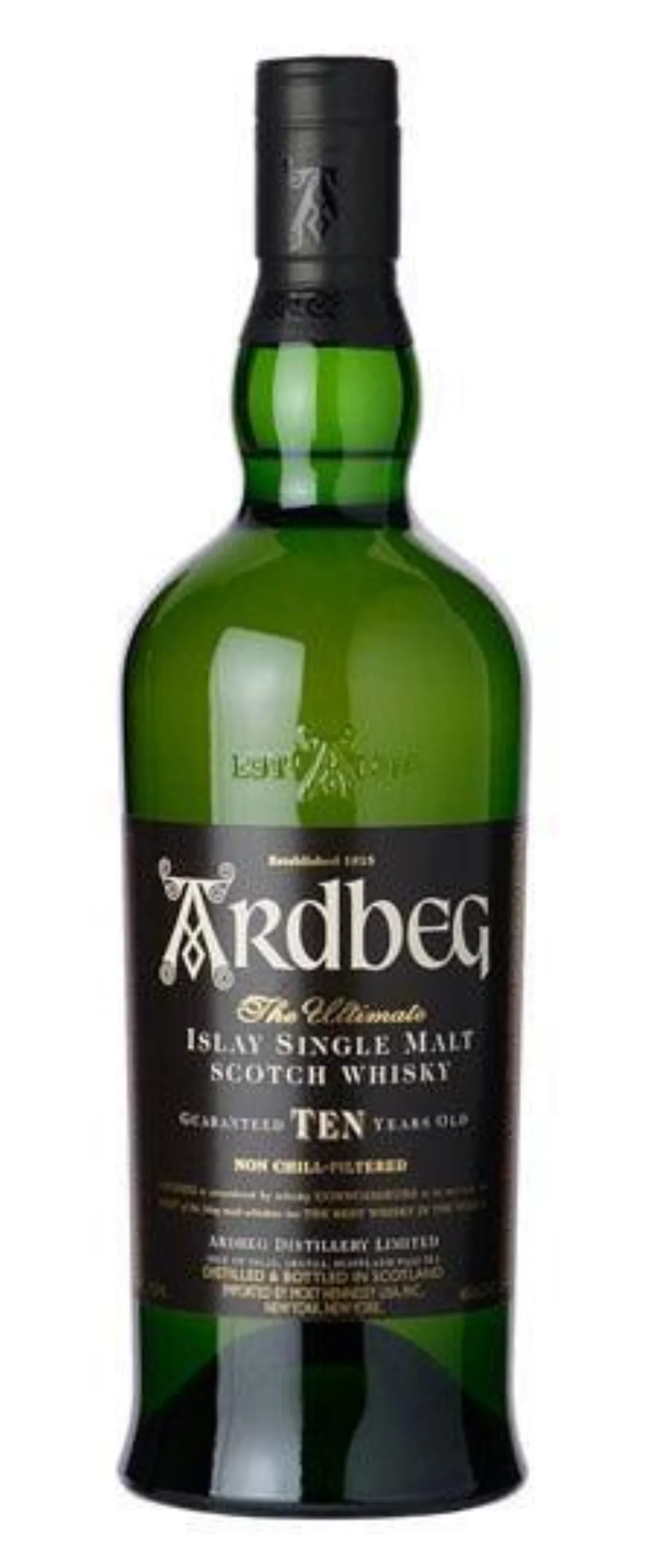
Ardbeg 10 Review: Why I Reach for It in Blind Tastings Against Bottles 4× the Price
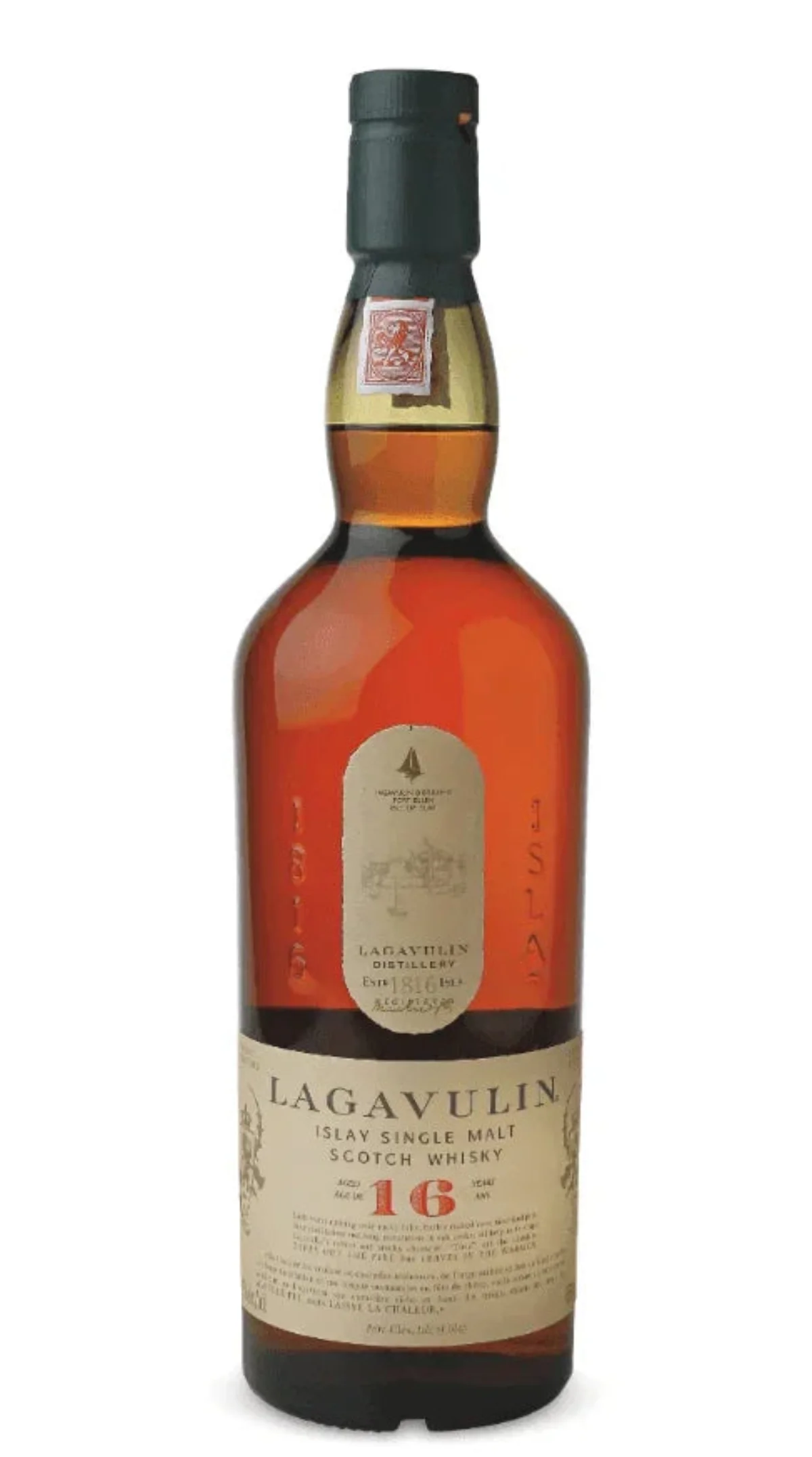
Lagavulin 16 Review: The Islay Malt I Use to Convert Scotch Skeptics (And Why It Works)
Scotch Guides & Articles
2 articles
Why Is Islay Whisky So Smoky? (And the Islay Malts That Aren’t)
The first sip of Laphroaig tastes like a bonfire on a beach next to a hospital. That’s peat—and Islay is soaked in it. Here’s why, and the exceptions that break the rule.
The 10% Scotch Tariff Is Gone. Here's When Your Bottle Prices Will Actually Drop.
Trump lifted the UK whisky tariff on April 30 after a year of export pain. What that means for your shelf — and why cheaper Scotch isn't tomorrow's problem.
Frequently Asked Questions
What is the difference between Scotch and whiskey?
Scotch is whisky made in Scotland to strict legal standards—from malted barley (or other cereals), aged at least three years in oak casks. 'Whiskey' is the broader worldwide family; Scotch is one regional style within it, known for its range from delicate to intensely smoky.
Is all Scotch smoky?
No. Scotch's smoky, peaty reputation comes mainly from Islay malts like Ardbeg and Laphroaig, but most Scotch is unpeated. Speyside and Highland malts range from light and floral to rich and sherried, and even on Islay, distilleries like Bunnahabhain make largely unpeated whisky.
What is a single malt?
A single malt is a Scotch made entirely from malted barley at a single distillery. It's distinct from a blended Scotch, which mixes malt and grain whiskies from multiple distilleries. Single malts show a distillery's individual character; good blends offer consistency and value.
How should I drink Scotch?
Neat in a Glencairn glass is the best way to taste it, with a few drops of water to open up the aromas—especially on cask-strength and smoky bottles. Ice mutes the delicate flavours, so it's best avoided for serious sipping.
What is peat and why does it make Scotch smoky?
Peat is decomposed vegetation cut from bogs and burned to dry the malted barley. Its smoke carries compounds called phenols that cling to the grain and survive into the whisky, giving peated Scotch its smoky, medicinal, maritime character.