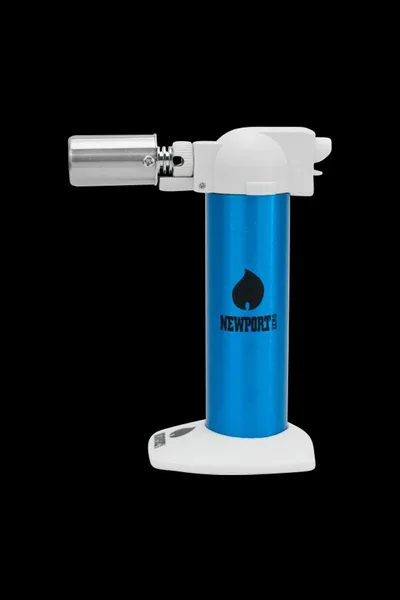
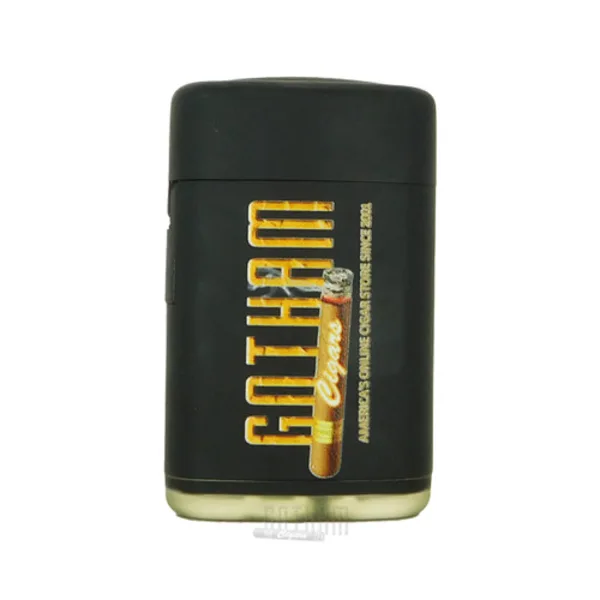
You spent real money on the cigar — don't wreck it at the last step. The flame you light it with matters as much as the cutter: a clean, even toast sets up the entire smoke, while the wrong lighter scorches the wrapper and drags fuel taste into the first third. One rule sits above all the others: butane torch or a wooden match — never a fluid lighter. Naphtha fluid (the stuff in a Zippo or a Bic) gives off a vapor that clings to the foot and taints those first few draws; butane burns clean, hot, and odorless.
These are the lighters we keep in rotation and reach for, from a $10 everyday torch to a buy-it-for-life premium. New to lighting a cigar? Read how to smoke a cigar first, then pick your flame below. Building out the rest of the kit? See the best cigar accessories and, if you're just starting, our best cigars for beginners.
What we actually look at when we test a cigar lighter
A cigar lighter has exactly one job, but there are a dozen ways to do it badly. Here is every trait we put a torch through before it earns a place on this list — and the failure that knocks one off it.
Flame quality and the toast
This is the whole point, so it carries the most weight. We watch the geometry of the flame: a good torch throws a tight, steady blue cone that toasts the foot to an even orange glow in a few seconds. A bad one burns yellow-tipped and sloppy — a sign of incomplete combustion that deposits soot and an off note on the wrapper. We look for a flame you can hold on the foot without charring the wrapper edge, and one that stays put instead of wandering as you rotate the cigar.
Ignition reliability
A lighter that needs three clicks is a lighter you'll come to hate. We care about first-press ignition across a full tank — and, more tellingly, when the tank runs low. That quarter-tank moment is where cheap piezo igniters give up: the spark still fires but the fuel pressure can't carry a flame. A torch that lights first-press near-empty is doing something right; one that stutters cold or after sitting a week gets marked down.
Wind performance
Single-jet torches are precise but a stiff breeze can lag or snuff them — perfectly fine indoors, disqualifying for anything sold as "windproof." Multi-jet (double or triple) torches trade a little finesse for a wall of flame that shrugs off wind and lights a 60-ring foot fast. We judge each torch against its own promise: a pocket single-jet doesn't need to beat a gale, but a big outdoor jet does.
Fuel — capacity, efficiency, and the butane that actually matters
We note tank size against realistic cigars-per-fill, but the bigger story is fuel quality. The number-one reason a torch "dies" isn't the torch — it's cheap, unrefined butane leaving residue that clogs the jet. We test with triple-refined butane and treat any lighter that only behaves on premium fuel as a strike against it. Practical upshot for you: buy refined butane, and when you refill, bleed the tank first, fill it upside down, and let it return to room temperature before you spark it — filling a cold tank under-fills it and causes flare-ups.
Flame adjustability and the fuel window
An adjustable flame is non-negotiable: dial it down for a delicate Connecticut-shade wrapper indoors, crank it up for wind or altitude. We also reward a fuel window — a small sight-glass or translucent tank — because there is no worse moment than a dead lighter and a fresh cigar. Opaque bodies with no adjuster get marked down no matter how good the flame is on day one.
Build, materials, and serviceability
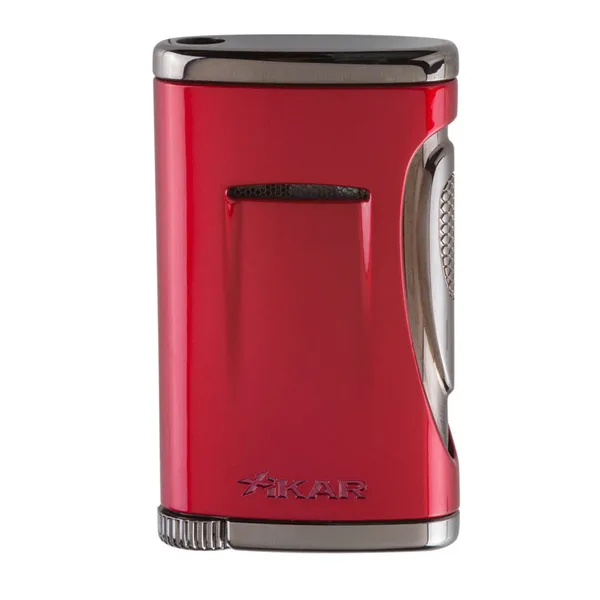
Metal beats plastic, a cap that snaps cleanly protects the jet from pocket lint, and a hinge that still feels tight after a year matters more than looks. The quiet differentiator is whether the maker stands behind it. Xikar's limited lifetime warranty means a clog or a failed igniter gets repaired, not binned — which is why a premium torch can be cheaper over a decade than a drawer full of disposables.
Ergonomics, altitude, and cold
We use each lighter one-handed the way you actually would: does the body get too hot, does the ignition sit under your thumb, does it ride comfortably in a pocket? And because butane torches genuinely lose output as elevation climbs and temperature drops, we note which ones have enough adjustment range to compensate — a real issue on a Denver patio or a ski-town balcony, where an underpowered torch simply won't hold a flame.
Single flame vs. multi-flame — and how to choose
Single-jet torches give the most control and a gentler toast — ideal indoors and for delicate Connecticut wrappers. Multi-jet (double/triple) torches light faster and shrug off wind, which matters outdoors and on big ring gauges. Either way, insist on a refillable body, an adjustable flame, and a fuel window. Spend $10 and you'll get a reliable pocket torch; spend $50–100 and you get premium build and, in Xikar's case, a lifetime warranty. Store your torches — and the cigars they light — properly; a good humidor keeps the whole ritual worth the trouble.