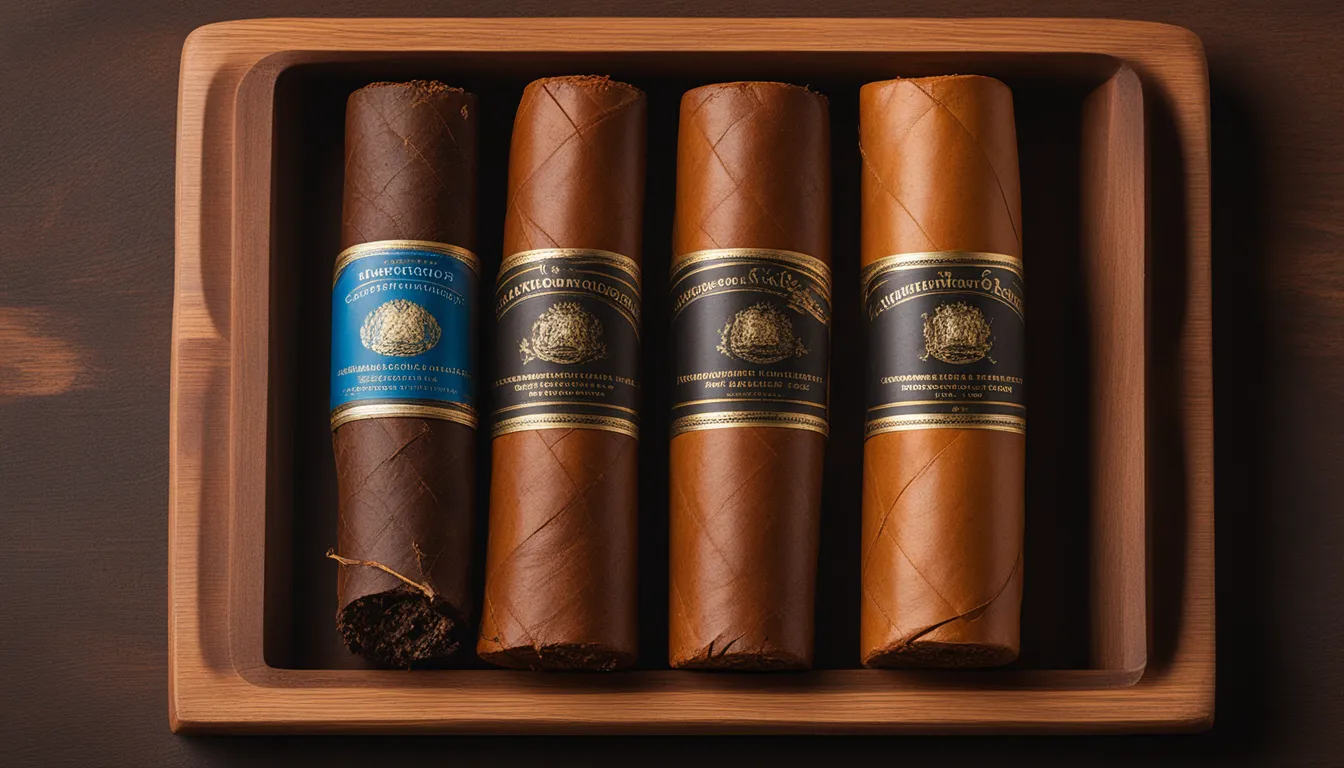
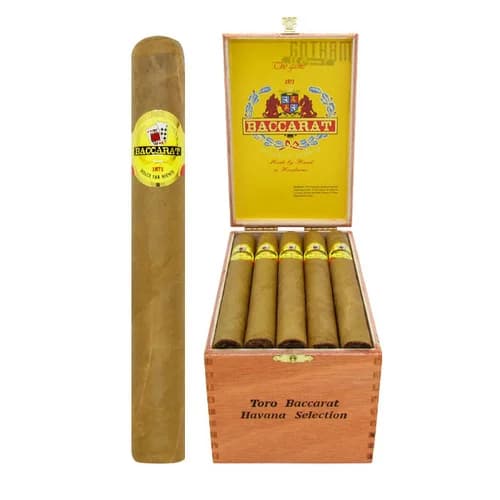
I was twenty-three, standing outside a wedding reception in Charleston, when my college roommate's dad handed me what looked like a small torpedo wrapped in silk. "You'll want to cut the cap first," he said, noticing my confusion. I nodded like I understood, then proceeded to bite the end off like I'd seen in movies. He didn't laugh—just lit a match, showed me how to toast the foot, and said, "Welcome to the club, kid."
That cigar was a Macanudo Cafe, and it remains one of the best starter cigars you can smoke. It was mild enough that I didn't turn green, flavorful enough that I actually enjoyed it, and forgiving enough that my amateur puffing technique didn't ruin the experience. I've smoked hundreds of cigars since that night, but I still remember how approachable that first one felt.
If you're new to cigars, you're probably wondering where to start. The cigar world can feel intimidating—walk into any cigar shop and you'll be confronted with walls of bands, sizes, and names that sound like Spanish law firms. But here's the truth: nobody's born knowing this stuff. The best way to learn is to smoke cigars that are actually enjoyable, not to suffer through something that makes you nauseous because someone told you it's "what real aficionados smoke."
This guide covers ten cigars that are legitimately good for beginners—not boring, not flavorless, just well-made smokes that won't punish you for being new. These are cigars I'd hand to my younger self, or to anyone lighting up for the first time.
What Makes a Good Beginner Cigar
Before we get to the list, let's talk about what you should actually look for in your first few cigars. The conventional wisdom is "start mild," and that's mostly right—but mild doesn't mean bland. A good beginner cigar should have enough flavor to be interesting without overwhelming your palate with strength.
Mild to medium body is the sweet spot. Cigar strength is measured in nicotine content and intensity, not flavor. A full-bodied cigar can make even experienced smokers feel lightheaded if they smoke on an empty stomach. As a beginner, you want something that lets you focus on the flavors—cedar, cream, nuts, leather—without feeling like you need to sit down halfway through.
Consistent burn and forgiving construction matter more than you'd think. A poorly constructed cigar will tunnel, canoe, or go out constantly, and you'll blame yourself. A well-made cigar from a reputable brand will burn evenly even if your lighting technique is imperfect. Look for cigars from established manufacturers who have quality control down to a science.
Shorter smokes are better for learning. A robusto or corona takes 45-60 minutes to smoke. A Churchill or torpedo can take 90 minutes or more. When you're still figuring out cadence and whether you even like cigars, shorter is better. You can always smoke a second cigar if you love it. You can't unsmoke a giant Churchill that's making you queasy.
Connecticut shade wrappers are your friend. Most beginner-friendly cigars use Connecticut shade or Connecticut Ecuadorian wrappers—they're light in color (golden tan), mild in strength, and produce smooth, creamy smoke. Maduro wrappers (dark brown, almost black) are usually fuller-bodied. Save those for later.
The 10 Best Cigars for Beginners
These ten cigars are ranked loosely in order of mildness, but they're all excellent starting points. Try a few and see what you like—your palate is your own.
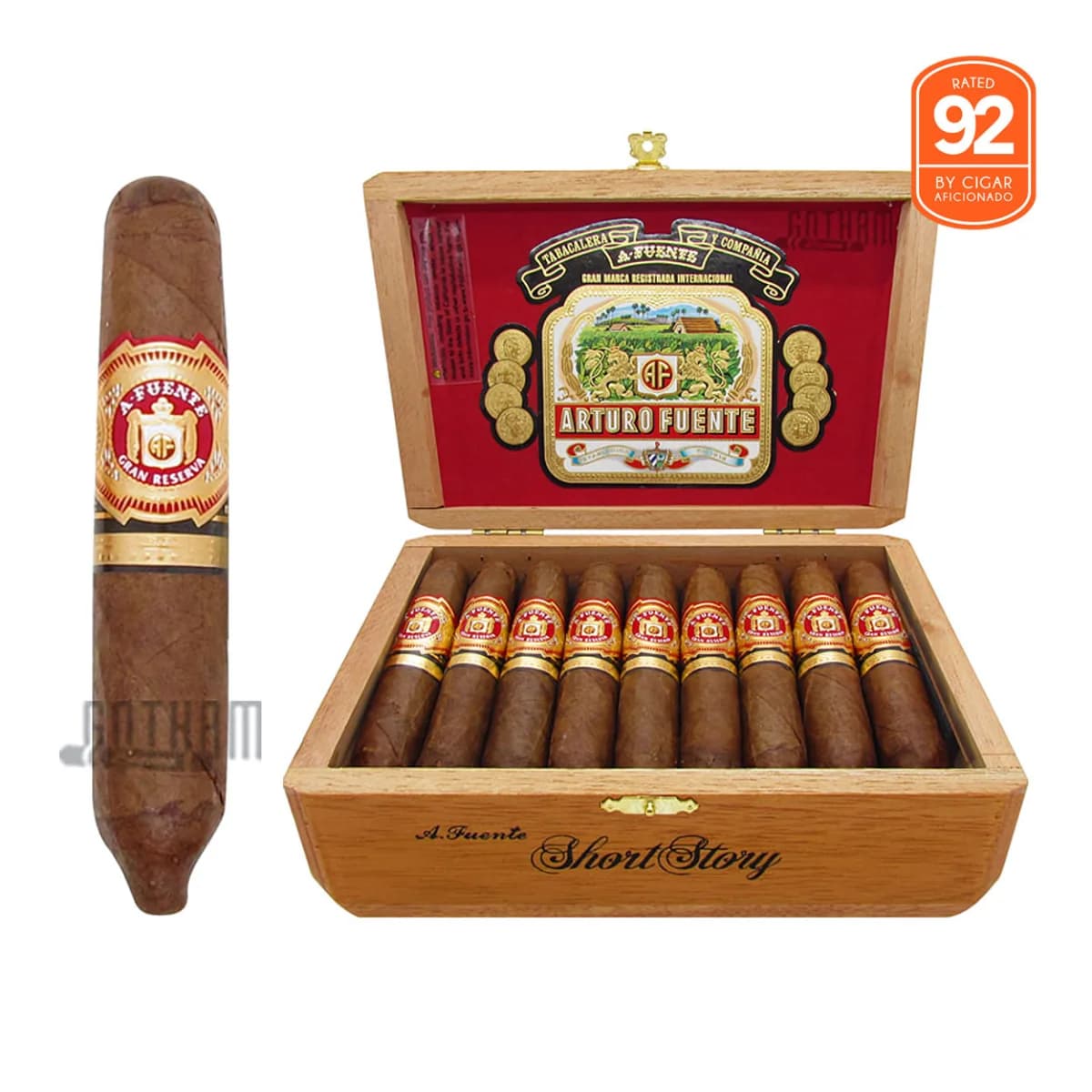
1. Arturo Fuente Hemingway Short Story
This little 4x49 perfecto is a masterclass in balance. It's wrapped in African Cameroon leaf (not Connecticut, but similarly mild), and delivers notes of cedar, cream, and a faint sweetness that reminds me of toasted almonds. The tapered shape gives you a concentrated draw that's forgiving if you're still figuring out how fast to puff.
Why it's perfect for beginners: the Short Story is short enough (35-40 minutes) that you won't get bored or overwhelmed, and Fuente's construction is legendary. It lights easily, burns straight, and never gets harsh. If you don't love your first cigar, it won't be this one's fault.
Pair it with: a light lager or a cup of coffee on a Sunday morning.
2. Perdomo Champagne 10th Anniversary
The name tells you everything—this is the cigar equivalent of sipping champagne in a linen suit. It's wrapped in Connecticut shade and aged for six years, which gives it an incredibly smooth, almost buttery flavor profile with hints of almonds and light pepper on the finish.
Why it's perfect for beginners: zero harshness, zero bitterness, zero chance of nicotine overload. It's the cigar I recommend to people who say they "don't really like cigars" but are willing to try again. The draw is effortless, and the smoke is so mild you could smoke it indoors and not offend anyone (not that you should).
Pair it with: a glass of white wine or a citrus-forward IPA.
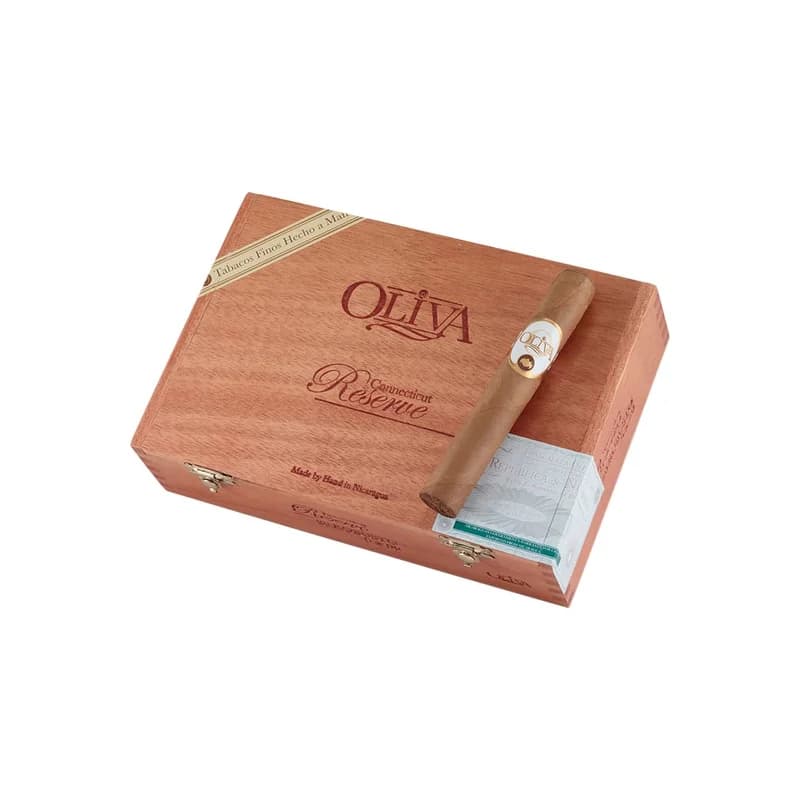
3. Oliva Connecticut Reserve
Oliva is a Nicaraguan powerhouse known for fuller-bodied blends, but their Connecticut Reserve is shockingly mild. It's creamy with notes of citrus and cashews, and the Ecuadorian Connecticut wrapper gives it a golden sheen that looks as smooth as it tastes. The robusto is a great starting size.
Why it's perfect for beginners: reliable construction from a brand that knows what they're doing, mild enough for your first smoke but complex enough that you won't get bored. It's also affordable—usually under ten dollars—so you can buy a few without feeling guilty.
Pair it with: iced tea or a light rum cocktail.
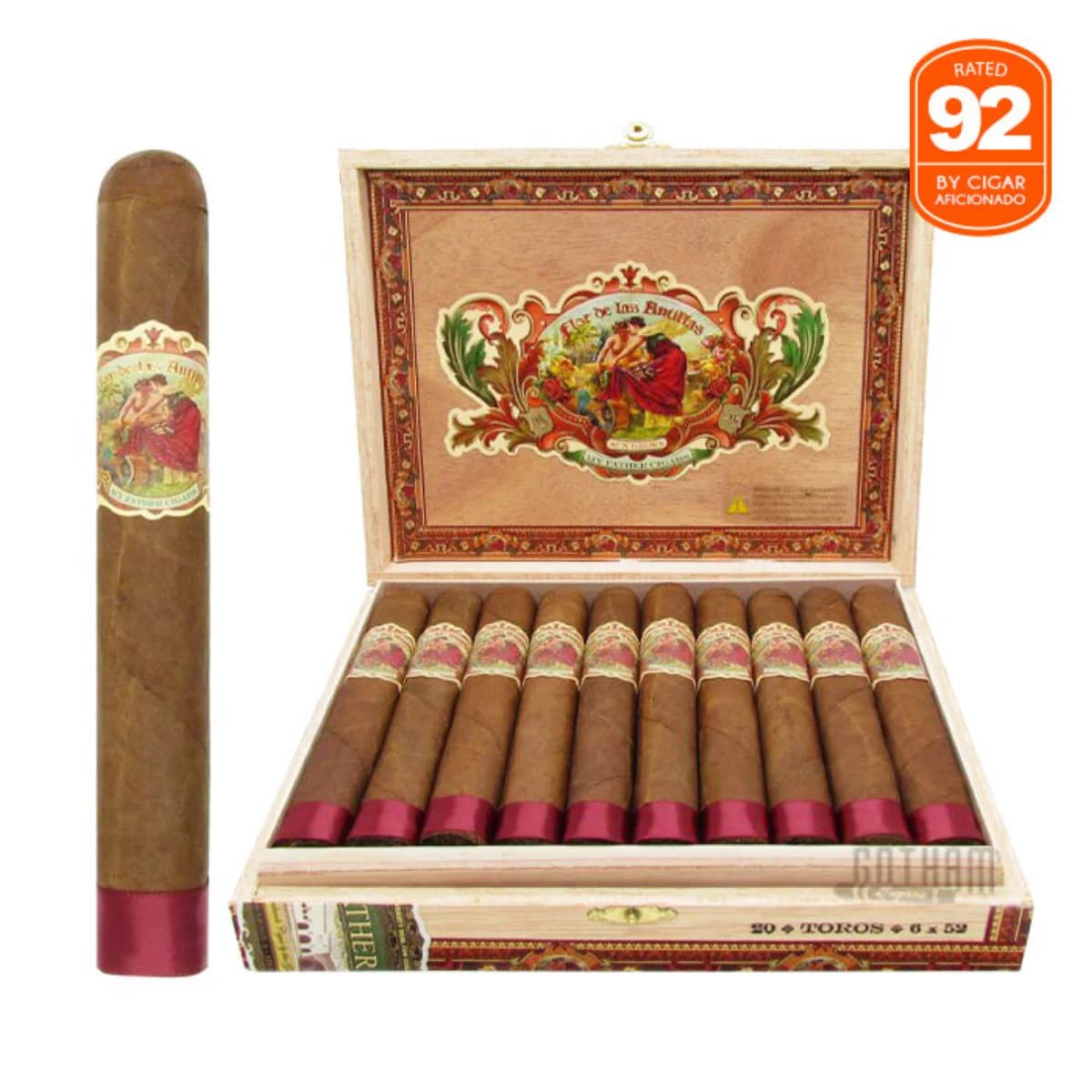
4. My Father Flor de las Antillas
This one's a step up in strength—it's technically medium-bodied—but it's sweeter and more approachable than most Nicaraguan cigars. The sun-grown Nicaraguan wrapper gives it notes of cocoa, cedar, and a floral sweetness that's almost perfume-like. It won Cigar Aficionado's Cigar of the Year in 2012 for good reason.
Why it's perfect for beginners: it's a bridge cigar. If you've smoked a few Connecticut shades and want to try something with more flavor, this is your gateway. It's complex without being overwhelming, and the construction is flawless. Just make sure you've eaten something first—don't smoke this on an empty stomach.
Pair it with: a bourbon on the rocks or a stout beer.
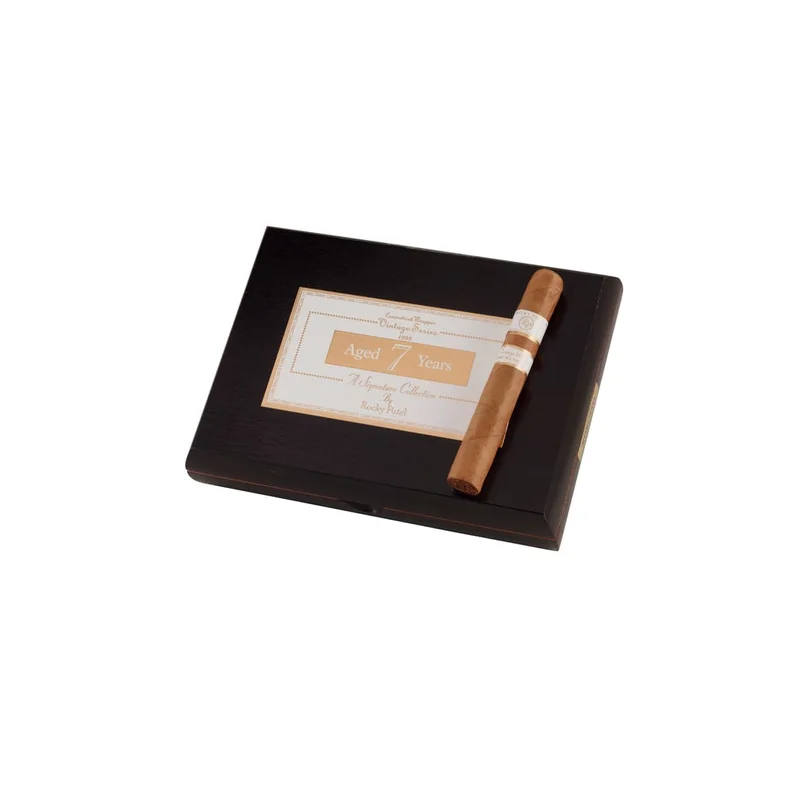
5. Rocky Patel Vintage 1999 Connecticut
Rocky Patel is one of the biggest names in cigars, and the Vintage 1999 Connecticut is their mildest offering. It's wrapped in eight-year-aged Connecticut shade and delivers classic mild cigar notes: cedar, toasted nuts, and a slight sweetness that lingers on the palate. The robusto is a safe bet.
Why it's perfect for beginners: consistent, reliable, and available everywhere. You can find this cigar in almost any shop in America, and it's priced affordably enough to experiment with different sizes. It's not the most exciting cigar on this list, but it's a rock-solid introduction to what a well-made mild cigar should taste like.
Pair it with: black coffee or a blonde ale.
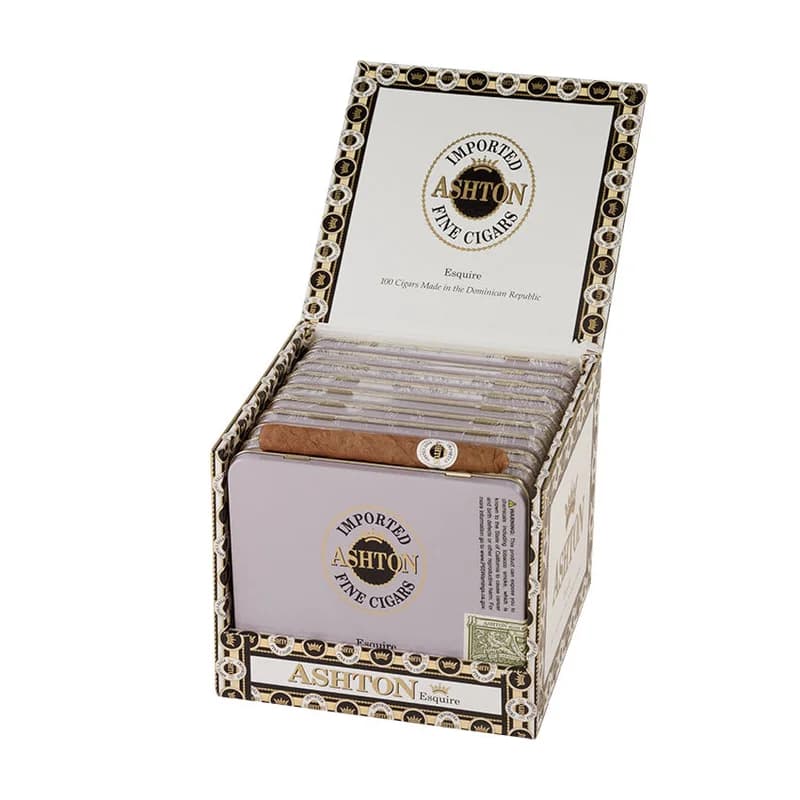
6. Ashton Classic
The Ashton Classic is the benchmark Connecticut shade cigar. It's what other mild cigars are measured against. Wrapped in Connecticut shade and filled with Dominican tobaccos, it delivers buttery smooth smoke with notes of cream, cedar, and a faint sweetness that never gets cloying. The corona is my favorite size.
Why it's perfect for beginners: this is what "mild" is supposed to taste like. It's not flavorless or boring—it's refined, balanced, and easy to smoke. If you want to understand why people love Connecticut shade cigars, start here. The construction is impeccable, and the draw is always effortless.
Pair it with: champagne, a cappuccino, or just fresh air.
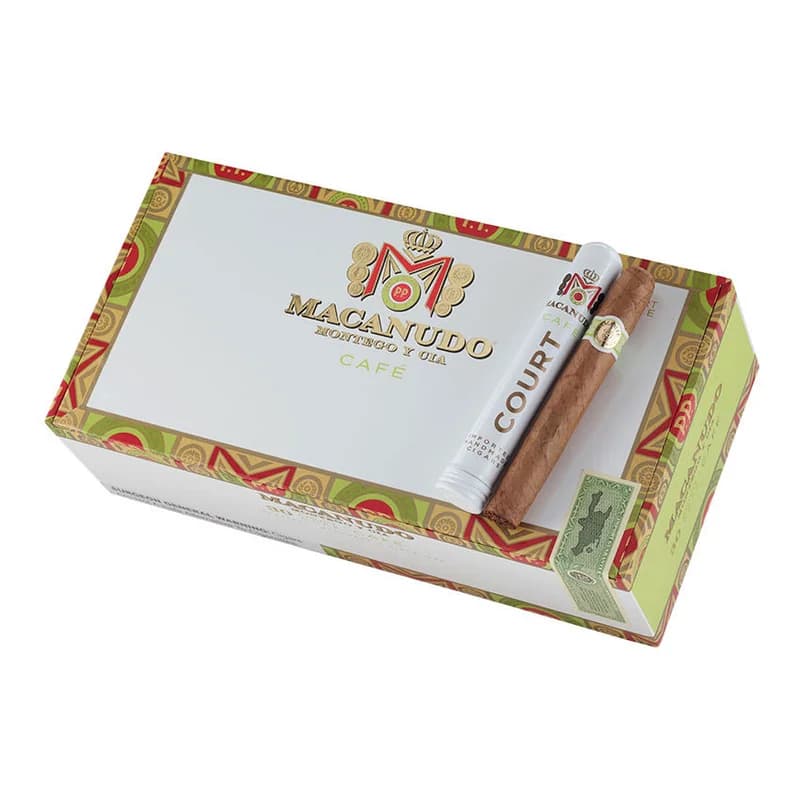
7. Macanudo Cafe
This is the cigar that got me into cigars. It's the most recommended starter cigar in the world, and for good reason: it's mild, approachable, and forgiving. The Connecticut shade wrapper is silky smooth, and the flavor profile is all cream and cedar with a hint of sweetness. It's the cigar equivalent of a well-made vanilla latte.
Why it's perfect for beginners: you cannot go wrong with this cigar. It's designed to be easy—easy to light, easy to smoke, easy to enjoy. Some cigar snobs will tell you it's "too mild" or "boring," but those people have forgotten what it's like to smoke their first cigar. The Macanudo Cafe is a perfect first smoke, and I'd smoke one again tomorrow without hesitation.
Pair it with: literally anything. Coffee, beer, bourbon, water. It's that versatile.
8. Padron 2000 Natural
Padron is legendary for their quality control—every cigar is made by hand, aged for a minimum of two and a half years, and inspected before it leaves the factory. The 2000 Natural is their most approachable offering: a Nicaraguan puro with a natural wrapper that delivers notes of cocoa, coffee, and earth. It's medium-bodied, but the sweetness keeps it from being overwhelming.
Why it's perfect for beginners: this is your introduction to Nicaraguan tobacco. It's stronger than a Connecticut shade, but it's balanced and smooth. The construction is so good that even if you have no idea what you're doing, this cigar will burn perfectly. It's also shaped like a stubby torpedo (5x50), which makes it easy to hold and smoke.
Pair it with: a strong coffee or a peaty Scotch if you're feeling adventurous.
9. Romeo y Julieta 1875
This Dominican classic has been around for decades, and it's still one of the best values in cigars. The 1875 is wrapped in Indonesian shade and delivers smooth, mellow smoke with notes of cedar, nuts, and a faint spice on the finish. It's mild enough for beginners but flavorful enough to keep things interesting.
Why it's perfect for beginners: it's affordable, it's everywhere, and it's consistent. You can buy a five-pack without breaking the bank, and you'll get five identical experiences. The construction is solid, the draw is easy, and the flavor is approachable. It's also a great cigar to share with friends—nobody's going to hate it.
Pair it with: a light beer or a rum and Coke.
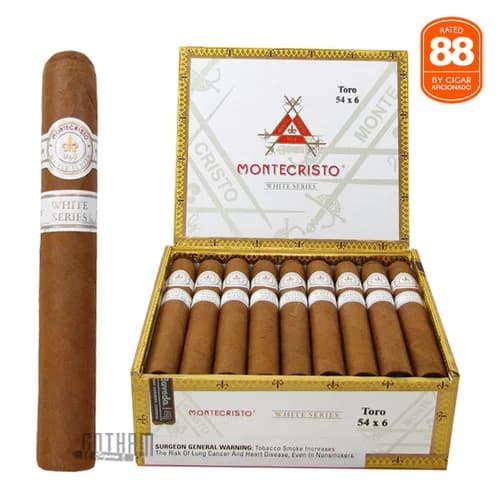
10. Montecristo White Series
The Montecristo White Series is the mild sibling of the classic Montecristo line. It's wrapped in Connecticut shade and delivers creamy, floral smoke with hints of almonds and white pepper. The robusto is a great starting size, and the flavor profile is complex enough to keep experienced smokers interested.
Why it's perfect for beginners: this is what a premium cigar tastes like without the premium strength. It's smooth, balanced, and refined, and the Montecristo name carries weight. If you want to impress someone with your first cigar purchase, this is a safe bet. Just don't confuse it with the Montecristo Classic Series—that one's stronger.
Pair it with: a gin and tonic or a glass of prosecco.
Cigars to Avoid as a Beginner
Now that we've covered what to smoke, let's talk about what not to smoke when you're starting out. These aren't bad cigars—they're just not beginner-friendly.
Liga Privada No. 9 is one of the most popular cigars in America, and it's absolutely not for beginners. It's full-bodied, intense, and loaded with nicotine. Smoke this on an empty stomach and you'll be sitting on the curb wondering if you need to call someone. Save it for after you've built up a tolerance.
Anything labeled "double ligero" is a no-go. Ligero is the top leaf of the tobacco plant, where the sun hits hardest and the nicotine content is highest. Double ligero means they've packed the filler with twice as much of this stuff. It's rocket fuel. You'll know if a cigar is double ligero because the band will usually brag about it.
Full-bodied Nicaraguan puros like the Padron 1926 or the Oliva Serie V are phenomenal cigars, but they're too strong for most beginners. If you see "Nicaraguan" on the label and the wrapper looks dark and oily, save it for later. Work your way up to these—they're worth the wait.
Novelty cigars with flavored tips or infused wrappers (vanilla, cherry, whiskey) might seem like an easy entry point, but they're not real cigars. They're fine if you want something sweet to smoke on a patio, but they won't teach you what tobacco actually tastes like. Skip them.
How to Buy Your First Cigar
You've got two options: local brick-and-mortar shops or online retailers. Both have their advantages.
Local cigar shops are ideal for beginners because you can ask questions, handle the cigars, and often smoke in their lounge. A good tobacconist will ask what you like (mild, strong, sweet, earthy) and steer you toward something appropriate. They'll also cut and light your cigar for you if you're nervous. The downside is that selection can be limited, and prices are usually higher than online.
Online retailers like Famous Smoke Shop, JR Cigars, and Cigars International offer massive selection and lower prices, but you're buying blind. If you know exactly what you want—say, a five-pack of Macanudo Cafe—online is the way to go. Just make sure the site has a good return policy in case you get a bad batch.
Singles vs. boxes: always buy singles or five-packs when you're starting out. A box of twenty-five cigars is a commitment, and you don't know if you'll like them yet. Buy one of each cigar on this list, smoke them over a few weeks, and then invest in a box of your favorite. Most shops will let you mix and match singles.
One more tip: don't store cigars in your fridge or in a plastic bag. If you're not ready to invest in a humidor yet, just keep them in the cedar box or cellophane they came in and smoke them within a week or two. They'll be fine.
Quick Start Guide: How to Smoke Your First Cigar
If you've never smoked a cigar before, here's the five-step process in plain English:
- Cut the cap. The cap is the rounded end you put in your mouth. Use a straight cutter or a punch cutter to remove it—don't bite it off unless you want to look like a cartoon character. Cut just enough to open the draw, not the entire cap.
- Toast the foot. The foot is the open end you light. Hold the flame (use a butane lighter or cedar spill, not a Zippo) about an inch away and rotate the cigar slowly until the edges start to glow. This is called toasting, and it ensures an even burn.
- Light it. Once the foot is toasted, put the cigar in your mouth and take slow, gentle puffs while holding the flame to the foot. Don't inhale—just draw the smoke into your mouth and blow it out. The cigar should light evenly.
- Puff slowly. Cigars are meant to be sipped, not smoked like cigarettes. Take a puff every 30-60 seconds. If you puff too fast, the cigar will get hot and bitter. If you wait too long, it'll go out. Find your rhythm.
- Enjoy. You don't need to ash constantly—cigars can hold a long ash. Just relax, taste the smoke, and pay attention to how the flavors change as you smoke. When you're done, just set it down. Cigars go out on their own.
For a more detailed walkthrough, check out our full guide on how to smoke a cigar.
Where to Go From Here
If you've made it through a few cigars on this list and you're hooked, congratulations—you're a cigar smoker now. The next step is to explore different strengths, wrappers, and regions. Try a Maduro-wrapped cigar for something richer. Try a Cameroon wrapper for something spicy. Try a Honduran or Dominican blend to see how different terroirs affect flavor.
And don't be afraid to experiment. The ten cigars on this list are a foundation, not a limit. Some of my favorite cigars are ones I picked up on a whim because the band looked cool or the tobacconist recommended them. That's the beauty of cigars—there's always something new to try.
If you're looking for more recommendations, check out our top 10 cigars of all time list, or browse our cigar reviews and guides. And if you're a bourbon drinker, don't miss our guide to cigars that pair perfectly with bourbon.
Welcome to the club. You're going to love it here.