Line up three glasses of tequila from the same distillery—a blanco, a reposado, and an añejo—and watch what happens as people taste them in order. The blanco is bright, peppery, alive with raw agave. By the añejo, they're squinting like it's a whiskey: caramel, vanilla, oak. Same agave, same distillery, three completely different drinks. The only variable is time in a barrel—and understanding that one spectrum tells you almost everything you need to buy tequila with confidence.
It's all about barrel time
Every 100% agave tequila starts life the same way: agave is roasted, fermented, distilled, and—crucially—comes off the still colourless. What happens next, how long it rests in oak, creates the categories. That's the whole story. (There's a fourth tier, extra añejo, for the truly patient.)
Blanco (a.k.a. silver / plata): unaged and honest
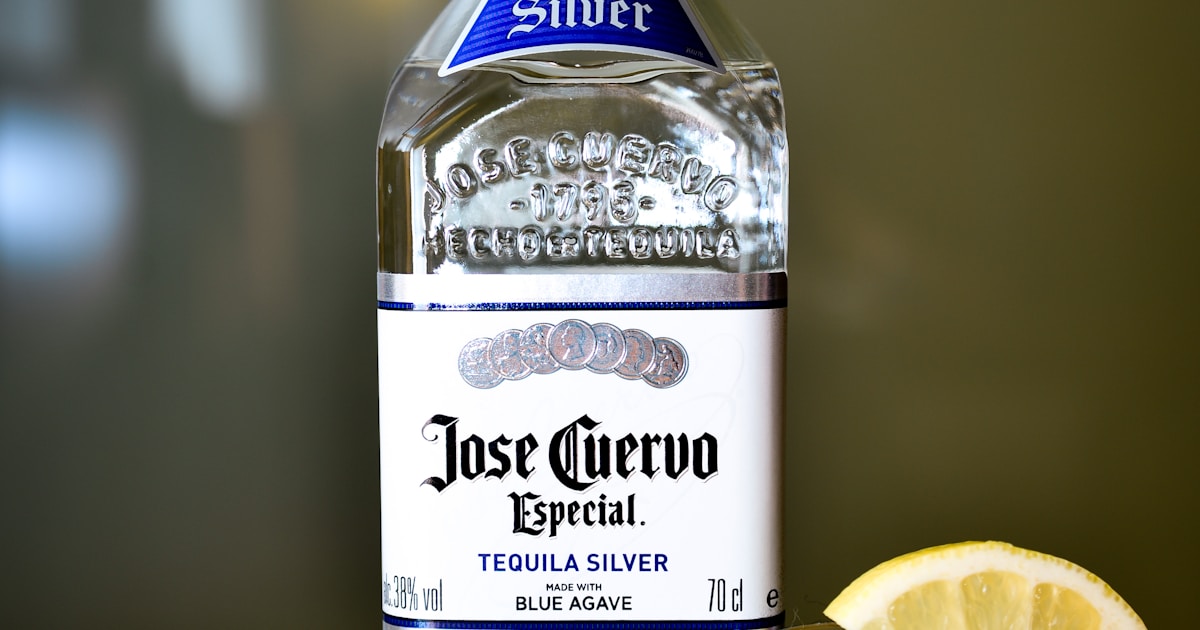
Blanco is bottled straight after distillation, or rested only briefly in steel—so it's the purest taste of the agave and the distillery's craft. Expect cooked agave, citrus, white pepper, and a clean mineral snap. Because there's no barrel to hide behind, blanco is where serious drinkers judge a brand, and it's the tequila we reach for most: Fortaleza, Tapatío, G4. It's also the right base for a great margarita.
Reposado (“rested”): the smooth middle ground
Reposado rests in oak from two months to just under a year. That short nap rounds off the agave's sharp edges and adds a whisper of vanilla, caramel, and spice—without burying the agave underneath it. It's the most versatile category: smooth enough to sip, characterful enough to hold up in a cocktail. If someone finds blanco too intense, reposado is the bridge.
Añejo (“aged”): the whiskey-lover's tequila
Añejo spends one to three years in oak (extra añejo, three years and up). Now the barrel takes over: caramel, vanilla, dried fruit, cinnamon, and a soft, warming finish that feels familiar to any bourbon or Scotch drinker. The trade-off is that the bright agave character fades into the background. Añejo is a sipping spirit—a fireside pour, not a margarita.
One rule that matters more than age: additive-free
Here's the catch nobody prints on the front label. Mexican regulations allow up to 1% of undisclosed additives—glycerin, caramel colour, oak extract, sweeteners—even in tequila labeled ‘100% agave.’ Cheaper reposados and añejos especially use them to fake the smoothness and colour that real barrel-ageing provides. The fix is simple: buy additive-free. Every bottle we recommend is, and once you taste the difference, the fake ‘smooth’ stuff is hard to un-taste.
Our take: if you're buying one bottle to actually understand tequila, make it a great additive-free blanco. It's the truest expression of the spirit, the most versatile, and—pound for pound—where the best values hide. Reach for reposado when you want something smoother to sip, and añejo when you're in the mood to treat tequila like a whiskey. But start at the source.
Frequently Asked Questions
What is the difference between blanco, reposado, and añejo tequila?
The difference is time in oak. Blanco is unaged (bottled clear, straight after distillation). Reposado is 'rested' in oak from two months to under a year. Añejo is 'aged' one to three years, and extra añejo is aged over three years. More barrel time means more caramel and vanilla, and less raw agave character.
Which tequila is best for margaritas?
A good additive-free blanco is the classic margarita choice—its bright, citrusy agave character cuts through lime and sweetener. A reposado also works well and adds a rounder, slightly oaky depth. Save añejo for sipping; its oak gets lost in a cocktail.
Is añejo tequila better than blanco?
No—they're different, not better or worse. Añejo is smoother and oakier, which whiskey drinkers often love; blanco is brighter and shows the pure agave, which is why many serious tequila fans prefer it. The best blancos are also frequently the best values.
What does additive-free tequila mean?
Mexican rules allow up to 1% of undisclosed additives—glycerin, caramel colour, oak extract, sweeteners—even in '100% agave' tequila. Additive-free brands use nothing but agave, water, and yeast, so what you taste is the real spirit rather than manufactured smoothness.