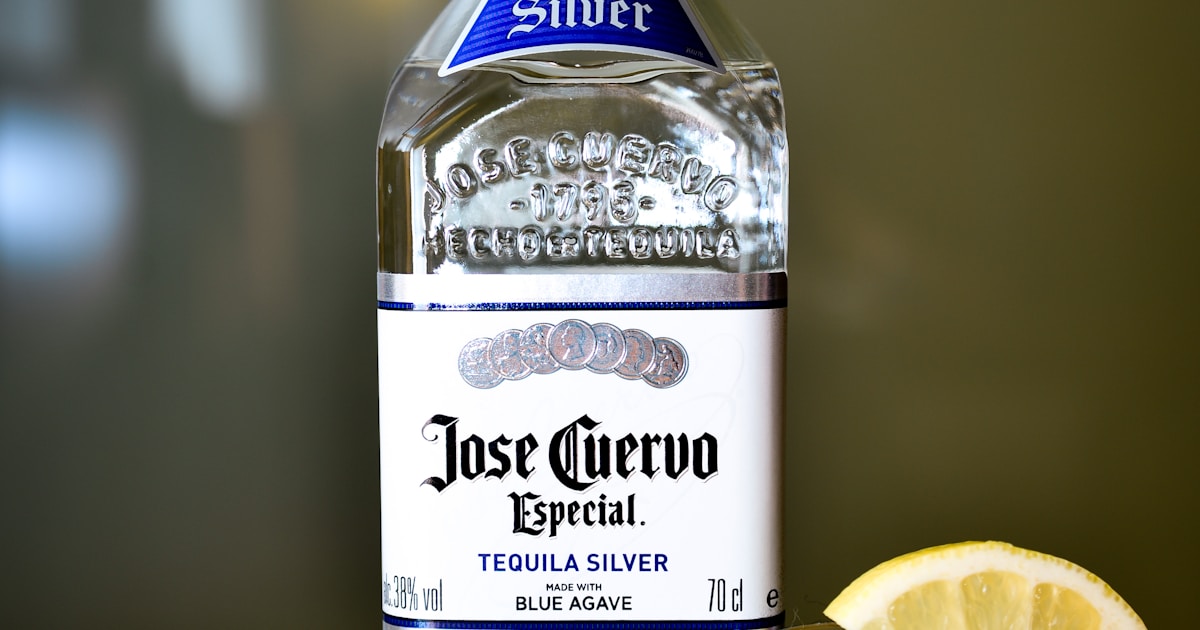
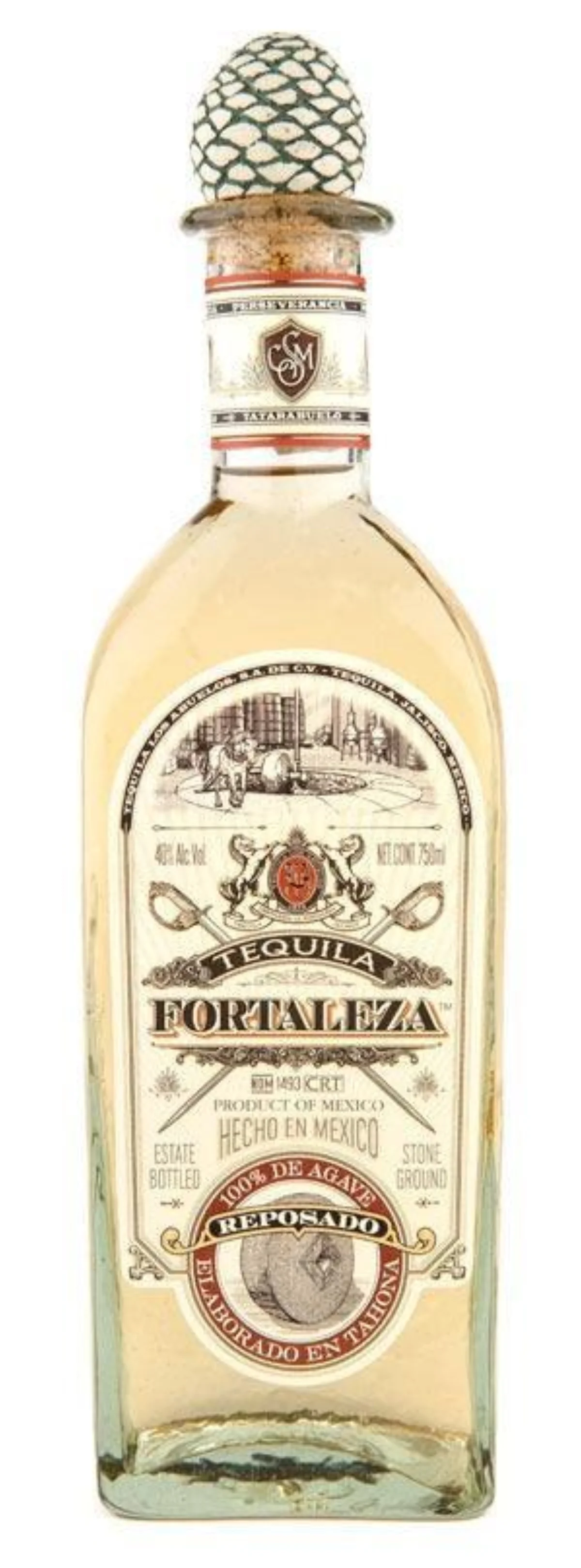
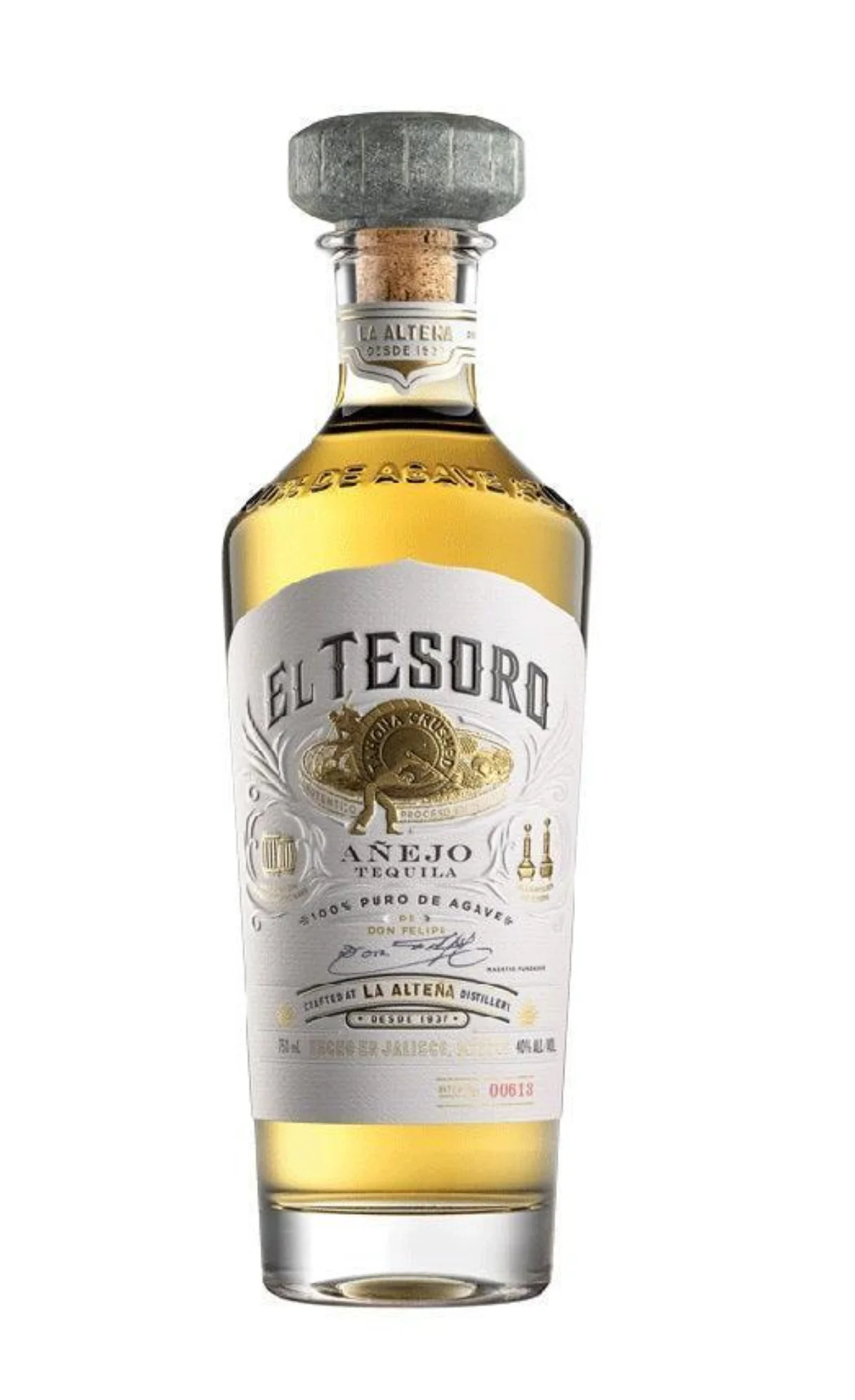
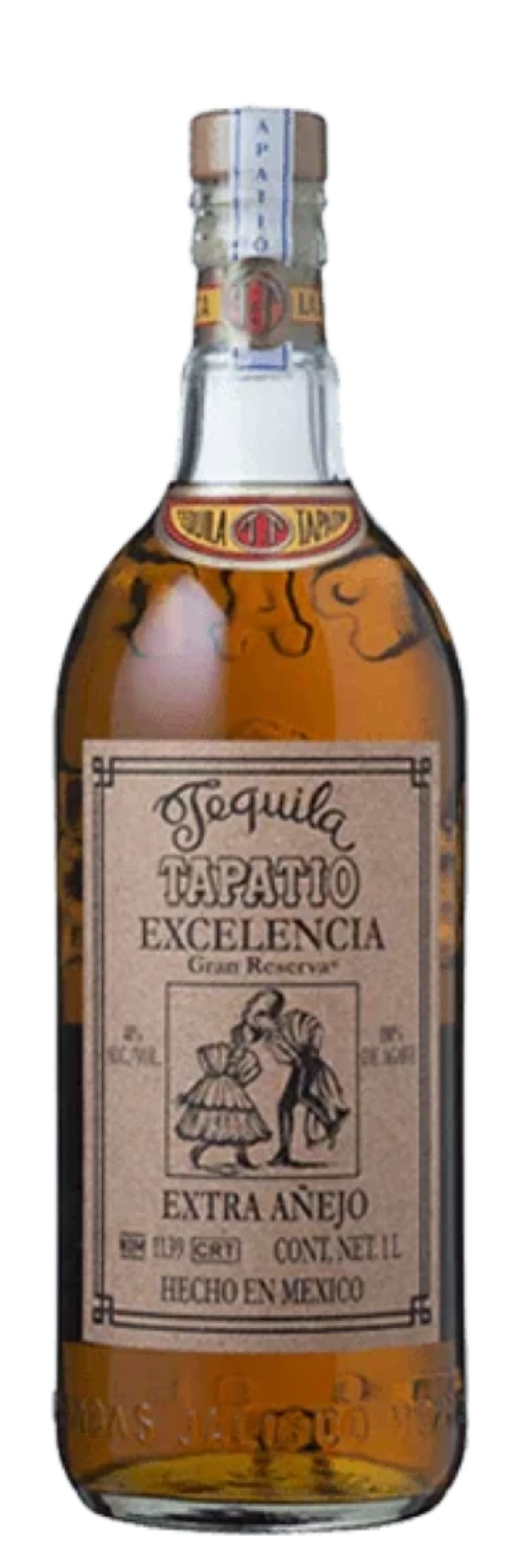
Tequila got weird for a while. Celebrities kept launching brands with splashy marketing campaigns, pastel bottles, and liquid that tasted like vanilla extract stirred into grain alcohol. The agave supply tightened. Prices climbed. Additive-laden bottles dressed in borrowed prestige crowded shelves while the actual craftspeople -- families who'd been distilling for three, four, five generations in Jalisco -- watched from across a growing cultural divide.
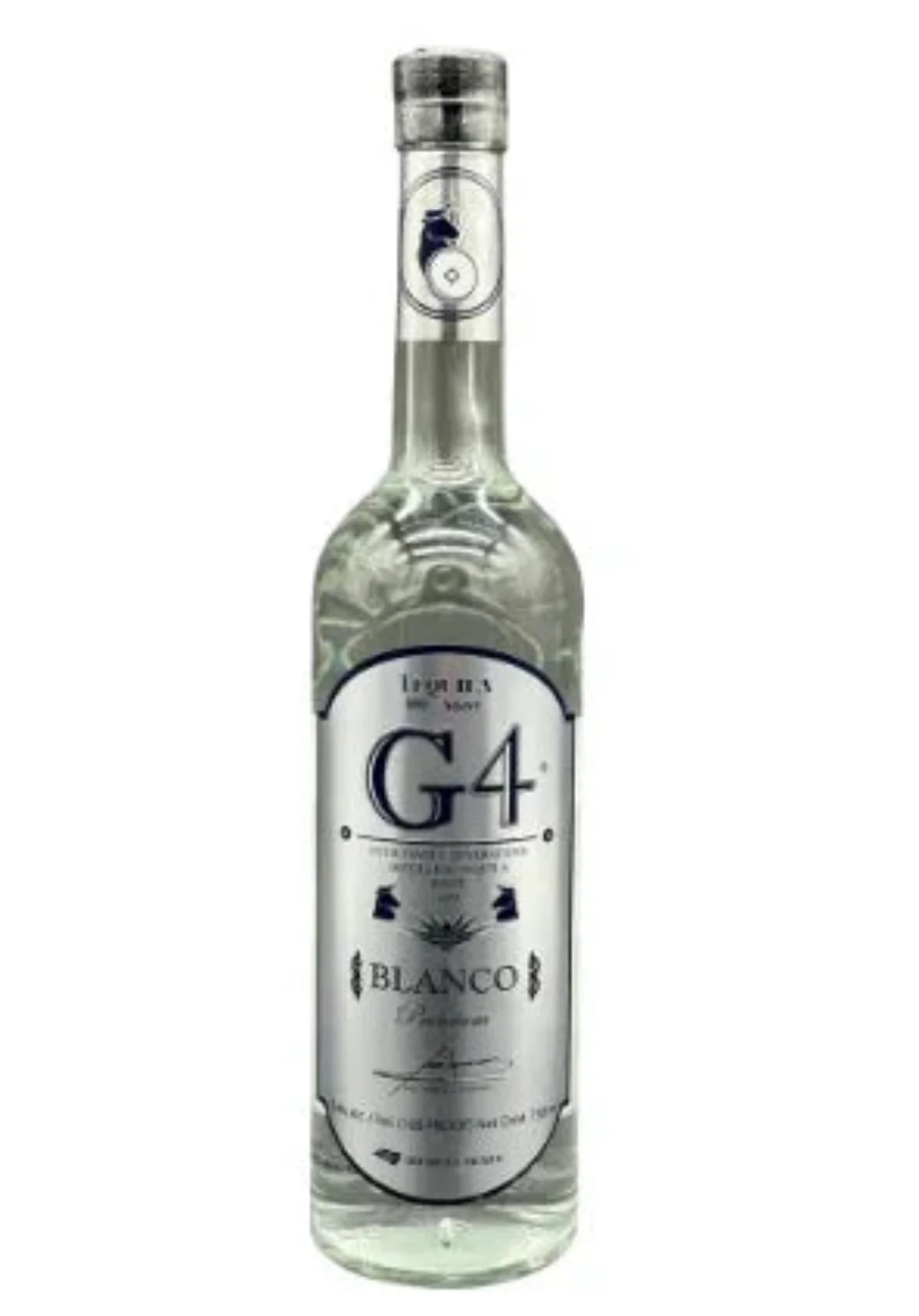
📍 New comparable: Fósforo Blanco just scored 92/100 in our latest blind tasting of the $40 Highland blanco tier — outscoring LALO and G4 at a lower price. Read the full Fósforo Blanco review →
Then something shifted. Consumers started asking questions. What's a diffuser? Why does this blanco taste like birthday cake? What does that four-digit NOM number actually mean? The additive-free movement gained real traction. Tequila Matchmaker's database became a buying tool, not just an enthusiast hobby. And the traditional distilleries -- the ones with tahona stones and brick ovens and maestros tequileros who've been doing this work since before Instagram existed -- found a new, growing audience that cared about process.
We tasted 78 additive-free tequilas over six weeks in early 2026. Blancos, reposados, anejos, extra anejos -- poured blind, scored independently by three tasters, then debated into a final ranking. The goal was simple: find the ten bottles that deliver the most flavor, integrity, and value at a time when the tequila market is simultaneously better and worse than it's ever been.
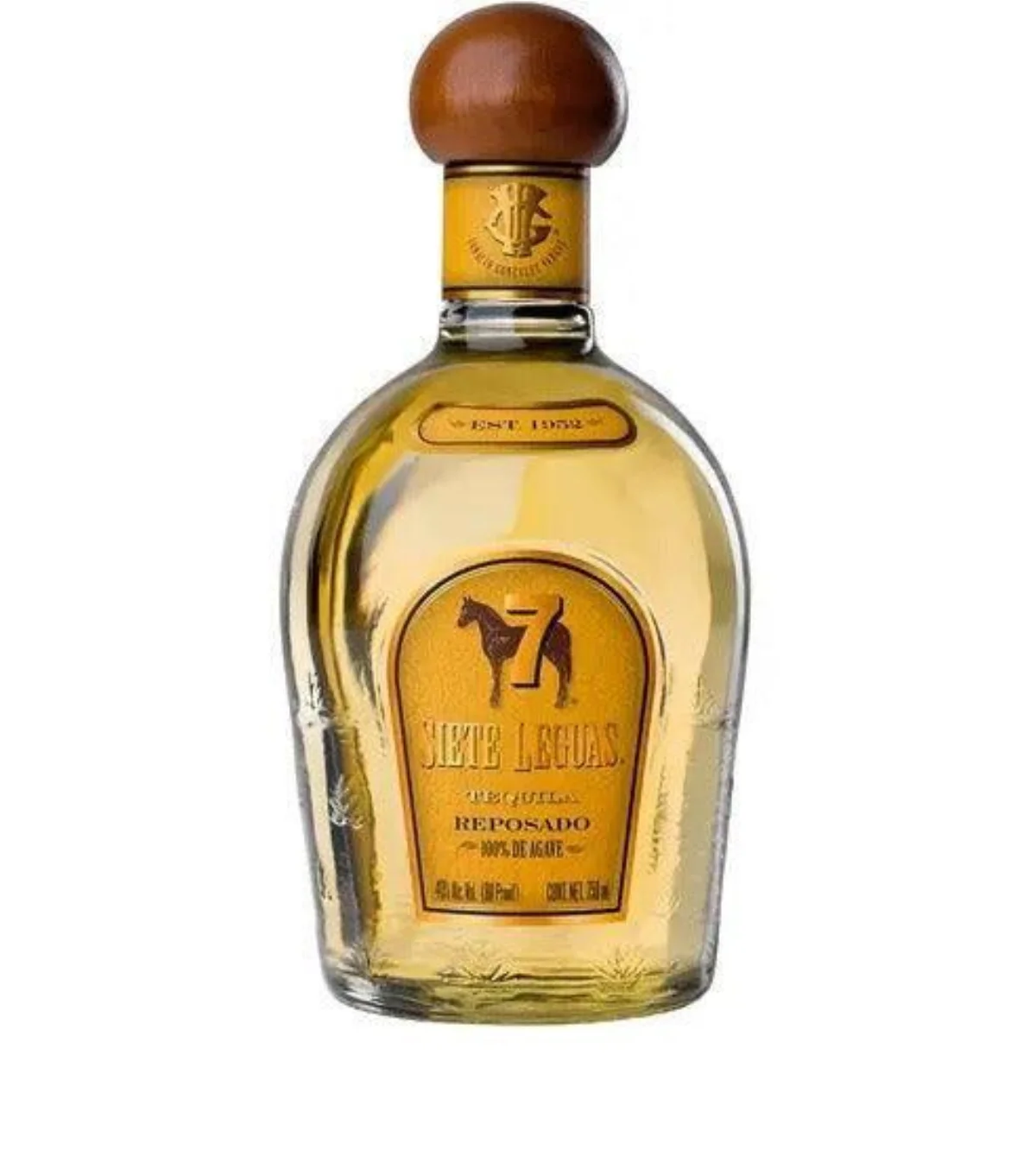
A few things surprised us. A reposado took the top spot, which it earned by demonstrating what patient oak integration does when the base spirit is already exceptional. NOM 1579 -- Felipe Camarena's highland distillery -- produced three of our top ten across three different brands, confirming what insiders already knew: this is the most reliable operation in Jalisco right now. And the price range of our winners landed between $35 and $65 for eight of the ten bottles, while many celebrity tequilas we tested (and rejected) sat north of $80.
Production method emerged as the strongest predictor of quality. Tahona-crushed tequilas averaged 4.2 points higher than roller-mill-only expressions in our blind scoring. Brick-oven-cooked agave consistently outperformed autoclave-cooked. Open-air fermentation with agave fibers produced more complex spirits than sealed stainless-steel tanks. None of this is controversial among producers -- they know the old methods yield better liquid. The controversy is that most of the industry abandoned those methods decades ago in favor of speed and volume.
What follows is our definitive ranking of the ten best tequilas available in 2026. Every bottle is verified additive-free. Every distillery is transparent about its production. Every price is fair relative to what's in the glass. We skipped the celebrity bottles, the ceramic vanity decanters, and the influencer-approved party pours. What remains is tequila as it should be: cooked agave, water, yeast, time, and craft. Nothing else.
How to choose from this tequila ranking
This list is here to change how you think about tequila—from something you shoot to something you sip. To pick your bottle:
Additive-free first. The single best filter in tequila: brands that use nothing but agave, water, and yeast (no glycerin, colour, or sweeteners). Every serious bottle here qualifies, and once you taste real agave, the doctored stuff is hard to go back to.
Pick your aging. Blanco is unaged and bright (the purest agave, and a great margarita base); reposado is rested and smooth; añejo is oak-aged and whiskey-like. Decide whether you want vibrant agave or barrel richness—our blanco vs. reposado vs. añejo guide breaks it down.
Highland or Valley? Highland agave leans sweet and floral; Valley/lowland leans earthy and mineral. Both are represented here—find your side.
How to drink great tequila
Sip it at room temperature in a copita or Glencairn, the way you would a fine whisky—chilling mutes the agave. Give it a moment to open, and let the pepper, citrus, and minerality unfold. Save the salt, lime, and freezer for the cheap stuff; these bottles have earned a proper glass.
We conducted blind tastings over six weeks in January and February 2026. Each tequila was poured into identical Riedel tequila glasses, labeled only with a number. Three tasters scored independently on a 100-point scale across five weighted criteria: Aroma (20%), Palate (30%), Finish (20%), Value (15%), and Complexity (15%). Scores were averaged, and any bottle with more than a 6-point spread between tasters triggered a second round of blind evaluation.
All tequilas were tasted at room temperature, neat, with filtered water available between pours. We limited sessions to eight expressions per sitting to prevent palate fatigue. Blancos were tasted in one flight, reposados in another, and aged expressions in a third -- we never compared a blanco directly against an anejo in the same round.
After scoring, we researched each finalist's production chain: cooking method (autoclave vs. brick oven vs. steam), crushing (diffuser vs. roller mill vs. tahona), fermentation (open-air vs. sealed, with or without fibers), and distillation setup. This production context informed final rankings when scores were within two points of each other. We also factored in retail price relative to quality, because a 92-point tequila at $42 serves our readers better than a 93-point bottle at $130.
Rating Criteria
Aroma20%
Complexity and clarity of nose. We evaluate for cooked agave presence, balance of secondary notes (citrus, earth, spice, floral), and absence of off-putting chemical or solvent aromas that indicate production shortcuts.
Palate30%
Flavor depth, balance, and texture on the palate. The highest-weighted criterion because this is where tequila lives or dies. We assess agave intensity, sweetness integration, spice balance, mouthfeel (thin vs. oily vs. creamy), and overall harmony of flavors.
Finish20%
Length, evolution, and pleasantness of the aftertaste. Great tequila leaves a clean, evolving finish that invites the next sip. We penalize harsh alcohol burn, bitter astringency, or abrupt dropoff that suggests thin distillate.
Value15%
Quality delivered relative to retail price. A $40 bottle scoring 93 points earns full marks here. A $150 bottle scoring 93 points does not. We benchmark against the full competitive landscape at each price tier.
Complexity15%
Layered character that rewards attention. Does the tequila reveal new dimensions across multiple sips? Does it evolve as it opens in the glass? Single-note tequilas -- even pleasant ones -- score lower than spirits that tell a story from first sniff to final linger.
Every tequila on this list met three non-negotiable requirements before we even opened the bottle. First, it had to be confirmed additive-free. We cross-referenced Tequila Matchmaker's additive-free database and, when a brand wasn't listed, contacted the distillery directly for a written statement on their production practices. If we couldn't verify, it didn't make the cut -- which eliminated roughly 40% of our initial pool.
Second, production transparency. We required a known NOM, a verifiable distillery location, and published information about cooking method, crushing method, and distillation equipment. Brands that obscure their sourcing or production -- even popular ones -- got dropped.
Third, consistent availability. A stunning single-barrel release that only 200 people can buy doesn't help our readers. Every bottle here can be found at well-stocked liquor stores or ordered online in most U.S. states. We checked availability across five major retailers before finalizing the list.
Within those guardrails, we blind-tasted the remaining 78 expressions across six sessions, scored them independently, and debated our way to this final ten. Production method, value proposition, and versatility (neat vs. cocktails) all factored into final placement.