Best Aged Tequila (2026): 8 Reposado, Añejo & Extra Añejo Bottles Ranked
Rested in oak, meant to be sipped neat—aged tequila is where agave drinks like fine whisky. Here are the 8 best reposado, añejo, and extra añejo bottles we've tasted, ranked, with honest calls on which famous names you're overpaying for.
By Bourbon Baron
August 13, 2026
Updated August 13, 2026
9 min read
Read us first
Make BoozeMakers your preferred source for booze reviews on Google
One tap puts our reviews above the sponsored noise in your Search and AI Overviews. Five seconds, no signup.
Somewhere between the shot glass and the snifter, tequila grew up. Rest good agave spirit in oak for a few months—or a few years—and it stops being party fuel and starts drinking like a fine whisky or brandy: caramel, vanilla, spice, and cooked agave, meant to be sipped slowly and neat. That's the world of aged tequila: reposado (rested), añejo (aged), and extra añejo (ultra-aged).
The catch: it's also the corner of tequila where the most money gets spent on the least honest bottles. We've reviewed and researched dozens of tequilas, and ranked the eight aged expressions that genuinely deliver—plus flagged the famous ones you're mostly paying a status premium for. After the ranking you'll find a buying guide on the age categories, the additive question, and how to actually sip the stuff.
How to choose an aged tequila
Know the three ages. Reposado rests 2–12 months in oak—bright agave with a light layer of vanilla and spice. Añejo ages 1–3 years—richer, oakier, smoother. Extra añejo ages 3+ years—deepest and most whisky-like. More age isn't automatically better; it's a matter of how much oak you want over the agave.
Insist on additive-free. This is the single most important thing to understand about aged tequila. Regulations allow up to 1% undisclosed additives—glycerin, sugar syrup, oak extract, caramel color—to make a spirit taste artificially ‘smooth’ and sweet. Traditional producers use none. Every top pick on this list is additive-free, and once you taste real aged agave, the sweetened stuff is hard to un-notice.
Look for tradition, not celebrity. Tahona-crushed agave, estate-grown plants, family distilleries—these are the markers of tequila made for flavour. A famous name, a heavy designer bottle, and a nightclub reputation are markers of tequila priced for status. The two rarely overlap.
How to serve it
Sip aged tequila neat, at room temperature, in a copita or a small tulip glass—never as a shot, and please hold the lime and salt (those exist to mask cheap mixto, not to accompany good agave). Give it a minute to open up and treat it exactly as you'd treat a good whisky. A great extra añejo can hold its own after dinner against any brandy on the shelf.
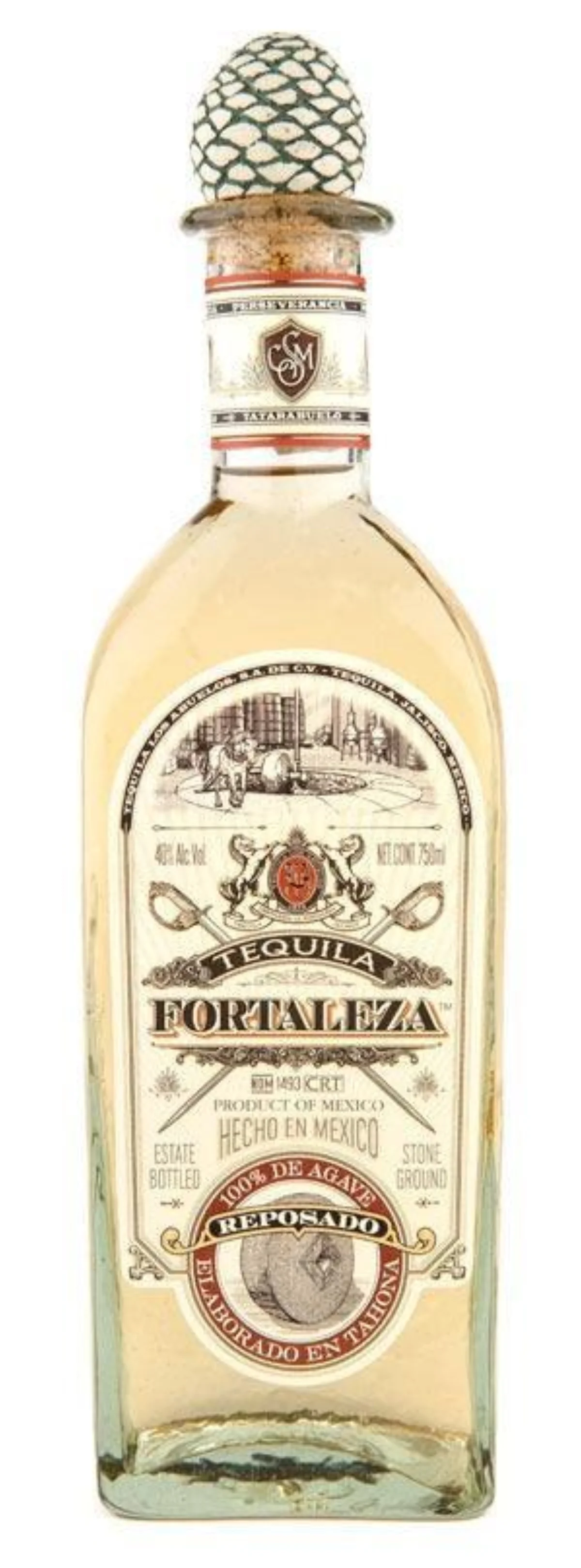
If you only try one aged tequila, make it this. Fortaleza is made the old way at the historic Sauza family estate in Tequila—stone tahona-crushed agave, open-air fermentation, copper pot stills—and the Reposado rests just long enough in American oak to gain depth without burying the agave. The nose is cooked agave, caramel, olive brine, and citrus; the palate is rich and buttery, with vanilla, black pepper, cinnamon, and that unmistakable savoury Fortaleza character, finishing long and warm. It's proof that reposado should amplify agave, not mask it. Additive-free, traditionally made, and beloved by tequila obsessives for good reason—this is the benchmark every other reposado gets measured against.
TypeReposado
MethodTahona + roller
RegionLos Bajos (Tequila)
Additive-FreeYes
Tahona-crushed, additive-free, gloriously savoury
The reposado benchmark for a reason
Agave-forward with just the right touch of oak
Allocated and can be hard to find
Savoury/briny style isn't for sweet-tooth drinkers
Best For: The one aged tequila every enthusiast should taste
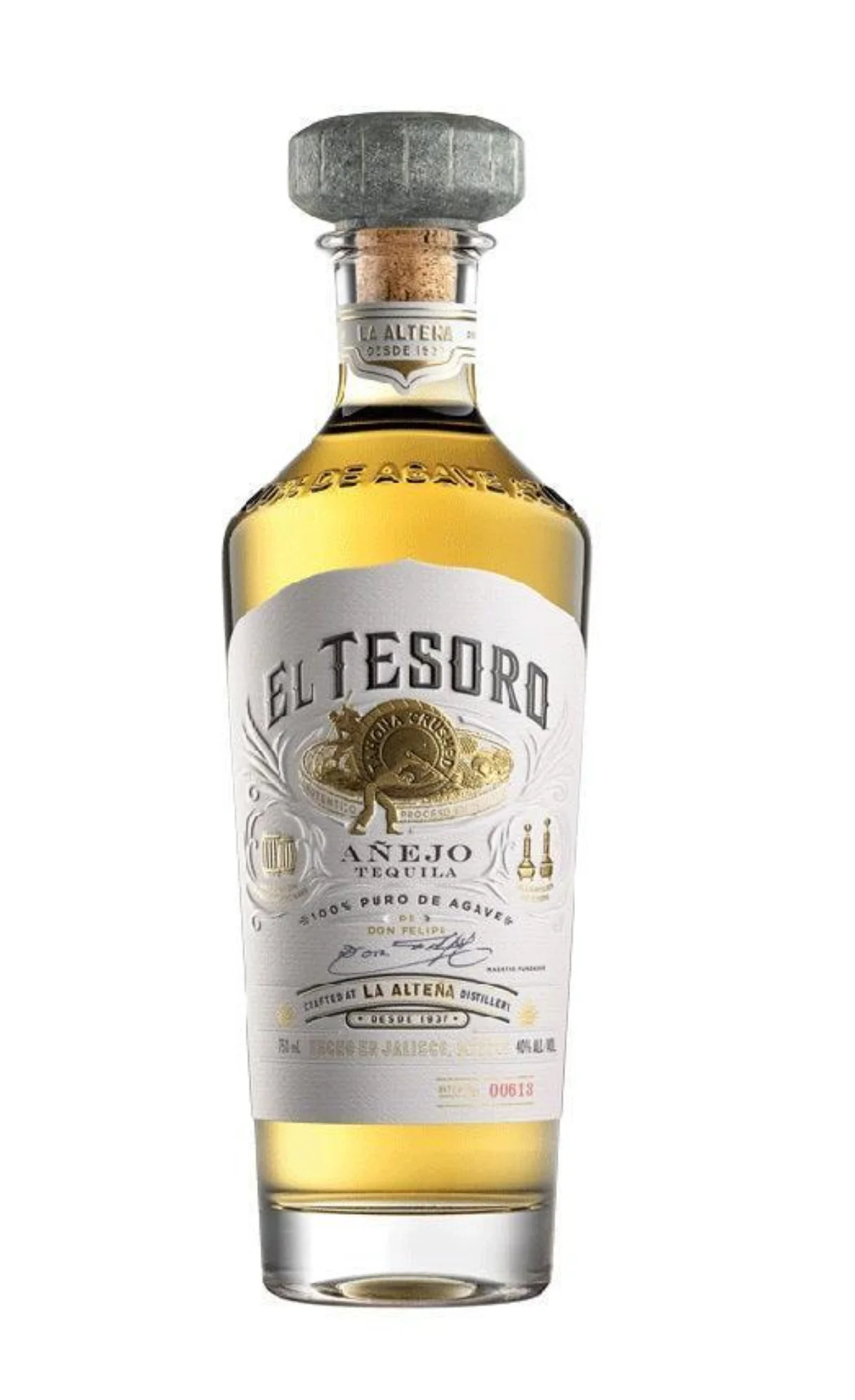
A masterclass in what añejo can be when the base tequila is exceptional. El Tesoro still crushes its estate Highland agave with a tahona and distills to proof (no water added), which gives its añejo remarkable concentration. After a year-plus in ex-bourbon barrels, the nose offers cooked agave, caramel, vanilla, and baking spice, and the palate is silky and layered—honey, oak, dark fruit, and pepper—without ever losing the bright agave core underneath. It drinks far more refined than its price suggests. Additive-free and made with genuine craft, it's the añejo we reach for when we want oak-driven richness that still tastes unmistakably of agave.
TypeAñejo
MethodTahona, distilled to proof
RegionLos Altos (Highlands)
Additive-FreeYes
Distilled to proof for real concentration
Silky, layered, and still agave-forward
Additive-free craft at a fair price
Oakier style than the reposados
Highland fruitiness won't suit valley-agave fans
Best For: Oak-driven richness that still tastes of agave
Germán González's obsessive creation, and one of the most distinctive tequilas made. This extra añejo is aged five years in a mix of scotch, sherry, and brandy casks, and it drinks like a great single malt that never forgot it was tequila. The nose is enormous—dried fruit, sherry, caramel, roasted agave, and a mineral, almost briny edge—and the palate is deep, complex, and endlessly evolving, with chocolate, spice, and cooked agave over an extraordinarily long finish. It's a sipping tequila for whisky lovers, and a genuine special-occasion bottle. Expensive, yes, but the complexity here justifies it in a way many hyped tequilas can't.
TypeExtra Añejo
Aging~5 years, multi-cask
RegionLos Altos
Additive-FreeYes
Extraordinary complexity from scotch/sherry/brandy casks
Drinks like a great single malt
Genuinely earns its premium price
Expensive (but honestly so)
Big, wine-cask style is polarising
Best For: Whisky lovers who want a special-occasion sipper
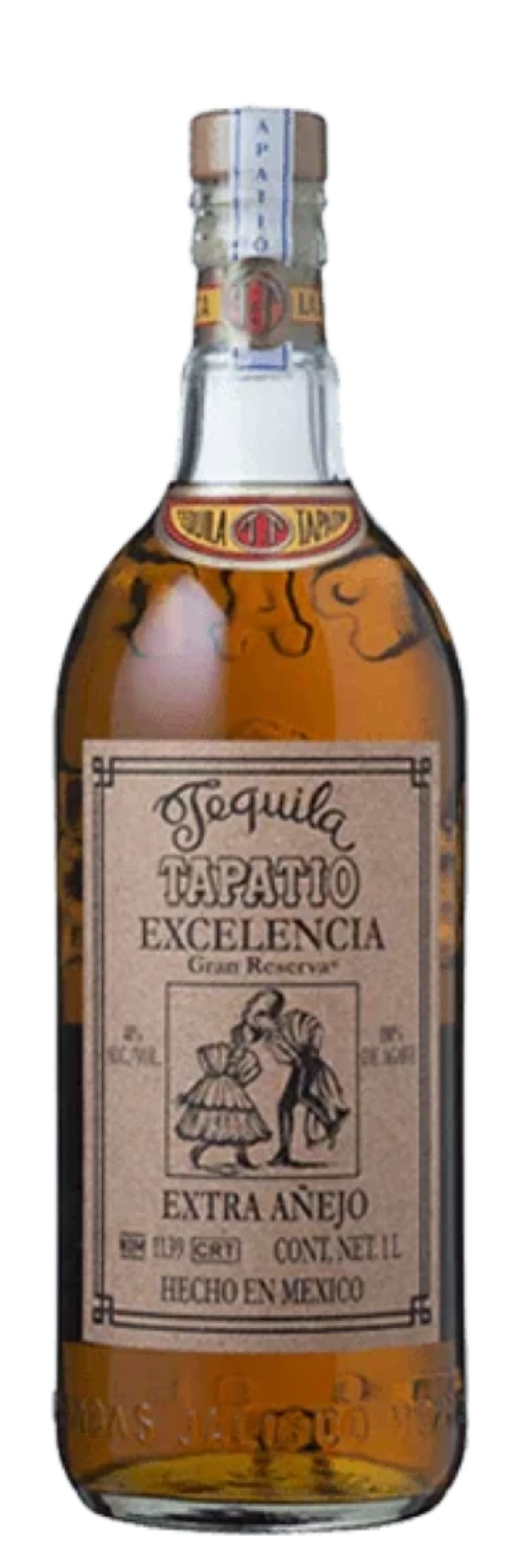
The insider's extra añejo, from the same historic distillery (La Alteña) that produces El Tesoro. Tapatio is a legend among tequila aficionados and criminally underpriced for the quality. The Excelencia extra añejo spends years in oak yet stays remarkably true to its Highland agave: the nose is caramel, cooked agave, vanilla, and dried fruit, and the palate is smooth, rich, and elegant, with butterscotch, spice, and a clean, agave-forward finish that never turns cloying. It has the polish of bottles costing far more. Additive-free and traditionally made, it's the extra añejo we recommend to anyone who thinks they have to spend celebrity-tequila money to drink beautifully aged agave.
TypeExtra Añejo
MethodTahona + roller
RegionLos Altos (La Alteña)
Additive-FreeYes
Extra añejo quality at a fraction of celebrity prices
Same distillery pedigree as El Tesoro
Rich yet never cloying, additive-free
Distribution is patchy in some markets
Understated packaging (a feature, really)
Best For: Beautifully aged agave without the celebrity markup
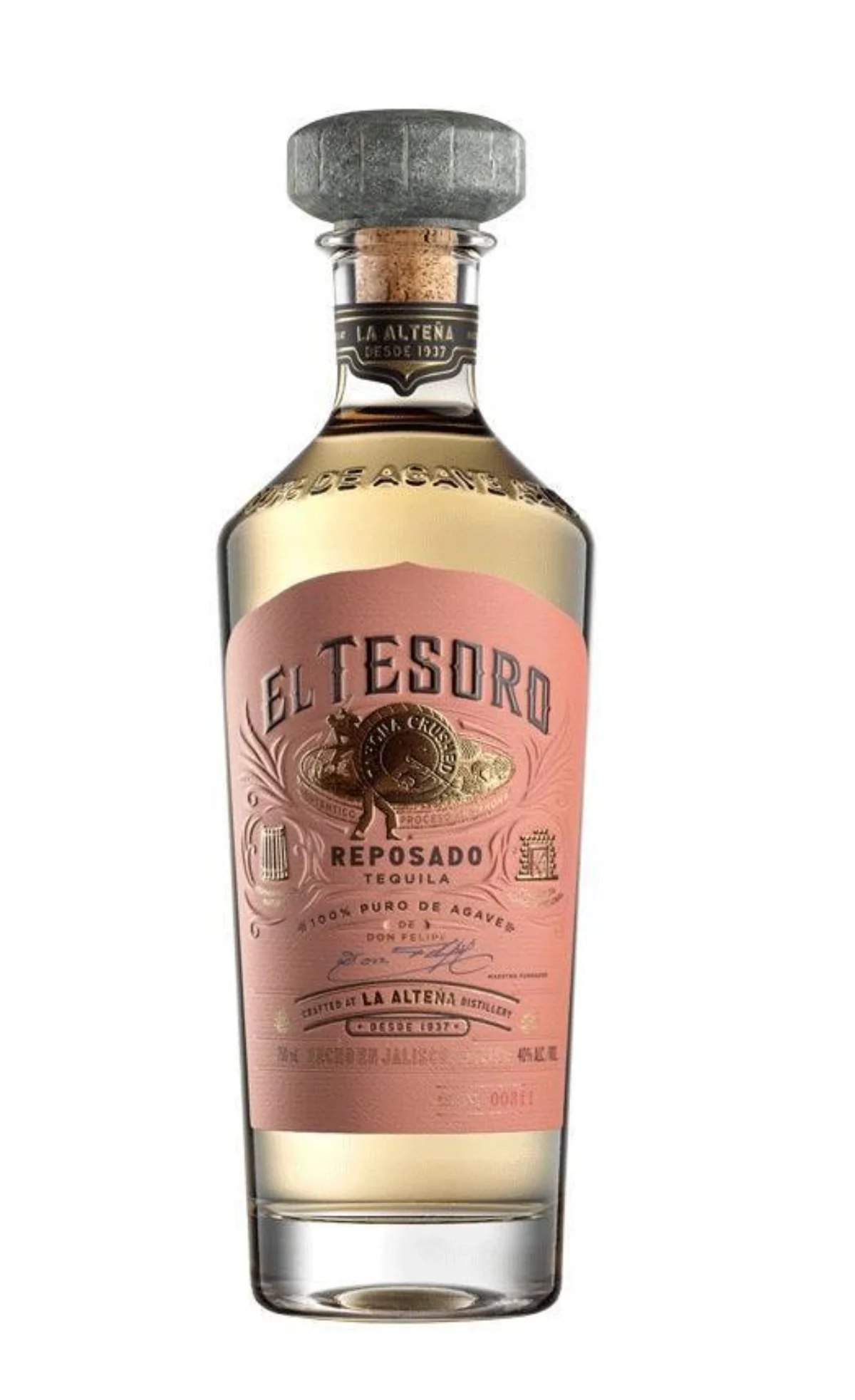
The reposado from La Alteña, and a benchmark for Highland-style aged tequila. Where the añejo goes deep, the reposado keeps things bright: a few months in ex-bourbon oak add a whisper of vanilla and spice without smothering El Tesoro's floral, citrus-driven agave. The nose is cooked agave, light caramel, and orange blossom; the palate is clean, elegant, and lightly sweet, with vanilla, pepper, and a crisp agave finish. It's the reposado we pour for people who find aged tequilas too oaky—here the barrel supports the agave instead of replacing it. Additive-free, tahona-made, and an outstanding value for its pedigree.
TypeReposado
MethodTahona, distilled to proof
RegionLos Altos (La Alteña)
Additive-FreeYes
Bright, floral Highland agave with light oak
Great for those who find añejos too woody
Additive-free, tahona-made, fairly priced
Lighter body than valley reposados
Subtle—won't wow big-flavour seekers
Best For: Reposado where agave leads and oak supports
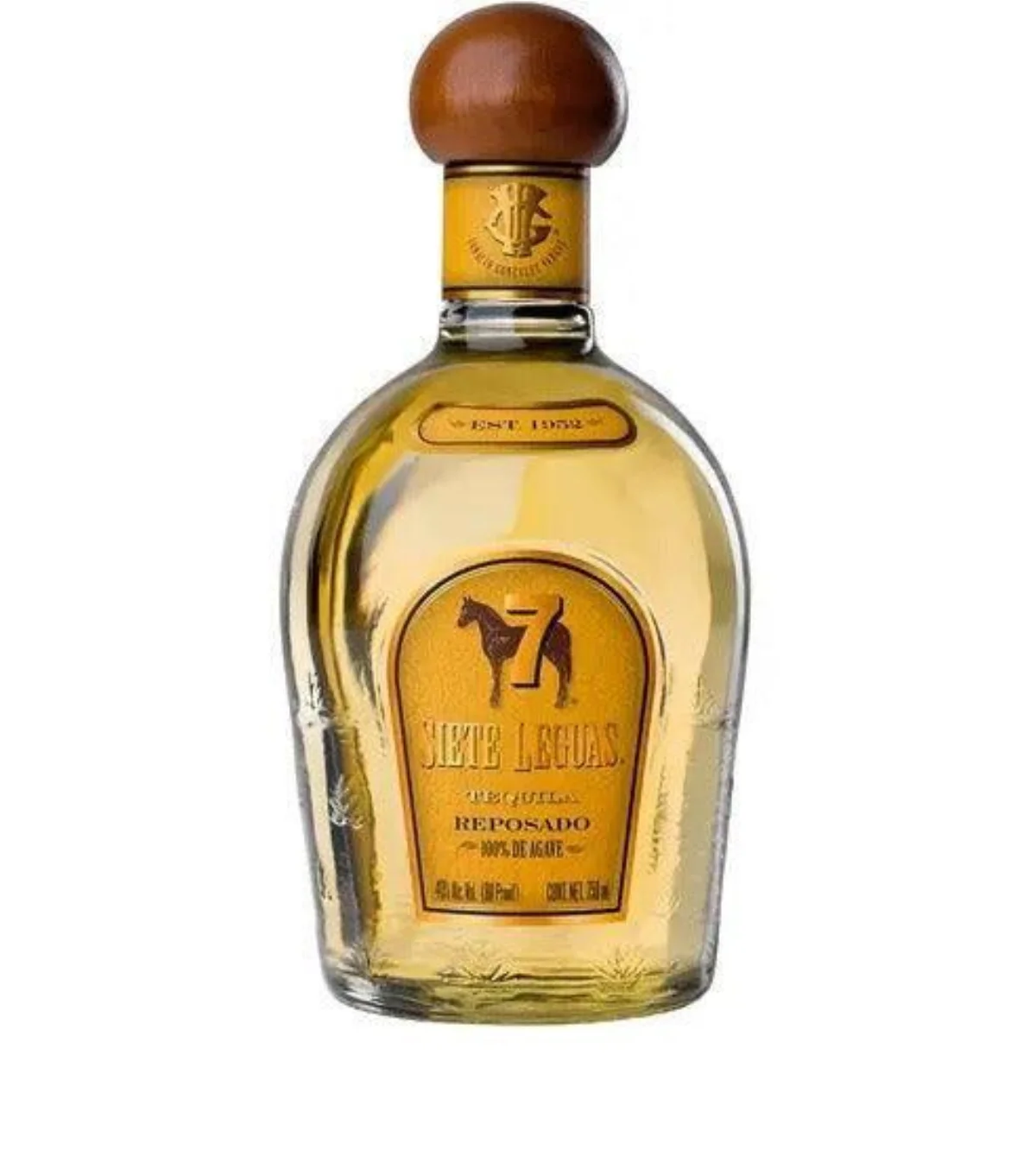
The tequila that was originally made to be Patrón—until Siete Leguas kept its name and its old-school methods. This family distillery uniquely blends tahona-crushed and roller-milled agave, and its reposado is a beautiful expression of both: the nose is cooked agave, caramel, herbs, and light oak, and the palate is medium-bodied and balanced, with vanilla, pepper, earthy agave, and a warm, clean finish. It's less flashy than the Instagram bottles and all the better for it—honest, additive-free, traditionally made tequila at a fair price. For drinkers who want to taste real Los Altos agave with just enough oak, Siete Leguas is a quiet standout.
TypeReposado
MethodTahona + roller
RegionLos Altos
Additive-FreeYes
Blends tahona and roller-milled agave beautifully
Honest, additive-free, fairly priced
Real Los Altos character with balanced oak
Understated—no flashy bottle
Middle-of-the-road body may read as safe
Best For: Traditional Highland reposado at a fair price
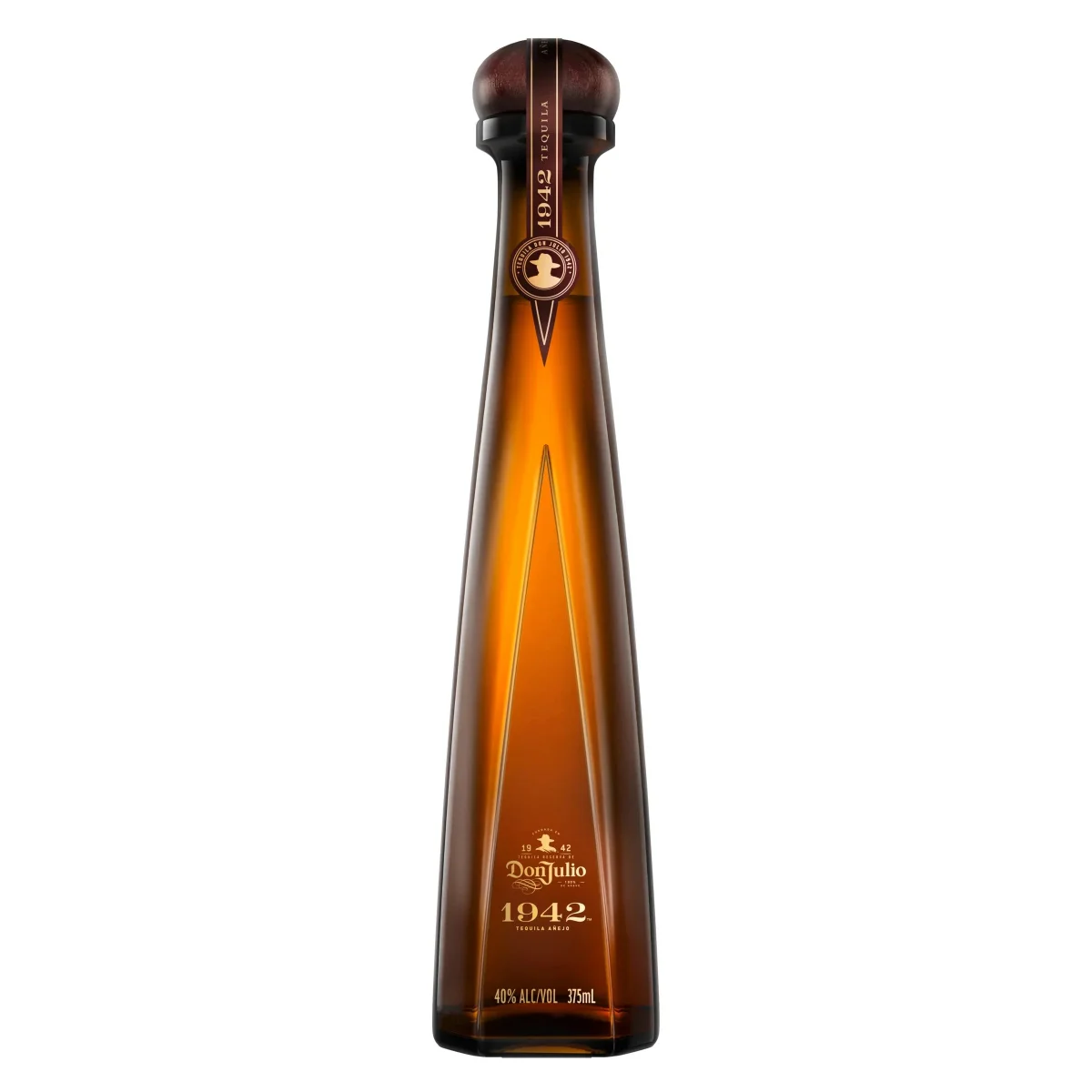
The bottle-service icon, and the one whose price most outruns its liquid. Named for the year Don Julio González began distilling, 1942 is a genuinely nice añejo—soft, sweet, and approachable, with caramel, vanilla, cooked agave, and a warm, dessert-like finish that's easy to love. The problem is what you pay for it. Nightclub ubiquity and status appeal have pushed 1942 to a price several times what comparably aged tequilas cost—and its softly sweet profile suggests it's built for crowd-pleasing more than complexity. Buy it if the bottle and the name matter to you. If it's the agave you're after, our top picks deliver more for far less.
TypeAñejo
OwnerDiageo
RegionLos Altos
Additive-FreeNot verified
Soft, sweet, and very easy to like
Iconic bottle, reliable crowd-pleaser
Priced several times above comparable añejos
Sweet, simple profile lacks real complexity
You're paying for status, not the liquid
Best For: Those who want the name and the bottle, price aside
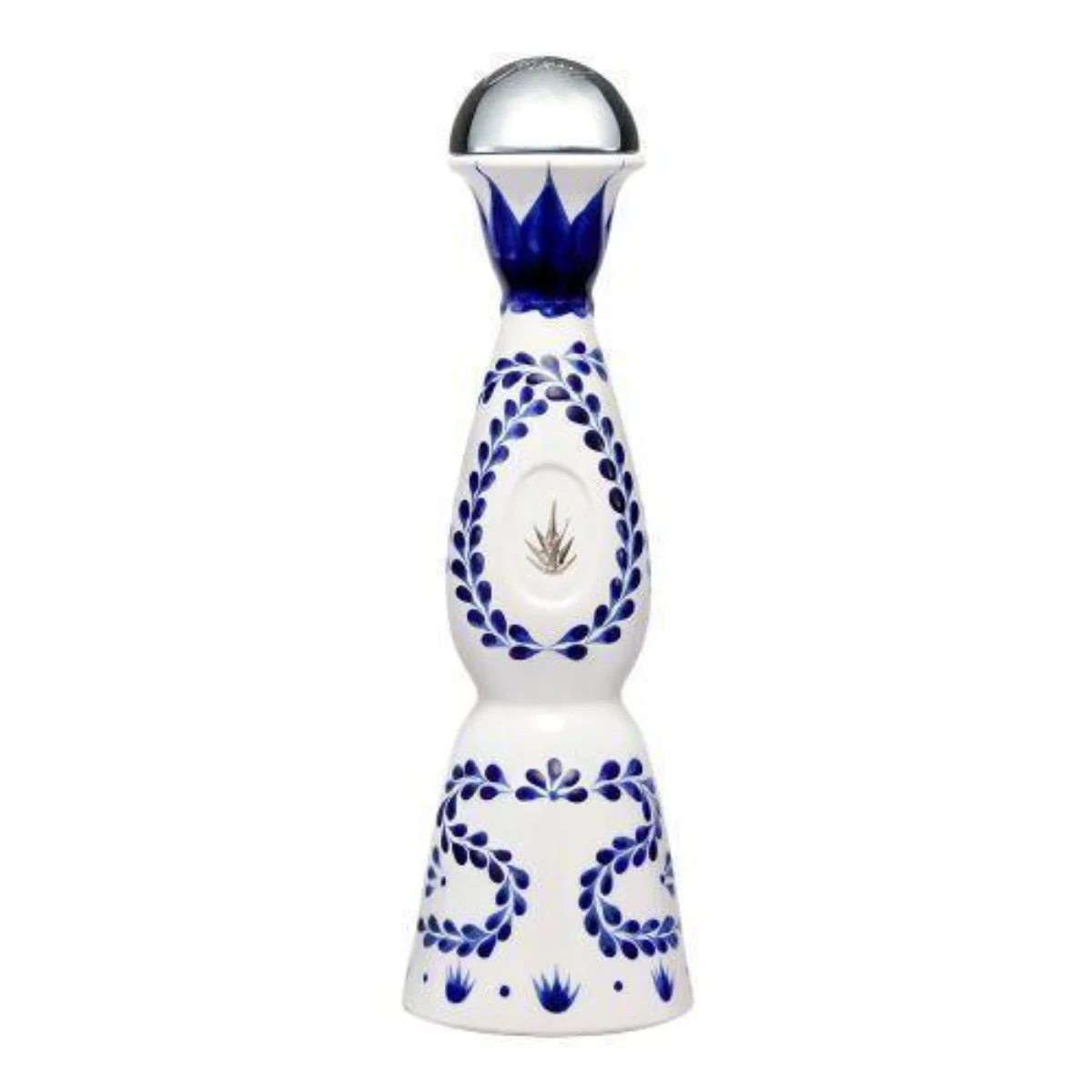
The most recognisable bottle in tequila—that hand-painted ceramic decanter is genuinely beautiful, and it's most of what you're paying for. Inside is a soft, sweet, very approachable reposado: vanilla, caramel, cooked agave, and a smooth, almost dessert-like sweetness that goes down effortlessly. It's pleasant and undeniably crowd-pleasing. But it's also light on complexity and heavy on price, and its sweetness leans in a direction traditional, additive-free tequilas don't. As a gift or a centrepiece, the decanter delivers. As a pour judged purely on what's in the glass, you're paying a steep premium for the ceramic—and our top reposados taste more of agave for a fraction of the cost.
Our agave coverage is written by tasters who sip tequila neat from a copita, keep the Tequila Matchmaker additive-free list bookmarked, and would rather drink a $45 tahona reposado than a $180 celebrity bottle. We score on what's in the glass, not what's painted on the ceramic.
Editorial independence notice: Boozemakers maintains full editorial independence. We purchase all products at retail and are never compensated for our reviews. Affiliate links may earn us a commission at no extra cost to you.
How We Test & Rate
This ranking draws on our own bottle-by-bottle reviews and scored evaluations on our 100-point scale, judging agave character, palate, finish, oak integration, and value. We weight additive-free production heavily—because a spirit sweetened and coloured with undisclosed additives to taste ‘smooth’ is not the same craft as one that earns its flavour from agave and oak alone.
Above all we separate genuine quality from status pricing. Several of the most famous aged tequilas cost several times what traditionally made, additive-free bottles do, and we'll always tell you when you're paying for the bottle and the name rather than the liquid.
Rating Criteria
Agave Character25%
How clearly real cooked agave comes through the oak.
Palate30%
Depth, texture, and complexity of flavour.
Finish15%
Length and cleanliness of the finish.
Oak Integration15%
How well the barrel supports rather than smothers the agave.
Value15%
Quality relative to real-world price, before any status markup.
How We Chose
We ranked from our own reviews on our 100-point scale across reposado, añejo, and extra añejo, judging agave character, palate, finish, oak integration, and—heavily—value and additive-free production. Traditional methods (tahona milling, estate agave, family distilleries) counted in a bottle's favour; celebrity branding and designer packaging did not. A bottle's place here reflects the spirit itself, not its social-media fame or shelf price.