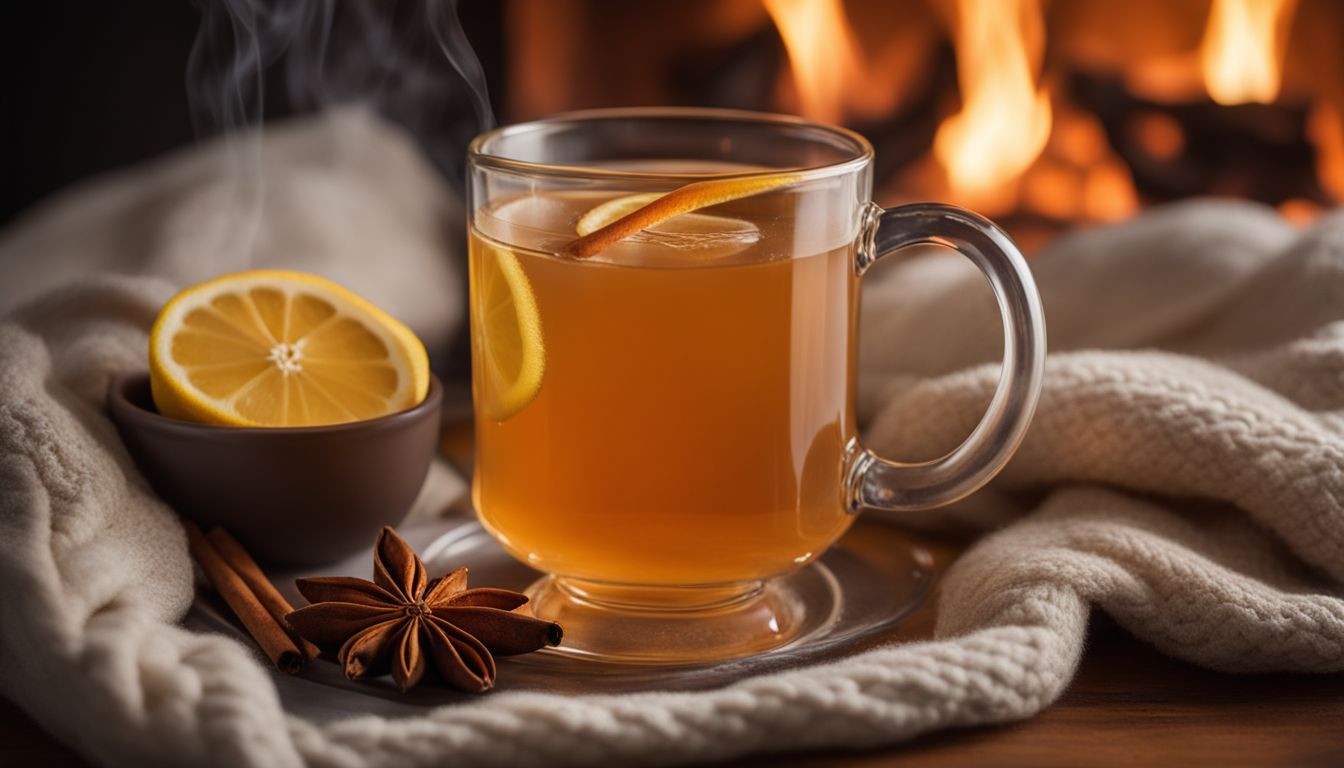
I learned the value of a proper hot toddy at a cabin outside Breckenridge during a February blizzard that knocked out the power for sixteen hours. We had bourbon, we had honey, we had lemons, and we had a gas stove that still worked. What started as "something to warm up with" became an accidental masterclass in why this drink has survived two centuries of cocktail evolution. By the third round, we'd stopped measuring and started understanding—the way the honey coats your throat before the bourbon follows, how the lemon cuts through the sweetness just enough to make you want another sip, why your grandmother swore this was the only cold remedy that mattered.
The hot toddy's origins trace back to 18th-century Scotland and Ireland, where "toddy" likely derived from "taddy"—the sap of Indian palm trees used to make an alcoholic drink. British colonials brought the term home, and the Scots did what Scots do best: they added whisky, hot water, and turned it into medicine. By the 1800s, the hot toddy had crossed the Atlantic and become America's unofficial answer to winter—served in taverns, prescribed by doctors, and passed down through generations as the drink that could cure anything from a head cold to a broken heart. It can't, of course, but it makes you feel cared for while you wait to get better.
The beauty of the hot toddy is its fundamental simplicity. Four ingredients, no shaker, no strainer, no elaborate technique. Just bourbon, honey, lemon, and hot water meeting in a mug to create something greater than their parts. But simple doesn't mean thoughtless, and the difference between a mediocre toddy and one that makes you close your eyes and sigh comes down to details most people rush past.
The Recipe
Ingredients
- 2 oz bourbon (something with honey and caramel notes—Buffalo Trace, Maker's Mark, or Woodford Reserve)
- 1 tablespoon honey (wildflower honey is your versatile baseline)
- ½ oz fresh lemon juice (about half a lemon)
- 1 lemon wheel
- 6 oz hot water (175-185°F, not boiling)
- 1 cinnamon stick (optional, but recommended)
- 2-3 whole cloves (optional)
Equipment
- Heat-resistant mug or Irish coffee glass (8-10 oz capacity)
- Kettle or saucepan for heating water
- Bar spoon or regular spoon for stirring
- Instant-read thermometer (optional, but helpful until you develop the feel)
Instructions
- Heat the water: Bring water to a boil, then let it cool for 60-90 seconds to reach 175-185°F. You want it hot enough to dissolve honey and release aromatics, but not so hot it vaporizes the alcohol or scalds your tongue on the first sip.
- Warm the mug: Pour a splash of hot water into your mug, swirl it around to heat the glass, then discard. This step prevents temperature shock and keeps your toddy warm longer.
- Add honey and lemon juice: Spoon the honey into your warmed mug, add the fresh lemon juice. The acid helps break down the honey structure.
- Add hot water: Pour in 2 oz of hot water first, stir until the honey completely dissolves. This pre-dilution ensures even sweetness throughout the drink.
- Add bourbon: Pour in your bourbon, stir gently to integrate.
- Top with remaining water: Add the remaining 4 oz of hot water, stir once more.
- Add aromatics: Drop in your lemon wheel, cinnamon stick, and cloves if using. The heat will release their oils as you drink.
- Let it breathe: Wait 30-45 seconds before your first sip. The flavors need a moment to marry, and you need to avoid burning your mouth.
Quick Version: Honey, lemon juice, and bourbon in a mug, add hot (not boiling) water, stir, garnish with lemon wheel and cinnamon stick, wait 30 seconds, drink.
The Details That Matter
Water Temperature: The 175-185°F Sweet Spot
Most people grab boiling water straight from the kettle. This is a mistake. Water at 212°F does three things you don't want: it vaporizes alcohol (you're literally steaming away the bourbon you paid for), it scalds the delicate aromatics in honey and lemon, and it makes the drink too hot to enjoy for the first five minutes. Water at 175-185°F dissolves honey completely, releases essential oils from citrus and spices, and creates a drink you can sip immediately. If you don't have a thermometer, boil water and let it rest for 90 seconds. That's your window.
Honey Types: The Flavor Variable
Wildflower honey is your baseline—floral, subtly sweet, it supports the bourbon without competing. Clover honey is lighter and milder, good if you're using a high-proof bourbon and want the whiskey to lead. Buckwheat honey is darker, almost molasses-like, with an earthy depth that works beautifully with rye-heavy bourbons or when you want something more robust. Orange blossom honey adds citrus complexity that doubles down on the lemon. Start with wildflower until you know what you like, then experiment. The honey accounts for about 30% of the drink's flavor profile—it's not a detail to ignore.
Lemon: Fresh Juice, Wheel, or Both?
Both. Fresh lemon juice (½ oz) provides the acid structure that balances the honey's sweetness and lifts the bourbon's heavier notes. The lemon wheel floating in your mug releases essential oils from the peel as it heats, adding a bright aromatic layer that changes as you drink. Skip the juice and you get a cloying, one-dimensional sweetness. Skip the wheel and you lose half the aromatics. Use bottled lemon juice and you deserve the sad, flat toddy you'll get.
Spice Additions: When They Help, When They Clutter
A cinnamon stick is nearly always a good idea—it adds warmth, a subtle sweetness, and makes your toddy smell like the holidays. Cloves (2-3 whole ones, no more) add a sharp, almost medicinal note that some people love and others find overwhelming. Start with just cinnamon. Star anise brings a licorice quality that works if you like Sambuca but clashes if you don't. Freshly grated nutmeg (just a pinch) adds complexity without announcing itself. The rule: spices should support, not dominate. If you can't taste the bourbon, you've added too much.
The Medicinal Question: Does It Actually Help a Cold?
Medically speaking? No. Alcohol doesn't cure viruses. But practically speaking? The hot liquid soothes your throat, the steam opens your sinuses, the honey coats irritated tissue, and the bourbon makes you sleepy enough to rest—which is the only real cure for a cold anyway. The hot toddy won't heal you, but it'll make being sick more bearable, and sometimes that's the best medicine available. Doctors in the 1800s prescribed it for a reason, even if that reason was "the patient will feel better and stop complaining."
Our Bourbon Picks
Best Overall: Buffalo Trace ($25-30)
Brown sugar, honey, and vanilla notes make Buffalo Trace the platonic ideal for hot toddies. The 90-proof strength holds up to dilution, the flavor profile complements honey without fighting it, and it's affordable enough to use in drinks without guilt. This is the bourbon we reach for first.
Best Premium: Woodford Reserve ($35-40)
If you want a hot toddy that tastes expensive, Woodford delivers. Rich caramel, dried fruit, and baking spice notes add complexity that makes each sip different from the last. The higher proof (90.4) and fuller body stand up beautifully to the honey and lemon. This is what you serve when you're trying to impress.
Best Budget: Evan Williams Black Label ($15-18)
No bourbon does more for less money than Evan Williams. Clean, straightforward bourbon flavor—caramel, oak, a touch of spice—without rough edges or weird notes. Perfect for a hot toddy where the other ingredients are doing some of the work. Buy this, save the difference, drink more toddies.
Best High-Proof: Maker's Mark Cask Strength ($40-45)
When it's really cold outside and you want a hot toddy with conviction, Maker's Cask Strength (110-114 proof depending on batch) brings the heat. The wheated bourbon's natural sweetness plays beautifully with honey, and the high proof means flavor survives dilution. Use slightly less bourbon (1.5 oz instead of 2) or add an extra ounce of water.
Shop these bourbons at Bourbon & Whisky — use code BOOZEMAKERS5 for 5% off your order.
What Our Panel Says
Marcus Chen, The Explorer: "I discovered hot toddies during a winter backpacking trip in the Adirondacks when I came down with the worst head cold of my life on day two of five. My buddy Dan pulled out a flask of bourbon, a honey packet from breakfast, and somehow had a lemon in his pack. We made toddies with snow-melted water heated on our camp stove. Did it cure my cold? Absolutely not. Did it make me forget I was miserable for about an hour? Completely. Now I make them every time I feel a cold coming on, usually with Buffalo Trace because that's what Dan had in his flask. It's tradition now."
William Hayes, The Connoisseur: "My grandmother made hot toddies with rye whiskey, dark honey, and a whole cinnamon stick that she'd reuse until it stopped releasing flavor—sometimes for weeks. She served them in these thick ceramic mugs that held heat forever, always before bed during winter months. She claimed they prevented colds rather than cured them, though I suspect the real prevention was the ritual of slowing down, sitting in her kitchen, and talking while we drank. I've switched to bourbon—Woodford Reserve, specifically—but I still use her mugs. They're the perfect weight, the perfect size, and somehow the toddy tastes better from them. Maybe that's just memory, but I'm not interested in testing the hypothesis."
Sophia Laurent, The Host: "I served hot toddies at a holiday party last year after an afternoon of sledding left everyone frozen and soaked. I set up a DIY toddy bar—three bourbon options, two honey types, fresh lemons, cinnamon sticks, the works—and let people build their own. It was the best decision I made for that party. Everyone became an instant expert, adjusting ratios, debating honey choices, stealing cinnamon sticks from each other's mugs. The hot toddies turned into the entertainment. I probably made twenty of them for twelve people. Now everyone asks if I'm doing 'that hot toddy thing' again this year. Obviously I am."
Variations
Apple Toddy
Replace 3 oz of hot water with hot apple cider. The apple's natural sweetness means you can reduce honey to 2 teaspoons. Add a cinnamon stick and maybe a pinch of nutmeg. This is autumn in a mug—perfect for October evenings when it's cold but not yet winter.
Smoky Toddy
Use 1 oz bourbon and 1 oz mezcal (or replace bourbon entirely with 2 oz mezcal for the brave). The smoke plays beautifully with honey and cinnamon. Use a darker honey like buckwheat. This variation divides people—you'll love it or hate it, no middle ground.
Honey-Ginger Toddy
Add 3-4 thin slices of fresh ginger to your mug with the honey and lemon juice, muddle gently, then proceed with the recipe. The ginger adds a spicy bite that makes this feel even more medicinal. If you actually have a cold, this is the one to make.
Chai Toddy
Replace hot water with hot chai tea (black tea with traditional spices—cardamom, cloves, ginger, cinnamon). Reduce honey to 2 teaspoons since chai is often pre-sweetened. The spices in the tea do the work, so skip additional garnishes. This is complex, warming, and surprisingly good at 3 PM when you need a pick-me-up that's also a wind-down.
Common Mistakes
Using Too Much Honey
More honey doesn't make a better hot toddy—it makes a cloying mess that hides the bourbon and coats your teeth. One tablespoon is the maximum for a standard recipe. If you want more sweetness, use a more flavorful honey, not more volume.
Skipping the Mug Warm-Up
Pour a hot toddy into a cold mug and it loses 10-15 degrees instantly. That temperature drop matters. Take ten seconds to warm your mug—your toddy will stay hot longer and taste better throughout.
Adding Bourbon First
If you add bourbon before the honey dissolves, you'll spend three minutes stirring and still find honey gunk at the bottom. Honey, lemon juice, hot water first. Stir until dissolved. Then bourbon. This is the correct order, not a suggestion.
Using Old, Dried-Out Cinnamon Sticks
That jar of cinnamon sticks in your pantry from 2019? They're decorative now, not aromatic. Buy fresh cinnamon sticks, keep them in an airtight container, and replace them yearly. You'll actually smell the difference in your toddy.
Making It Too Strong
A hot toddy is not a bourbon delivery system—it's a balanced hot drink where bourbon is one of four equal partners. Two ounces of bourbon in 6 oz of total liquid (including honey and lemon) is the ratio. Go to 2.5 oz if you must, but beyond that you're just drinking hot bourbon water, and there are better ways to do that.
Final Thoughts
The hot toddy survives because it does exactly what it promises—warmth, comfort, and a moment of peace when winter won't let up. Make it right, with good bourbon and fresh ingredients, and you'll understand why this drink has outlasted a thousand more complicated cocktails. Make a batch for friends. Adjust to taste. Drink it slowly while the snow falls outside.