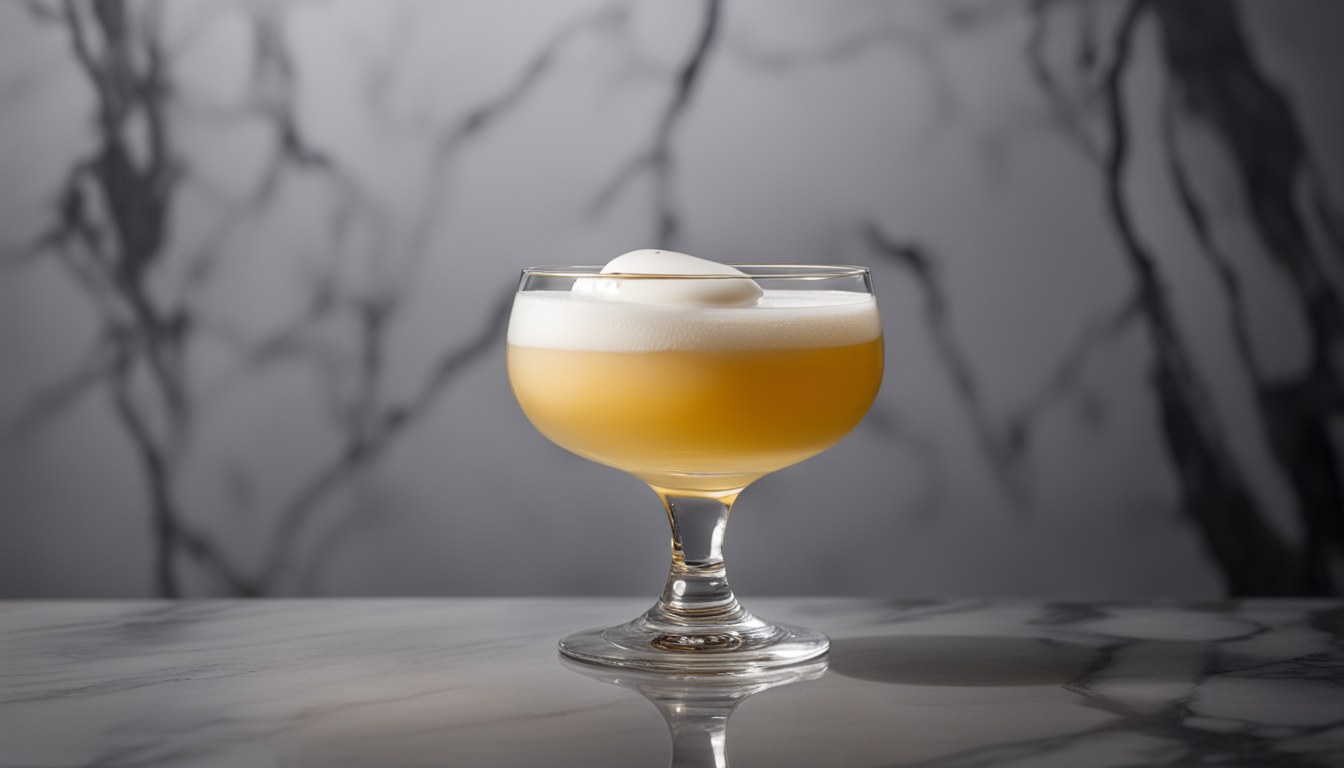
The bartender at Milk & Honey didn't even look up when I ordered a whiskey sour. Just reached for the Buffalo Trace, fresh lemons, and started the shake that would change my mind about a drink I'd written off a decade earlier. No neon-green mix. No maraschino cherry floating in regret. Just bourbon, citrus, and the kind of balance that makes you order a second before you've finished the first.
The whiskey sour's reputation took a beating during the sour mix era — those decades when "whiskey sour" meant candy-sweet artificial lemon and a hangover designed by committee. But the craft cocktail revival pulled it back from the brink. Now it's everywhere from airport bars to James Beard Award-winning cocktail programs. The difference? Fresh lemon juice, proper proportions, and bourbon that actually tastes like something.
I've made hundreds since that night. Shaken them for dinner parties, tested them with different bourbons, argued over egg whites with friends who take their cocktails too seriously. The whiskey sour rewards attention to detail, but it's forgiving enough for a Tuesday night when you just want something cold, tart, and strong. Here's everything you need to know.
Three Ways to Make It
The Classic Whiskey Sour
This is where you start. Get this right, and the variations become obvious.
Ingredients:
- 2 oz bourbon (something with backbone — I use Buffalo Trace or Knob Creek)
- ¾ oz fresh lemon juice (about half a lemon)
- ¾ oz simple syrup (1:1 ratio, sugar to water)
- Ice
- Lemon wheel and cocktail cherry for garnish
Steps:
- Add bourbon, lemon juice, and simple syrup to a cocktail shaker
- Fill with ice — enough to reach the top of the liquid
- Shake hard for 12-15 seconds. You want it cold and diluted properly
- Strain into a rocks glass over fresh ice (or serve up in a coupe)
- Garnish with lemon wheel and cherry
The key: Balance. If it's too tart, add another ¼ oz simple syrup. Too sweet? More lemon. The bourbon should be present but not aggressive — you're building a cocktail, not serving bourbon with lemon water.
The New York Sour
Take the classic and float ½ oz of dry red wine on top. That's it. But the visual drama and the way that wine cuts through the sweetness? It turns a simple sour into dinner party theater.
The technique: Make your classic whiskey sour. Strain it into a rocks glass over ice. Then pour your red wine slowly over the back of a bar spoon held just above the drink's surface. The wine will float on top, creating that signature layered look. A Côtes du Rhône or Malbec works beautifully — you want something dry with moderate tannins.
I use a higher-proof bourbon here. The wine adds another layer of complexity, and you need the whiskey to hold its ground. Knob Creek 9 Year at 100 proof does the job.
The Boston Sour (Egg White Variation)
Add ½ oz egg white to your classic recipe, and suddenly you're in silky, frothy, Instagram-ready territory. The egg white doesn't add flavor — it adds texture. That thick foam cap, the way the drink feels luxurious on your tongue, the way the garnish sits on top like it's posing for a photo shoot.
The dry shake technique:
- Add bourbon, lemon juice, simple syrup, and egg white to your shaker — no ice yet
- Shake hard for 15 seconds. This is the dry shake, and it emulsifies the egg white
- Add ice and shake again for another 15 seconds. This chills and dilutes
- Double strain (through both your shaker strainer and a fine mesh strainer) into a chilled coupe
- Garnish with three dashes of Angostura bitters on the foam — drag a toothpick through them for a pattern if you're feeling fancy
Some people call this a Gold Rush when you use honey syrup instead of simple. That's a different drink, but the egg white technique is identical.
The Egg White Question
Let's address this because someone always asks: Is raw egg white safe?
Short answer: Yes, if you're using fresh, properly refrigerated eggs. The alcohol doesn't "cook" the egg — that's a myth — but salmonella risk in fresh eggs is statistically tiny. The CDC puts it at about 1 in 20,000 eggs. If you're immunocompromised or just cautious, skip it. The drink is still excellent.
The dry shake matters. Shaking without ice first gives the proteins time to break down and foam up properly. Add ice too early, and you'll get weak foam and a drink that's more frothy than silky. I learned this the hard way, making disappointing Boston Sours for a month before someone showed me the two-shake method.
If you skip the egg white, the drink is lighter, more straightforward. Still delicious. The egg white version is richer, more textured, better for sipping slowly. Neither is "better" — they're different experiences with the same foundation.
Technique Deep Dive
Fresh Lemon Juice — Non-Negotiable
Bottled lemon juice tastes like furniture polish mixed with regret. Squeeze your lemons fresh, day-of. Pre-squeezed juice oxidizes within hours, losing that bright, vibrant tartness that makes a whiskey sour work. A single lemon yields about 1.5 oz of juice. Buy three lemons, juice them all, and make multiple drinks. This isn't a one-cocktail evening once you get it right.
Simple Syrup Ratios
Standard simple syrup is 1:1 — equal parts sugar and water, dissolved. Heat the water, stir in sugar until it dissolves, let it cool. Done. It keeps in the fridge for a month.
Some bartenders prefer 2:1 rich simple syrup — twice as much sugar as water. It's thicker, less dilutive, and you use less of it. I like it for stirred drinks where you want sweetness without added water. For sours? Standard 1:1 works perfectly. The extra water helps balance the citrus.
The Shake
12-15 seconds of aggressive shaking. You're not politely agitating the ingredients — you're trying to make the ice audibly crack. This chills the drink to around 28°F, dilutes it properly (about 25% water by volume), and aerates it just enough. Under-shake and it's warm and harsh. Over-shake and it's watery. You'll feel the shaker get so cold it hurts to hold. That's when you stop.
Glassware
The classic is a rocks glass over ice — casual, approachable, the drink stays cold while you sip. A coupe glass served up is more elegant, but the drink warms faster. I use rocks glasses on weeknights, coupes when I'm trying to impress someone.
For the egg white version, always use a coupe. That foam cap deserves to be shown off, and it doesn't work the same over ice.
Garnish
A lemon wheel or a lemon peel expressed over the drink. The cocktail cherry is optional — I usually skip it unless I have Luxardo cherries around. Those neon-red maraschinos belong in a Wisconsin old fashioned, nowhere near a proper whiskey sour.
For the Boston Sour, skip the wheel. Just three dashes of Angostura bitters on the foam. The aromatics play beautifully with the bourbon, and it looks professional enough that guests assume you know what you're doing.
Our Bourbon Picks
Best for the Classic Sour: Buffalo Trace
It's got that perfect middle ground of caramel sweetness and oak spice, enough proof (90) to stand up to citrus without overpowering it. At around $30, it's affordable enough to shake into cocktails without guilt. The vanilla notes come through beautifully against fresh lemon.
Best for the New York Sour: Knob Creek 9 Year
You need higher proof here — 100 proof — so the bourbon doesn't get lost under the wine float. The oak and spice from the 9-year aging process hold up against a dry red wine. Plus the nutty, toasted notes create this incredible interplay with a good Malbec.
Best for the Boston Sour (Egg White): Elijah Craig Small Batch
The extra richness from the egg white pairs perfectly with Elijah Craig's butterscotch and brown sugar notes. At 94 proof, it's assertive enough to cut through the foam. The finish is long and warm — exactly what you want when you're sipping slowly.
Best Value Option: Evan Williams Bottled-in-Bond
Under $20, 100 proof, and it makes an excellent sour. The bottled-in-bond standards mean consistent quality, and that higher proof works in your favor when you're diluting with ice and citrus. This is what I reach for when I'm making sours for a crowd.
Find these bottles and more at Bourbon & Whisky — use code BOOZEMAKERS5 for 5% off your order.
What Our Panel Says
Marcus Chen, The Explorer: "I made whiskey sours for a dinner party last year — eight people, most of them wine drinkers who 'don't really like bourbon.' I went with the New York Sour because the wine float makes it approachable, and because it looks impressive when you pour it. By the end of the night, I'd gone through a whole bottle of Buffalo Trace and half a bottle of Côtes du Rhône. Three people asked for the recipe. One asked where to buy a cocktail shaker. That's the power of a well-made sour — it converts skeptics."
William Hayes, The Connoisseur: "I remember whiskey sours in the 1980s — that horrific neon-green syrup, served at wedding receptions and Kiwanis club dinners. It was an abomination. The craft cocktail movement's resurrection of the proper whiskey sour — fresh citrus, quality bourbon, attention to balance — represents one of the great redemption stories in American drinking culture. I make mine with Elijah Craig and always, always with the egg white. It's not a shortcut drink. It's a statement of intent."
Sophia Laurent, The Host: "I batch whiskey sours for parties — scale up the bourbon, lemon, and simple syrup in a pitcher, keep it chilled, then shake individual servings to order. The egg white question always comes up. Someone's always nervous about it, someone else insists it's necessary. I make a few without, a few with, and let people choose. But honestly? The ones with egg white always go first. That silky texture, the way the foam holds the garnish, the theater of it — people love it. I served them at my birthday last spring and guests were taking photos before they took their first sip."
Common Mistakes
Using bottled lemon juice. I cannot stress this enough. Fresh-squeezed or don't bother. The drink lives or dies on the quality of your citrus.
Not shaking hard enough. You need aggressive, sustained shaking to properly chill and dilute the drink. If your arm isn't tired after 15 seconds, you're not shaking hard enough.
Wrong bourbon-to-citrus ratio. The standard 2:¾:¾ (bourbon:lemon:simple) is a starting point, but different bourbons need adjustment. Higher-proof whiskey can handle more citrus. Sweeter bourbon needs less simple syrup. Taste as you go.
Adding ice to the dry shake. If you're making the egg white version, shake without ice first. Ice too early means weak foam and a drink that's more frothy than creamy. The two-shake method exists for a reason.
Using cheap bourbon. You're not making a Long Island Iced Tea. The bourbon is the foundation here, and while you don't need to break out the Pappy, you do need something with actual flavor. Well whiskey makes a well drink. Good bourbon makes a great cocktail.
Over-sweetening. When in doubt, err on the tart side. You can always add more simple syrup, but you can't take it out once it's in there. The drink should be balanced — tart enough to make you pucker slightly, sweet enough to smooth the edges, with bourbon anchoring the whole thing.
The Final Sip
The whiskey sour earned its second act. It went from sugary college mistake to legitimate craft cocktail, and all it took was fresh ingredients and proper technique. Master the classic first. Then play with the variations — float that red wine, add the egg white, experiment with different bourbons and citrus ratios. This is a drink that rewards attention without demanding perfection.
Now go squeeze some lemons.