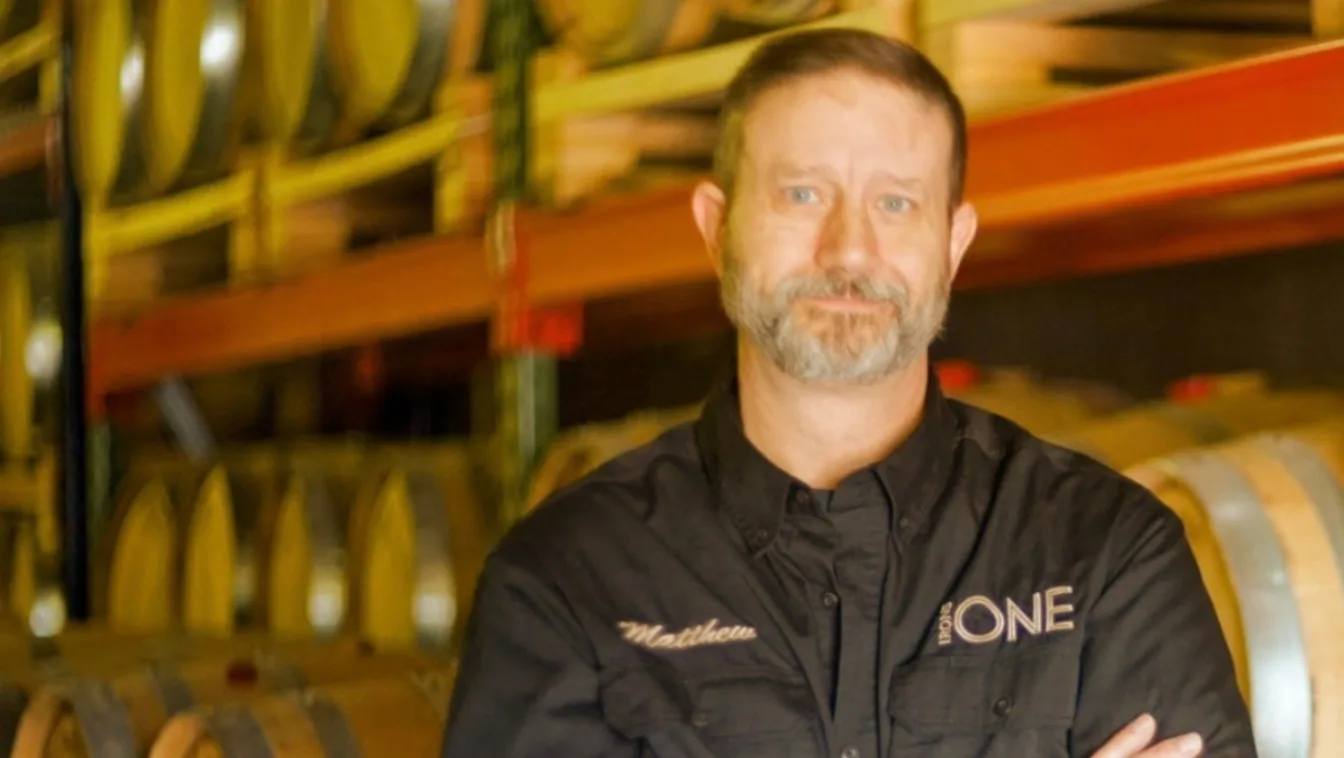
Welcome to the inaugural edition of the BoozeMakers Interview Series, where we sit down with the spirit makers across America who are shaping what we drink and how we think about craft distilling. For our first feature, we're heading to Huntsville, Alabama — to a distillery tucked inside the iconic Lowe Mill ARTS & Entertainment complex — to meet the man who just took the reins at Irons One Distillery.
Meet Matthew McLain
Most master distillers can point to one thing that qualifies them for the job — family tradition, a science background, competition medals, or years behind a still. Matthew McLain has all of them.
He's a fourth-generation craftsman whose family roots trace back to distilling Scotch on the Isle of Mull in Scotland. He holds post-graduate degrees in Buddhist philosophy and a master's degree in medical science. His bourbon has been named Grand National Champion at the U.S. Open Whisky & Spirits Championships, and his spirits have earned gold and double-gold medals at the San Francisco World Spirits Competition, the New York International Spirits Competition, and the Seattle International Spirits Competition.
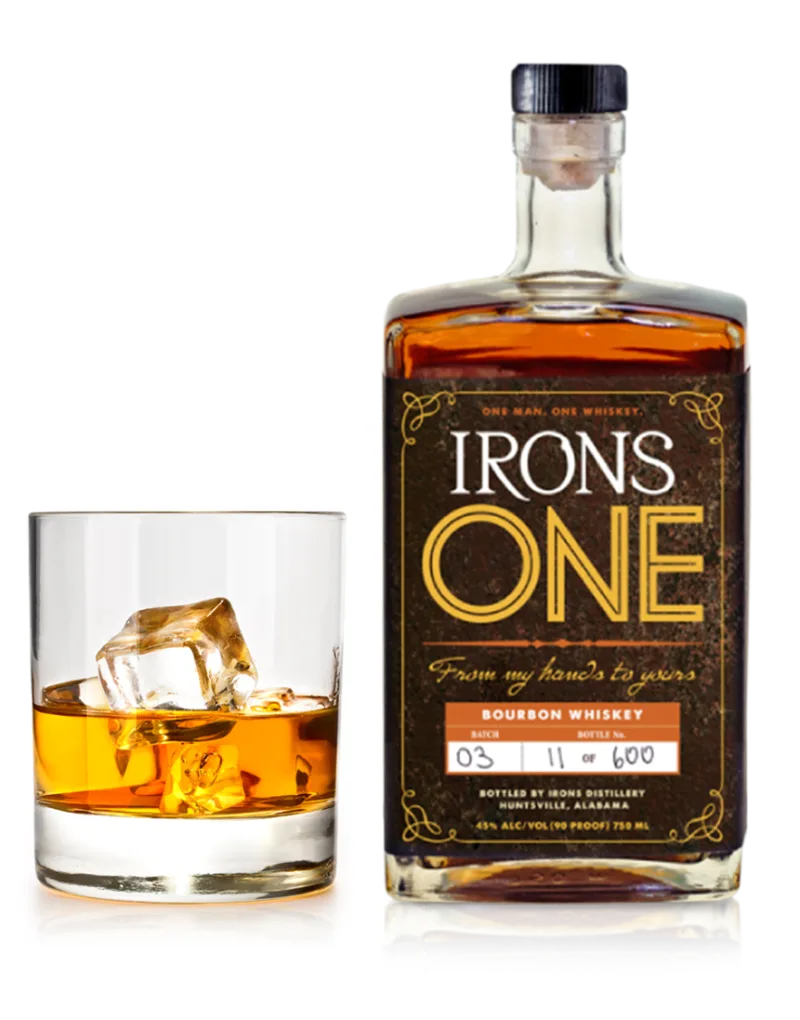
Now, he's the new Master Distiller and Director of Operations at Irons One Distillery — home of Alabama's first bourbon.
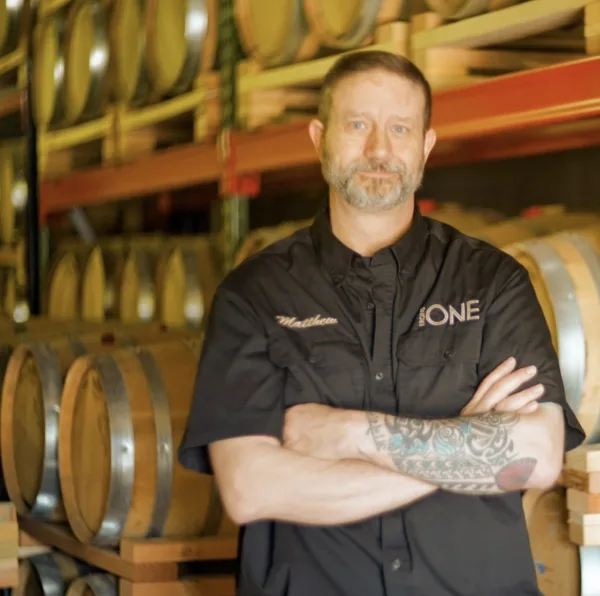
We sent Matthew our questions. He poured himself something neat and got to work.
The Heritage
BoozeMakers: You're a fourth-generation master distiller. Walk us through the family lineage — who started it, and when did you realize this was your path?
My great-grandfather started distilling Scotch on the Isle of Mull in Scotland. My grandfather took after him, and when they moved to the United States, my father took up moonshining.
I never really looked at it as a career when I was younger. I actually have post-graduate degrees in Buddhist philosophy and was involved in academia before becoming a professional distiller myself. I realized I wanted to do this as a profession in my late twenties.
BM: Was there ever a point where you considered not going into distilling?
My alternate career would've been teaching at the university level. At this point in my life, I can't imagine doing anything else other than distilling or distillery consulting.
BM: What's a lesson or technique passed down through your family that most modern distillers have moved away from?
The use of a pot still. Simple and old-fashioned. Most people use column stills nowadays, but they still can't quite figure out the simplicity of a pot still.
The Craft & Science
BM: You have a master's in medical science on top of generations of family knowledge. When those two worlds conflict — when the data says one thing but tradition says another — which wins?
When the data says one thing but tradition says another, I tend to follow the tradition of science. But of course, as a distiller, we like to use our own innovations to come up with something unique in the industry. Typically, I follow the science — and tradition typically follows the science as well.
BM: Your bourbon was named Grand National Champion at the U.S. Open Whisky & Spirits Championships. What set that spirit apart?
I'm not giving away any trade secrets when it comes to award-winning spirits — my mash bill for bourbon is pretty average. 70-15-15. I think what it really boils down to is the best ingredients, locally sourced as much as possible, attention to detail, and doing everything in small batches.
I pay attention to everything — from the way the corn is grown, how fine the grains are ground, water temperatures, and yeast pitch times. Attention to detail is absolutely the key to making premium spirits.
BM: And if you poured us a glass of that Grand National Champion right now, how would you describe what we're about to taste?
It has a smoky nose, a smooth but slightly oaky vanilla finish — the kind of bourbon that makes you want to smoke a cigar. When you breathe in, it makes you imagine yourself sitting in a leather lounge, smoking a wonderfully hand-rolled cigar.
BM: Walk us through your process when you're developing a brand-new expression from scratch.
Creating new spirits can be one of the most fun parts of our career, but it can also be quite complicated. Whether it's a botanical spirit like gin, a vodka, or a flavored vodka — I like everything to be layered and balanced so you can taste each and every ingredient used.
I start from the finish. In my mind, I think about that final product, and then I deconstruct how it's made. I start with a flavor profile idea and work backwards to make it happen.
One of the nicest things we have to work with is malted grains. Depending on the roast of the grain, it can really affect the final flavor profile of the product.
BM: What's the most common mistake you see craft distillers making right now?
The wish to speed things up. Trying to rapidly age products — using smaller barrels, rotating barrels on a regular basis. All of these techniques have been proven not to work effectively.
The only thing you can do to produce fine spirits, especially barrel-aged ones, is to let them age. You can't speed up the aging process no matter what you're doing. We are in an industry that is more likened to a marathon than a sprint. It's a long race to the finish line, so we have the time to do it right and take it slow.
Getting Personal
We wanted to get past the résumé and find out who Matthew is when the still is off and the barrels are resting.
BM: You talk about patience being the key to what distillers do. Can you give us a specific example — a time when patience really paid off?
Absolutely. Quite a few years back, there were fires close to Napa Valley. The smoke lingered on the grapes — there was nothing the winemaker could do. Even after harvesting, the smoky smell came through the winemaking process. It didn't meet their flavor profile or their taste profiles. They had lost a whole season to the smoky grapes.
They called me. I came down, picked it up, distilled it, and put it in oak barrels. It turned out to be a waiting game, but we ended up with some of the best smoked grappa I had ever tasted personally.
BM: Is there a spirit category you think is wildly underappreciated right now?
I'm a big fan of absinthe. Love the wormwood! I would like to see an absinthe revival in the US.
BM: You've competed at the highest levels of the spirits world. Be honest — when you're at home on a Tuesday night, what are you actually drinking?
Being in the industry, I've had the opportunity to taste and appreciate a lot of liquors over the years. Some have been absolutely amazing, while others maybe not so much in my book. When I'm home on a Tuesday night, I'm typically drinking a ten-year-old Scotch from Islay. It's just in my blood.
BM: You told us what you reach for at home. Now the harder question — what's a spirit made by someone else that you consider a masterpiece?
When it comes to whisky, I am so incredibly impressed with Yamazaki. There is a fifty-year-old expression that I was fortunate enough to drink once. In my mind, Japanese whiskeys are absolutely outstanding, and I think they are often overlooked and underappreciated. They put an inordinate amount of absolute focus into every step of what they do.
We have a lot of people around the world making wonderful spirits. Some of the best liquors are made in small batches, in basements that we never hear of. It's always fortunate to keep your ears open when you're traveling — you might be able to sample some of the best you've ever tasted.
BM: If you had to describe your distilling philosophy as a meal, what would be on the plate?
Editor's note: This is where you remember the man has degrees in Buddhist philosophy.
What a great question!
The appetizer would be curiosity soup — a rich broth of questions, diced thoughts, and a sprinkle of wonder.
The main course would be Socratic steak with rhetorical vegetables — perfectly grilled, served with colorful sautéed vegetables. Tender with critical thinking, layers of taste and texture.
As a side dish, I'd have ethical grain salad — using fresh, whole, and local ingredients, symbolizing different ethical frameworks.
Dessert would be wisdom tart — a flaky crust filled with rich, creamy insights, topped with a drizzle of experience. This encapsulates the essence of my distilling philosophy: an indulgent treat that leaves you pondering the deeper truths of life.
Irons One & The Future
BM: What was it about Irons One that made you say, "this is where I want to be"?
When I first came to Huntsville, Alabama, I knew exactly that this is where I wanted to be. I grew up in Oregon and I've lived on the East Coast for over six years, but I haven't found a more beautiful spot than Northern Alabama. When I first visited, I just knew.
The vision of the owners is really what brought me here. Growing into a new space at one of the largest independent art studio spaces in the nation at Lowe Mill is absolutely amazing for us. We love the fact that we are a permanent part of Huntsville, making history in the state of Alabama, and giving back to the people of Northern Alabama as well.
BM: You've been described as the start of Irons One's next chapter. What does that look like?
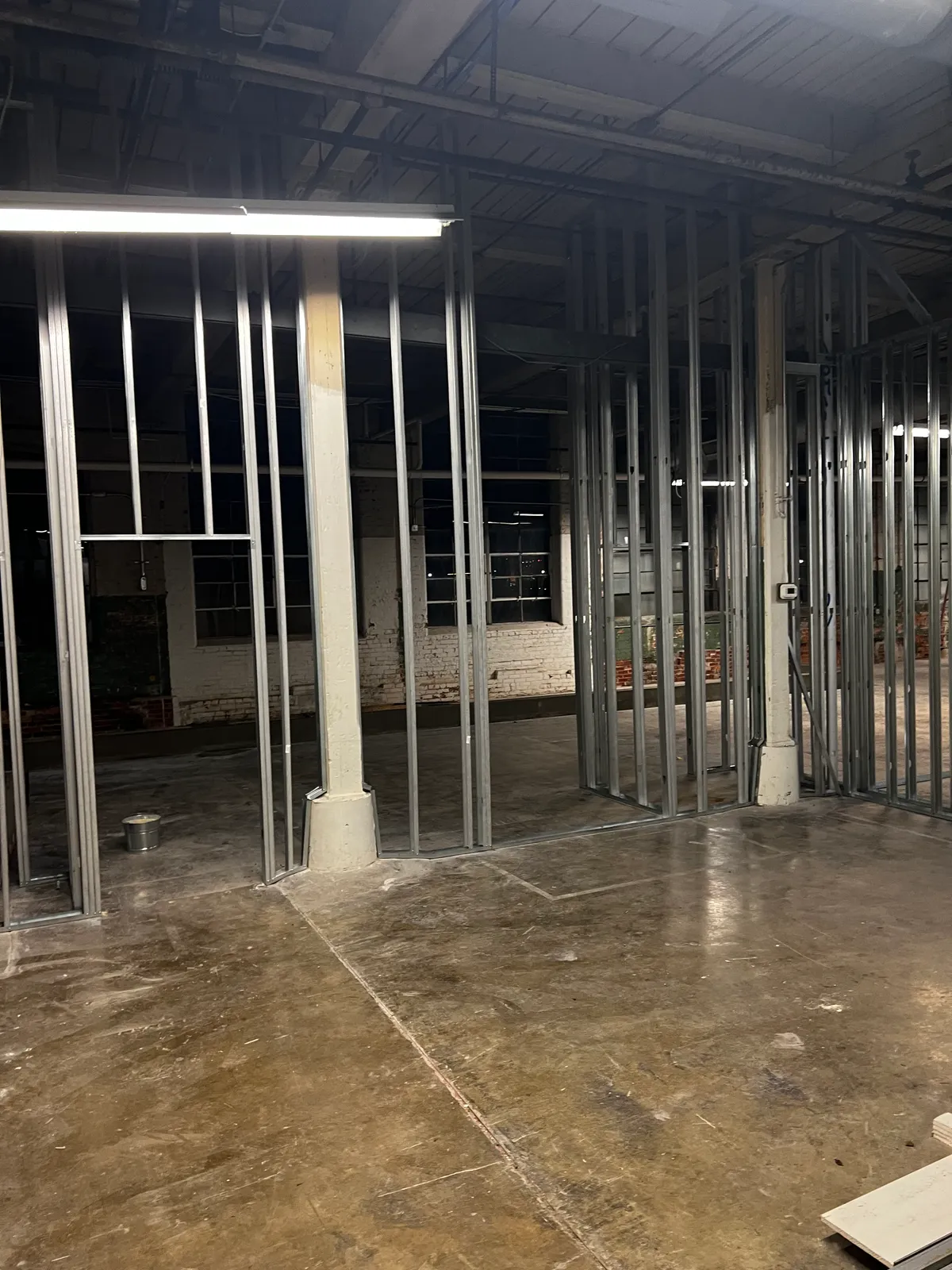
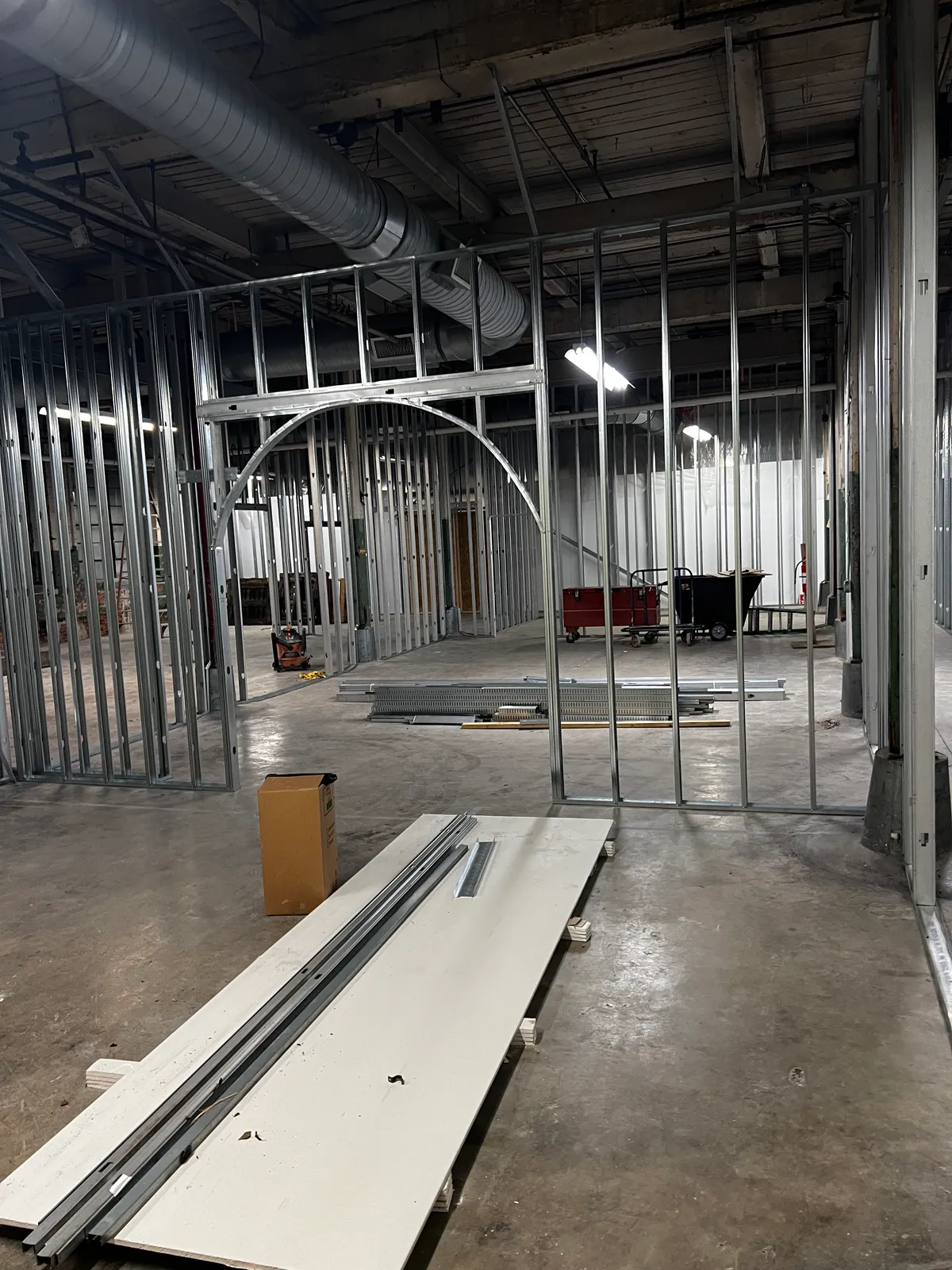
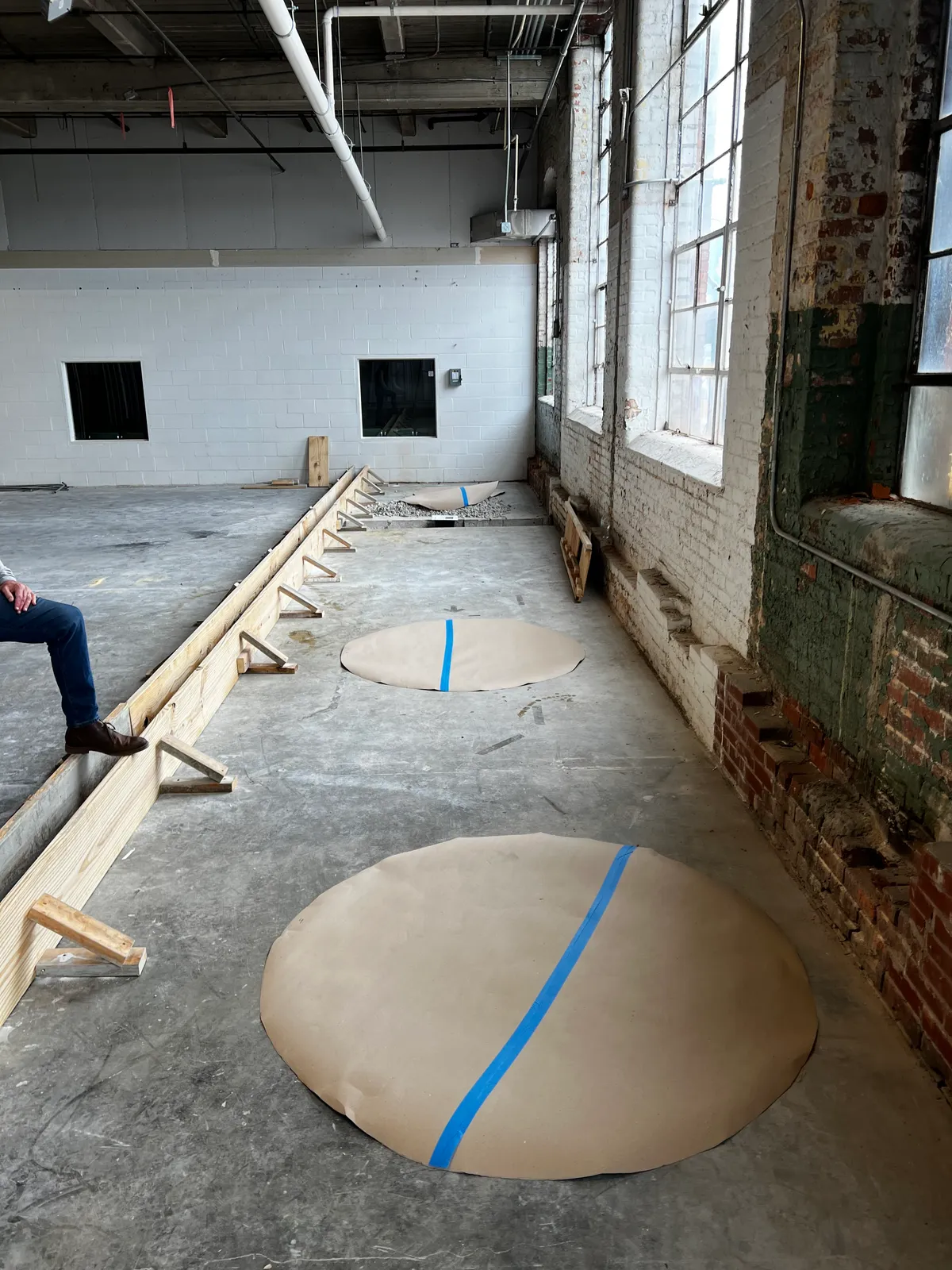
Under the new ownership of Dr. Jim McCarty, Rick Valentine, and Walter Keener, we are going through an enormous growth period for Irons One. We are investing significantly over the next year into new equipment and a new distillery location within Lowe Mill. This expansion will allow us to scale our capacity and broaden our product lineup while staying true to our small craft ways.
We're also the new sponsor of the Rocket City Trash Pandas, so we're putting more into marketing and brand work as well.
We will be a destination distillery. In five years, I expect to be talking about our successes and how we've been able to contribute to our area with premium spirits along with sustainability and accountability. We absolutely love Huntsville, and Alabama.
Sustainability & Stewardship
BM: You're vocal about sustainability in distilling. What does that look like in practice for you?
I consider myself a locavore. I try to use ingredients sourced as close as possible to the distillery. All of our spent grain goes back to local farmers as feed for their animals.
Beyond that, there's a lot distilleries can put into practice right now — managing and recycling water, using renewable energy sources like solar or biomass, turning spent grains into compost or bioenergy, sustainable sourcing, organic farming practices, and packaging innovations like eco-friendly materials or refillable bottle programs.
And then there's the community side of it — education, awareness, sharing sustainable practices with everyone and encouraging the same. All of these practices not only benefit the environment but can enhance your brand's reputation and help attract environmentally conscious consumers.
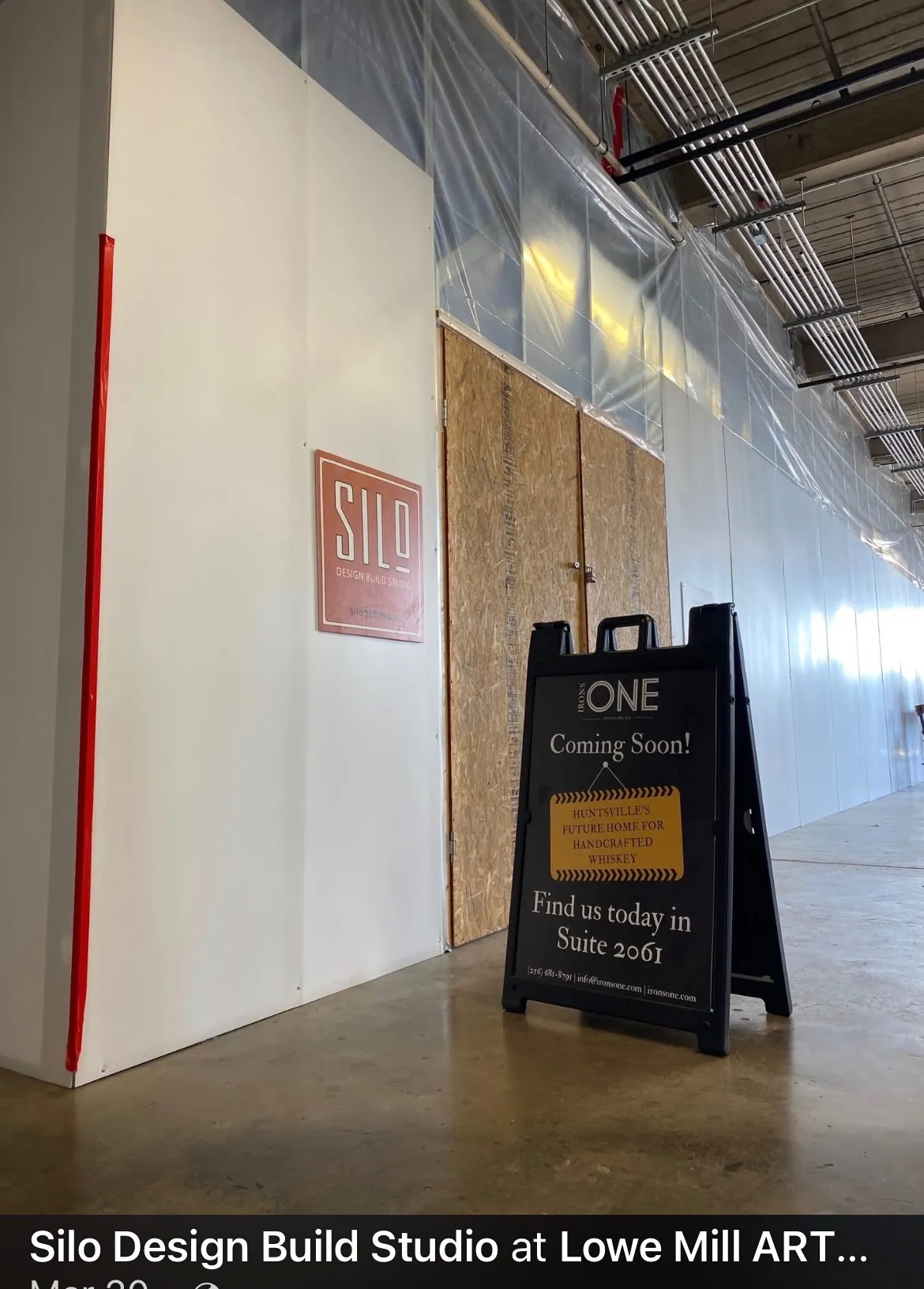
The New Space: Under Construction
About Irons One Distillery
Irons One Distillery is located inside the Lowe Mill ARTS & Entertainment complex in Huntsville, Alabama — one of the largest privately owned arts facilities in the United States. Originally founded by Jeff Irons, who distilled Alabama's first bourbon, the distillery is now owned by Dr. Jim McCarty, Rick Valentine, and Walter Keener, who have invested in a significant expansion to grow Irons One into a destination distillery for the Southeast. With Master Distiller Matthew McLain leading production and operations, a new facility within Lowe Mill on the horizon, and a growing product lineup, the next chapter of Irons One is well underway.
Visit: 2211 Seminole Dr. SW, Studio 2061, Huntsville, AL 35805
Hours: Wednesday – Saturday, 12:00 PM – 6:00 PM
Web: ironsone.com
Instagram: @ironsonehuntsville
The BoozeMakers Interview Series profiles the spirit makers shaping America's craft distilling scene. Know someone we should talk to? Drop us a line.