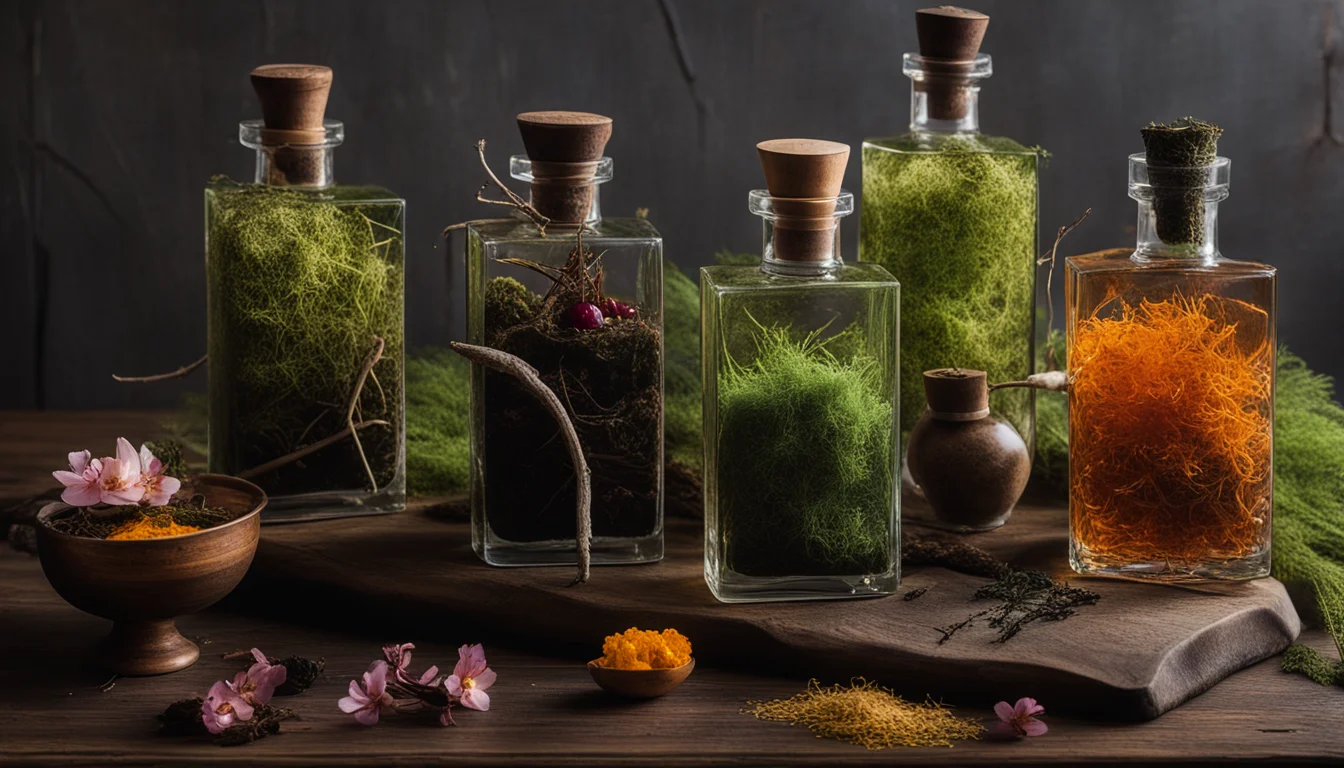
Paul Mathew isn't your typical drinks founder. Before he ever stood behind a bar, he was knee-deep in tropical forests cataloging endangered plant species. That unlikely CV — part botanist, part bartender — is exactly what makes Everleaf one of the most genuinely interesting non-alcoholic brands on the planet.
This profile is compiled from published interviews and public sources about Paul Mathew and Everleaf, including conversations with London Spirits Competition, Vestd, Boisson, and Bartender Spirits Awards.
From Kew Gardens to the Bar
Mathew's father was a botanist at the Royal Botanic Gardens at Kew, working in the Herbarium on irises and crocuses. Growing up surrounded by plants shaped everything that followed — a master's degree in conservation biology, then fieldwork with Fauna & Flora International across Chile, Vietnam, Brazil, and the Caribbean, studying how people use plants sustainably.
But bartending pulled harder than the field station. In 2006, Mathew opened The Hide bar in Bermondsey with a business partner, right as London's cocktail scene was expanding. He eventually co-owned three London bars. His diplomat wife's career kept them traveling — sampling Brazilian caipirinhas, Vietnamese rice wines — experiences that would later inform Everleaf's global botanical palette.
"I'm a picky bartender," Mathew has said in interviews. "I made Everleaf as I didn't have enough products offering me that in the non-alc category when we launched."
Adding, Not Taking Away
Where most non-alcoholic brands start by imitating existing spirits, Mathew took the opposite approach. "I don't want to make a 'non-alc gin' or similar," he's explained, "as you're immediately missing 40% or so of what makes that product what it is."
Instead, he reasoned upward from the drinking occasion: what do people want at 7pm on a Friday? Something complex, bitter, aromatic, grown-up. Then he built the liquid around that desire using plants as raw material. As he's noted: "Two hundred thousand plant species are considered edible, and different parts of the plant may not taste the same. That is one million different flavors and aromas to combine."
The 18-Month Texture Problem
Mathew spent over a year solving the one problem nobody else was talking about: mouthfeel. Most non-alc products nail aroma and flavor but feel like flavored water. Alcohol provides weight, viscosity, warmth — without it, you're hollow.
He dehydrated, ground, and heated plant materials in every configuration imaginable. Some experiments precipitated. Some solidified. The breakthrough came from two ingredients: acacia gum (from the land) and carrageenan from seaweed (from the sea), inspired partly by salep — a historic Eastern Mediterranean drink made from orchid tubers.
"Plants offered all the answers that we needed," Mathew told the London Spirits Competition, "to create a great mouthfeel, great texture, great color, great aroma, and great flavor."
Three Biomes, Fifty Botanicals
Everleaf Forest launched in January 2019 — the most personal expression, drawn from Mathew's conservation fieldwork. Fourteen botanicals including saffron (a nod to his father's crocus work at Kew), Madagascan vanilla, orange blossom, gentian root, and vetiver. He's described the tasting journey as "flowers blooming at the top of the canopy," descending into "rich spice of the trees," with an "earthy, bittersweet roots of the forest floor" finish.
Everleaf Marine captures seaside Mediterranean energy — sixteen botanicals including hand-harvested Irish dulse, kelp, sea buckthorn, Calabrian bergamot, and juniper. Mathew describes the defining note as "that saline umami you get at the back of your nose when you've been in the sea."
Everleaf Mountain was inspired by a bicycle ride through Chinese hills. Twelve botanicals including traditionally fermented Japanese cherry blossom from Shizuoka, wild British strawberry, wormwood, and immortelle — a botanical most drinkers have never encountered in a drink.
Sustainability as Non-Negotiable
Mathew operates on a "Good, Better, Best" sourcing framework. At minimum, Everleaf won't use threatened plants — they removed quassia from Forest when it appeared on the IUCN Red List without verified sustainable sourcing. At the "Best" level, their Madagascan vanilla supply chain funds schooling, adult education, and protected area conservation. Mathew has visited personally to verify.
The brand is B Corp certified (2023), carbon neutral through ClimatePartner, and a 1% For The Planet member, donating to Fauna & Flora International, Plantlife, and SeaTrees — marine, forest, and mountain conservation projects matching their three biomes.
"Ask lots of questions and keep asking them," Mathew has advised other brands. "Recognize that it's not a one-time commitment — suppliers have switched sources without notification."
Building Through COVID and Beyond
Pre-COVID, 80% of Everleaf's sales came from bars and restaurants. The pandemic forced rapid diversification into retail and direct-to-consumer — channels that proved valuable enough to keep permanently. The brand is now in approximately 3,000 UK bars and restaurants, available through Ocado, and in the US through Boisson.
Looking back, Mathew told Vestd that his biggest mistake was "trying to do too much myself in the beginning. I needed to recognize that there are people that can do almost all parts of the business better than I can."
The Bigger Picture
Mathew's vision extends beyond his own brand. "I want non-alcoholic drinks to stop being a category," he's said. He envisions "a spectrum of delicious drinks, some of which are full strength, some mid, and some non-alc, across every category."
For home, his recommended serve is simple: 50ml over ice, 150ml light tonic, plenty of garnish. Forest with orange slices. Marine with lime. Mountain with strawberry. Let the botanicals do the talking.
Everleaf Drinks — Forest, Marine, and Mountain are available through their website, select UK retailers, and approximately 3,000 bars. US availability through Boisson.