On December 18, 2024, the Alcohol and Tobacco Tax and Trade Bureau did something the American craft whiskey industry had been petitioning for since 2017: they made American Single Malt Whisky a federally recognized category. One hundred percent malted barley. Mashed, distilled, and aged in the United States. Distilled at one U.S. distillery. Stored in oak barrels of 700 liters or less. Bottled at no less than 80 proof. The rule went into effect on January 19, 2025, and a category that had been ranking at international competitions for fifteen years finally had a label the federal government would print on the bottle.
If you want to know who wrote that ruling, in spirit if not in word, fly into either Sea-Tac or PDX. The American Single Malt Whiskey Commission was co-founded in 2016 by a small group of distillers who'd been doing this work in the cool, wet, quiet corners of the Pacific Northwest for years. Westland was already winning awards in Europe before most of America had heard of the category. McCarthy's had been making peated single malt in Oregon since 1996. Westward, Copperworks, Bull Run — they didn't reinvent American whiskey because they wanted to. They reinvented it because they had to. Kentucky was already taken.
This is the four-day route that connects them. Seattle to Portland to Hood River, twelve distilleries that matter, the brewpubs and steakhouses to break up the tasting, and the bottles worth shipping home before you fly out. We've been tracking this region since the original Westland Sherry Wood release. The notes that follow are what we'd hand a friend on Friday night the week before he flies out.
Distillery Directory(6 of 6)
Bainbridge Organic Distillers
Bainbridge Island, WA
Washington's first USDA-certified organic distillery. Battle Point Wheat is the American wheat-whiskey benchmark.
Bull Run Distillery
Portland, OR (NW Industrial)
Bull Run watershed water, 100% Oregon-select malted barley, 5-year minimum aging in new American oak.
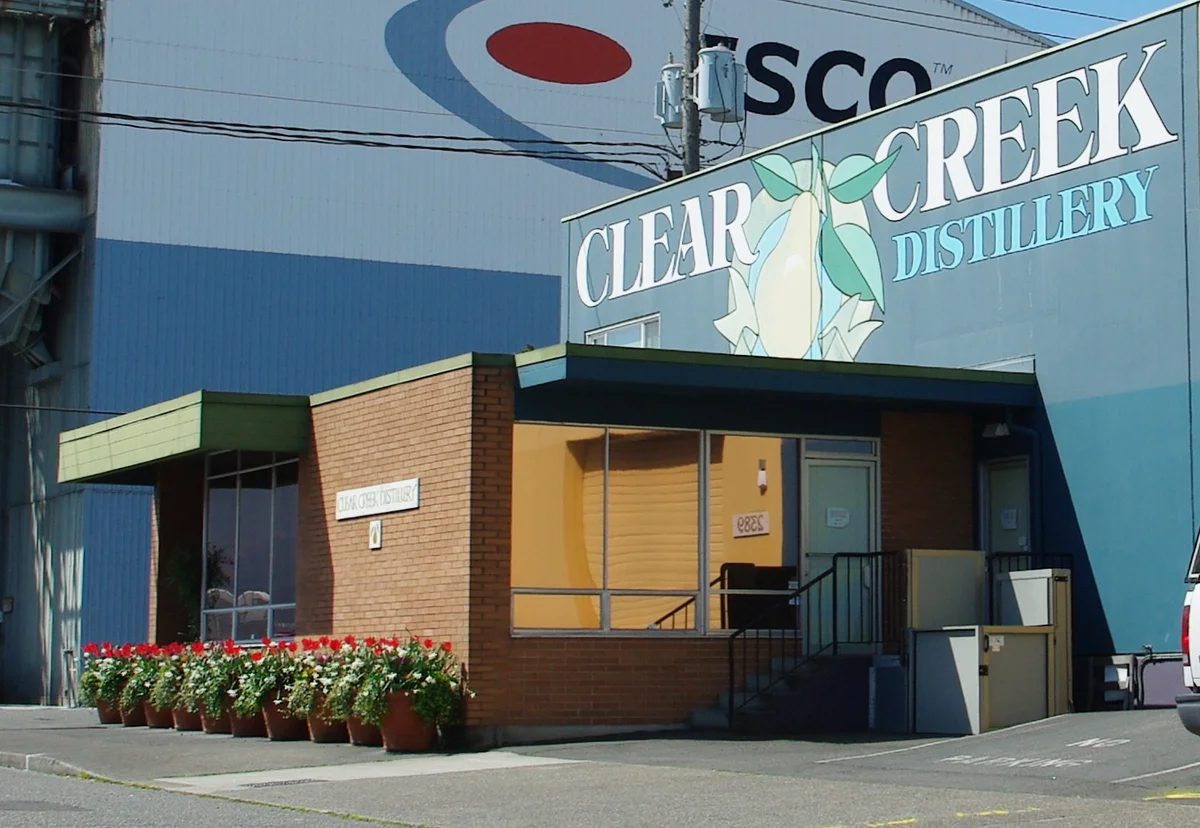
Clear Creek Distillery (McCarthy's)
Hood River, OR
Steve McCarthy's Oregon Single Malt — the first heavily peated American single malt (since 1996). Now owned by Hood River Distillers.
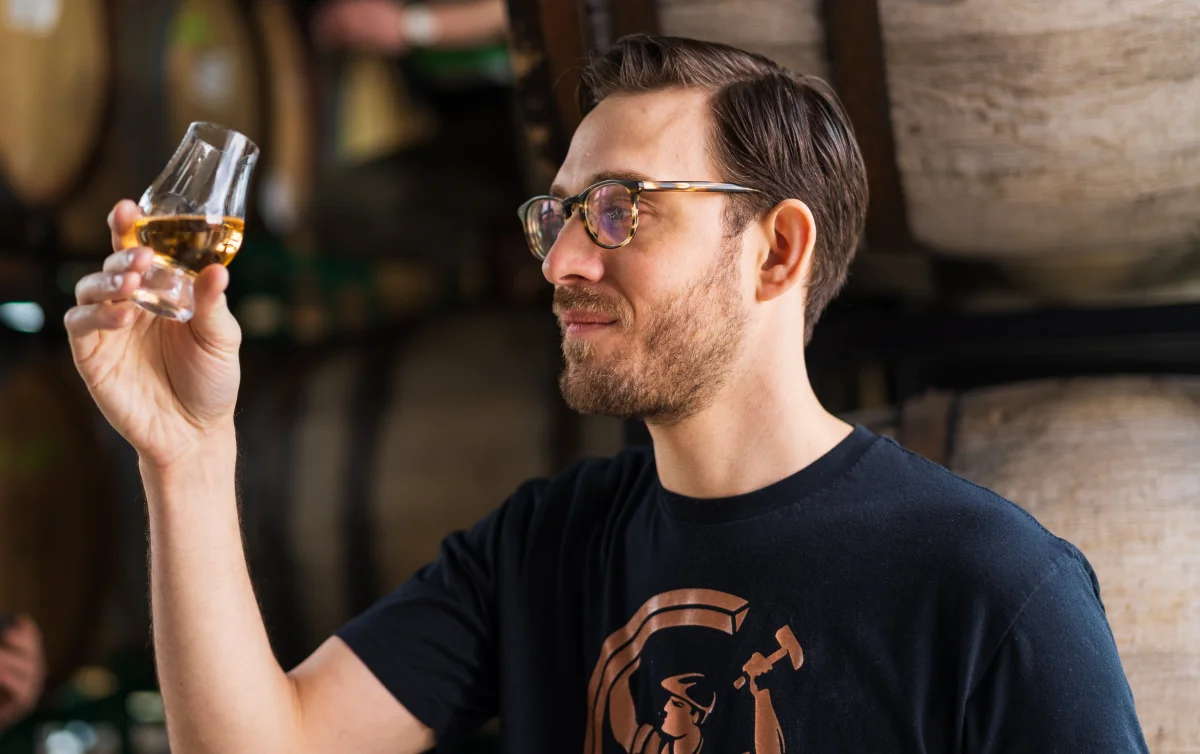
Copperworks Distilling
Seattle, WA (Waterfront)
2018 ADI Distillery of the Year. Single-batch, single-cask, single-mash-bill — every release numbered.
Westland Distillery
Seattle, WA
American Single Malt pioneer in SoDo. Founded 2010. Native PNW oak (Garryana) program is the rarity to chase.
Westward Whiskey
Portland, OR (Distillery Row)
Six-person tour cap, brewery-style fermentation, ex-stout cask finishes from Portland breweries.
Photo credits
- Copperworks Distilling: Courtesy of Copperworks Distilling Co., Press photo — editorial use
- Clear Creek Distillery (McCarthy's): M.O. Stevens (User:Aboutmovies), CC BY-SA 3.0
Three ways to do this trail depending on how much time you have. Switch between them to see what fits and what gets cut.
City-only PNW. Skip Hood River and the Bainbridge ferry. Two days in Seattle, one in Portland.
Seattle — Westland + Copperworks
Both Seattle distilleries in one day. Westland mid-morning, Copperworks afternoon. Dinner at Canlis or Quinn's.
Drive south to Portland · Westward
I-5 south in the morning (~3 hrs). Afternoon Westward tour with the welcome cocktail. Dinner at Le Pigeon.
Bull Run · Fly home
Morning Bull Run tasting room. Lunch at Pine State Biscuits. Fly home from PDX in afternoon.
Use the Drive Time Matrix above to refine timing if you adjust the route.
Pick a starting distillery; see the time and distance to each of the others. Stops on the same trail page.
| Destination | Distance | Drive Time | Notes |
|---|---|---|---|
Westward Whiskey Portland, OR (Distillery Row) | 175 mi | 3h 0m | I-5 south. 3 hours sober. Add 30-60 min in commuter traffic. |
Copperworks Distilling Seattle, WA (Waterfront) | 4 mi | 12 min | SoDo to Alaskan Way — under 15 min. |
| Clear Creek Distillery (McCarthy's) | — | ||
| Bull Run Distillery | — | ||
Bainbridge Organic Distillers Bainbridge Island, WA | 18 mi | 1h 10m | Includes 35-min Bainbridge ferry from Colman Dock. Drive-on with rental. |
Times are rough sober-driving estimates. Add 25-50% during peak commute hours in cities.
Hotels and restaurants by city, picked for proximity to the distilleries on this trail.
Hotel Sorrento
Seattle (First Hill)
Italianate 1908 historic, walking distance to most of First Hill.
Thompson Seattle
Seattle (Pike Place)
Modern, waterfront views, rooftop bar.
The Edgewater
Seattle (Pier 78)
Historic — hosted The Beatles in '64. On-the-water rooms.
Hotel deLuxe
Portland (downtown)
Boutique classic Portland, walkable to restaurants.
The Heathman
Portland (downtown)
Literary, old-school. The bar is the point.
The Hoxton, Portland
Portland (Old Town)
Modern, design-forward, central.
Society Hotel Bingen
Hood River
Boutique on the Columbia Gorge, walking distance to pFriem.
What to chase at the distillery, what to skip and buy back home, and what's only available on the resale market.
Westland Garryana
Westland Distillery · Seattle, WA
Annual native-PNW-oak release. Distillery has best chance for first 2-3 weeks.
Westland Sherry Wood
Westland Distillery · Seattle, WA
Annual sherry-cask finish.
Westland Flagship
Westland Distillery · Seattle, WA
5-malt blend, the everyday Westland.
Copperworks Numbered Release
Copperworks Distilling · Seattle, WA (Waterfront)
Each release is numbered and small. Distillery is the most reliable source.
Only available at the distillery itself — buy on the trip or you won't get one.
Copperworks Farmsmith Series
Copperworks Distilling · Seattle, WA (Waterfront)
Single-farm/single-malt-variety releases. Distillery-only by design.
Only available at the distillery itself — buy on the trip or you won't get one.
Westward American Single Malt Cask Strength
Westward Whiskey · Portland, OR (Distillery Row)
Cask-strength flagship. Distillery + select retailers.
Westward Stout Cask
Westward Whiskey · Portland, OR (Distillery Row)
Imperial-stout-cask-finished. Annual.
McCarthy's Oregon Single Malt
Clear Creek Distillery (McCarthy's) · Hood River, OR
100% peated barley. The original American peated single malt.
McCarthy's Oloroso Cask Finish
Clear Creek Distillery (McCarthy's) · Hood River, OR
95-point Whisky Advocate. Limited annual.
Bull Run Oregon Single Malt 5-Year
Bull Run Distillery · Portland, OR (NW Industrial)
Bull Run watershed water. The PNW bourbon-drinker pour.
Bainbridge Battle Point Wheat Whiskey
Bainbridge Organic Distillers · Bainbridge Island, WA
USDA organic wheat. Best Wheat Whiskey at SF World Spirits Comp.
Bainbridge Two Islands Hokkaido Mizunara
Bainbridge Organic Distillers · Bainbridge Island, WA
Mizunara cask finish. Limited annual; mostly distillery-only.
Only available at the distillery itself — buy on the trip or you won't get one.
Click each row to cycle through not started → researching → booked. Saved in this browser; survives a refresh.
What to order at the bourbon bars between distilleries on the The Pacific Northwest Whiskey Trail. Each entry has the recipe, the right time to order it, and the line to give a bartender to get it the way you want.
The Build
- 2 oz whiskey (anything 90+ proof)
- 1 sugar cube (or 1/2 tsp simple syrup)
- 2-3 dashes Angostura bitters
- Orange peel garnish, no fruit muddling
- One large ice cube — never crushed ice
Ask the bartender
"Old Fashioned, please — whiskey-forward, no fruit, large cube."
Bourbon style
High-rye 90-100 proof bourbons. The rye spice cuts the sugar and bitters.
Why the Pacific Northwest is the right place for a whiskey trip
Three things make the PNW different from any other American whiskey region, and they all start with what's in the field, what's in the rickhouse, and what's pouring at the bar.
The barley. Skagit Valley in Washington and the Willamette Valley in Oregon grow some of the best malting barley in North America. The cool, marine-influenced climate produces lower-protein, plumper kernels — the same conditions that made Scotland and Ireland the world's malt whiskey capitals. When Westland's founders started the distillery in 2010, they didn't have to import from Scotland to get great malt. They drove a truck two hours and bought it from people they knew by name. Skagit Valley Malting and Mainstem Malt now supply much of the region's craft single malt grain bill.
The climate. Kentucky aging is a violent affair — 100° summers, 20° winters, the barrel breathing in and out hard. PNW aging is gentler. Cool maritime summers, mild winters, less aggressive evaporation, slower oak interaction. A four-year PNW single malt can taste rounder and more developed than a four-year bourbon because the barrel's been working the spirit at a different rhythm. The angels share less. The whiskey integrates more.
The brewing pedigree. Seattle and Portland sit at the heart of American craft beer. Copperworks' founders came directly from the brewing world. Westward's flagship single malt is fermented like a stout — slow, with brewing yeast — and finished in ex-stout casks from Portland brewers. The brewery-to-distillery pipeline gave the PNW a head start on grain knowledge, fermentation discipline, and the philosophical comfort with calling beer a flavor input. That's why a PNW single malt tastes different from a Speyside. The DNA is American craft beer.
Three drives, two cities, one ferry, and the country's most distinctive American whiskey scene. Here's how to do it right.
The flagship distilleries — what to drink, where to taste, what makes them matter
1. Westland Distillery — Seattle, SoDo
Founded in 2010 by Emerson Lamb and Matt Hofmann in a converted SoDo industrial space about five blocks south of the stadiums, Westland is the closest thing American Single Malt has to an icon. They're the distillery most often credited with proving that 100% malted barley whiskey could be made at scale in the United States and compete internationally. Acquired by Rémy Cointreau in 2017, Westland has used the parent-company resources to do something rare: stay weird. They're still in the same building. They still make Garryana — the only whiskey in the world aged in barrels coopered from Quercus garryana, the native Pacific Northwest oak. They still release single-cask experiments that lose money on purpose because someone in the lab wanted to know.
The flagship — labeled simply Westland Flagship — is a five-malt blend aged in new American oak with a touch of Oloroso sherry-cask and lightly peated component. It's the bottle to reach for when you want to taste the house style. Toasted brioche, dried apricot, baking-spice oak, a quiet ribbon of sea-air smoke at the back. The other expression worth knowing is Garryana, the annual edition aged in those native-oak barrels — bigger, leathery, more savory, with a tannin profile no other whiskey on the planet has.
The visitor experience is excellent. The 45-minute distillery tour is followed by a 45-minute seated tasting, capped at 16 guests, and tickets sell out on weekends. The tasting room and bottle shop are open daily for walk-in pours. Address: 2931 1st Ave S, Seattle.
2. Copperworks Distilling Company — Seattle, Waterfront
Founded in 2013 by Jason Parker and Micah Nutt — both veterans of Pike Brewing — Copperworks sits in a turn-of-the-century building on Alaskan Way with full views of Elliott Bay. Parker's prior career as a brewer informs everything about how Copperworks makes whiskey: every batch starts with a brewery-style mash, often using malt varieties supplied by a specific Skagit Valley malthouse for that release. The whiskey is single-batch, single-cask, single-mash-bill. They number every release, and the differences batch to batch are the point of the brand.
The flagship American Single Malt Whiskey Release rotates — current releases are numbered into the 060s — and each one tells you the malt variety, the cask, the proof, and the date of the run. The 2018 American Distilling Institute "Distillery of the Year" win belongs to Copperworks, and it tracks. They're meticulous in a way that rewards a slow tasting flight. Look for the Farmsmith series — single-farm, single-malt-variety releases that read like vintage wine bottlings.
The distillery is open every day for tastings; tours run Friday and Saturday or by appointment. There's also a Copperworks cocktail bar in Kenmore, north of the city, if you want a different angle. Address: 1250 Alaskan Way, Seattle.
3. Westward Whiskey — Portland, Distillery Row
The brand started in 2004 as a single-malt project inside House Spirits Distillery — the same Portland operation that gave us Aviation American Gin. As the single malt outgrew the house, it spun into Westward Whiskey, the brand and the building. Today Westward is independently owned and operates out of a Distillery Row tasting room and production space at 65 SE Washington Street, on the east side of the river just past the Hawthorne Bridge.
The Westward house style is more aggressive than Westland's — bigger fermentation profile, hotter cuts, ex-stout-cask finishing on much of the production. The flagship Westward American Single Malt tastes like dark chocolate, espresso bean, dried cherry, and a long warm fade. The Westward Cask Strength is what we'd ship home if we could only ship one bottle. Westward Stout Cask finishes the whiskey in barrels that previously held imperial stout from Portland breweries — the closest a non-Scottish whiskey gets to the umami depth of a great Speyside finish.
The tour is intimate. Six guests max, $30 per person, includes a welcome cocktail, the grain-to-glass walkthrough, and a guided tasting of the lineup. Reserve through Tock — weekend slots disappear two weeks out. Tasting room hours: Monday 12–6, Thursday–Sunday 12–8.
4. Clear Creek Distillery — Hood River (and Portland tasting)
Founded in 1985 by Steve McCarthy in Portland's Pearl District, Clear Creek is the most historically important name on this trail. McCarthy was a fruit guy first — Clear Creek made (and still makes) some of the world's best eau de vie from Oregon orchards. But in 1996 he released McCarthy's Oregon Single Malt, made from 100% peat-malted barley imported from Scotland, distilled in a Holstein pot still, and aged three years in air-dried Oregon oak. It is, by most accounts, the first heavily peated single malt whiskey ever produced in the United States. Whisky Advocate has scored every expression in the McCarthy's lineup at 92 or higher. The Oloroso Cask Finished release pulled a 95.
Hood River Distillers, the Oregon-based parent of Pendleton, Hood River Vodka, and several heritage Oregon brands, acquired Clear Creek in 2014. Steve McCarthy passed in 2021 — but the production methods are unchanged, the recipe is unchanged, and the whiskey still tastes like a peated single malt that grew up smelling Pacific Northwest cedar smoke. The bottle is 85 proof, no chill filtration. If you want to know what an American take on Islay tastes like, this is where it starts and arguably where it ends.
The Hood River tasting facility is the day-trip destination from Portland (about 60 minutes east on I-84, through the Columbia River Gorge — one of the prettier drives in the lower 48). Clear Creek bottles are also poured at the Hood River Distillers visitor center. Confirm hours by phone before you drive — the facility schedule is more limited than the urban distilleries.
5. Bull Run Distillery — Portland, NW Industrial
Founded in 2010 by lifelong Oregonian Lee Medoff, Bull Run is named after the Bull Run watershed — the protected forest reservoir that supplies Portland's drinking water and, by extension, every drop in Bull Run's stills. Two custom 800-gallon copper pot stills run in their NW Portland production space. Single malt has been the flagship since day one, but the lineup also includes a Pacific rum, a vodka, and a recent expansion into bourbon and rye that uses Pacific Northwest grain.
The Bull Run Oregon Single Malt is made from 100% Oregon-select malted barley and aged a minimum of five years in new American charred oak — a longer-than-typical maturation that gives the whiskey a more developed oak signature than the lighter, fresher PNW peers. Caramelized banana, oak vanilla, dried fig, a long earthy finish. It drinks more like a bourbon than a Speyside. That's deliberate.
Bull Run does not run daily distillery tours due to production-floor constraints, but the tasting room is open Wednesday through Sunday from noon to 6pm. Walk-in tastings are available. They also stock merchant-bottled releases — independent picks from other distilleries — that are often the most interesting pours in Portland.
6. Bainbridge Organic Distillers — Bainbridge Island
The ferry ride to Bainbridge Island is itself a reason to do this. Thirty-five minutes across Puget Sound on the Washington State Ferry, with views of the Seattle skyline behind you and the Olympics rising in front. Bainbridge Organic Distillers is a five-minute drive from the terminal — Washington State's first USDA-certified organic distillery, founded in 2009 by Keith Barnes.
The flagship Battle Point Wheat Whiskey is the bottle to know. 100% USDA organic soft white wheat sourced from local Washington farms, aged 6+ years in new #3 charred American white oak. It won Best Wheat Whiskey at the San Francisco World Spirits Competition. Wheat whiskey is a quieter category than bourbon or single malt — softer, sweeter, breadier — and Bainbridge's version is the one most often cited as the American benchmark. They've also released Two Islands finishes, including a Hokkaido mizunara cask version that takes the wheat into territory most American whiskeys don't visit.
Tours and tastings run Wednesday through Sunday — closed Monday and Tuesday. The tasting room overlooks the production floor. Address: 9727 Coppertop Loop NE, Bainbridge Island.
The tier-two stops worth a detour
If you have an extra day or you're already in the area:
- Heritage Distilling Co. (Gig Harbor, WA) — fast-growing, multi-tasting-room operation. Their Brown Sugar Bourbon is the volume play; the Cask Club program is the connoisseur draw.
- Stein Distillery (Joseph, OR — far Eastern Oregon) — only worth the drive if you're already heading to the Wallowas. Family farm, grain-to-glass, four-generation Oregon family.
- Ransom Spirits (Sheridan, OR) — wine-country adjacent. The Whippersnapper American Whiskey is a smart, lower-proof entry point.
- Rolling River Spirits (Portland) — Distillery Row member with strong gin and an interesting young whiskey program.
- New Deal Distillery (Portland) — Distillery Row staple. Better known for gin and vodka, but the whiskey lineup is growing.
- Aria Portland Dry Gin / 4 Spirits — both worth a tasting room stop if your itinerary lands you near them.
The four-day route — Seattle to Portland to Hood River
Day 1 — Seattle
Morning: Copperworks Distilling. Open at 12pm; book the Friday or Saturday tour ahead. Walk to the waterfront afterward, take in the Sound, lunch on the way down to SoDo.
Lunch: Salumi Artisan Cured Meats (309 3rd Ave S) — Mario Batali's family deli, fifteen minutes from Copperworks, the muffuletta is the play. Café Campagne in Pike Place is the tablecloth alternative.
Afternoon: Westland Distillery. The flagship 90-minute experience (45 tour, 45 tasting). Reserve at least two weeks out for a weekend slot. Cap the day in the bottle shop. Garryana is the take-home if it's in stock.
Dinner: Canlis if it's a special trip ($$$$, jacket recommended, reserve a month ahead). Spinasse on Capitol Hill if you want fresh pasta and a long pour list. Quinn's Pub if you want elevated Pacific NW pub food and an excellent whiskey selection without the formal tab.
Lodging: Hotel Sorrento (Italianate, classic, walking distance to most of First Hill). Thompson Seattle if you want modern + waterfront views. The Edgewater if you've always wanted to stay in the hotel that hosted The Beatles in '64.
Day 2 — Bainbridge ferry day, then drive south
Morning: Take the 8:45 or 9:35 ferry from Colman Dock to Bainbridge Island. Drive-on with your rental — you'll need it on the island and for the road south. Coffee at Pegasus Coffee House by the terminal once you arrive.
Late morning: Bainbridge Organic Distillers tour and tasting. Pick up a bottle of the Battle Point Wheat — it's hard to find on the road.
Lunch: Hitchcock Restaurant on Bainbridge Island (133 Winslow Way) — local Pacific Northwest seasonal, walkable from the distillery and the ferry.
Afternoon: Drive south on I-5. Seattle to Portland is roughly 175 miles, three hours sober, a little more if you stop at Olympia Coffee Roasters in the capital. Cross the Columbia at Vancouver, WA, into Portland by late afternoon.
Dinner: Le Pigeon (738 E Burnside) — small, loud, exceptional, the kind of menu you let them choose for you. Andina for Peruvian if you're still feeling adventurous.
Lodging: Hotel deLuxe (boutique, classic Portland, walkable). The Heathman (literary, old-school, the bar is the point). The Hoxton if you want a modern, design-forward Old Town stay.
Day 3 — Portland's Distillery Row
Buy the Distillery Row Passport ($30 at distilleryrowpdx.com) before you start. It waives tasting fees at participating distilleries and gives you a 1.5-mile walking-distance route through the central east-side cluster. Pick it up at any participating location.
Morning: Westward Whiskey. The 11am or 12pm tour slot is the play. Six-person cap, $30 per person, includes a welcome cocktail and a guided flight. This is the deepest single-distillery experience on the trail.
Lunch: Pine State Biscuits on SE Belmont — the Reggie Deluxe is the Portland sandwich. Olympia Provisions for the salumi flight if you'd rather sit down.
Afternoon: Walk Distillery Row. New Deal Distillery (gin focus, but a smart whiskey flight), Rolling River, House Spirits if it's still running tastings. Pace yourself. The passport rewards stamina but not stupidity.
Late afternoon: Bull Run Distillery. NW Industrial — about 15 minutes from the east side by car or rideshare. Walk-in tasting (no production tour). The bottle to take home: the Oregon Single Malt 5-year. While you're there, browse their merchant-bottled selections — Bull Run picks single casks from other distilleries that you can't get anywhere else.
Dinner: Toro Bravo (Spanish small plates, loud, good). Imperial in the Hotel Lucia for a more classic Portland steakhouse experience. Higgins for chef Greg Higgins' farm-to-table Northwest, a Portland institution since 1994.
Day 4 — Hood River and the Columbia Gorge
Morning: Drive east on I-84. Portland to Hood River is about 60 miles, an hour, and one of the most beautiful drives in the country. Stop at Multnomah Falls (about 30 min in) — the iconic Oregon waterfall view, takes 20 minutes to walk to the bridge.
Mid-morning: Clear Creek / Hood River Distillers. Confirm tasting hours by phone the day before. The Hood River facility is more industrial than tourist-friendly, but the McCarthy's lineup pours here are unmatched. Buy at least one bottle of McCarthy's Oregon Single Malt and one Oloroso Cask Finish if it's available.
Lunch: pFriem Family Brewers in Hood River — the brewery whose imperial stout barrels show up in Westward's casks. The pretzel-and-mustard board pairs with their Pilsner. Solstice Wood Fire Cafe for the wood-fired pizza alternative.
Afternoon: Drive back via the Historic Columbia River Highway instead of I-84 if time allows — slower, two-lane, the scenic version that runs through Crown Point and Vista House. Loop back into Portland for one more dinner or fly out from PDX in the evening.
The bottles to bring home
If you can only ship six bottles, here's the case we'd send.
- Westland Garryana (annual release, ~$130). The native-oak whiskey that exists nowhere else. Leather, dried date, savory tannin. The bottle to bring out at the dinner-party tasting flight when you want to surprise people.
- Westward American Single Malt Cask Strength (~$90). The proof-strength version of the Westward house style. Dark chocolate, dried cherry, espresso. The pour the bourbon-snob friend will tell you doesn't taste American.
- McCarthy's Oregon Single Malt (~$60). The OG American peated. Wood smoke, sea air, brine. If you love Islay, this is the U.S. version of the conversation.
- Copperworks American Single Malt (current numbered release, ~$80). The brewer's whiskey. Different malt variety per batch. Buy whatever's current.
- Bull Run Oregon Single Malt 5-Year (~$70). The PNW whiskey for the bourbon drinker. Caramel, vanilla, fig, oak.
- Bainbridge Battle Point Wheat Whiskey (~$80). The benchmark American wheat. Soft, breadie, surprising. Exposes how blunt most wheat-whiskey marketing actually is.
The Westland Garryana is the rarity to chase if it's in stock. Westward Cask Strength is the bottle most likely to convert someone who thinks American = bourbon. McCarthy's is the one to gift to a friend who collects Islay. Anything you ship can usually be packed by the tasting-room staff for FedEx or UPS, but confirm — Oregon and Washington both allow direct-to-consumer shipping to most states, with exceptions.
Practical logistics
Best months to visit. May through early October. The PNW summer is famously dry and mild — 70s, low humidity, long days, no humidity tax on your whiskey palate. November through February is wet enough that some smaller distilleries reduce hours, and Hood River Gorge driving is genuinely affected by storms. April and October are the shoulder months that locals love but you'll see grey weather. Avoid the second week of February (Seattle and Portland's worst weather window) and the last week of December (most distilleries close for the holiday).
Airport priority. If you can only fly into one, fly into PDX. Portland International is closer to more of the distilleries on this trail (Westward, Bull Run, Distillery Row, Clear Creek, Bainbridge if you're willing to drive 4 hours one way), and it consistently scores in the top three U.S. airports for traveler experience. SEA is the right choice if you want to start in Seattle and end in Portland, returning home from PDX. Many trip plans do exactly this — fly into SEA on Friday, fly out of PDX on Tuesday — but you'll need a one-way rental car (most major chains support this between SEA and PDX with no drop fee).
Tour booking lead times. Westland: two weeks for weekends, one week for weekdays. Westward: two weeks for weekends, one week for weekdays. Copperworks: Friday and Saturday slots fill a week out. Smaller distilleries (Bull Run, Bainbridge): typically same-week or walk-in. Reserve through each distillery's site or through Tock for the bigger ones.
The Distillery Row Passport ($30). Worth it if you're doing more than two Distillery Row stops. Waives tasting fees at participating distilleries, includes tasting notes and cocktail recipes for each location, plus seasonal promotions. Buy at any participating distillery or at distilleryrowpdx.com.
The Northwest Whiskey Trail. A cross-state passport program that connects participating distilleries in Oregon, Washington, and British Columbia. Less concentrated than Distillery Row but worth checking if your itinerary spans multiple cities.
Designated driving and rideshare. Portland's Distillery Row is walkable. Seattle's distilleries are spread enough that you'll want a car or rideshare between them. Treat tastings like wine tastings — small pours, pace yourself, and trade off driving days. PDX-area rideshare is reliable. Seattle's rideshare is reliable but expensive.
Frequently asked questions
Can I drive between Seattle and Portland in one day?
Yes. It's about 175 miles via I-5, three hours sober, three-and-a-half with stops. We'd recommend doing it as Day 2 of a four-day trip — morning in Seattle (Bainbridge ferry), afternoon driving south, evening in Portland. Don't try to taste in both cities the same day. Pick a city per day.
What's the actual difference between American Single Malt and Scotch Single Malt?
Three things. First, terroir — American single malts get their malt from American farms, primarily PNW barley, which has a different flavor profile than Scottish or Irish malt. Second, oak — most American single malts use new American oak charred barrels (which adds vanilla, caramel, baking-spice notes) where Scotch typically uses ex-bourbon or sherry casks. Third, climate — American climates are generally hotter than Scottish ones, leading to faster oak interaction and a different aging curve. The TTB definition (Dec 2024) made the category federally recognized but didn't change anything about how it's made — distilleries like Westland and Westward had been following these standards voluntarily for over a decade.
Do I need a designated driver?
Yes, in Seattle. Distilleries are spread across SoDo, the waterfront, and Bainbridge — too far to walk between. In Portland, the Distillery Row cluster is walkable for the central five distilleries; you'll only need a car or rideshare to get to Bull Run (NW Industrial) and out to Hood River. We typically recommend rideshare in both cities and a rental for the inter-city drives.
What if I only have two days?
Pick Portland. The Distillery Row passport gives you Westward, Bull Run, and four to five smaller distilleries within a 1.5-mile walking radius. You can knock out a serious whiskey weekend without leaving the east side. Add a half-day drive to Hood River for the McCarthy's pour if you have any time at all. Save Seattle for the next trip.
The why-now
For fifteen years, American Single Malt was a regulatory orphan. The category had a trade association, dozens of producers, hundreds of award-winning bottlings, and no federal definition. Customs paperwork called it "whisky." Spirits competitions had to invent their own categories to judge it. The American Single Malt Whiskey Commission, founded in 2016, lobbied the TTB for a standard of identity year after year. On December 18, 2024, they got it. Effective January 19, 2025, the federal government printed the words on the bottle.
The Pacific Northwest distilleries on this trail are the ones who made that ruling necessary. Westland was already winning Best in Class at international competitions before the category was federally recognized. McCarthy's had been making peated single malt for nearly thirty years. Westward, Copperworks, Bull Run, Bainbridge — they didn't wait for permission to make whiskey that didn't fit the bourbon mold. They just made it, won awards with it, and let the rules catch up.
Go this summer. Walk Distillery Row. Take the ferry to Bainbridge. Drive the Gorge to Hood River. Bring a friend who thinks American whiskey ends at the Kentucky border, and pour them a Westland Garryana, a Westward Cask Strength, and a McCarthy's neat. Watch their face change. That's the trip.
Plan another trip — more trail guides
The Boozemakers Annual · Coming Soon
The bottles to bring back home
The year’s Best 100 bottles — the bottle picks behind every distillery in this guide, scored and price-stamped. Use code HALFOFF for $14.50.
Join the launch waitlistOur Spirits Partner
Stock up before the trip
Cask Cartel ships allocated and hard-to-find bottles nationwide. Worth a look before you fly out — line up the pours you want to taste so you know what’s worth hunting for on the trail (and hauling home in the carry-on).
Shop bottles at Cask Cartel