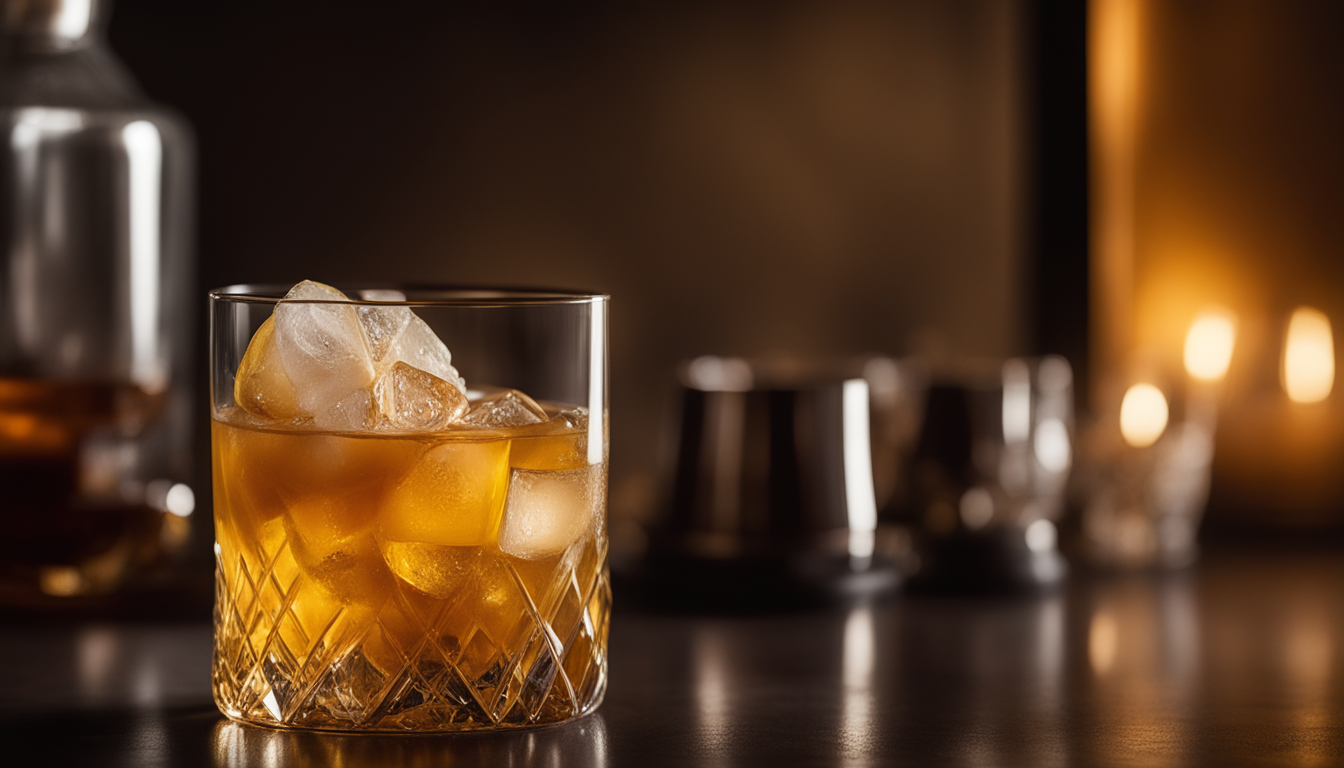
I first had a proper Penicillin at Death & Co in New York, around 2009. The bartender—who had that particular mix of precision and showmanship that defined that era of cocktail culture—set down a rocks glass with a single large ice cube and a drink that smelled like a peat fire and a beehive had reached a gentleman's agreement. One sip, and I understood why everyone wouldn't shut up about this cocktail.
Sam Ross created the Penicillin in 2005 while working at Milk & Honey, Sasha Petraske's legendary speakeasy that helped launch the modern cocktail renaissance. The drink was an immediate hit, and within a few years it had spread to bars across the world. Today, you can order a Penicillin in Tokyo, London, Sydney, and pretty much any serious cocktail bar in America. It's on the IBA list. It's in every bartender's repertoire. And unlike most "modern classics," it actually deserves the title.
What Ross did was take scotch—a spirit that intimidated a generation raised on vodka sodas and Jack and Coke—and make it approachable without patronizing anyone. The honey-ginger syrup brings sweetness and spice without masking the whisky. The lemon adds brightness. And that float of Islay scotch on top? That's the genius move. You get the smoky, peaty aromatics with every sip, but it doesn't overwhelm the drink. It's scotch for people who think they don't like scotch, and scotch for people who definitely do.
The Recipe
Ingredients
- 2 oz blended scotch whisky
- ¾ oz fresh lemon juice
- ¾ oz honey-ginger syrup (recipe below)
- ¼ oz Islay single malt scotch (for the float)
- Candied ginger, for garnish (optional)
Equipment
- Cocktail shaker
- Hawthorne strainer
- Fine mesh strainer (for double straining)
- Jigger
- Rocks glass
- Large ice cube or sphere
Instructions
- Add the blended scotch, lemon juice, and honey-ginger syrup to a shaker with ice.
- Shake hard for 15-20 seconds until well-chilled.
- Double strain into a rocks glass over a large ice cube.
- Carefully pour the Islay scotch over the back of a bar spoon so it floats on top of the drink.
- Garnish with candied ginger if you're feeling fancy.
- Serve immediately. The aromatics from the Islay float are most pronounced in the first few minutes.
Honey-Ginger Syrup
This is the heart of the drink, and it's worth making from scratch. You can make a batch and keep it in the fridge for up to two weeks.
Ingredients:
- 1 cup honey
- 1 cup water
- 6-inch piece of fresh ginger, peeled and sliced into coins
Instructions:
- Combine honey and water in a small saucepan over medium heat.
- Stir until the honey is completely dissolved.
- Add the ginger slices and bring to a gentle simmer.
- Remove from heat and let steep for 30 minutes.
- Strain out the ginger and let the syrup cool completely.
- Store in an airtight container in the refrigerator for up to two weeks.
The Details That Matter
Why Blended Scotch Works Better Than Single Malt
This surprises people. You'd think a cocktail highlighting scotch would call for a nice single malt, but Ross specifically designed this drink around blended scotch. The reason is balance. Blended scotch tends to be smoother and less assertive than single malts, which means it plays well with the other ingredients without competing for attention. You want the base spirit to provide a solid whisky backbone while letting the honey-ginger syrup and lemon do their work.
Monkey Shoulder is the gold standard here—it's a blend of three Speyside single malts, smooth and malty with just enough character. Famous Grouse is the budget-friendly option that still delivers. Bank Note is excellent if you can find it. Avoid heavily peated or sherried scotches for the base; you'll get your peat from the float.
The Islay Float: A Little Goes a Long Way
This is where the drink gets its signature smokiness. A quarter ounce doesn't sound like much, but when it floats on top of the drink, you get those intense Islay aromatics with every sip. Laphroaig 10 is the classic choice—medicinal, peaty, with iodine and sea spray notes that complement the ginger beautifully. Ardbeg 10 is another excellent option, slightly sweeter and less medicinal.
The key is the float technique. Pour it slowly over the back of a bar spoon so it sits on top rather than mixing in. You want a layer of smoky scotch that hits your nose before the drink hits your lips. That's the whole point.
Fresh Ginger Is Non-Negotiable
Don't even think about using ground ginger or ginger extract. Fresh ginger has a bright, spicy, almost floral quality that dried ginger simply doesn't capture. When you make the syrup, slice the ginger into coins rather than grating it—you'll get better flavor extraction and easier straining. Some bartenders like to simmer the ginger for a more intense flavor; others prefer a gentler steep. I split the difference: bring it to a simmer, then immediately remove from heat and let it steep for 30 minutes. That gives you spice without bitterness.
The syrup will keep for about two weeks in the fridge. After that, the ginger flavor starts to fade and you risk fermentation. Make small batches and use them up.
Shake It Like You Mean It
This drink needs a hard shake and a double strain. The honey-ginger syrup is thick, and you need vigorous shaking to properly integrate it with the lemon juice and scotch. Shake for at least 15 seconds—longer than you think you need to. Then double strain through a fine mesh strainer to catch any ice chips or ginger bits that might have snuck through. The drink should be silky and smooth, not chunky.
The Bourbon Variation
Here's a secret: the Penicillin works beautifully with bourbon. The honey-ginger syrup loves bourbon's caramel and vanilla notes, and you can skip the Islay float entirely or swap it for a rye whiskey float if you want a spicier finish. Buffalo Trace or Four Roses Small Batch are excellent choices. Some bartenders call this the "Bourbon Penicillin," others call it heresy. I call it delicious.
Our Spirit Picks
Best Blended Scotch for the Base
Monkey Shoulder: The industry standard for Penicillins. Smooth, malty, just enough character to shine through without overwhelming the other ingredients. About $30-35 a bottle.
Famous Grouse: The budget-friendly option that still delivers quality. It's what Ross used when developing the drink. Widely available, usually around $20-25.
Best Islay Scotch for the Float
Laphroaig 10: The classic choice. Medicinal, peaty, with sea spray and iodine notes. A little goes a long way, which is good because a bottle will last you dozens of cocktails.
Ardbeg 10: Slightly sweeter and less medicinal than Laphroaig, with more citrus and vanilla notes alongside the peat. Excellent if you want the smoke without the band-aid flavors.
Best Bourbon for the Bourbon Variation
Buffalo Trace: Smooth, versatile, affordable. The honey-ginger syrup brings out its caramel and vanilla notes beautifully.
Four Roses Small Batch: A bit more complexity, with floral and spice notes that complement the ginger. Slightly higher proof gives the drink more backbone.
Shop these whiskies at Bourbon & Whisky — use code BOOZEMAKERS5 for 5% off your order.
What Our Panel Says
Marcus Chen, The Explorer: I thought I hated scotch until I tried a Penicillin. This was at a bar in Portland—one of those places with exposed brick and bartenders who take themselves a little too seriously—but the drink lived up to the hype. That first sip, with the smoke and honey and ginger all hitting at once, completely changed my mind. I bought a bottle of Laphroaig the next day and haven't looked back. Now I'm the guy who orders scotch cocktails.
William Hayes, The Connoisseur: What I appreciate about the Penicillin is that it respects scotch while making it accessible. Ross didn't try to hide the whisky or dumb it down—he built a cocktail that showcases what makes scotch interesting. I've watched people who claimed they hated scotch try a Penicillin and immediately reconsider their position. That's the mark of a genuinely important cocktail. It opens doors rather than closing them.
Sophia Laurent, The Host: This is my go-to cocktail when I want to impress guests without serving something overly spirit-forward. The honey-ginger syrup makes it approachable, but that smoky aroma from the Islay float gives it serious cocktail credentials. I made a batch for a winter dinner party last year, and three people asked for the recipe. One of them had never tried scotch before. That's the magic of this drink—it meets people where they are.
Variations Worth Trying
The Bourbon Penicillin
Swap the blended scotch for bourbon and skip the Islay float, or add a rye whiskey float for extra spice. Buffalo Trace or Four Roses Small Batch work beautifully. The honey-ginger syrup complements bourbon's caramel and vanilla notes perfectly.
The Oaxacan Penicillin
Replace the blended scotch with reposado tequila and the Islay float with mezcal. The smokiness from the mezcal plays the same role as the Islay scotch, but with a completely different character. Some bartenders call this the "Penicilina."
The Industry Sour
This variation, created by bartender Sother Teague, uses equal parts blended scotch and green Chartreuse, with lemon juice and honey-ginger syrup. No Islay float. The Chartreuse adds herbal complexity that makes this a completely different drink while maintaining the spirit of the original.
Phil Ward's Interpretation
Phil Ward, who worked alongside Ross at Milk & Honey, sometimes makes his Penicillin with a slightly different ratio: 2 oz blended scotch, ¾ oz lemon, ½ oz honey-ginger syrup, and a full ½ oz Islay float. It's smokier and less sweet, which some people prefer.
Common Mistakes to Avoid
Using Single Malt for the Base
Save your Glenfiddich 18 for sipping neat. Blended scotch is what this drink needs. Single malts are often too assertive and can clash with the honey-ginger syrup rather than complementing it.
Skipping the Double Strain
The honey-ginger syrup can leave sediment, and ginger bits sometimes make it through the first strain. Double straining ensures a silky, smooth texture. It's worth the extra step.
Not Shaking Hard Enough
Honey syrup is thick. It needs a vigorous shake to properly integrate with the other ingredients. If you're not tired after shaking, you didn't shake hard enough. Aim for 15-20 seconds of actual, sustained shaking.
Using Bottled Lemon Juice
Fresh lemon juice is mandatory. Bottled lemon juice has a flat, artificial flavor that will ruin this drink. Squeeze your lemons fresh, ideally right before making the cocktail.
Mixing the Islay Float
The float is meant to sit on top, delivering aromatics with every sip. If you just dump it in and stir, you lose that layered effect. Pour it slowly over the back of a bar spoon and let it rest on the surface of the drink.
Using Ground Ginger
Ground ginger will give you a muddy, flat syrup that tastes nothing like fresh ginger. Spend the extra two dollars on fresh ginger root. Peel it, slice it into coins, and steep it properly. The difference is night and day.
The Bottom Line
The Penicillin isn't just another craft cocktail that looks good on Instagram. It's a genuinely important drink that accomplished something rare: it made scotch approachable without dumbing it down, and it's built on solid technique rather than gimmicks. Twenty years after Sam Ross created it, the Penicillin is still relevant, still delicious, and still converting skeptics into scotch drinkers. That's not hype. That's a modern classic that actually lives up to the name.
Make the honey-ginger syrup on a Sunday afternoon. Buy a bottle of Monkey Shoulder and a bottle of Laphroaig. Invite a friend over who thinks they don't like scotch. Mix them a Penicillin. Watch what happens.