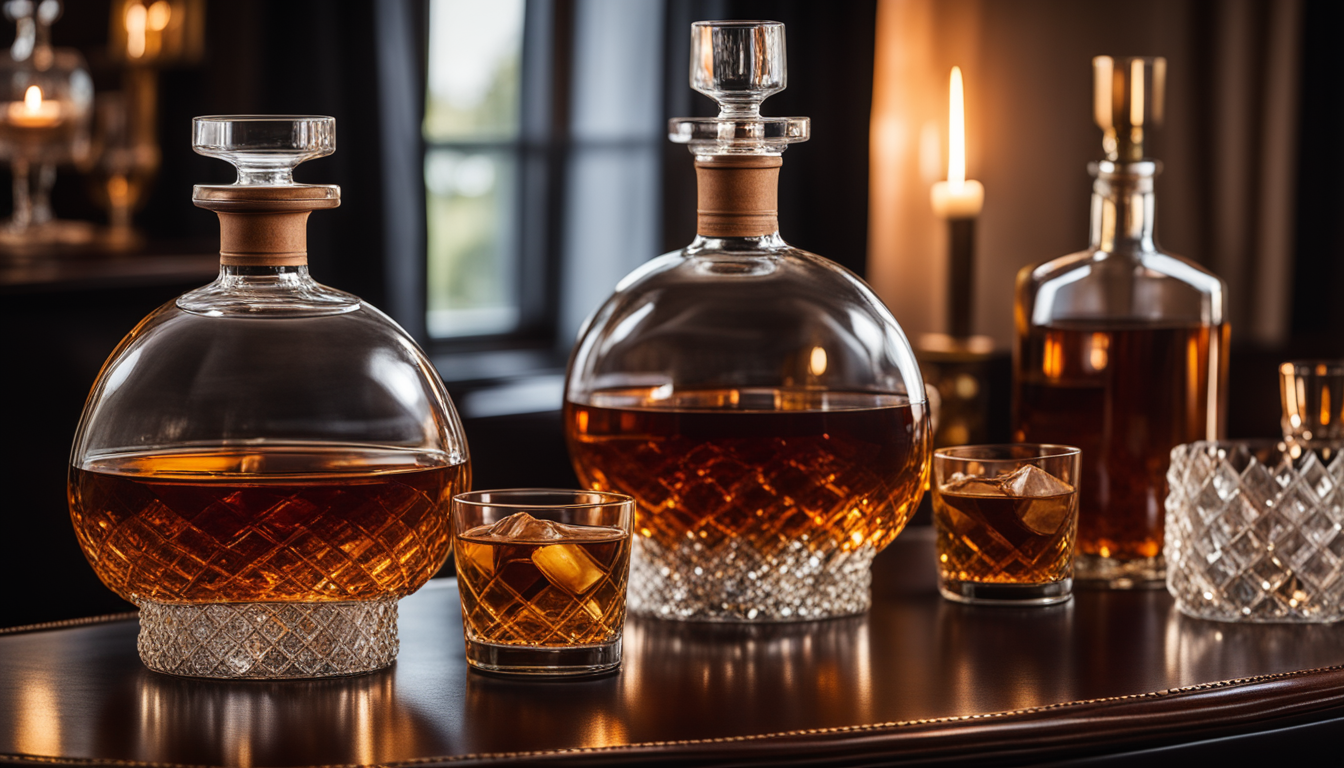
Somewhere in America right now, a first-timer is lifting a glass of 130-proof bourbon to their lips, expecting it to taste like the 90-proof stuff they know. It will not. Their eyes will water. They'll cough. And—if we've done our job—they'll add a few drops of water, try again, and discover one of the great pleasures in whiskey. That glass is barrel-proof bourbon, and it's the most flavour you can get in a bottle. You just have to meet it halfway.
What “barrel proof” actually means
Nearly all bourbon is watered down before bottling. It goes into the barrel at high strength, and over years of ageing it changes—in most American rickhouses it actually gets stronger as water evaporates faster than alcohol. Before bottling, distillers usually add water to bring it to a consistent, approachable 80–100 proof.
Barrel-proof bourbon skips that step. It's bottled at (or very near) the strength it came out of the barrel—uncut, often 110–135 proof. You're tasting the whiskey exactly as the barrel made it: nothing added, nothing diluted, maximum concentration of oak, caramel, and spice.
Barrel proof vs. cask strength vs. single barrel
- Barrel proof / cask strength — the same idea (uncut, full strength). ‘Barrel proof’ is the common American term; ‘cask strength’ shows up more on Scotch. Both can still be lightly filtered.
- Single barrel — means the bourbon came from one individual barrel rather than a blend. It's often also barrel proof, but not always. The two terms aren't the same thing.
How to actually drink it
Here's the part that turns a wince into a revelation. Never gulp a barrel-proof bourbon. Instead:
- Sip a tiny bit neat first to gauge the proof.
- Add water a few drops at a time—a glass dropper is the single best whiskey tool you can own. Water doesn't weaken the flavour; it opens it, releasing aromas and taming the burn so the fruit and sweetness underneath come forward.
- Or add one large ice cube, which chills and slowly dilutes as you sip.
Every bottle wants a different amount of water. Finding each one's sweet spot is half the fun.
Is higher proof better?
Not automatically. High proof means more concentrated flavour—but only if the whiskey stays balanced. A hot, unbalanced barrel-proof bourbon is just harsh. The great ones carry big proof with grace, which is exactly what we looked for when ranking the category.
Our take: barrel-proof bourbon is where bourbon gets most interesting, and—because it's so concentrated—a little goes a long way, which softens the sting of the higher price. Start with something approachable like Wild Turkey Rare Breed or Elijah Craig Barrel Proof, keep a dropper handy, and work up from there. Once you've tasted the whole barrel undiluted, watered-down bourbon can feel like it's holding something back.
Frequently Asked Questions
What is barrel-proof bourbon?
Barrel-proof bourbon is bottled straight from the barrel without adding water to lower the strength. Most bourbon is diluted to 80–100 proof before bottling; barrel-proof bottles arrive uncut, often 110–135 proof, delivering the fullest, most concentrated flavour the barrel produced.
Is barrel proof the same as cask strength?
Essentially yes—they're two names for the same concept: whiskey bottled at the strength it came out of the barrel, with no added water. 'Barrel proof' is the common American term and 'cask strength' is used more for Scotch. Note that many are still lightly chill-filtered.
How do you drink barrel-proof bourbon?
Sip a little neat to gauge the proof, then add water a few drops at a time (a glass dropper is ideal) or a single large ice cube. Water opens up the aromas and tames the alcohol burn, revealing fruit and sweetness. Each bottle has its own sweet spot.
Why is barrel-proof bourbon so strong?
Bourbon enters the barrel at high proof, and in most American warehouses it grows stronger during ageing as water evaporates faster than alcohol. Because barrel-proof bottles skip the usual dilution step, they're bottled at that full, uncut strength—commonly 110 to 135 proof.