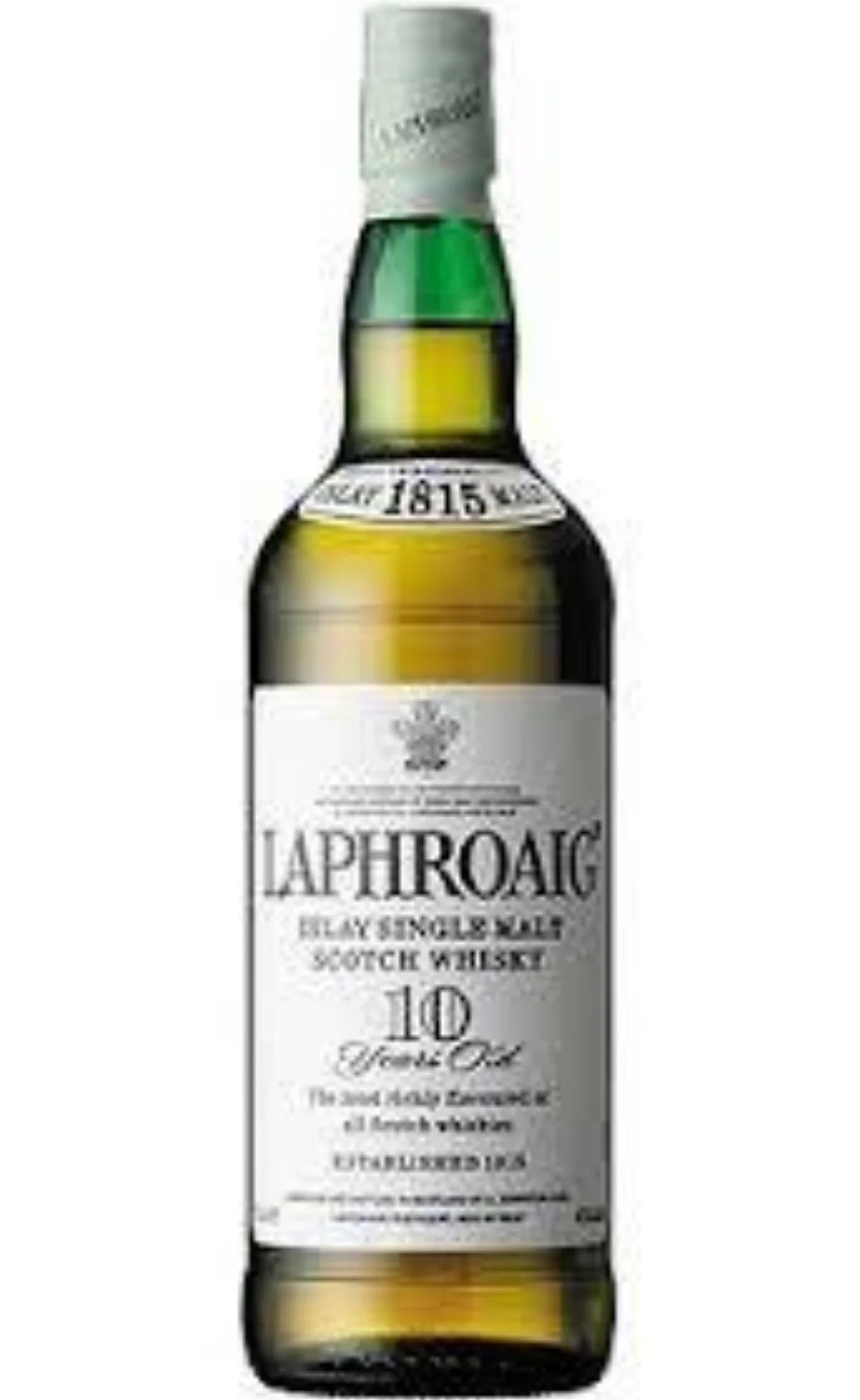
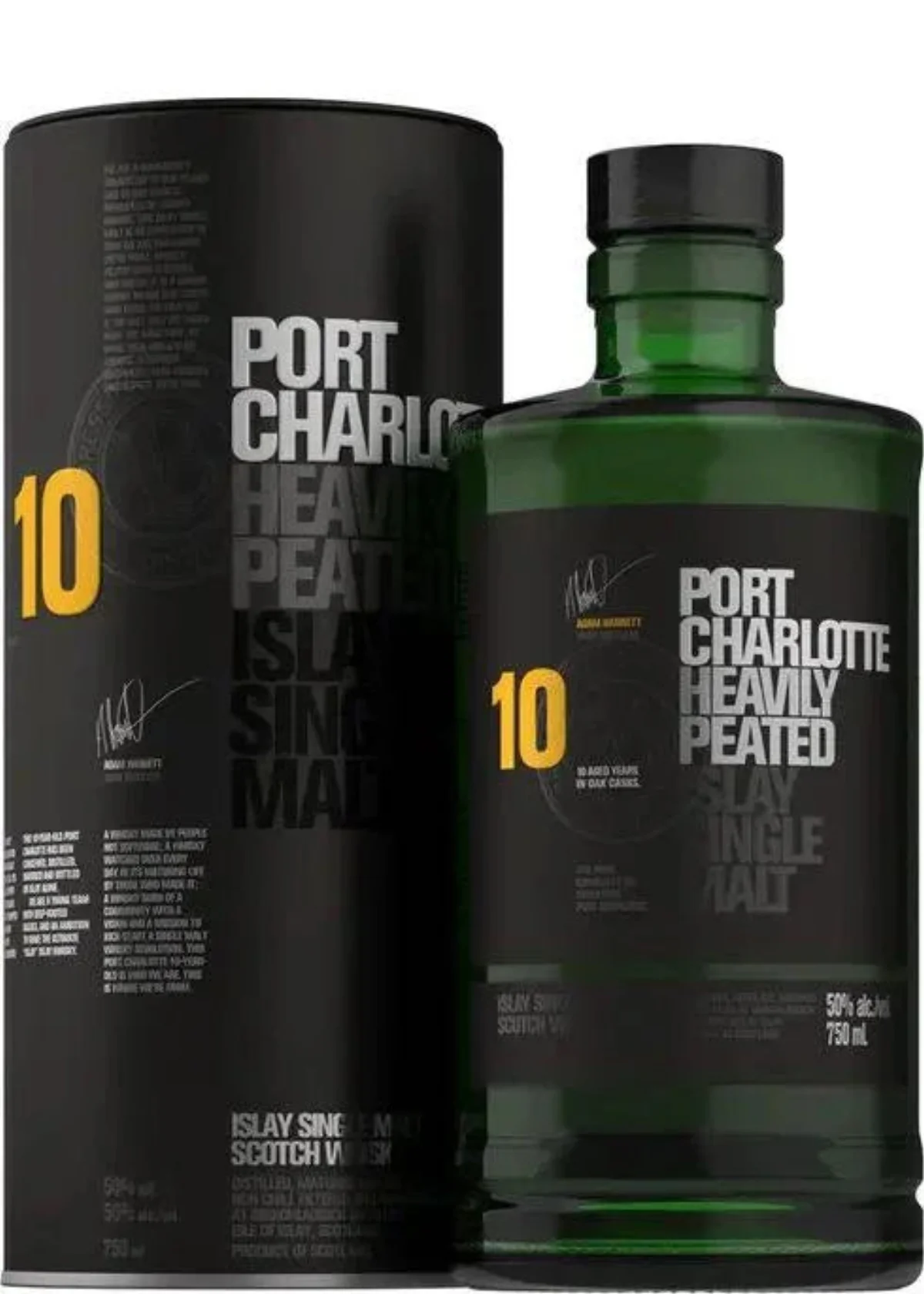
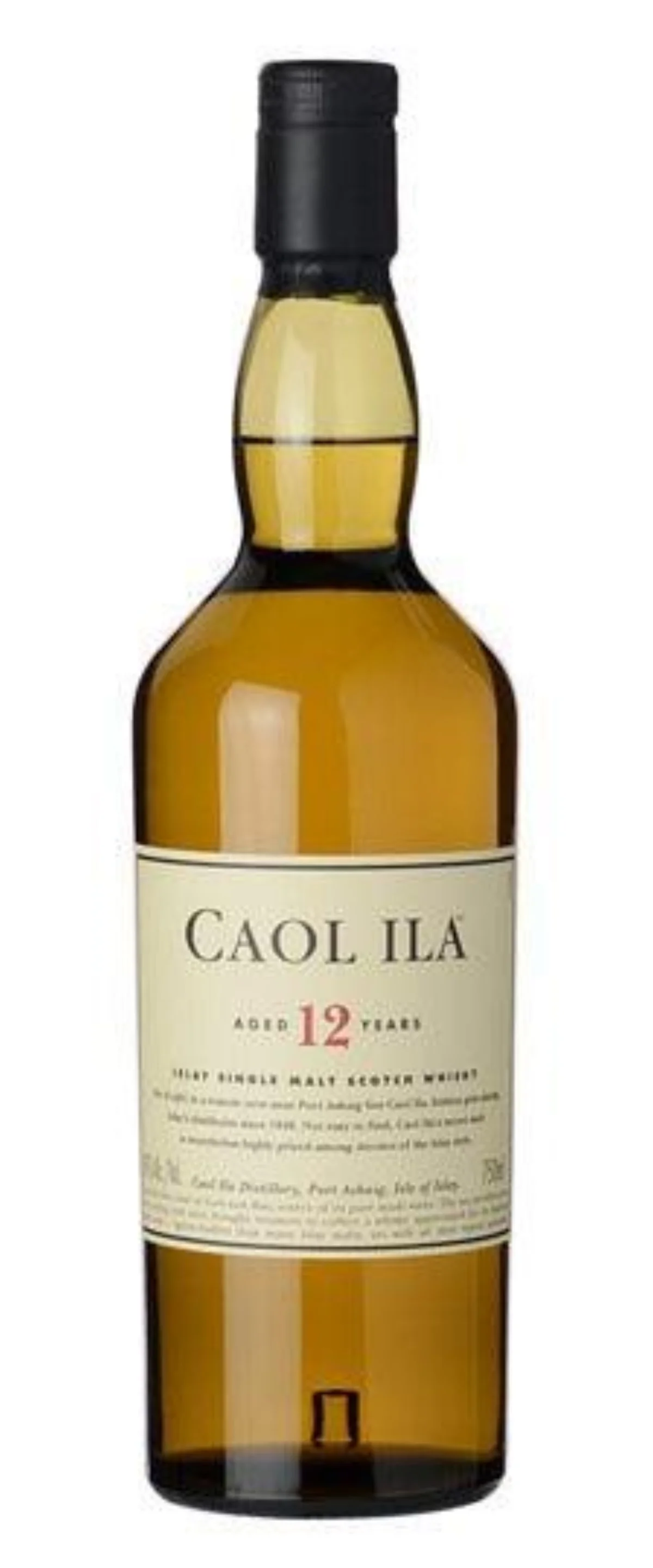
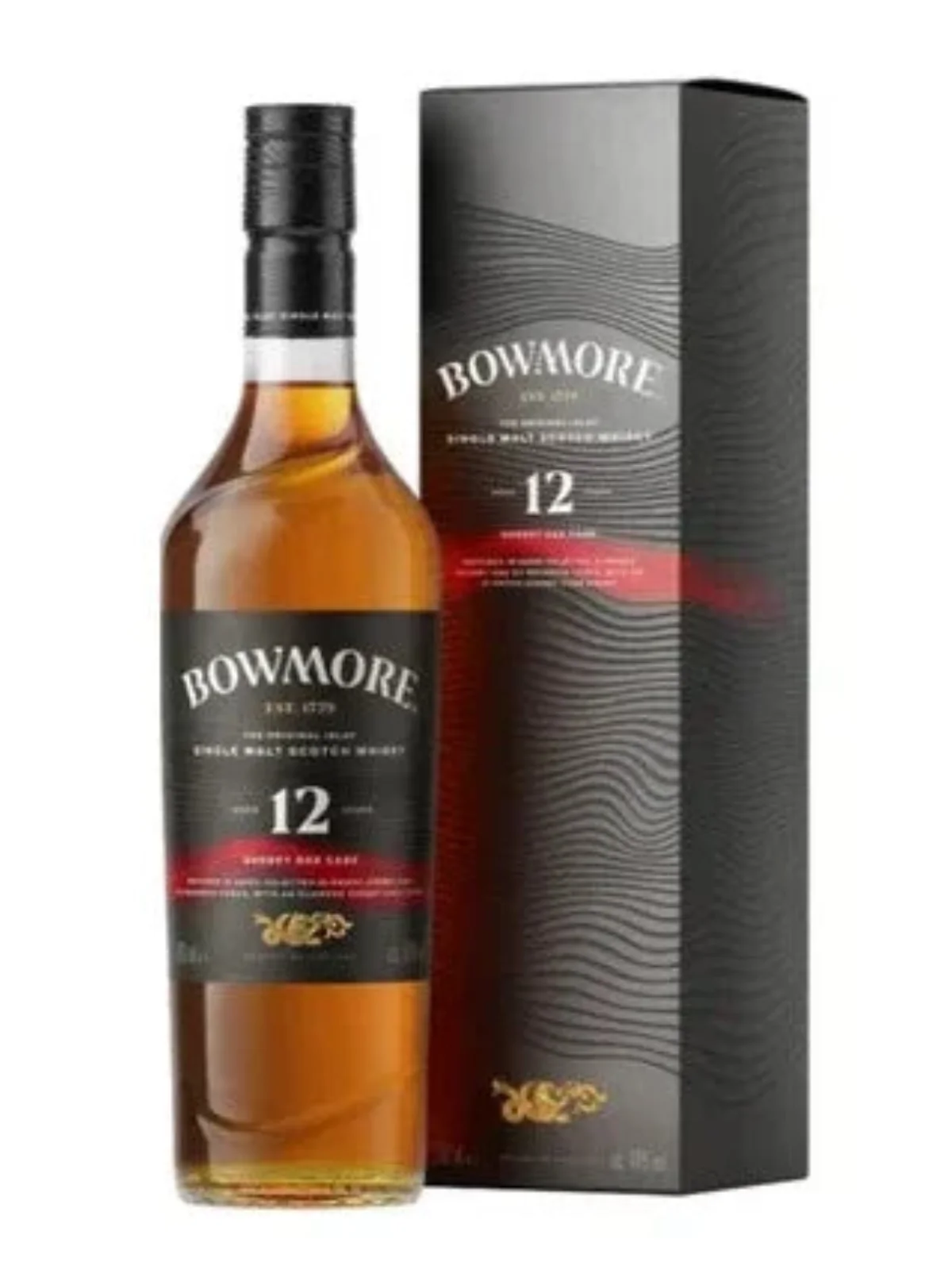
Peated scotch whisky occupies a special corner of the spirits world—one that inspires either devotion or confusion, rarely indifference. That distinctive smokiness comes from peat, decomposed vegetation burned during the malting process to dry barley and infuse it with phenolic compounds. The result? Whisky that tastes like campfires, coastal bonfires, iodine-soaked bandages, or smoked fish, depending on who you ask and what they're drinking.
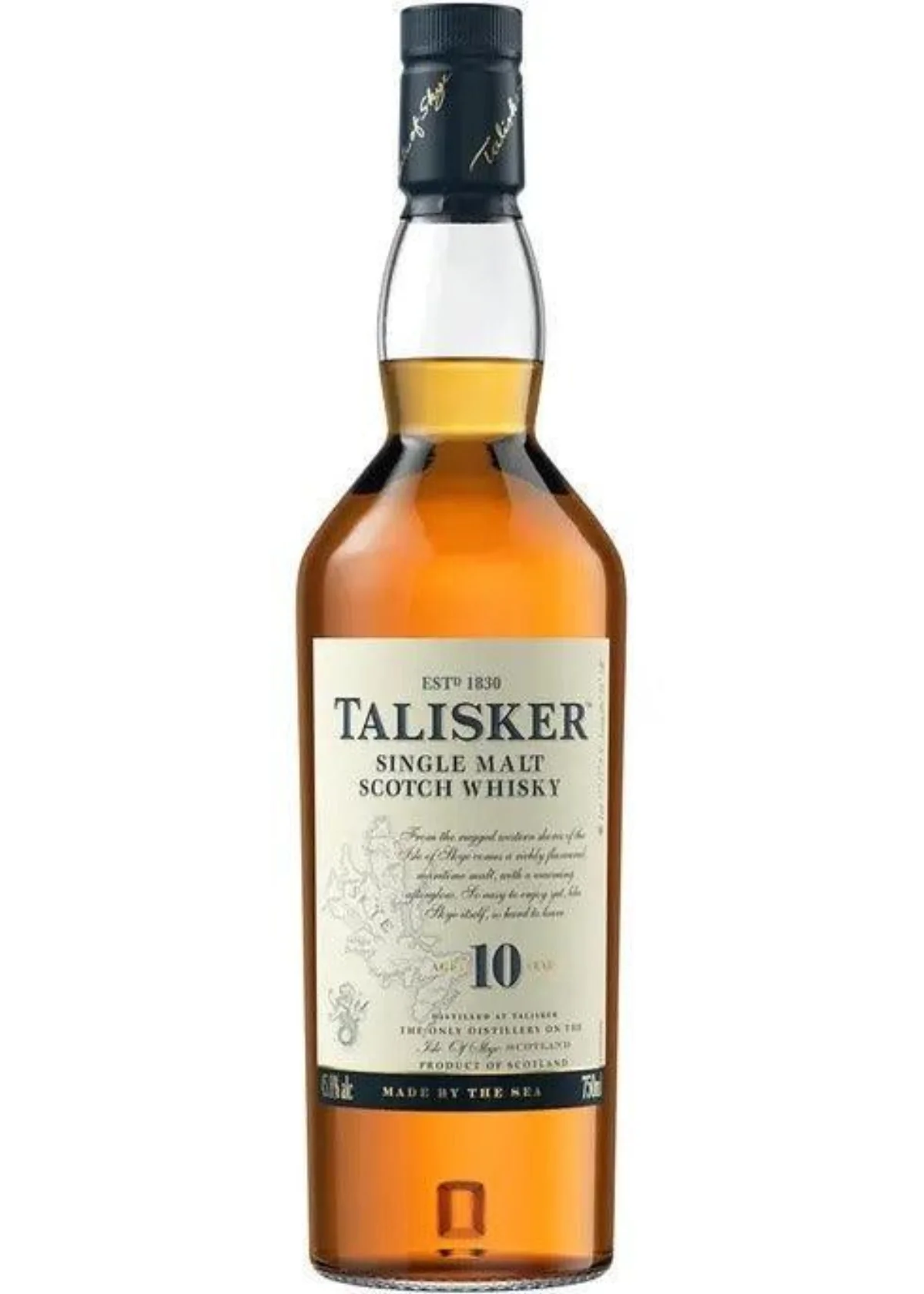
The beauty of peated scotch is its range. On one end, you have gently smoked Highland whiskies that whisper smoke through honeyed sweetness. On the other, Islay monsters that punch you in the face with medicinal peat, seaweed, and TCP antiseptic—in the best possible way. Between those extremes lies a spectrum of smoky expression worth exploring, from maritime Taliskers to heavily peated Port Charlottes that somehow remain balanced and complex.
For this guide, we tasted 25 peated single malts ranging from approachable gateway bottles to hardcore peat bombs. We evaluated each on smoke integration, complexity, drinkability, and whether the peat serves the whisky or overwhelms it. The 10 bottles below represent the best of smoky scotch—whether you're a peat novice or an Islay devotee who mainlines Laphroaig for breakfast.
Looking to buy peated scotch online? Bourbon & Whisky offers an excellent selection of smoky single malts with fast shipping and competitive pricing. Use code BOOZEMAKERS5 at checkout for 5% off your order. Their inventory includes most of the bottles on this list, plus harder-to-find expressions for serious peat seekers.
Whether you're taking your first steps into smoke or hunting for your next Islay obsession, these 10 peated scotches deliver the goods. Let's get into it.
How to choose a peated Scotch
Peated whisky is a spectrum, not a single flavour—and picking the right one is all about matching the smoke to your tolerance:
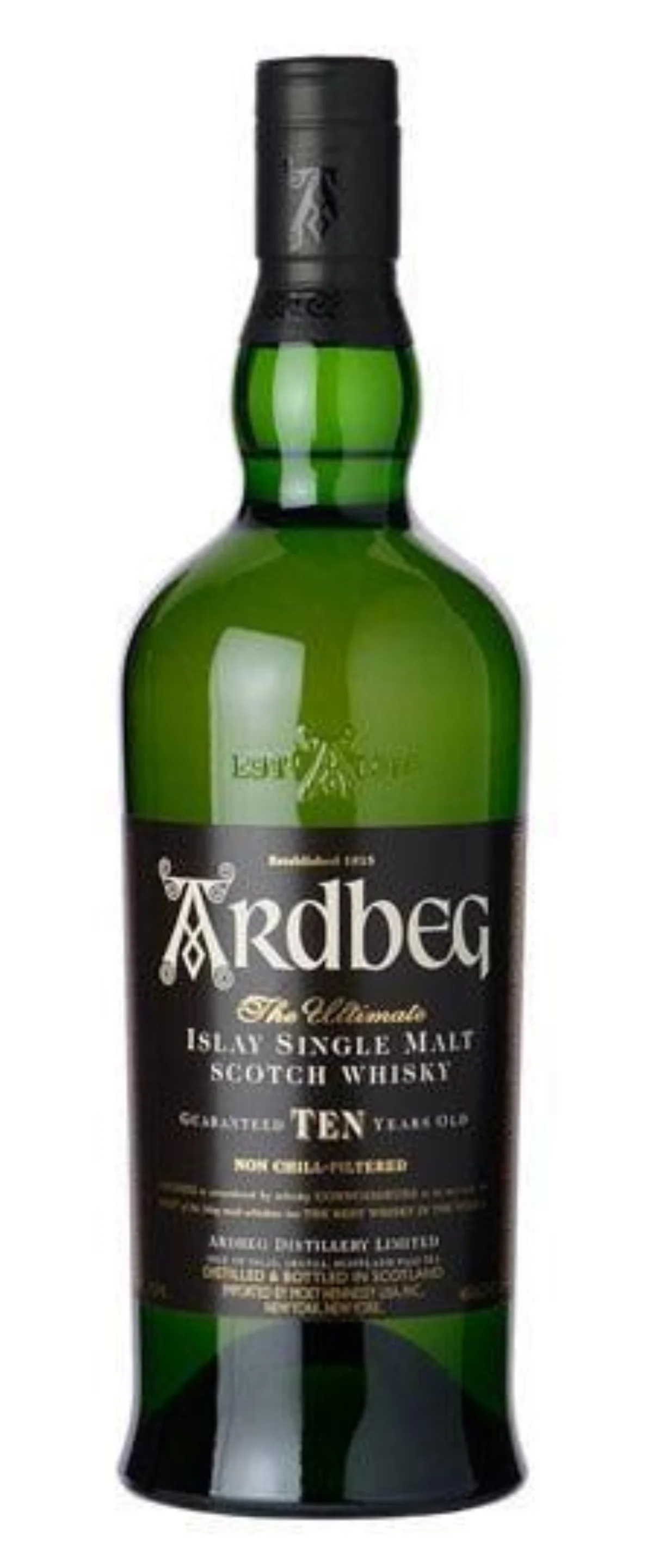
Start gentle, then climb. If you're new to peat, begin with the softer, more integrated smoke of Highland Park or Bowmore, move up to the coastal pepper of Talisker, and only then take on the medicinal Islay heavyweights—Laphroaig, Ardbeg, Port Charlotte. Diving in at the deep end can put you off for years.
Know your regions. Islay peat (Ardbeg, Laphroaig, Caol Ila) is medicinal, tarry, and maritime; mainland and island peat (Highland Park's Orkney heather, Talisker's Skye smoke) is gentler and more aromatic. The word ‘peated’ covers a lot of very different drams.
PPM is a hint, not a promise. A higher phenol (PPM) number suggests more smoke, but distillation and ageing soften it—so a well-made 40-PPM whisky can drink smoother than a raw 20-PPM one. Trust the tasting notes over the number.
How to serve peated Scotch
Pour neat in a Glencairn and taste it first, then add a few drops of water—on smoky whisky especially, water tames the alcohol and coaxes out the sweetness and fruit hiding beneath the peat. Skip the ice, which mutes the aromatics, and give it time; peat rarely converts on the first sip, but often does by the third.