William Grant & Sons
Monkey Shoulder Review: The $30 Scotch That Fools Single-Malt Snobs
Blended Malt Scotch Whisky · NAS
I poured Monkey Shoulder neat for a friend who insists he doesn't drink blends. He guessed Glenfiddich 12. Here's why this $30 Speyside blend fools single-malt drinkers — and the three cocktails I reach for it for.
Read us first
Make BoozeMakers your preferred source for booze reviews on Google
One tap puts our reviews above the sponsored noise in your Search and AI Overviews. Five seconds, no signup.
Rating Breakdown
Flavor Profile
Tasting Journey
Nose
Vanilla, honey, fresh citrus, biscuit malt, touch of spice, smooth and inviting
Palate
Smooth, malty, sweet vanilla, honey, light citrus, pleasant creaminess, enough oak and spice for interest
Finish
Length: ShortShort and clean with malt and vanilla fading quickly, polite and undemanding
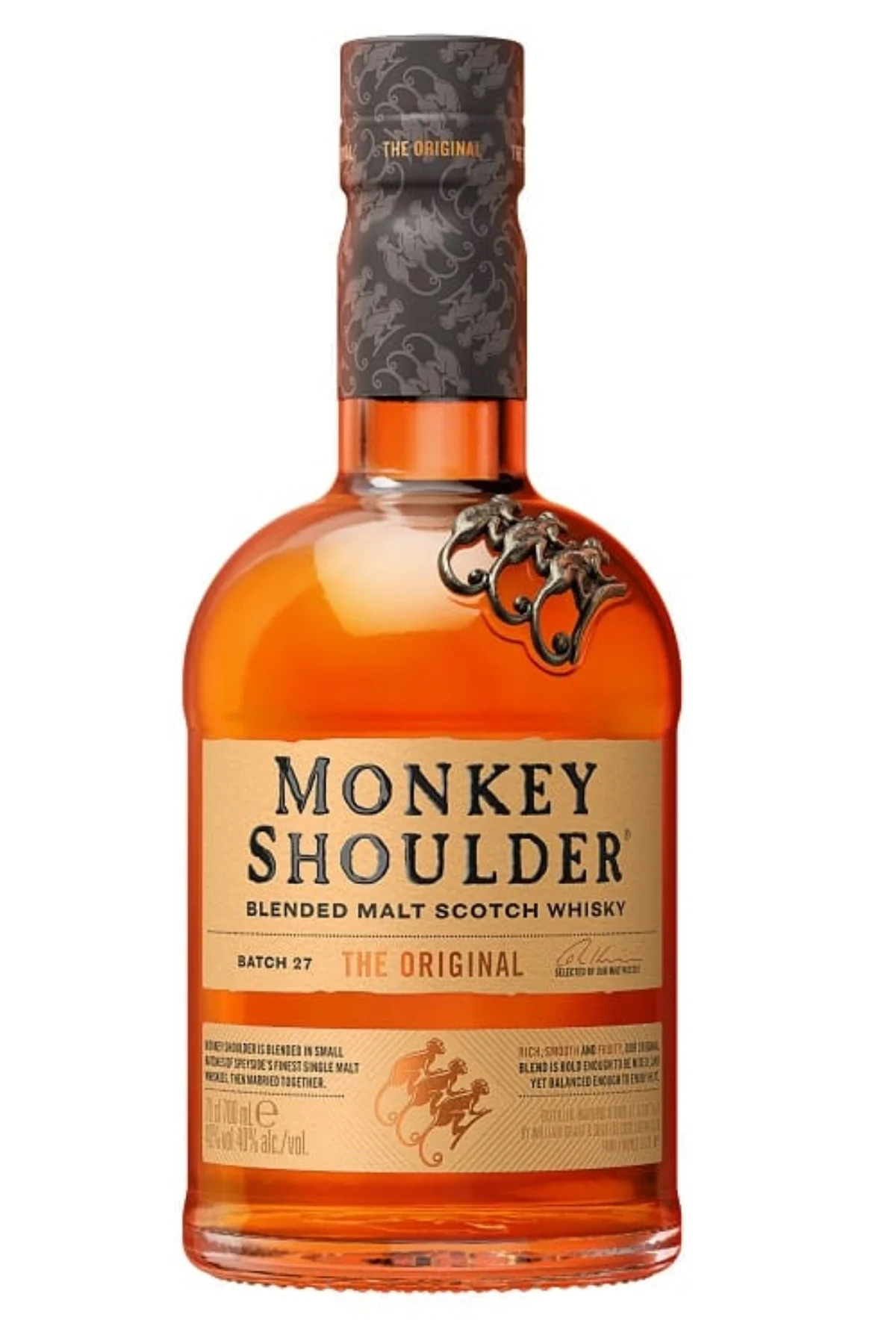
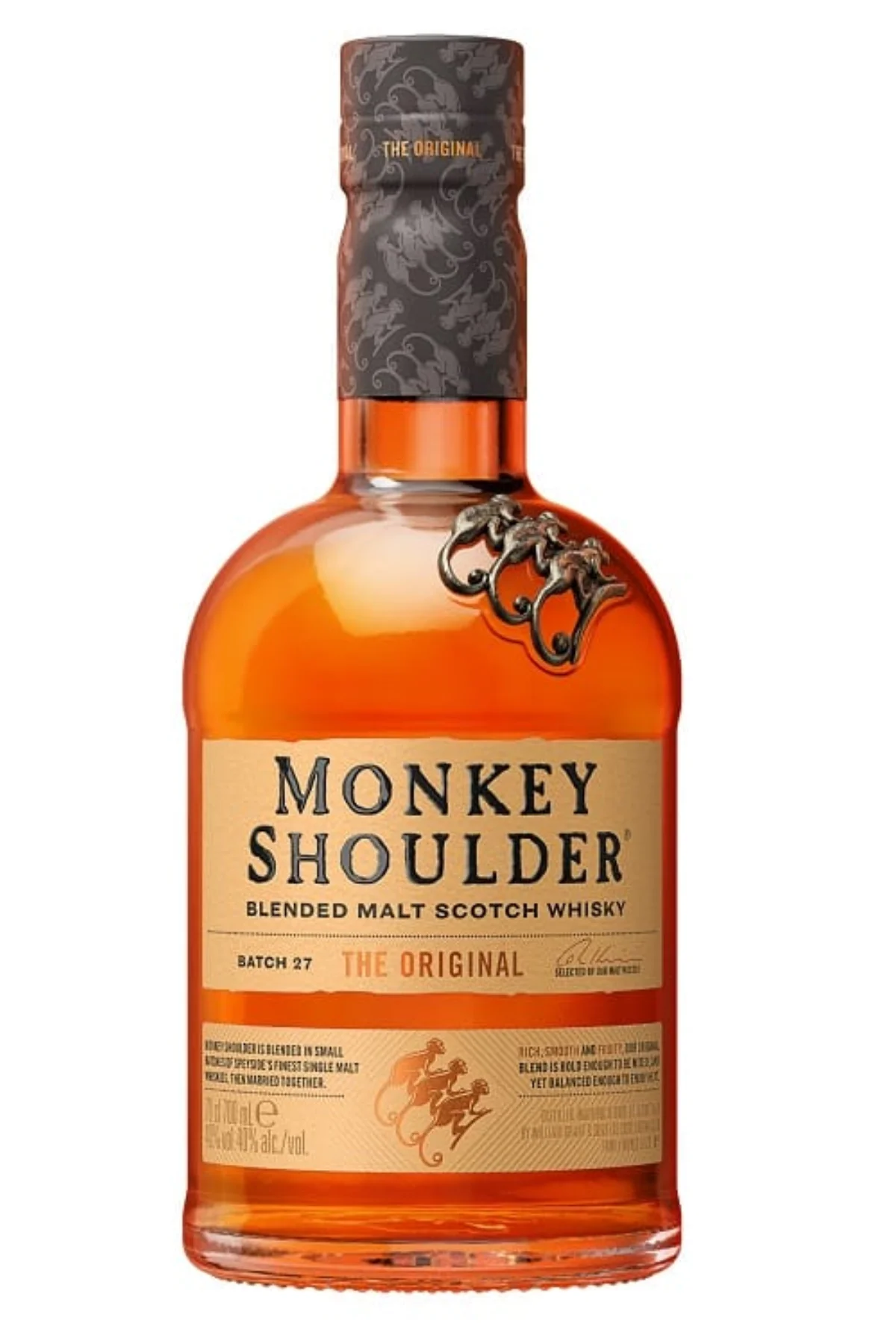
Monkey Shoulder Blended Malt Scotch Whisky
Specs
Price / Value
Your Rating
Click to rate
Our Score: 82/100
Pairings
Food
- Fish and chips
- light cheese boards
- honey-glazed chicken
- shortbread
- vanilla desserts
Cocktails
- Penicillin (its best application)
- Scotch & Soda
- Rob Roy
- Whisky Highball
- Scotch Sour
Our Verdict
Monkey Shoulder is the blended malt that made Scotch fun again. Perfect for cocktails and converting Scotch skeptics at $30. Not a replacement for single malts—a brilliant complement to them.
Buy NowBuy Monkey Shoulder Blended Malt Scotch Whisky Online
AffiliateRare, allocated, and everyday bottles — bourbon, whiskey, tequila, and more, shipped nationwide.
Buy at Cask CartelHow We Score
Every spirit is tasted blind in a Glencairn glass across multiple sessions on different days. We score on a 100-point weighted scale, recording notes before the label is revealed to eliminate brand bias.
Rating Criteria
Aroma complexity, intensity, and appeal
Flavor depth, balance, and mouthfeel
Length, evolution, and lingering notes
Quality relative to price point
Layered character and uniqueness
Last Tuesday in March I poured Monkey Shoulder neat into a Glencairn for a friend who has spent two decades insisting he "doesn't drink blends." I didn't tell him what was in the glass. He took two sniffs, sipped, and said it tasted like a young Speyside single malt — maybe a Glenfiddich 12 with a bit more honey. He was 60% right. The bottle in front of us was a $30 blend of three Speyside single malts (Balvenie, Glenfiddich, and Kininvie — all from the same William Grant & Sons family), but his nose wasn't lying. The "blended malt" category, when it's done well, looks a lot more like the single malt category than the marketing on either side wants to admit.
This is the third time I've run that experiment with self-described single-malt drinkers. Score so far: zero correct identifications. Here's why Monkey Shoulder fools them, and why I keep a bottle on the lower shelf even though my collection runs heavily to age-stated single malts that cost three times as much.
Tasting Notes — Neat in a Glencairn
The nose is bright and inviting: vanilla, honey, and fresh citrus open the glass with a cheerful directness that sits a world away from the intimidating peat-and-iodine complexity some Scotch drinkers worship. Biscuit malt, a touch of warm spice (cinnamon, not pepper), and the kind of approachable smoothness that signals "come in, sit down, don't be afraid." Smell it next to a Glenfiddich 12 and you'll catch the family resemblance immediately — Glenfiddich is one of the three components, and the Speyside fingerprint is unmistakable.
On the palate it's smooth, malty, and sweet. Vanilla, honey, light citrus fruits, with a creaminess that's a Speyside signature. Just enough oak and spice to keep it from going one-dimensional. At 40% ABV it's light and built for both sipping and mixing — not a bottle that punishes the drinker who wants a second pour.
The finish is short and clean. Malt and vanilla fade quickly. It's a polite, undemanding close — which is exactly the design brief for an entry-level blended malt at this price.
The Cocktail Case (And Why I Keep Reaching for It)
This is where Monkey Shoulder earns its place on my shelf. At $30, it's the Scotch I grab for cocktails the way I grab Wild Turkey 101 for Old Fashioneds — not because it's my best bottle, but because it's the bottle I'm willing to pour generously without doing the math on what I'm using up. Three drinks where it actually shines:
- The Penicillin. Honey-ginger syrup, lemon juice, blended Scotch base, float of peated Scotch on top. Monkey Shoulder's vanilla-honey profile harmonizes with the syrup; the float adds the smoke. Best $4-of-Scotch drink in any home bar.
- Scotch & Soda (with a wedge). The lighter ABV and creamy malt mean it doesn't get crushed by the carbonation. Squeeze in a fresh lemon — the citrus already in the spirit doubles down.
- Rob Roy. Surprisingly delightful with sweet vermouth and Angostura. The blend's softness makes the cocktail feel rounder than the same drink built with a single malt that brings sharper distillery character.
Here's the part most reviews skip: I served Monkey Shoulder in cocktails to single malt purists across three different evenings last year. They spent each evening complimenting the drink without once asking what was in it. The distinction between "blend" and "single malt" starts to feel more like marketing than meaningful quality difference once the spirit is in motion.
Score: 82/100
This isn't a Scotch that will replace your collection of age-stated single malts, and it doesn't intend to. It occupies a specific niche brilliantly: the bottle that makes whisky fun, accessible, and guilt-free to pour generously. For first-time Scotch buyers, for cocktails, and for the friend who insists they "don't like Scotch," this is the answer.
Where Monkey Shoulder Sits on the Shelf
In the sub-$35 Scotch category, Monkey Shoulder competes with Glenfiddich 12 ($35) for the entry-level crown. Glenfiddich offers more distillery character and the "single malt" label; Monkey Shoulder offers better mixing versatility and a lower price. Both are legitimate starting points for the drinker building a Scotch foundation.
For the drinker ready to explore further, the natural upgrade path runs through Highland Park 12 ($45) for a touch of smoke, Balvenie 14 Caribbean Cask ($75) for cask-finish complexity, or — for a completely different whisky tradition — Redbreast 12 ($65), which proves that Irish pot still whiskey deserves a place alongside Scotch on any whisky shelf.
But I'll keep Monkey Shoulder on the lower shelf for as long as it stays at $30. The next time someone tells me they don't like Scotch, this is what I'll pour them. And the next time I want a Penicillin without breaking into anything precious, this is what's going in the shaker.
See how this dram ranks against the field in our guide to the 10 best Scotch whiskies of 2026.
Community Reviews
No community reviews yet. Be the first!