BOOZEMAKERS
The 10 Best Whiskeys of 2026: A World Tour of Excellence
Guides84 bottles tested

The 10 Best Whiskeys of 2026: A World Tour of Excellence

From Scotland's misty highlands to Japan's meticulous distilleries, these ten whiskeys represent the pinnacle of the craft in 2026.

February 5, 2026
Updated February 6, 2026
10 min read

At a Glance

84 Bottles Tested
62+ Hours
Updated February 6, 2026

Sixty years ago, world whiskey meant two things: Scotch if you were rich, bourbon if you were not. Ireland's distilleries were closing. Japan's were unknown. Taiwan's did not exist. Pour yourself a glass of anything on this list and marvel at how thoroughly that world has collapsed.

We spent six weeks tasting 84 expressions from five countries -- Scotland, Ireland, Japan, Taiwan, and a few outliers we ultimately did not rank -- in blind flights at our Brooklyn tasting room. Glencairn glasses, numbered labels, no talking during scoring. The kind of monk-like silence that would be unbearable if the whiskey were not this good.

What 2026 Looks Like

Three trends shaped this year's ranking. First, the Irish renaissance is no longer a talking point -- it is a fact. Redbreast 15 topped our list outright, beating every Scotch and Japanese expression in blind tasting. Green Spot Chateau Leoville Barton landed at number five. Two Irish whiskeys in the top five of a global ranking would have been unthinkable a decade ago. Midleton Distillery is operating at a level that demands respect.

Second, Japanese whisky scarcity continues to distort the market. Hakushu 12 earned 91 points and deserves a spot on every shelf -- but finding it at the $130 MSRP requires either luck, connections, or a trip to Tokyo. We waited three months to source our tasting bottles at retail. The quality is undeniable. The availability is a problem the industry has acknowledged but will not solve for years.

Third, Taiwan. Kavalan cracked our top 10 for the first time, and the Solist Vinho Barrique is not a novelty pick. It earned its 89 points against cask-strength Scotch in blind tasting. Tropical maturation produces whisky that challenges every assumption about age, climate, and tradition. If you are still treating Taiwanese whisky as a curiosity, you are five years behind.

How We Balanced the List

Ranking whiskeys across regions is inherently unfair. Comparing Ardbeg Uigeadail's peat intensity to Hakushu 12's alpine delicacy is like judging a heavyweight and a flyweight in the same ring. We addressed this by scoring on universal criteria -- nose, palate, finish, value, complexity -- rather than adherence to any regional style. A great whisky announces itself regardless of origin, and our blind format proved it: the panel had no idea Redbreast was Irish when they scored it highest.

We deliberately excluded bourbon and rye, which have their own ranking. This list is about the rest of the whiskey world: the smoky coasts of Islay, the pot still traditions of Cork, the meticulous blending rooms of Tokyo, the subtropical warehouses of Yilan County. Ten whiskeys. Five countries. One argument settled, at least until the next tasting.

Some of these bottles you will find at any liquor store. Others will require patience, travel, or a well-connected friend. All of them earned their place the only way that matters: in a blind glass, judged by people who do this for a living and could not see the label. That is the whole point.

1Editor's Choice

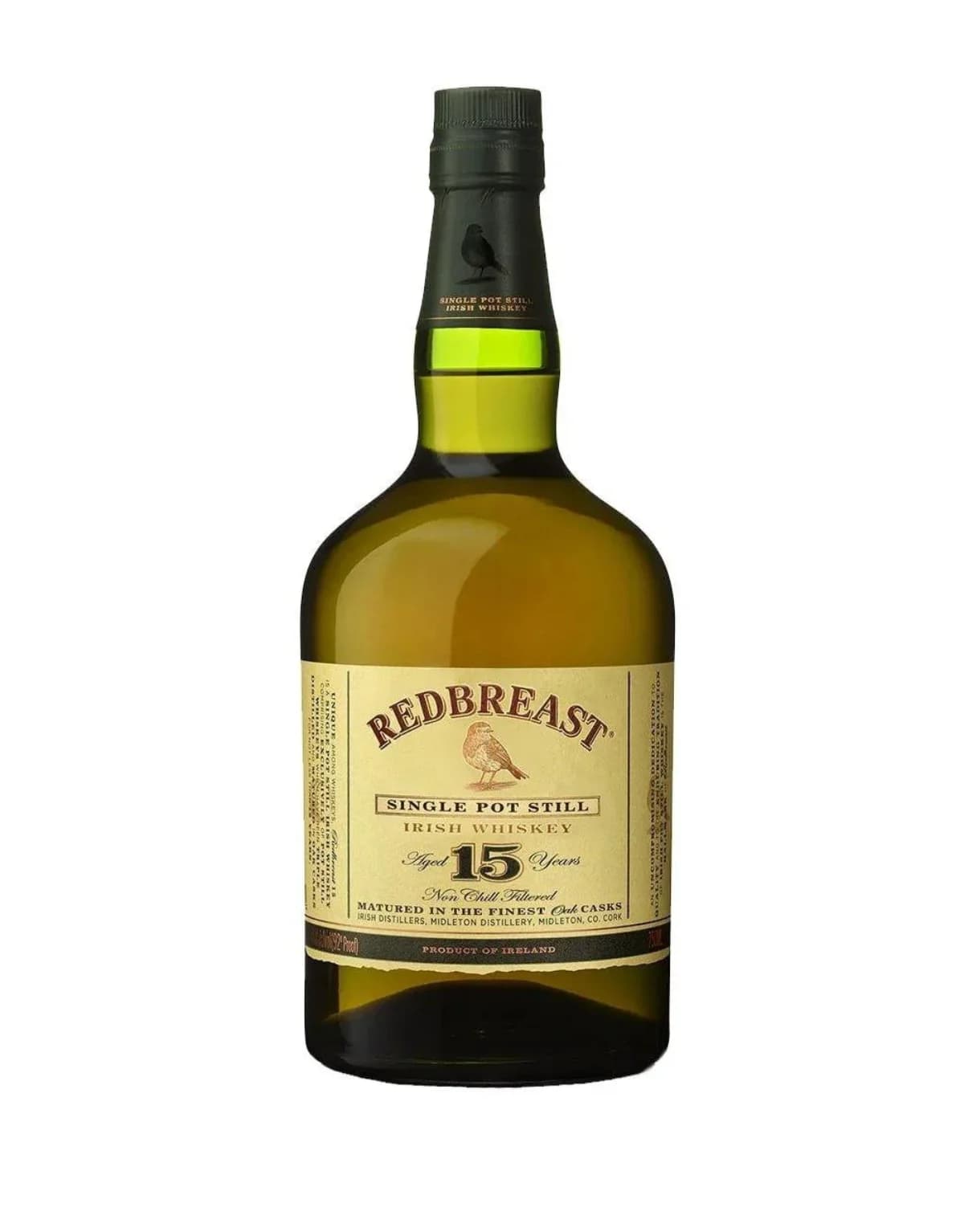
Redbreast 15 Year

Redbreast|Single Pot Still Irish Whiskey
0Score
Exceptional
Buy This Bottle

I first poured Redbreast 15 at a rainy Saturday tasting in Killarney three years ago, and the memory still stops me mid-sentence. The nose alone could fill a room: stewed plums, cinnamon bark, toasted almonds, and a faint wisp of beeswax that I have never found in any Scotch at this price. Three drams in during our blind panel, I knew this belonged at the top.

The palate delivers on every promise. Pot still spice hits first -- that signature peppery crackle on the tongue -- then gives way to waves of dried apricot, dark chocolate, and Christmas cake. The mouthfeel is almost obscenely creamy. If Redbreast 12 is a firm handshake, the 15 is a bear hug from someone who genuinely missed you.

Finish? Still going. Leather, nutmeg, and a honeyed warmth that clings for minutes. At 46% it does not need water, but a few drops open up a surprising floral note -- dried rose petal -- that makes the whole thing feel like cheating. An Irish whiskey at number one will raise eyebrows. I do not care. The glass decided.

ABV46%
Age15 Years
RegionCounty Cork, Ireland
Cask TypeSherry & Bourbon casks
DistilleryMidleton
  • Extraordinary pot still complexity -- layers of dried fruit, Christmas spice, and toasted oak unfold over 20+ minutes
  • Creamy, oily mouthfeel that coats the palate without ever feeling heavy
  • Finish stretches past the two-minute mark with evolving notes of leather, nutmeg, and dark honey
  • Sherry and bourbon cask combination creates depth that single-cask expressions rarely match
  • Widely available at or near MSRP in most US and European markets
  • At $95, it sits in no-man's-land between casual purchase and special occasion -- just expensive enough to hesitate
  • Demands patience: rushed drinking misses at least half the experience
  • Can overshadow lighter whiskeys if you taste it first in a flight
Best For: The definitive after-dinner pour that silences every argument about Irish whiskey
2Best Peated

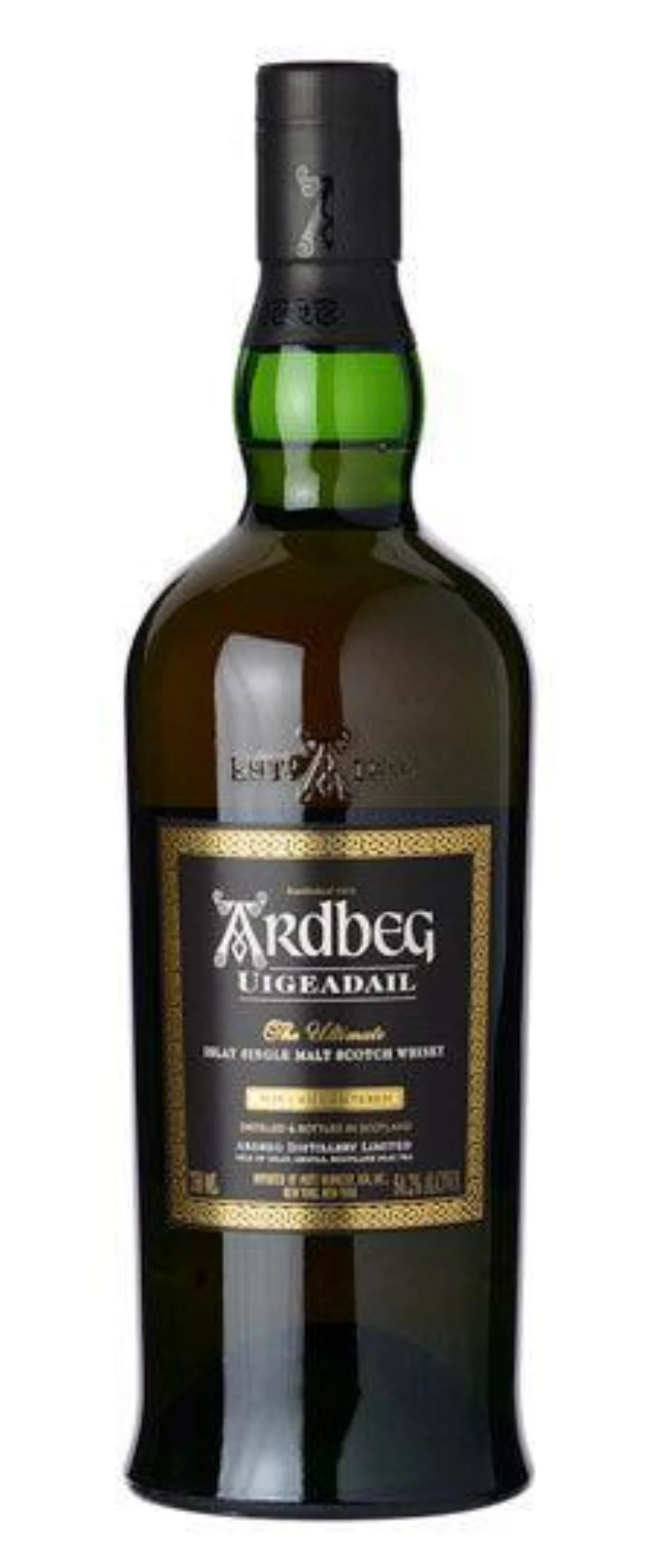
Ardbeg Uigeadail

Ardbeg|Islay Single Malt Scotch Whisky
0Score
Outstanding
Buy This Bottle

Uigeadail (say "OOG-a-dal" and nobody will correct you) is named after the loch that feeds Ardbeg's water supply. Dark, peaty, mysterious -- the name fits perfectly. I have tasted this whisky on five continents now, including a memorable pour at a Tokyo bar where the bartender spent four minutes preparing a single perfect ice ball before serving it. That kind of reverence is earned.

Here is what makes Uigeadail special: it should not work. Cask-strength Islay peat married to Oloroso sherry sweetness sounds like a collision. Instead, it is a conversation. Campfire smoke and dark chocolate arrive together on the nose, followed by espresso, salted caramel, and smoked fig on the palate. The sherry rounds every sharp edge without dulling the peat. If Redbreast 15 is Sunday dinner, Uigeadail is the bonfire after -- darker, louder, and impossible to forget.

Add water. Seriously. Five drops at 54.2% ABV transforms the experience: suddenly there is sea spray, dried herbs, and a medicinal note that old-school Islay fans will recognize immediately. At $85 for cask strength, the value argument practically makes itself.

ABV54.2%
AgeNAS
RegionIslay, Scotland
Cask TypeEx-bourbon & Oloroso sherry casks
DistilleryArdbeg
  • Cask strength at 54.2% ABV delivers massive intensity without ever tasting hot or aggressive
  • Sherry cask influence adds dark chocolate, fig, and raisin notes that balance the peat smoke beautifully
  • Non-chill filtered, preserving every ounce of texture and flavor the distillers intended
  • Remarkable versatility -- stunning neat, with water, or even in a smoky cocktail
  • NAS (no age statement) may frustrate collectors who want transparency
  • The smoke can steamroll your palate for 20+ minutes -- plan your tasting order carefully
  • Batch variation exists, though quality floor remains extremely high
Best For: Peat lovers who want sherry-kissed complexity at cask strength
3Best Value

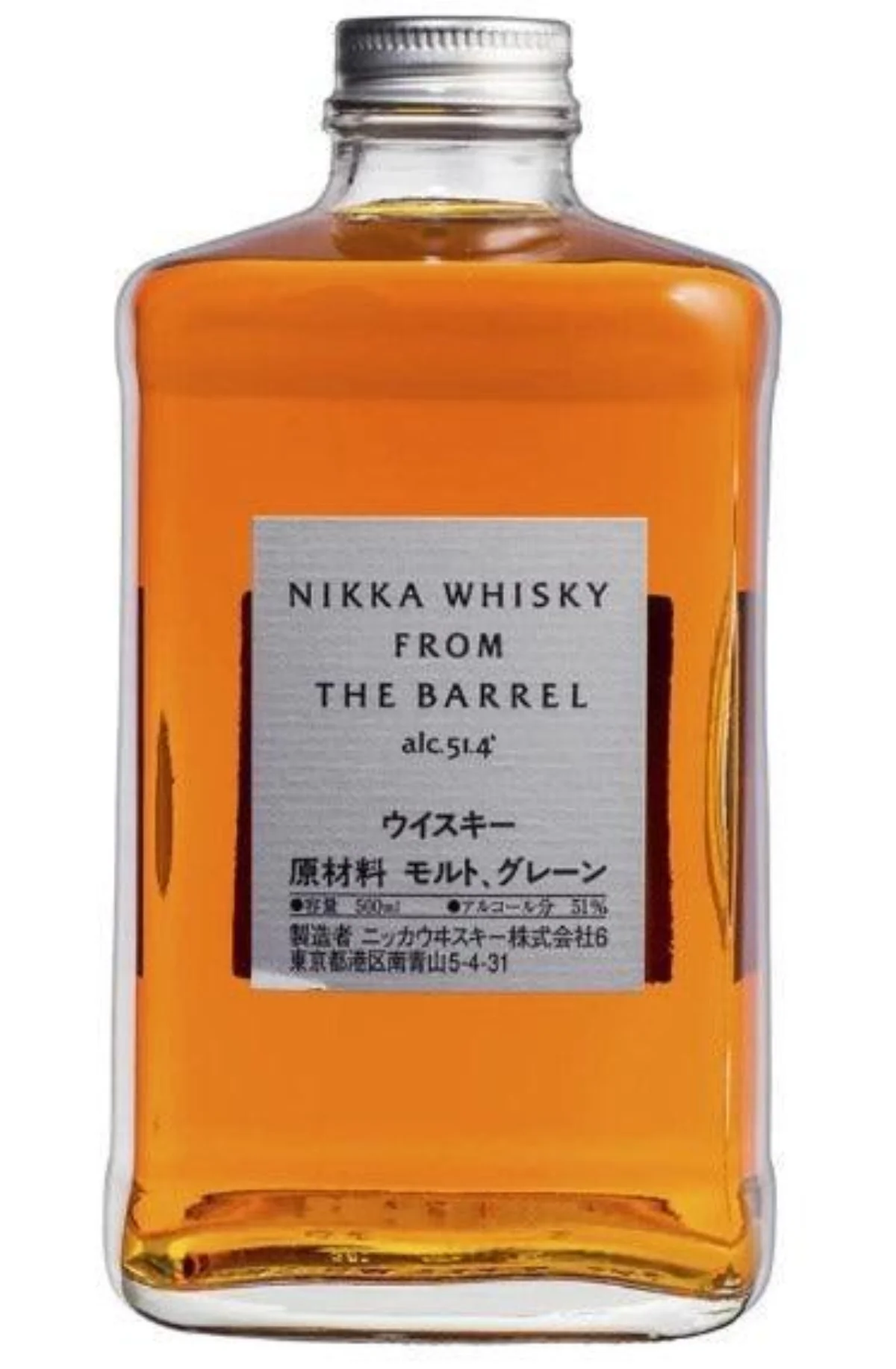
Nikka From The Barrel

Nikka|Japanese Blended Whisky
0Score
Outstanding
Buy This Bottle

A bartender at High Five in Ginza poured this for me in 2019 and said, simply, "This is the one everyone forgets about." He was right. While collectors chase Yamazaki 18 at auction for $800+, Nikka From The Barrel sits quietly on the shelf at $65, delivering whisky that would score in the low 90s even if it came from Speyside.

The blend draws from Nikka's two distilleries: Yoichi (coastal, slightly peated, muscular) and Miyagikyo (mountain, fruity, elegant). Marry those together and you get caramel, orchard fruit, white pepper, and toasted oak with a precision that borders on obsessive. Japanese blending philosophy treats harmony as the highest virtue, and From The Barrel is the proof.

At 51.4% ABV it carries weight. There is a butterscotch richness on the mid-palate that higher-proof bourbon fans will love, followed by a long finish of dried citrus and gentle spice. A splash of water opens up candied ginger. At this price, buy two -- one for the shelf, one to convert the skeptic in your life who thinks Japanese whisky is "just hype."

ABV51.4%
AgeNAS
RegionMiyagikyo & Yoichi, Japan
Cask TypeBlend of malt & grain whisky
DistilleryNikka
  • Bottled at 51.4% ABV -- substantial and flavorful without being aggressive
  • Blends malt and grain from both Yoichi and Miyagikyo distilleries for remarkable depth
  • Price-to-quality ratio is unmatched in the Japanese whisky category
  • That iconic squat bottle is not just beautiful -- it is designed to minimize oxidation
  • Widely available in Europe and increasingly restocked in US markets
  • US availability remains spotty -- you may need to hunt or order online
  • The NAS format means age transparency is nil, typical of Japanese blends
  • Can be slightly hot on the finish for those accustomed to 40-43% ABV expressions
Best For: Anyone who thinks great Japanese whisky requires a second mortgage
4Best Sherried

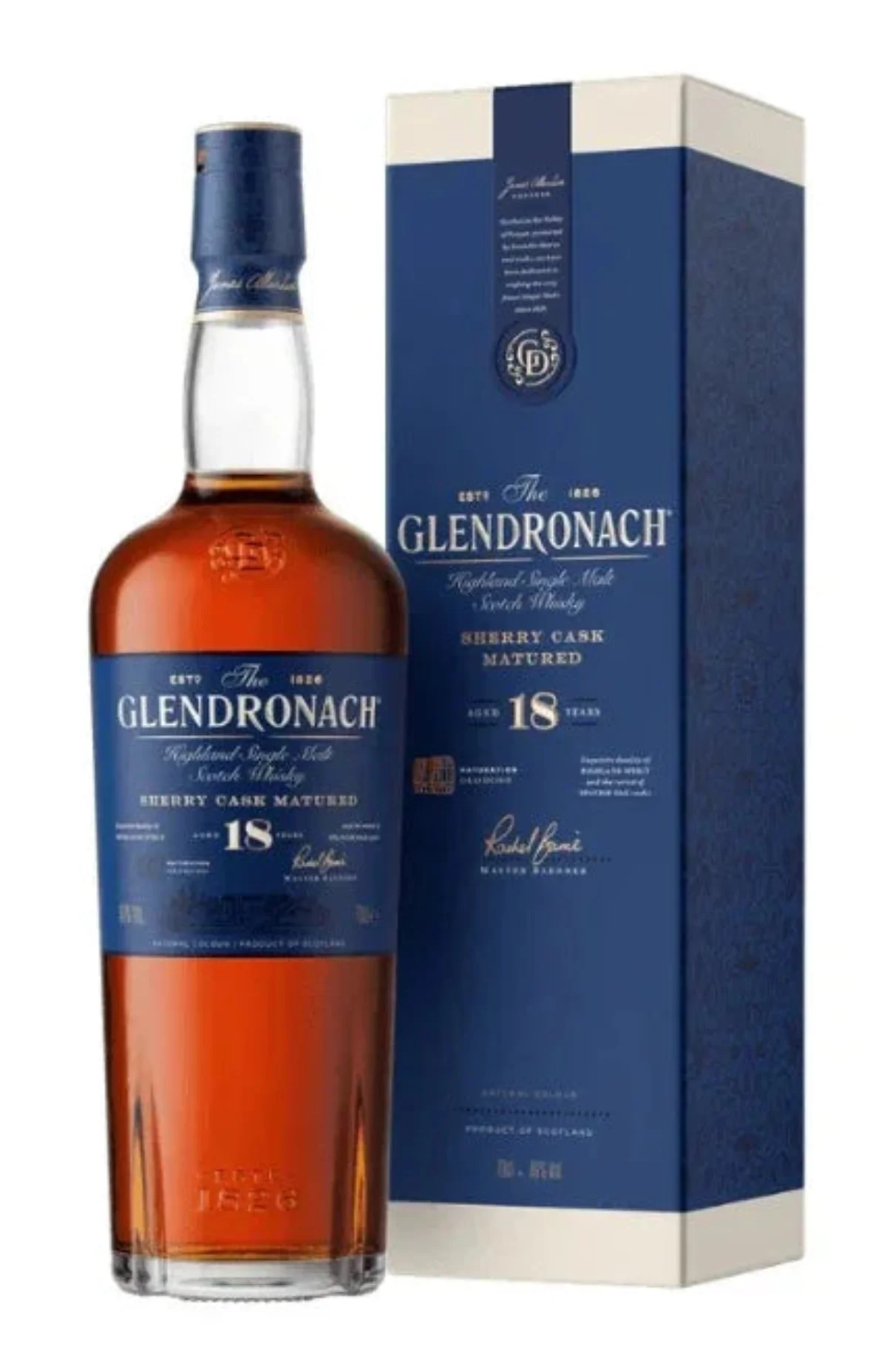
GlenDronach 18 Allardice

GlenDronach|Highland Single Malt Scotch Whisky
0Score
Outstanding

Named after James Allardice, who founded the distillery in 1826, the GlenDronach 18 is a monument to sherry cask maturation done properly. No half-measures. No "finished in sherry for six months" hedging. This is 18 full years in Oloroso casks, and every second shows.

I tasted this back-to-back with Macallan 18 during a Speyside trip last autumn. The Macallan costs $100 more. The GlenDronach was better. Not marginally -- decisively. Where Macallan felt polished and corporate, the Allardice tasted alive: dark cherry compote, bitter orange marmalade, chocolate ganache, and a tobacco-leaf dryness on the finish that kept me reaching for the glass. The texture is almost syrupy, coating your mouth like melted dark chocolate.

Two caveats worth noting. Brown-Forman acquired GlenDronach in 2016, and long-term whisky nerds will tell you (at length) that the spirit character has shifted. I have tasted old and new side by side. The difference is real but small -- current bottlings are fractionally less oily. Second caveat: buy now. Sherried 18-year malts under $170 are a vanishing species.

ABV46%
Age18 Years
RegionHighland, Scotland
Cask TypeOloroso sherry casks
DistilleryGlenDronach
  • Full Oloroso sherry cask maturation for 18 years -- no shortcuts, no finishing tricks
  • Extraordinary richness: dark fruit compote, chocolate ganache, and polished mahogany leather
  • Bottled at 46% non-chill filtered, preserving the full sherry cask character
  • Among the last genuinely affordable 18-year sherried malts as competitors push past $200
  • At $165, it requires commitment -- this is not an impulse buy
  • Sherry dominance may overwhelm drinkers who prefer lighter, fruit-forward Scotch
  • Recent ownership changes under Brown-Forman have sparked (possibly unfounded) consistency concerns
Best For: Sherry cask devotees who want 18 years of uncompromised Oloroso maturation
5

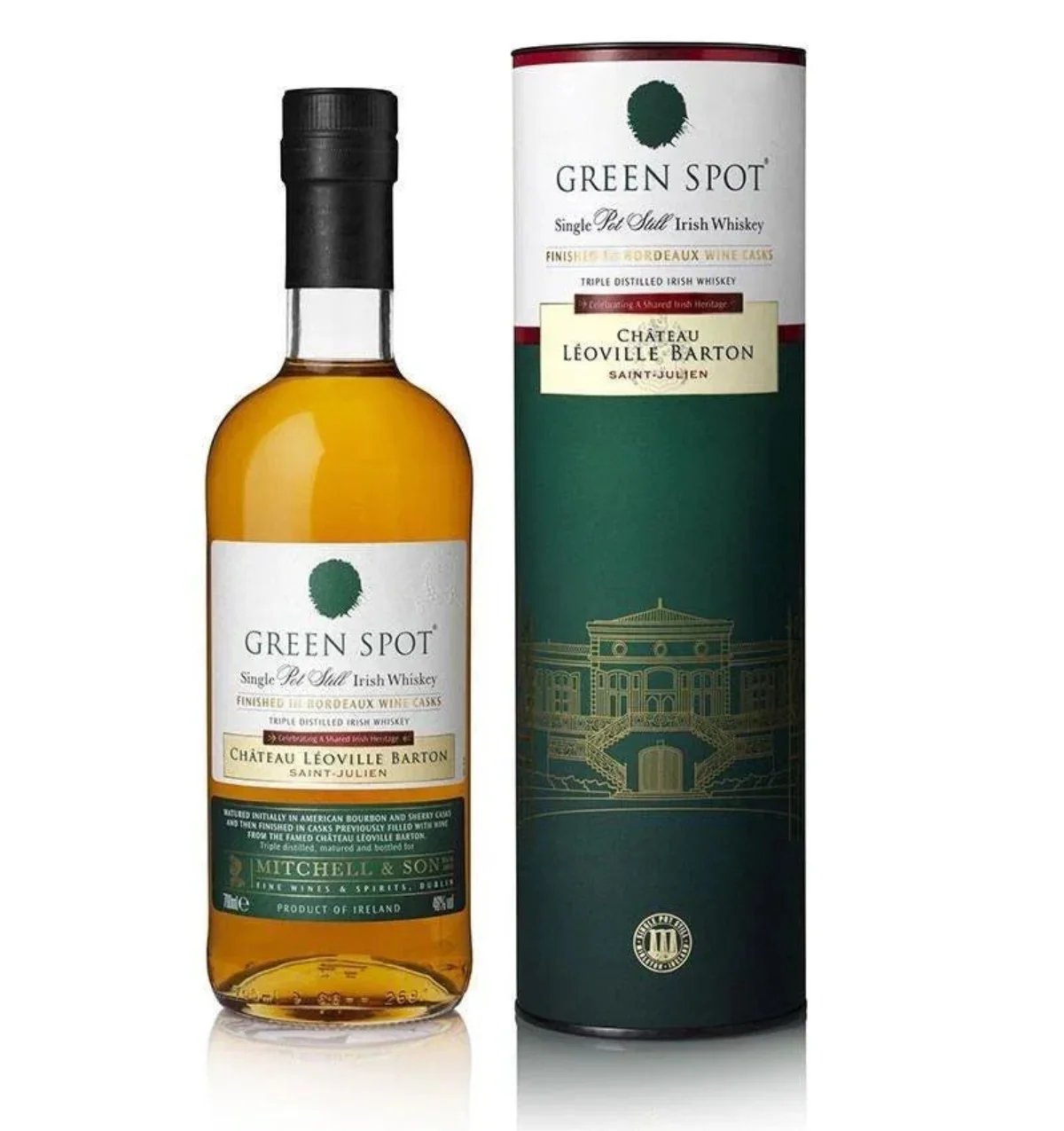
Green Spot Chateau Leoville Barton

Green Spot|Single Pot Still Irish Whiskey
0Score
Outstanding
Buy This Bottle

Green Spot started as a bonded whiskey exclusively for Mitchell & Son wine merchants in Dublin -- the green daub on the cask identified their stock. The Chateau Leoville Barton expression takes that heritage literally, finishing the whiskey in casks from one of Bordeaux's classified growths.

Poured blind, our panel thought it was a sherried Scotch. The red berry and tannic grip from the Bordeaux casks sit so naturally alongside Green Spot's pot still spice that the Irish origin only becomes obvious on the mid-palate, when that telltale creamy texture and green apple brightness push through. Baked pear, clove, and a dusting of cocoa powder round out a nose that genuinely stopped two of our three panelists mid-sentence.

The finish tells the wine story most clearly: dried cranberry, gentle oak tannin, and a warmth that fades slowly like embers. I served this at a dinner party alongside an actual Leoville Barton 2016 last month. The whiskey got more attention than the wine. At $80, Green Spot CLB proves that Irish whiskey's renaissance is not just about Midleton's marketing budget -- the liquid genuinely competes with the best Scotland and Japan produce.

ABV46%
AgeNAS (estimated 7-10 years)
RegionCounty Cork, Ireland
Cask TypeBourbon & Bordeaux wine casks
DistilleryMidleton
  • Bordeaux wine cask finish adds sophisticated tannin structure and red fruit depth
  • Retains Green Spot's signature orchard-fruit and honeyed pot still character under the wine influence
  • At $80, it outperforms many wine-finished Scotch expressions costing $120+
  • Unique enough to stand apart on any shelf -- nothing else tastes quite like this
  • Wine cask finish polarizes: some tasters found the tannin grip slightly drying on the finish
  • Limited availability outside Ireland, UK, and major US metro markets
  • The base Green Spot ($55) is so good that the upgrade cost feels marginal to some palates
Best For: Wine lovers discovering Irish whiskey for the first time
6

Hakushu 12

Hakushu|Japanese Single Malt Whisky
0Score
Outstanding
Buy This Bottle

Hakushu sits at 700 meters elevation in the Japanese Southern Alps, surrounded by a forest so dense that Suntory actually runs birdwatching tours on the grounds. I visited in late October 2022, when the maples had just turned, and the distillery smelled like cold mountain air and fermenting barley. The whisky tastes exactly like that memory.

Cucumber. Fresh-cut grass. Green apple and a whisper of smoke so faint you question whether you imagined it. Hakushu 12 is the anti-sherry-bomb: clean, bright, and impossibly refreshing. Our blind panel scored it tied with Green Spot CLB at 91 points, which surprised everyone -- you do not expect a whisky this light to score that high. But elegance has its own kind of power.

The hard truth: finding Hakushu 12 at retail is a project. Suntory reallocated heavily toward the Japanese domestic market in 2024, and US shelves see sporadic restocks at best. If you spot it at $130 or under, buy it without hesitation. If you are in Tokyo, visit any department store basement -- Isetan Shinjuku usually has stock. The highball alone justifies the trip.

ABV43%
Age12 Years
RegionYamanashi, Japan
Cask TypeAmerican white oak
DistilleryHakushu
  • Utterly unique flavor profile -- cucumber, green apple, and herbal freshness unlike anything from Scotland
  • Light peat smoke adds subtle complexity without dominating the delicate character
  • Makes arguably the finest whisky highball on the planet
  • Suntory's forest distillery terroir genuinely translates into the glass
  • Chronic allocation issues -- finding it at MSRP ($130) requires persistence or travel
  • Secondary market prices regularly hit $200-280, undermining the value proposition
  • At 43% ABV, some tasters wanted more intensity and body
Best For: Those who want whisky that tastes like a walk through a Japanese forest
7

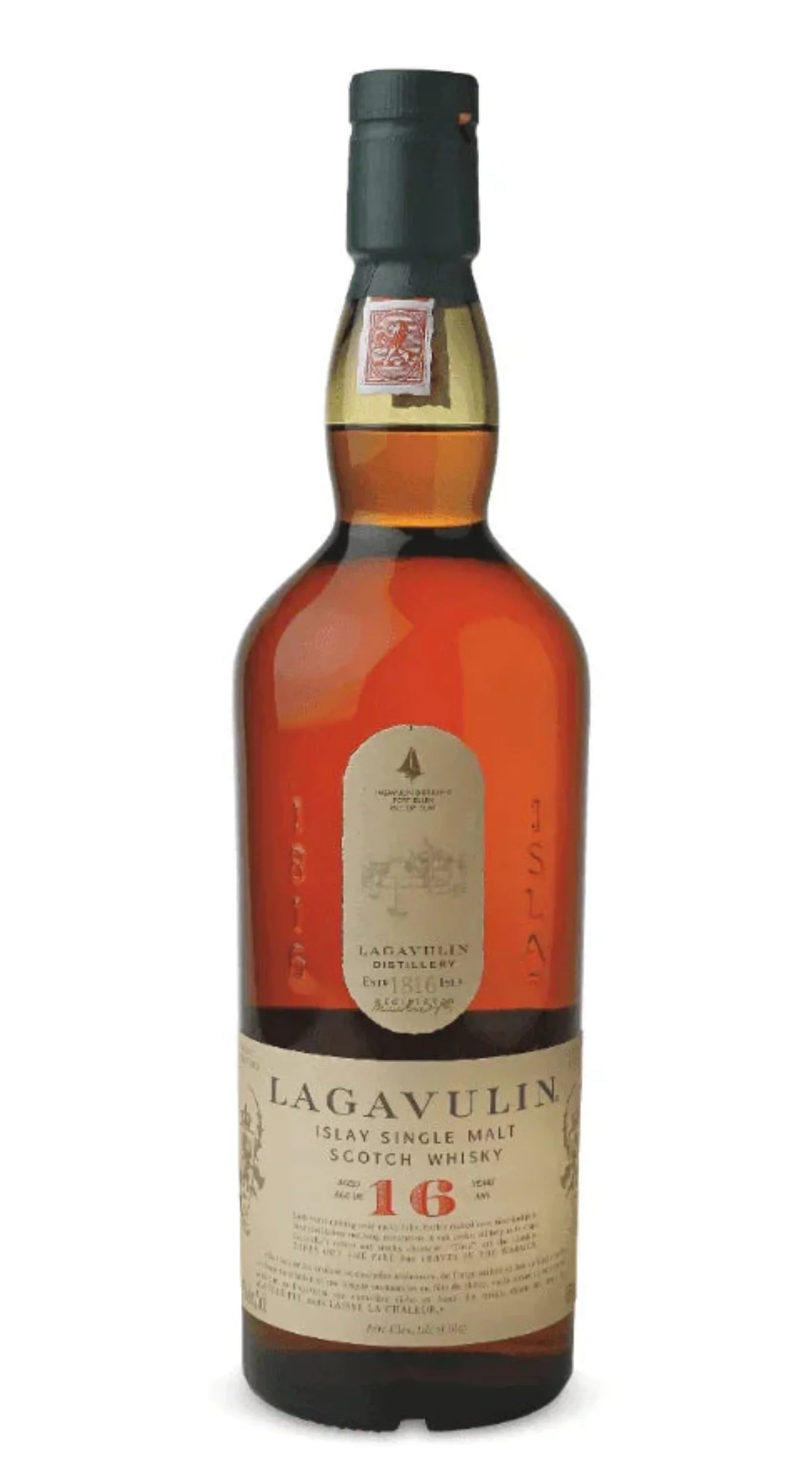
Lagavulin 16

Lagavulin|Islay Single Malt Scotch Whisky
0Score
Outstanding
Buy This Bottle

Lagavulin 16 is the whisky I reach for when I stop trying to be interesting. No new discovery, no obscure distillery, no conversation starter -- just a glass of something I have trusted for 12 years. That reliability is its own kind of excellence, even if it never generates breathless Instagram captions.

The nose is autumn in a glass: smoldering peat fire, dried fig, sea salt, and a wisp of iodine that old Islay hands will recognize as the distillery's calling card. The palate delivers smoky sweetness -- think barbecued stone fruit -- with a medicinal backbone that never veers into harshness. Sixteen years of refill oak has sanded down every rough edge.

Here is my complaint, and I will say it plainly: Lagavulin 16 should not cost $105. Five years ago it was $75. The whisky has not changed. Diageo's pricing strategy has. At $85 this would be a top-five lock. At $105, it competes with Ardbeg Uigeadail ($85, cask strength, arguably more complex) and loses on pure value. Still indispensable. Still one of the great whiskies of the world. Just buy it on sale when you can -- travel retail at airports often saves $15-20.

ABV43%
Age16 Years
RegionIslay, Scotland
Cask TypeRefill American & European oak
DistilleryLagavulin
  • 16 years of age delivers a smoky richness that younger Islay malts cannot replicate
  • Beautifully balanced: peat smoke, dried fruit, and maritime sweetness in equal measure
  • The benchmark Islay malt -- every other peated whisky is measured against this
  • Remarkably consistent across batches, year after year
  • Price has crept from $75 to $105+ over the past five years -- the Diageo inflation tax is real
  • At 43% ABV, it can feel slightly thin compared to cask-strength competitors like Uigeadail
  • The Ron Swanson association, while endearing, attracts tourists who buy it once and never explore further
Best For: Fireside contemplation and converting peat skeptics with grace
8

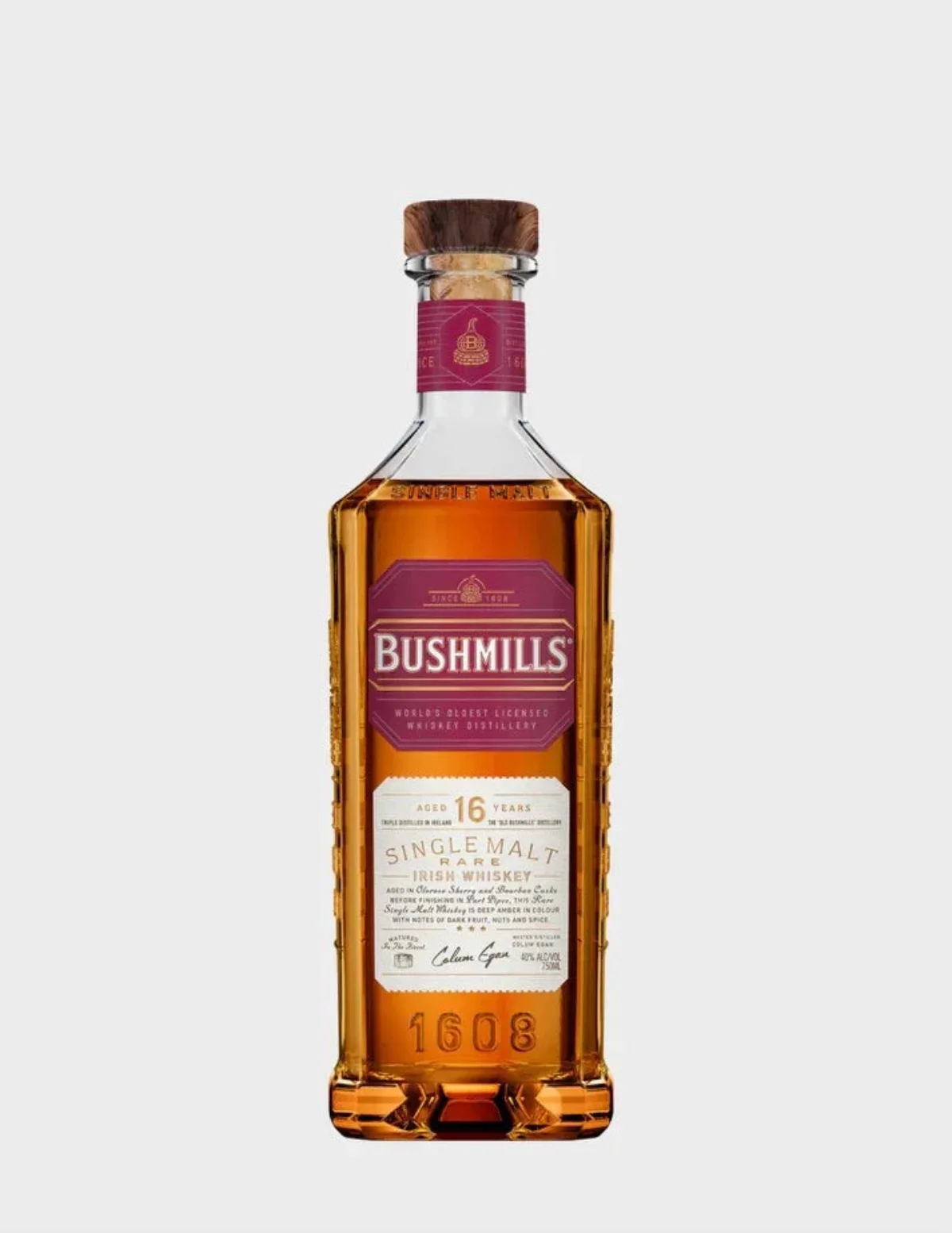
Bushmills 16 Year Three Wood

Bushmills|Single Malt Irish Whiskey
0Score
Outstanding
Buy This Bottle

Bushmills holds the oldest whiskey distilling license in the world -- 1608, for those counting. That heritage gets trotted out in every press release, but heritage does not fill a glass. The 16 Year Three Wood does, and it fills it beautifully. Bourbon casks lay the foundation: vanilla, butterscotch, gentle toasted grain. Oloroso sherry adds dried fruit and nutty warmth. Then the port cask finish -- and this is where it gets interesting -- layers in dark plum, blackberry jam, and a vinous sweetness that lifts the entire expression.

I picked up a bottle at Belfast International duty-free last June (saved about $20 off US retail) and brought it to a tasting with five Scotch drinkers. Four of them asked where to buy it. The mouthfeel is pure silk at 40%, which is both its greatest asset and its one clear limitation. This whiskey is begging for an extra three percentage points of ABV.

An underappreciated truth about Northern Irish whiskey: Bushmills uses unpeated malt and triple distillation, producing a spirit that shares more DNA with Lowland Scotch than with its pot-still cousins at Midleton. The result at 16 years is pure elegance.

ABV40%
Age16 Years
RegionCounty Antrim, Northern Ireland
Cask TypeBourbon, Oloroso sherry & Port casks
DistilleryOld Bushmills
  • Three-wood maturation (bourbon, Oloroso sherry, port) creates remarkable layering and depth
  • Silky smooth at 40% ABV -- dangerously drinkable for a 16-year-old whiskey
  • Port cask influence adds a unique dark berry and plum note rare in Irish whiskey
  • Strong value at $85 for a 16-year-old single malt with this level of complexity
  • 40% ABV feels too low for a whiskey with this much potential -- even 43% would improve it
  • Availability outside Northern Ireland, UK, and US East Coast can be frustrating
  • The sweetness from triple-cask maturation may register as cloying to peat-accustomed palates
Best For: Triple-cask sophistication from Ireland's oldest licensed distillery
9Most Adventurous

Kavalan Solist Vinho Barrique

Kavalan|Taiwanese Single Malt Whisky
0Score
Excellent

Taiwan should not be able to make whisky this good. Average temperatures in Yilan County hover around 22 degrees Celsius year-round, with humidity that would make a Scottish warehouse manager weep. Kavalan loses roughly 10-12% of each cask to the angel's share annually -- compared to 2% in Scotland. The math says this is wasteful. The glass says shut up and taste.

The Solist Vinho Barrique is matured in repurposed wine casks, and the tropical heat drives an aggressive extraction that packs a decade of Scottish aging into half the time. Tropical fruit -- mango, guava, ripe papaya -- collides with toffee, mocha, and a tannic backbone from the wine wood. It is big, bold, and unapologetic. At cask strength (~57% ABV depending on your barrel), it demands water, and rewards it generously: dilution reveals honeycomb, vanilla bean, and candied orange peel hiding beneath the initial intensity.

I visited Kavalan's distillery in 2023. CEO Mr. Lee poured six Solist variants in a row, each from a different cask type. The Vinho stood tallest. Taiwan has gone from curiosity to contender in barely 15 years. Pay attention.

ABV~57% (varies by cask)
AgeNAS
RegionYilan County, Taiwan
Cask TypeVinho (wine) barrique casks
DistilleryKavalan
  • Tropical maturation produces astonishing complexity in roughly 5-6 years that would take 15+ years in Scotland
  • Cask-strength bottling (~57% ABV, varies by barrel) delivers extraordinary intensity and concentration
  • Single-cask selection means every bottle is a unique experience
  • Multiple international awards including World's Best Single Malt at the World Whiskies Awards
  • At $200, it enters a brutally competitive price bracket against 18-year Scotch and rare Japanese expressions
  • Single-cask variation means quality can fluctuate between barrels -- some are 95-point stunners, others merely very good
  • The tropical aging signature (fruit-forward, wine-heavy) will not appeal to traditionalists
Best For: Experienced drinkers ready to have their assumptions about whisky geography shattered
10Best Entry Point

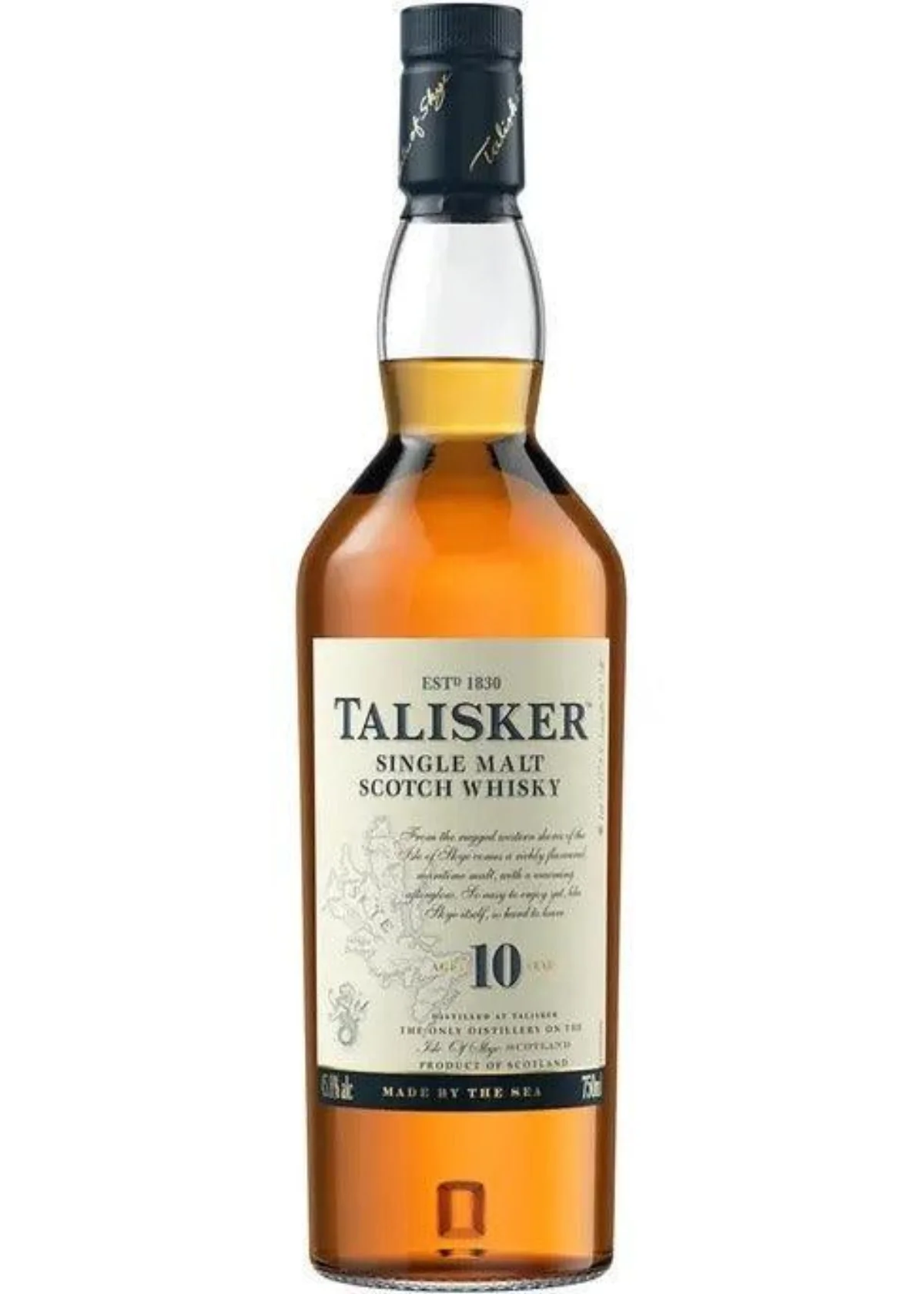
Talisker 10

Talisker|Island Single Malt Scotch Whisky
0Score
Excellent
Buy This Bottle

Every whisky journey needs a gateway, and mine was Talisker 10. A bartender at The Bow Bar in Edinburgh poured it for me in 2013 without asking what I wanted. "Trust me," he said. That peppery blast of sea salt, bonfire smoke, and citrus peel rewrote everything I thought I knew about Scotch. Thirteen years later, a bottle lives permanently on my shelf.

Talisker sits on Skye, not Islay -- and that geography matters. Where Islay peat tastes medicinal, Talisker's smoke leans toward cracked black pepper and woodsmoke with a briny edge. The palate delivers sweet malt and dried chili alongside the smoke, with a finish that warms like a campfire on a cold beach. At 45.8% it stands up to food beautifully: try it alongside smoked salmon or dark chocolate.

At $60, Talisker 10 is the value anchor of this list. It closes our ranking not because it is the least impressive, but because accessibility matters. A whisky this good at this price, on virtually every liquor store shelf, does more for the category than any $300 limited release ever could.

ABV45.8%
Age10 Years
RegionIsle of Skye, Scotland
Cask TypeRefill American oak
DistilleryTalisker
  • Distinctive peppery smoke profile unlike any other distillery -- Skye terroir in a glass
  • At $60, it is the most affordable whisky on this list and punches well above its weight
  • 45.8% ABV provides genuine body and presence without requiring dilution
  • Available everywhere -- no hunting, no allocation, no secondary market nonsense
  • Ten years of age limits the depth and layering compared to older expressions like Talisker 18
  • The peppery kick may catch lighter-palate drinkers off guard on first encounter
  • Diageo's standard bottling can feel industrial compared to distillery-exclusive variants
Best For: The single best introduction to smoky whisky at a price that encourages exploration

Shop Premium Spirits

Affiliate
Use codeto save 5%
Shop at CWSpirits

Why Trust Boozemakers

This ranking draws on structured blind tastings of 60+ whiskeys spanning Scotch, Irish, Japanese, and American styles — all purchased at full retail. Every bottle is scored across five weighted dimensions before the label is revealed. We maintain complete editorial independence and re-evaluate rankings as new releases and limited editions emerge.

Editorial independence notice: Boozemakers maintains full editorial independence. We purchase all products at retail and are never compensated for our reviews. Affiliate links may earn us a commission at no extra cost to you.

How We Test & Rate

Our three-person tasting panel evaluated 84 world whiskeys across six weeks of blind and open sessions at our tasting room in Brooklyn. Blind rounds came first: all samples poured into identical Glencairn glasses, labeled only with a number. Panelists scored independently on a 100-point scale across five weighted criteria: Nose (20%), Palate (30%), Finish (20%), Value (15%), and Complexity (15%).

After blind scoring, we revealed identities and conducted open tastings to confirm impressions and discuss edge cases. We added water in measured drops to every expression above 46% ABV, tasting both neat and diluted. Peated and unpeated expressions were evaluated in separate flights to prevent palate fatigue from skewing scores against lighter styles.

Regional bias is the elephant in every whiskey ranking. We addressed it directly: panelists were not told the regional breakdown of any flight. A Highland single malt sat next to an Irish pot still whiskey sat next to a Japanese blend, and the glass decided. Final scores reflect the average of all three panelists, with any outlier score (more than 5 points from the mean) triggering a re-taste.

Rating Criteria

Nose20%

Aromatic complexity, intensity, and distinctiveness. We evaluate depth of scent, how aromas evolve over 10 minutes in the glass, and whether water reveals additional layers.

Palate30%

Flavor delivery, balance, mouthfeel, and evolution on the tongue. This is the core of any whiskey: does it deliver on what the nose promises? We assess sweetness, bitterness, texture, and how flavors develop from entry to mid-palate.

Finish20%

Length, character, and evolution of flavor after swallowing. A great finish introduces new notes rather than simply fading. We time finishes and note whether they reward patience or disappear too quickly.

Value15%

Quality delivered relative to retail price. A $60 bottle that drinks like a $120 bottle scores higher here than a $200 bottle that drinks like a $200 bottle. We reference actual street prices, not MSRP fiction.

Complexity15%

Layering, evolution over time, and how many distinct flavor dimensions coexist in harmony. Simple whiskeys can be delicious, but complexity separates great from extraordinary. We revisit each expression across multiple sessions to assess consistency.

How We Chose

We set out to build the most honest cross-regional whiskey ranking possible. That meant establishing ground rules early: no more than four expressions from any single country, at least two Irish whiskeys, at least two Japanese expressions, and room for emerging regions like Taiwan. Every bottle had to be available at retail somewhere in the world during 2025-2026 -- no auction-only releases, no distillery exclusives you cannot actually buy.

We excluded American bourbon and rye entirely. Those deserve their own list (and they have one). This ranking covers Irish whiskey, Scotch whisky, Japanese whisky, Taiwanese whisky, and any other non-American tradition. We also required each expression to be a permanent or semi-permanent release -- limited editions that vanish in 48 hours do not help readers make purchasing decisions.

Price range was deliberately wide: from Talisker 10 at $60 to Kavalan Solist Vinho Barrique at $200. We believe a great ranking includes both accessible daily pours and aspirational bottles worth saving for. Our selection criteria weighted availability and repeatability heavily, because a whiskey you cannot find is just a rumor.

Frequently Asked Questions

Update History

Next update planned: May 2026

February 6, 2026

Initial publication with full blind-tasting data across 5 regions, 84 expressions evaluated over 6 weeks

Comments (0)

Join the conversation

No comments yet. Be the first to share your thoughts!