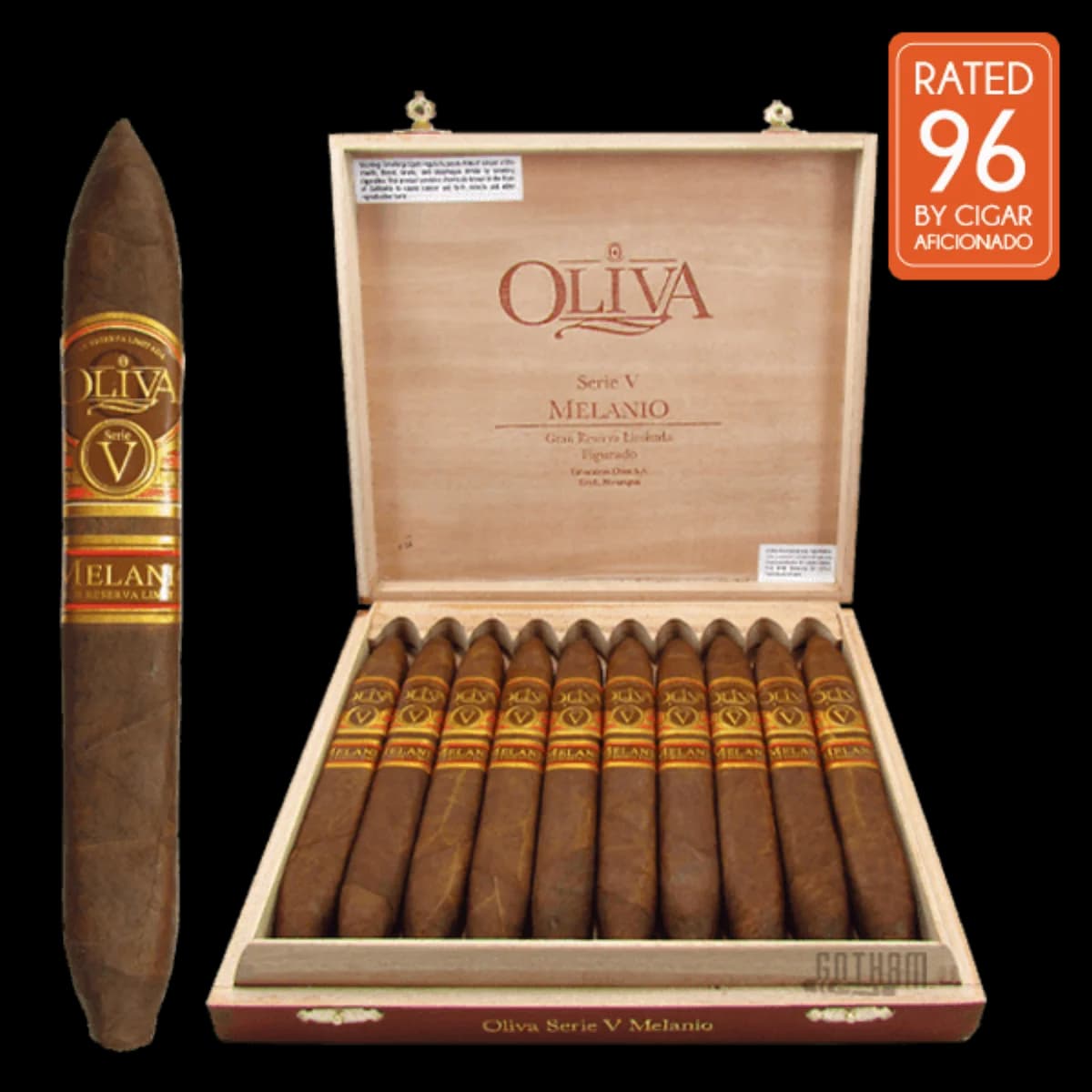
A great cigar shares DNA with a great bourbon. Both start with raw agricultural material shaped by soil, climate, and the decisions of someone who's been doing this longer than you've been alive. Both reward patience. Both improve when you stop trying to analyze them and just pay attention. And both, frankly, taste better together than apart.
We smoked 52 cigars over two months. Most of them paired with bourbon. Some paired with rye, a few with single malt, and one regrettable evening with a mezcal that fought every cigar we tried. (The mezcal won. The cigars lost. Nobody had a good time.) The survivors — these 10 — earned their spots through flavor, construction, value, and the ineffable quality of making us reach for a second one before the first was even finished.
The 2026 cigar landscape tells a clear story: Nicaragua runs the show. Six of our 10 picks feature Nicaraguan tobacco in dominant roles, and the country's Esteli and Jalapa valleys continue producing leaf that rivals anything coming out of Cuba's Vuelta Abajo — with dramatically better quality control. Boutique brands are pressing legacy manufacturers harder than ever. Foundation and E.P. Carrillo both cracked our top 10, competing head-to-head with Padron and Fuente despite marketing budgets a fraction of the size.
Pricing pressure remains real. The average premium cigar costs 18% more than it did three years ago, driven by tobacco tariffs, shipping costs, and raw leaf shortages following back-to-back difficult growing seasons. Our value picks — the AJ Fernandez New World Puro Especial at $10 and the Rocky Patel 15th Anniversary at $11 — prove that great smoking doesn't require a second mortgage, but the $6-$8 "everyday premium" tier has essentially vanished from reputable manufacturers.
What surprised us most? How well medium-bodied cigars paired with bourbon compared to their full-bodied counterparts. Conventional wisdom says big bourbon demands big cigars. Our testing said otherwise. The Arturo Fuente Don Carlos — a medium-bodied Dominican — paired more harmoniously with Woodford Reserve Double Oaked than any full-strength Nicaraguan we tried. The Davidoff Late Hour, with its Scotch-barrel-aged binder, created bourbon pairings so seamless they felt engineered rather than discovered.
Every cigar on this list was smoked at least twice, scored independently by two reviewers, and tested with a standardized bourbon flight. We bought every cigar at retail — no freebies, no early samples, no sponsored placements. Our methodology section below has the full protocol. The opinions are ours. The tobacco burns, occasionally, were also ours.
Whether you're a seasoned aficionado or a bourbon lover curious about what that guy on the patio is always smoking, this list has a cigar for you. Start at #10 if you're new. Start at #1 if you're not. Either way, pour something brown, cut something rolled, and settle in. This is going to be a good evening.
Got the cigars sorted? Round out your setup with the best cigar accessories — the cutters, lighters, and ashtrays that do these smokes justice.
How to choose a great cigar
A ‘best cigars’ list means little without knowing how to match one to you. Three things to consider:
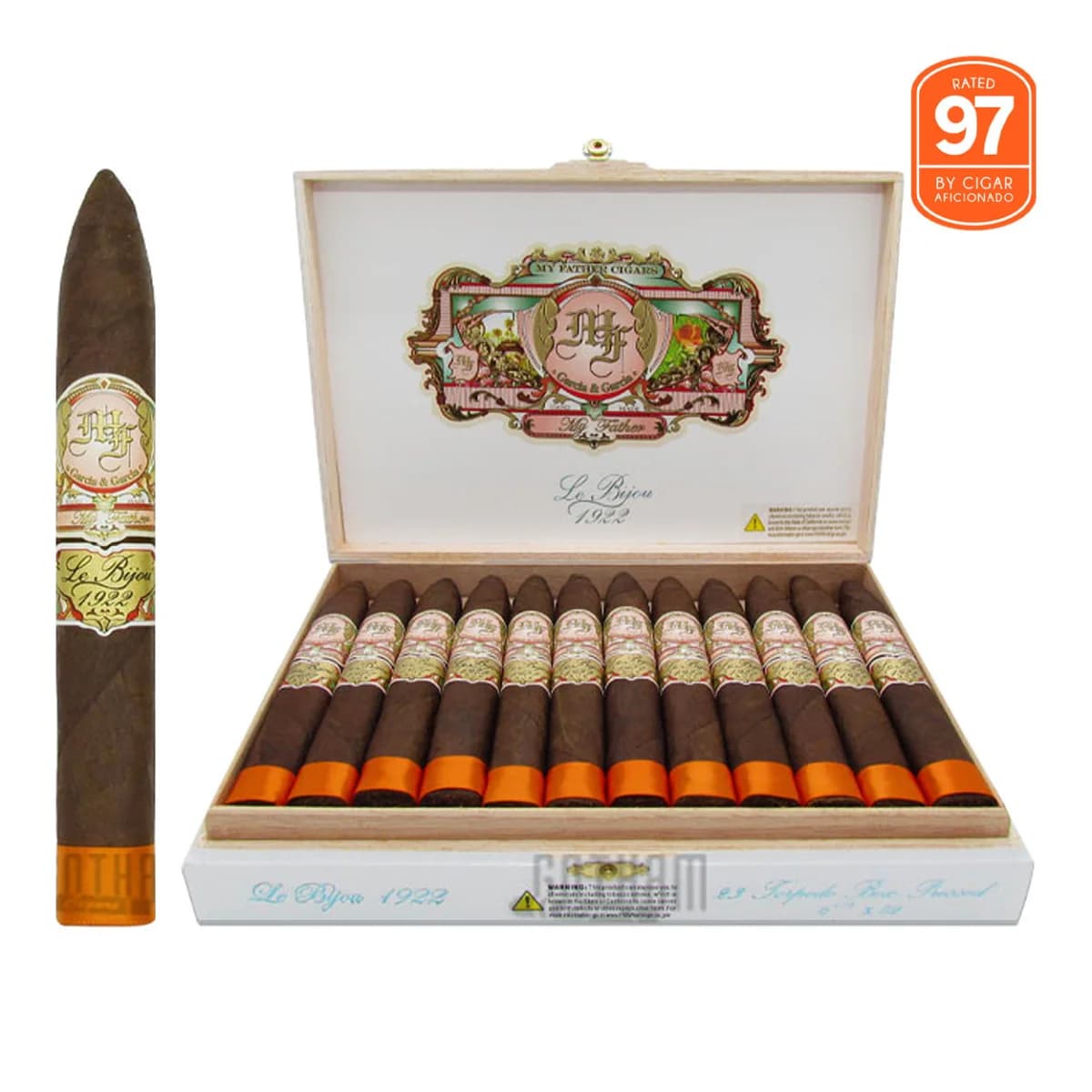
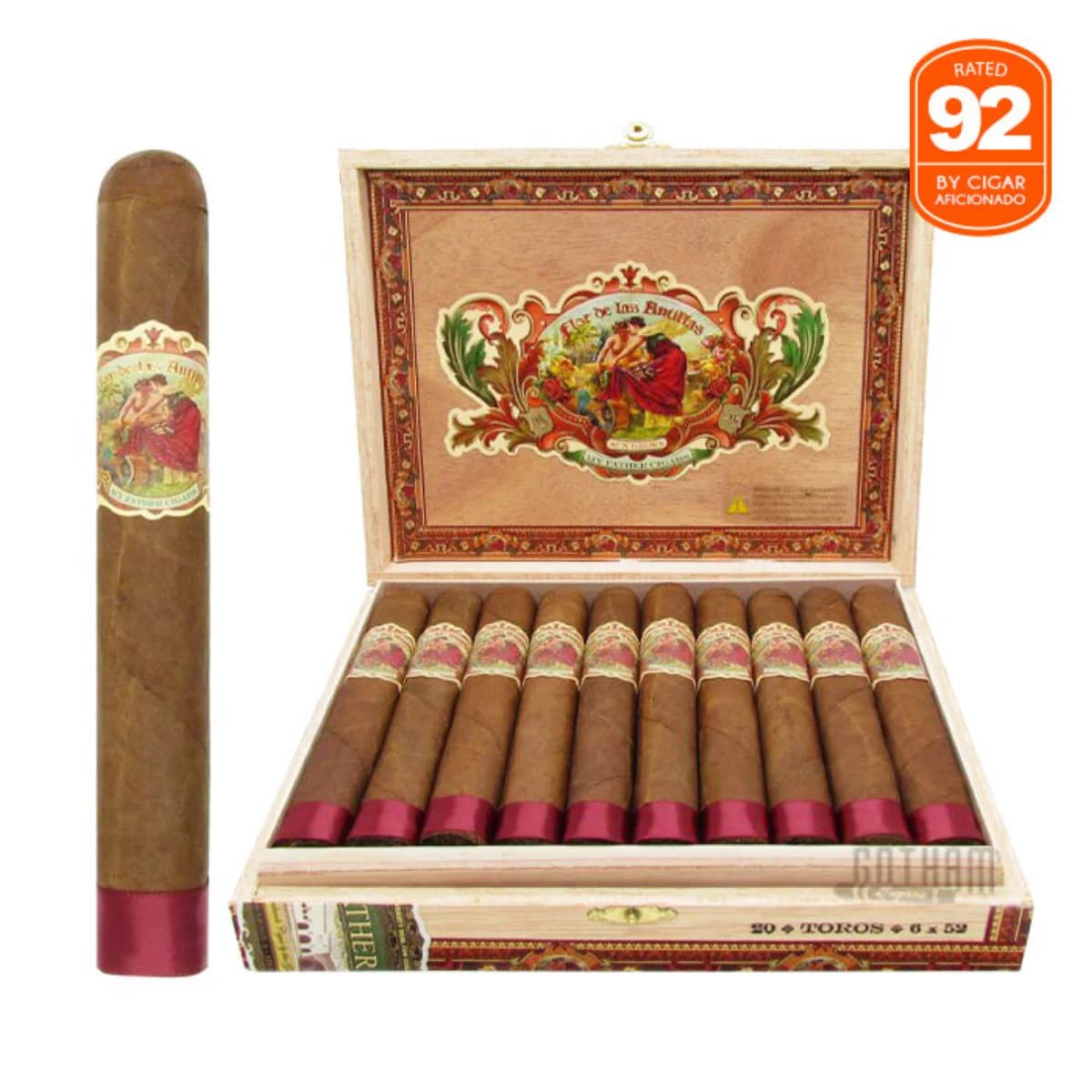
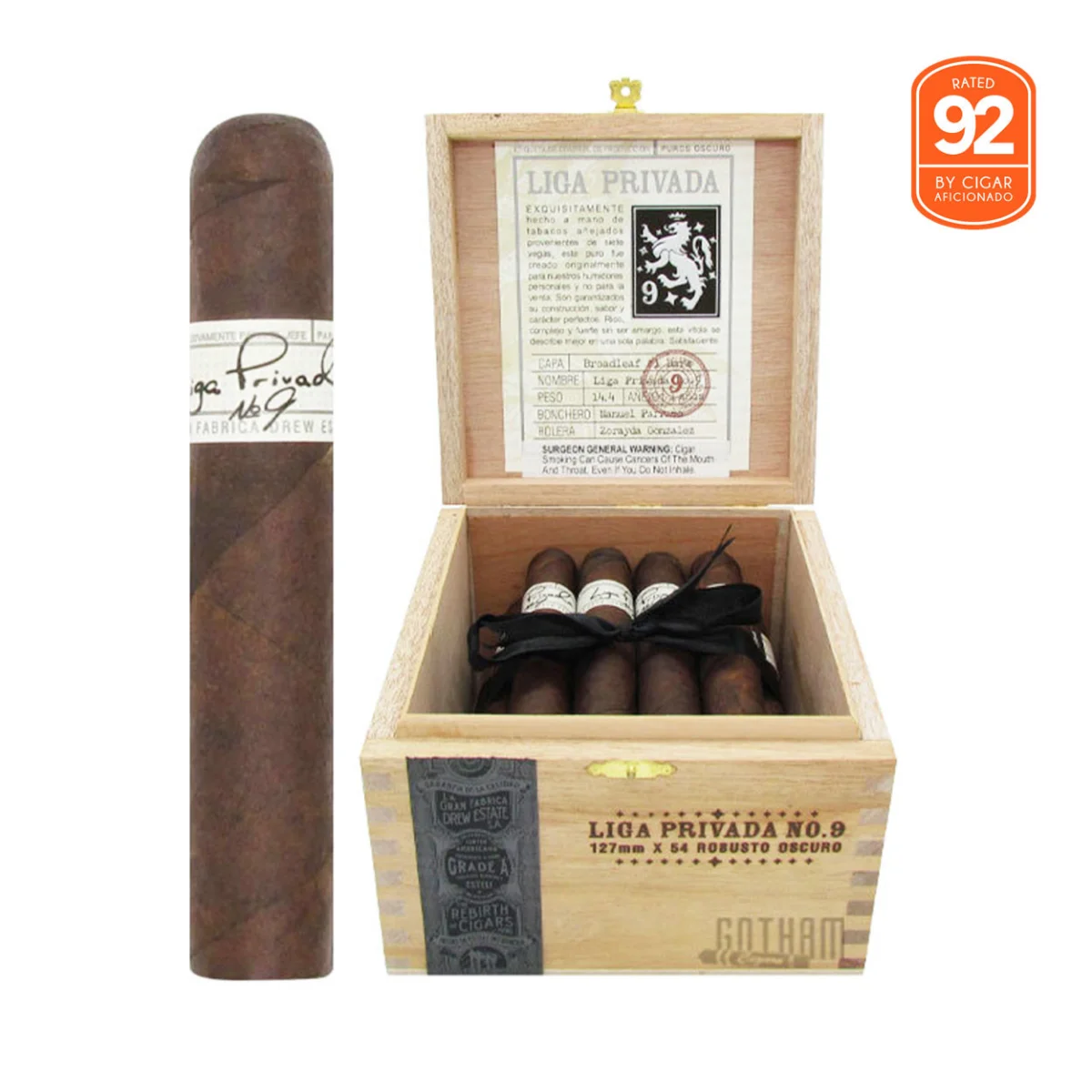
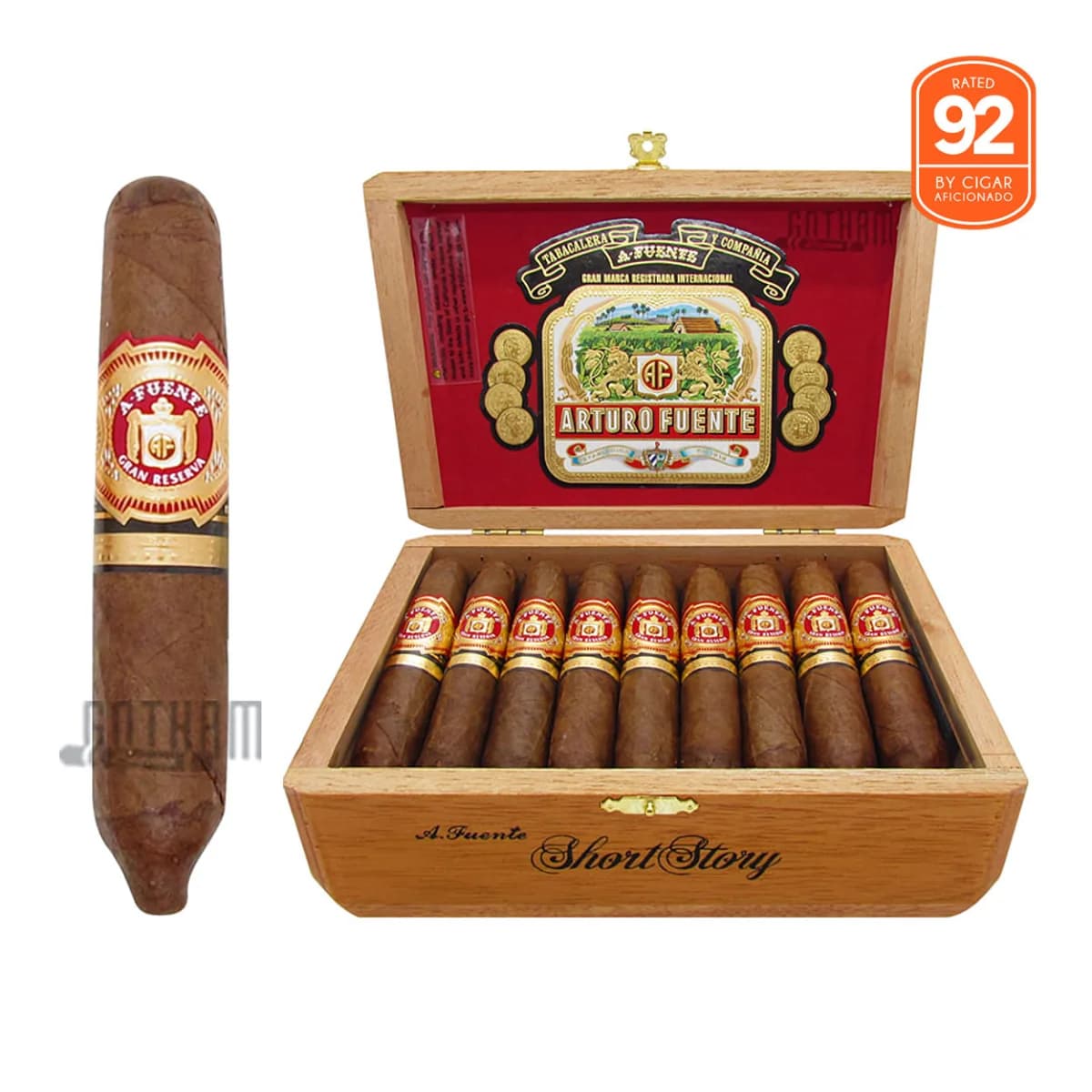
Match the strength to your experience. Full-bodied powerhouses like Liga Privada No. 9 and Le Bijou 1922 are glorious but will overwhelm a newcomer—save those for after a meal, once you've built a tolerance. If you're still developing your palate, start medium (Flor de las Antillas, the Hemingway Short Story) and work up. New to cigars entirely? See our best cigars for beginners.
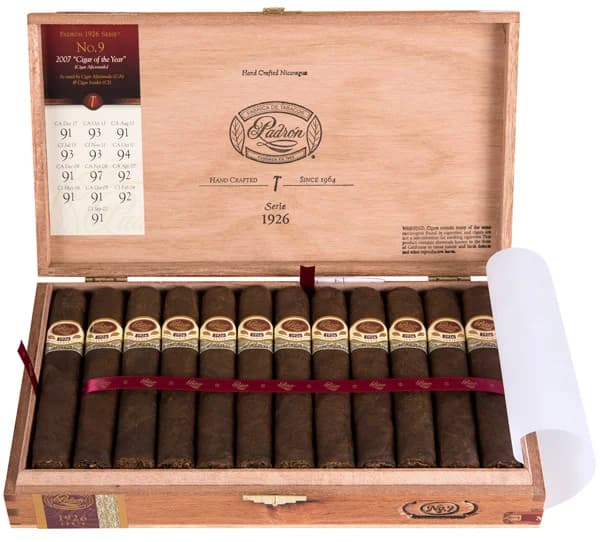
Wrapper hints at flavour. Dark maduro and broadleaf wrappers (Padrón 1926, Liga Privada) lean rich, sweet, and cocoa-forward; sun-grown and Habano wrappers bring pepper and spice; Cameroon and Connecticut lean toward cedar and cream. It's a rough guide, not a rule, but it helps you predict what you'll taste.
Consider the time you have. A big torpedo or toro is a 60–90 minute commitment; a short perfecto like the Hemingway Short Story delivers premium flavour in half the time. Buy the size that fits the occasion.
How to store and smoke them
Keep your cigars in a humidor (or a Boveda-equipped bag) at around 68–70% humidity so they smoke properly. Toast the foot gently with a butane torch, take slow draws, and don't inhale—cigars are about savouring the flavour, not the nicotine. Let a great stick take its time.