Eighty-seven bourbons. Four blind-tasting sessions. Eight weeks. Three tasters with increasingly numb palates and strong opinions. That's what it took to produce the list you're about to read.
We started this project in November 2025 with a simple question: if you could only buy ten bottles of bourbon this year, which ten? Not the ten most hyped, not the ten most expensive, not the ten with the best Instagram presence — the ten that actually deliver the best drinking experience for what you pay. That distinction matters more in 2026 than any year I can remember.
The bourbon market right now is a study in contradictions. Barrel-proof releases continue their dominance — our top three are all above 100 proof, and two exceed 116. Meanwhile, wheated bourbons are having a genuine renaissance beyond the Weller/Pappy conversation, with Maker's Mark and Heaven Hill both pushing their wheat-forward programs into ambitious new territory. And at the value end, the bottles that have been great for years (Wild Turkey 101, I'm looking directly at you) remain great, while a growing wave of overpriced craft releases continues to disappoint.
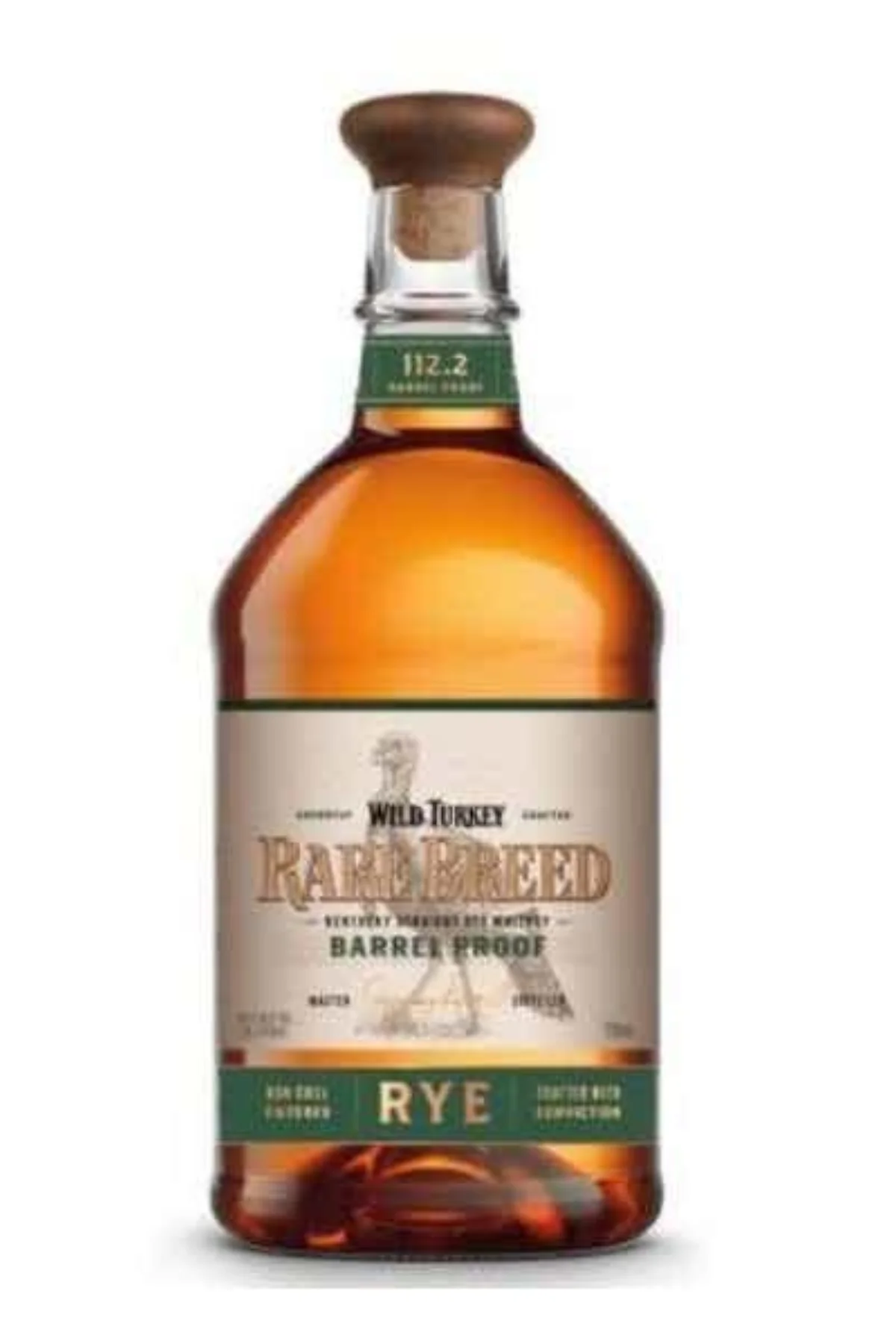
The biggest surprise from our eight weeks of tasting? How badly the expensive bottles performed against the affordable ones. Not a single bourbon above $200 cracked our final ten. Wild Turkey Rare Breed, at $45, beat every allocated trophy bottle we tested. Wild Turkey 101, at $25, outscored 71 of 87 entries. The correlation between price and quality in bourbon has never been weaker, and I consider that genuinely good news for anyone who drinks bourbon rather than collects it.
A few notes on how to use this ranking. The scores are relative within this list — a 94 means we think it's the best bourbon available in 2026, not that it's mathematically 7 points better than an 87. The summaries include specific tasting notes, buying advice, and honest opinions about value. If a bourbon is hard to find, we'll tell you. If the price doesn't justify the quality, we'll say that too. We'd rather lose a potential affiliate dollar than mislead you on a purchase.
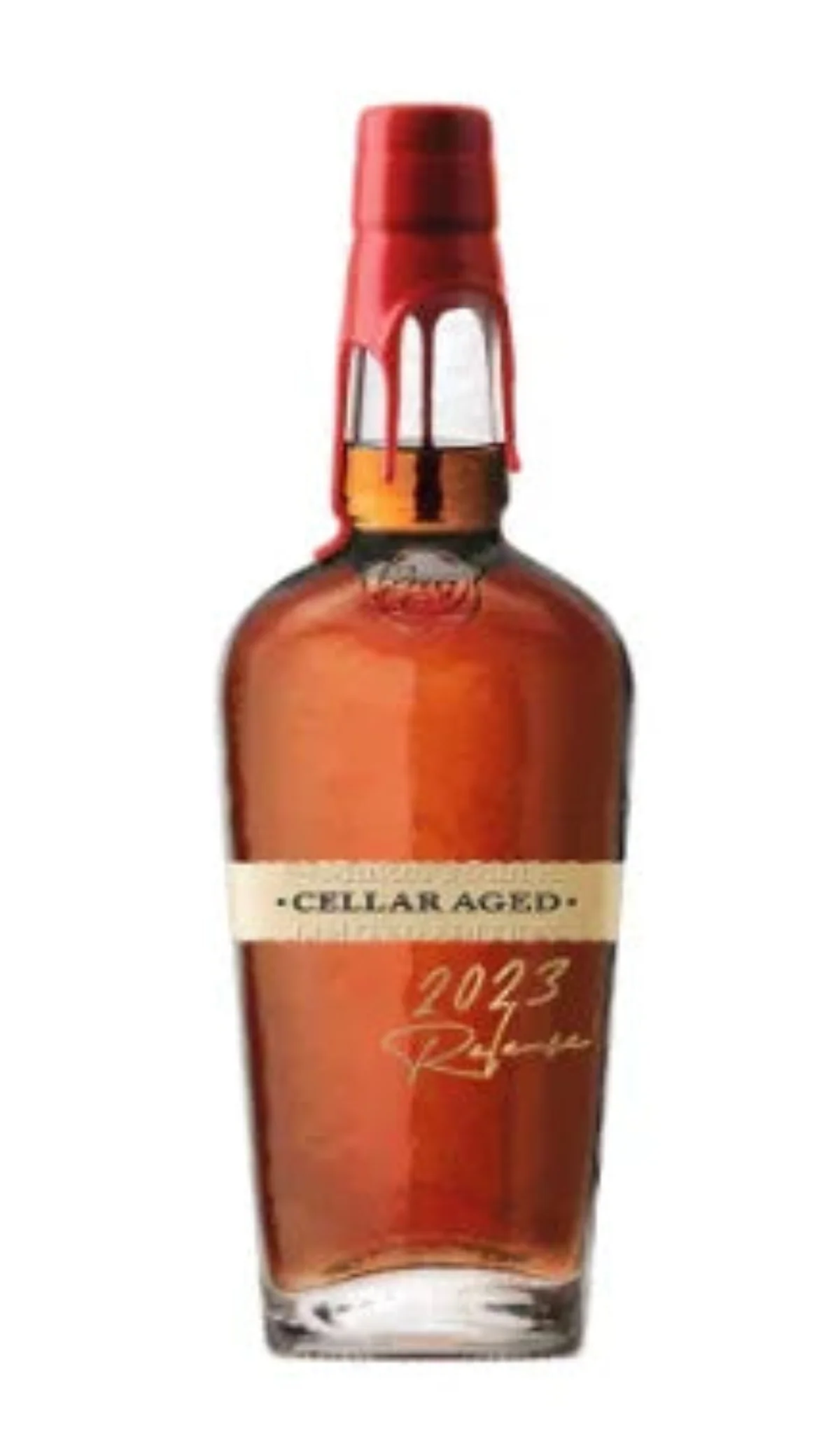
Some of these bourbons have appeared on our list before. Rare Breed has held the top spot for three years. Russell's Reserve 10 Year remains criminally overlooked. Others are new additions — Larceny Barrel Proof earns its first appearance after a strong run of 2025 batches, and Maker's Mark Cellar Aged represents Loretto's most ambitious expression to date.
Whether you're building your first bourbon shelf or your fiftieth, start with our top pick and work down. Or skip straight to #7 and build up. There's no wrong way to explore great bourbon — just wrong prices to pay for it.
How to use this ranking
A ‘best bourbons’ list is only useful if it tells you which best bourbon is right for you. Our ranking spans the whole spectrum on purpose, so read it with your own palate in mind:
Match the style to your taste. Soft and sweet? Look for the wheated bottles. Spicy and structured? The high-rye ones. Big and intense? The barrel-proof entries. There's no single ‘best’ bourbon—only the best one for the way you like to drink.
Balance ambition with availability. Some entries are allocated trophies; others you can buy tonight. If a top pick is impossible to find, the bottle a few spots below usually delivers 90% of the experience for a fraction of the hassle.
Use price as a guide, not a verdict. Several of the highest-scoring bourbons here are also among the most affordable. Great bourbon and expensive bourbon are not the same thing.
How to serve great bourbon
Sip the premium and barrel-proof bottles neat in a Glencairn, adding water a few drops at a time to open them up. The everyday bottles are equally happy in an Old Fashioned or over a large cube. Whatever you pour, give it a moment—good bourbon rewards attention.
We started with 87 Kentucky Straight Bourbons available at retail between September 2025 and January 2026. Every bottle was purchased by our team at MSRP from licensed retailers in Kentucky, Tennessee, and New York — we don't accept press samples for ranked roundups, full stop.
To qualify, a bourbon had to meet three criteria: (1) widely available in at least 30 U.S. states, (2) priced at or below $200 MSRP, and (3) currently in production with consistent batch quality. That last rule knocked out several excellent single-barrel picks that vary too wildly batch-to-batch for a definitive ranking.
We deliberately excluded allocated unicorns like Pappy Van Winkle, George T. Stagg, and William Larue Weller. Not because they aren't outstanding — they are — but because recommending bottles you can't actually buy feels dishonest. If fewer than 5% of our readers can find it on a shelf, it doesn't belong on a "best of" list.