The barrels at Wigle Whiskey's Strip District distillery still carry the scorch marks of open flame, a nod to the pre-Prohibition craft that nearly tore a young nation apart. We're standing in Pittsburgh's most rebellious tasting room, sampling a rye that tastes like pepper and defiance, and the bartender is explaining how a 4-cent-per-gallon tax in 1791 sparked the first constitutional crisis in American history. The whiskey in our glass — unaged white rye, bottled at proof — is the same spirit that Pennsylvania farmers refused to pay Alexander Hamilton's excise on. Two hundred thirty years later, you can still taste the rebellion.
The Whiskey Rebellion Trail isn't your grandfather's bourbon tourism. While Kentucky's Ultimate Bourbon Trail Guide draws 2.5 million visitors annually to industrial-scale rickhouses, Pennsylvania's 12-distillery circuit tells the grittier origin story of American whiskey. This is where farmers-turned-distillers took up arms against federal overreach, where George Washington led 13,000 militiamen over the Alleghenies to enforce tax law, and where the very idea of "American whiskey" was forged in copper pot stills and political fury. The trail connects Pittsburgh's craft whiskey renaissance to the rebellion's ground zero in Washington County, then stretches east to Lancaster County's farm distilleries and Philadelphia's urban craft producers. At $35 for a year-long pass granting discounts and exclusives across all 12 stops, it's the most affordable — and historically resonant — whiskey trail in America.
The Whiskey Rebellion: When Whiskey Became Currency
Alexander Hamilton needed revenue. The Revolutionary War had saddled the federal government with $54 million in debt, and the newly ratified Constitution granted Congress the power to levy excise taxes. In 1791, Hamilton convinced President Washington to sign the Whiskey Act, imposing a tax ranging from 6 to 18 cents per gallon on distilled spirits. For eastern distillers who sold in cash markets, the tax was manageable. For western Pennsylvania farmers, it was economic warfare.
The geography explains everything. Allegheny County farmers in the 1790s grew rye and corn on steep hillsides where transportation costs devoured profit margins. A packhorse could carry four bushels of grain over the Alleghenies to eastern markets — or eight barrels of whiskey distilled from 24 bushels of grain. Whiskey wasn't just a product; it was currency. Farmers traded whiskey for land, tools, and labor. They paid workers in whiskey. The federal government's demand for cash payment on whiskey — at rates that represented 25% of a barrel's value — struck at the economic foundation of frontier life.
Resistance began with petitions and escalated to violence. In July 1794, a federal tax collector named John Neville tried to serve writs to non-compliant distillers near Pittsburgh. Farmers surrounded Neville's fortified estate, Bower Hill, and a firefight erupted. Militia commander John Holcroft died in the assault. The rebels burned Bower Hill to the ground. At Mingo Creek, 7,000 farmers gathered at a liberty pole to debate marching on Pittsburgh. David Bradford, a militant lawyer, called for armed insurrection. Moderates like Hugh Henry Brackenridge argued for negotiation. The rebellion teetered between civil war and political protest.
Washington's response was unequivocal. In September 1794, he mobilized 13,000 militiamen — larger than the Continental Army at any point during the Revolution — and personally led them across the mountains. It was the only time a sitting U.S. president commanded troops in the field. The show of force worked. The rebellion collapsed without a major battle. Federal troops arrested about 150 suspects; two were convicted of treason and later pardoned by Washington. The whiskey tax remained law until Thomas Jefferson repealed it in 1802, but the precedent was set: the federal government could enforce internal taxation, and armed resistance would be met with overwhelming force.
The rebellion's legacy lives on in every bottle of American rye. Pennsylvania distillers never forgave the tax, and many migrated south to Kentucky and Tennessee, carrying their distilling knowledge into territories where federal oversight was lighter and corn was cheaper. The whiskey they made — high-rye mash bills, pot-still distillation, unaged white spirits — became the template for bourbon's bolder ancestor. Today's Pennsylvania craft distillers are reclaiming that lineage, one rebellious barrel at a time.
The $35 Trail Pass: How It Works
The Whiskey Rebellion Trail Passport costs $35 and grants access to 12 distilleries across western and eastern Pennsylvania. Unlike Kentucky's bourbon trail, which offers free passports and relies on tasting fees, Pennsylvania's model front-loads the cost and delivers ongoing value. Each distillery provides a unique incentive: complimentary tastings, discounts on bottles and merchandise, access to limited releases, or bonus tours. The passport is valid for one year from purchase, and most visitors report breaking even on savings after three or four distillery visits.
You can purchase the passport online through the official Whiskey Rebellion Trail website or in person at any participating distillery. The physical passport is a handsome booklet with space for stamps at each location, designed for collectors who appreciate tactile keepsakes. Digital passports are also available via a mobile app, though we prefer the analog ritual of collecting ink stamps and handwritten notes from distillers.
The 12 distilleries are geographically dispersed, split roughly between the Pittsburgh metro area (5 distilleries), Washington County south of Pittsburgh (2 distilleries), and eastern Pennsylvania from Lancaster to Philadelphia (5 distilleries). Most visitors tackle the trail in segments: a western Pennsylvania weekend covering Pittsburgh and Washington County, then a separate eastern Pennsylvania trip through Amish Country and Philly's craft cocktail district. Ambitious road-trippers can complete the entire circuit in four days, though we recommend spreading visits across multiple trips to avoid palate fatigue and allow time for historical sites between distilleries.
The trail's genius is its historical framing. Each distillery integrates rebellion history into tasting experiences, whether through period-accurate recipes, historical exhibits, or partnerships with local museums. At Wigle Whiskey, you'll taste Monongahela-style rye made from an 1800s mash bill. At Liberty Pole Spirits, the name itself references the rebellion's rallying symbol. The trail transforms whiskey tourism from passive consumption into active historical inquiry — you're not just drinking; you're tracing the origins of American distilling and the constitutional tensions that still define federal-state power dynamics.
The Distilleries: Craft, History, and Rebellion in Every Pour
Pennsylvania's distilling resurgence began in 2011 when the state legislature reformed Prohibition-era laws to permit craft distilleries. Within a decade, the state grew from zero craft producers to more than 30, with the Whiskey Rebellion Trail showcasing the most historically engaged and quality-focused operations. These aren't vodka factories with whiskey side projects; they're distillers committed to reviving Pennsylvania's pre-Prohibition heritage.
Distillery Directory(12 of 12)
Bluebird Distilling
Chester County
Phoenixville's craft distillery housed in a 19th-century stone building. Known for Four Grain Bourbon and Juniper & Rye gin. Beautiful outdoor patio overlooking French Creek.
County Seat Spirits
Lehigh Valley
Allentown's craft distillery in the heart of downtown. Small-batch bourbon, rye, and gin. Intimate tasting room with a focus on Pennsylvania grains.
Dad's Hat Pennsylvania Rye
Bucks County
Reviving Pennsylvania's rye whiskey heritage in Bristol. Their classic finish rye won Double Gold at San Francisco World Spirits. Beautiful tasting room overlooking the Delaware River.
Eight Oaks Farm Distillery
Lehigh Valley
A family farm distillery in New Tripoli making grain-to-glass whiskey from their own wheat, corn, and rye. Beautiful rural setting in the Lehigh Valley. Also produces vodka and gin.
Hewn Spirits
Bucks County
A small-batch distillery in Pipersville focusing on bourbon and single malt whiskey. Farm-to-glass approach using Pennsylvania grains. Rustic tasting room with a focus on craft.
Liberty Pole Spirits
Washington County
A family-owned operation in Washington, PA — the heart of Whiskey Rebellion country. Named for the liberty poles that signaled resistance to the whiskey tax. Produces bourbon, rye, and moonshine.
Maggie's Farm Rum & Whiskey
Pittsburgh
Pittsburgh's Strip District distillery producing both rum and whiskey. Known for Queen's Share rum, but also makes Pittsburgh Whiskey and bourbon. Industrial-chic tasting room.
Mingo Creek Craft Distillers
Washington County
Located at the actual site of the 1794 Whiskey Rebellion. The most historically significant stop on the trail. Small-batch bourbon, rye, and wheat whiskey using traditional methods.
New Liberty Distillery
Philadelphia
Philadelphia's craft whiskey pioneer in the Kensington neighborhood. Revived the historic Kinsey Whiskey brand. Known for Millstone Rye and Kinsey Blended Whiskey.
Stoll & Wolfe Distillery
Lancaster County
Lititz's award-winning distillery producing Lancaster County Straight Rye and Settlers Bourbon. Uses local grains and traditional methods. Tasting room in a historic building.
Thistle Finch Distillery
Lancaster County
Lancaster's premier craft distillery in a renovated tobacco warehouse. Known for Bubbly Lane Bourbon and Gensing Rye. Full restaurant and cocktail bar on-site.
Wigle Whiskey
Pittsburgh
Pittsburgh's pioneering craft distillery, named after the only person convicted in the Whiskey Rebellion. Multiple locations including the Strip District and Barrelhouse. Specializes in rye whiskey, gin, and rum.
The distilleries range from urban micro-operations in converted warehouses to farm-to-bottle estates on working grain farms. Most use locally sourced grains — Pennsylvania rye, corn, and wheat — and several mill their own grain on-site. Distillation methods lean traditional: copper pot stills, small-batch runs, and minimal filtration. Many produce unaged "white whiskey" alongside barrel-aged spirits, allowing visitors to taste the raw distillate and understand how wood aging transforms flavor. The rebellion's historical influence appears in high-rye mash bills (often 80-100% rye), homage labels referencing tax resistance, and collaborations with historians and archivists to authenticate period recipes.
Tasting room experiences vary widely. Pittsburgh's urban distilleries offer cocktail-forward environments with full bars and small plates; Washington County's rural operations provide farm tours and grain-to-glass education; eastern Pennsylvania's distilleries emphasize agricultural terroir and partnerships with local breweries and cideries. Every distillery welcomes passport holders with discounts ranging from 10-20% on bottles and merchandise, and several offer complimentary tastings that would otherwise cost $10-15. The passport's value compounds quickly, especially if you're inclined to purchase bottles — which you will be, because the whiskey is legitimately excellent.
Pittsburgh's Whiskey Renaissance: Urban Craft Meets Historical Rebellion
Pittsburgh's transformation from steel town to tech hub brought an unexpected side effect: a thriving craft spirits scene. The city's distilleries occupy former industrial spaces — warehouses, glass factories, railroad buildings — and channel the region's maker ethos into whiskey production. The Strip District, Pittsburgh's historic market neighborhood, is home to two trail distilleries within walking distance of each other, making it the trail's most concentrated tasting zone.
Wigle Whiskey, founded in 2011 by Meyer and Meredith Grelli, is the trail's flagship operation and Pennsylvania's most decorated craft distillery. Named after Philip Wigle, a rebellious distiller convicted of treason after assaulting a tax collector (Washington later pardoned him), Wigle produces 15-plus whiskey expressions including Monongahela rye, barrel-aged rye, wheat whiskey, and bourbon. Their tasting room in the Strip District features a Land of Distillers exhibit exploring Pennsylvania's distilling history, and the barrel-aging warehouse offers ticketed tours with deep dives into fermentation and wood science. Passport holders receive 15% off bottles and a complimentary tasting flight. The standout pour: Wigle's Organic Pennsylvania Rye, a 100% rye whiskey aged 18 months in new charred oak, tasting of baking spice, anise, and the kind of heat that made farmers rebel.
Maggie's Farm Rum sits across the river in the Strip's industrial fringe, and while the name suggests Caribbean spirits, the distillery also produces whiskey under the Enginehouse brand. Their Straight Rye Whiskey, aged a minimum of four years, offers a softer, more approachable profile than Wigle's aggressive ryes. The distillery occupies a cavernous former glass factory with exposed brick, steel beams, and a rum barrel aging room that smells like molasses and oak. Tours include rum and whiskey production, fermentation tanks, and a chance to sample both spirits side by side. Passport benefits include a 10% bottle discount and a two-spirit tasting. The whiskey is surprisingly rich — caramel, dried fruit, cinnamon — proof that Pittsburgh's distilling expertise extends beyond rye.
Pittsburgh's other trail distilleries include Copper Barrel Distillery in Lawrenceville, Wigle's Barrelhouse location in Spring Hill, and Boyd & Blair Potato Vodka in Glenshaw. While Boyd & Blair focuses on vodka, their distilling process — Pennsylvania potatoes, small-batch copper pot stills — reflects the same grain-to-glass ethos as the whiskey producers. Lawrenceville, Pittsburgh's hipster enclave, offers distillery hopping plus excellent restaurants, coffee shops, and breweries, making it an ideal base for a rebellion-themed weekend.
Washington County: Ground Zero for the Rebellion
Drive 25 miles south of Pittsburgh and you're in Washington County, the rebellion's historical epicenter. This is where John Neville's estate burned, where 7,000 farmers gathered at Mingo Creek to debate insurrection, and where federal troops arrested distillers in predawn raids. The landscape is rolling farmland, wooded ridges, and small towns that still feel frontier-adjacent. Two trail distilleries operate here, both deeply engaged with rebellion history.
Liberty Pole Spirits in Washington, PA, takes its name from the liberty poles that rebelling farmers erected as symbols of resistance. The distillery occupies a former industrial building downtown and produces small-batch whiskey, gin, and vodka. Their flagship Rebellion Rye is a wheated rye whiskey (51% rye, 30% wheat, 19% malted barley) aged two years in new charred oak. It's softer than Pittsburgh's 100% ryes, with honey and spice notes balanced by wheat's creamy texture. The tasting room features rebellion-era artifacts, including reproductions of tax documents and wanted posters. Passport holders receive a complimentary tasting and 15% off bottles. The distillery partners with the Washington County Historical Society for annual rebellion commemorations, including whiskey tastings and lectures by historians.
Mingo Creek Craft Distillers in Washington County (specific location varies; check current address) is the trail's most historically specific operation, located near the actual Mingo Creek Meeting House where rebels gathered in 1794. The distillery produces whiskey using period-accurate methods: locally grown rye and corn, copper pot stills, and minimal aging. Their white rye is a direct homage to what farmers distilled in the 1790s — unaged, high-proof, tasting like pepper and grass and frontier defiance. Aged expressions include a two-year rye and a corn whiskey aged in used bourbon barrels. The distillery offers farm tours covering grain sourcing, milling, and fermentation, and the tasting room displays historical documents and rebellion maps. Passport benefits include 10% off bottles and access to limited-release barrels.
While in Washington County, visit the Meadowcroft Rockshelter and Historic Village, a National Historic Landmark featuring 19,000 years of human habitation including a reconstructed 18th-century frontier settlement. The site's whiskey still replica and living history demonstrations provide context for the rebellion's agrarian roots. Twenty minutes south, the David Bradford House in Washington, PA, is a National Historic Landmark where rebellion leader David Bradford plotted resistance. The house offers guided tours exploring Bradford's role in the rebellion and his eventual flight to Spanish Louisiana to avoid arrest.
The Eastern PA Distilleries: From Amish Country to Philadelphia's Craft Scene
The Whiskey Rebellion Trail's eastern arm stretches from Lancaster County's farm distilleries to Philadelphia's urban craft producers, covering 120 miles and three distinct distilling ecosystems. This region didn't participate directly in the rebellion — geography and market access spared eastern farmers the worst of Hamilton's tax — but it inherited Pennsylvania's rye whiskey tradition and contributed to the mid-Atlantic distilling culture that predated Kentucky bourbon.
Lancaster County, Pennsylvania's agricultural heartland, is home to two trail distilleries: Stoll & Wolfe Distillery in Lititz and New Trail Brewing (which operates a distillery) in Williamsport. Stoll & Wolfe occupies a 300-year-old farmstead and produces whiskey, gin, and brandy using estate-grown and locally sourced grains. Their Dark Fired Rye, made with rye smoked over hickory and applewood, tastes like a campfire in a glass — savory, complex, unlike anything in Kentucky. The distillery's tasting room overlooks the farm, and tours include the grain fields, malting floor, and copper stills. Passport holders receive 15% off bottles and a complimentary cocktail. The distillery partners with Lancaster's Amish farmers for grain, creating a literal farm-to-bottle supply chain.
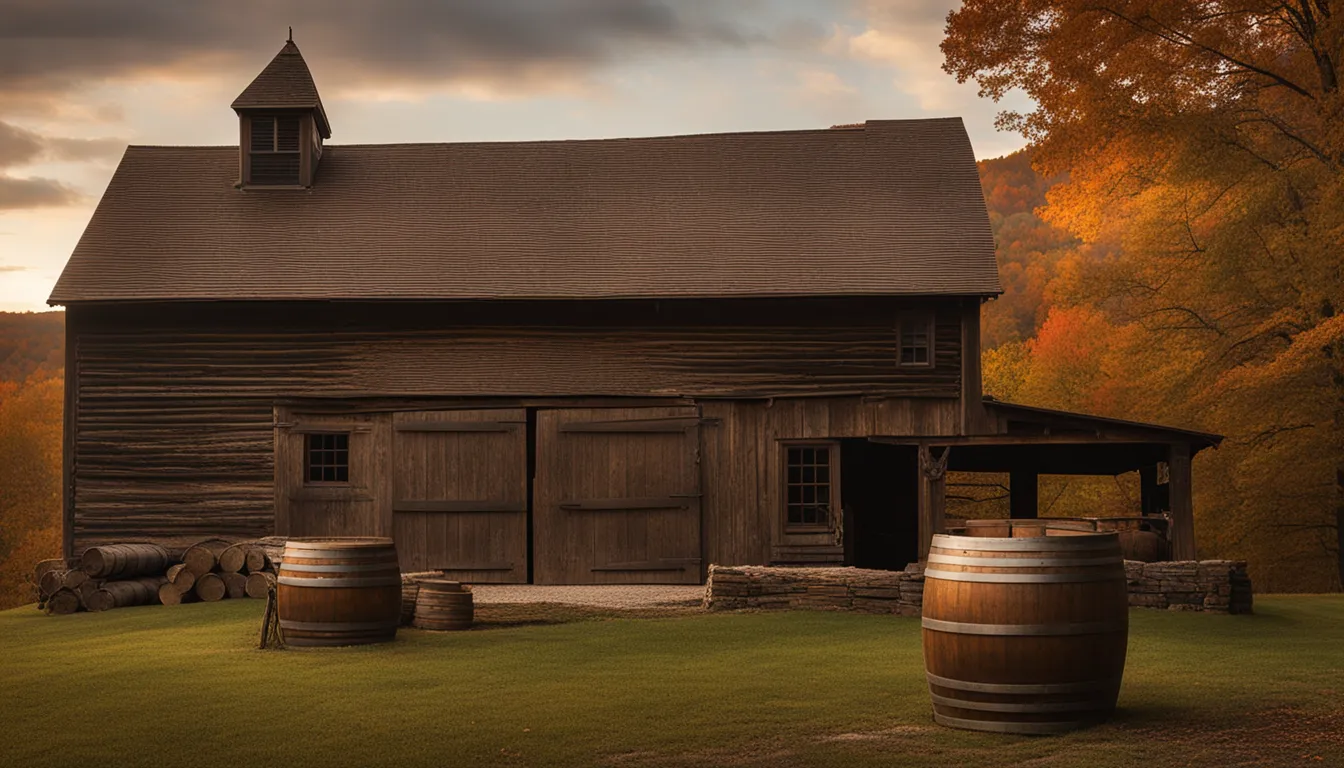
Bucks County's Hewn Spirits in Pipersville operates a distillery and tasting room in a restored 18th-century barn. They produce whiskey, brandy, and amaro, all small-batch and hand-labeled. Their Straight Rye Whiskey, aged three years, is grain-forward with notes of pumpernickel and caraway — a throwback to Pennsylvania's Germanic distilling influences. The tasting room offers cocktails, small plates, and outdoor seating with views of the surrounding farmland. Passport benefits include 10% off bottles and a two-spirit tasting.
Philadelphia's craft distilling scene exploded in the 2010s, and the Whiskey Rebellion Trail includes three operations: Philadelphia Distilling (the city's oldest craft distillery, founded 2005), Stateside Vodka (which also produces whiskey), and New Liberty Distillery in Kensington. Philadelphia Distilling's Vieux Carré Absinthe is nationally recognized, but their Bluecoat Barrel Finished Gin and Penn 1681 Vodka showcase versatility. New Liberty, located in a former brewery, produces Kinsey Whiskey (a revival of Pennsylvania's pre-Prohibition Kinsey brand) and Millstone Rye. Their tasting room is cocktail-focused, with expert bartenders crafting rebellion-themed drinks. Passport holders receive 15% off bottles at all Philly distilleries, and New Liberty offers a complimentary Old Fashioned made with Kinsey Whiskey.
Philadelphia's distilleries double as culinary destinations. Fishtown and Kensington, the neighborhoods housing most operations, are packed with James Beard-nominated restaurants, coffee roasters, and breweries. Plan distillery visits around meals at Suraya (Lebanese), Laser Wolf (Israeli grill), or Wm. Mulherin's Sons (Italian in a converted whiskey blending facility — the historical irony is delicious).
What to Pack: Gear for Whiskey Tourists
The Whiskey Rebellion Trail spans urban tasting rooms, rural farm distilleries, and historical sites across 200 miles of Pennsylvania terrain. Packing smart means balancing whiskey tourism essentials with flexibility for spontaneous detours to rebellion landmarks, hiking trails, and restaurants.
Start with the obvious: a designated driver or ride-share budget. Pennsylvania's DUI laws are strict (0.08% BAC limit), and rural stretches between Washington County distilleries lack public transit. If you're road-tripping with a group, rotate drivers or hire a car service for distillery days. Several Pittsburgh and Philly tour companies offer Whiskey Rebellion Trail packages with transportation, though DIY trips allow more control over pacing and itinerary.
Bring a quality water bottle and stay hydrated between tastings. Professional whiskey tasters drink water at a 1:1 ratio with spirits, and Pennsylvania's summer heat (85-90°F in July-August) compounds dehydration. We recommend a 32-ounce insulated bottle, refilled at each distillery. Most tasting rooms offer complimentary water and encourage responsible consumption.
Pack a notebook and pen for tasting notes. The trail's 12 distilleries produce 50-plus whiskey expressions, and palate memory fades quickly after the fifth tasting. Record mash bills, age statements, proof levels, and flavor impressions. Photographing labels helps too, though nothing beats handwritten notes for retention. Some distilleries sell branded tasting journals; Wigle's leather-bound version is a trail favorite.
Comfortable walking shoes are essential, especially in Pittsburgh's Strip District and Philadelphia's Fishtown, where distilleries are walkable but sidewalks are uneven. Washington County's rural distilleries offer farm tours through grain fields and barrel storage, so pack closed-toe shoes with grip. Sandals are fine for tasting rooms; boots are better for tours.
Bring a cooler if you're purchasing bottles. Pennsylvania summers are hot, and whiskey exposed to 90°F+ heat in a car trunk can degrade. A soft-sided cooler with ice packs keeps bottles stable during transport. Many distilleries offer shipping (Pennsylvania law permits in-state shipping from distilleries), but shipping costs often exceed $20-30 for a single bottle, making the cooler option more economical for local visitors.
Layer clothing for temperature swings. Distilleries are climate-controlled, but barrel aging rooms and production areas can be 10-15°F warmer due to fermentation heat and still operation. A light jacket for air-conditioned tasting rooms and a breathable shirt for warehouse tours cover most scenarios. Fall visits (September-November) bring unpredictable weather; pack a rain jacket and check forecasts.
Documents
Clothing & Gear
Supplies
Planning
Historical site visits require minimal gear — walking shoes, water, sunscreen — but add value to the trail experience. The David Bradford House and Meadowcroft Rockshelter are outdoor/indoor hybrids; bring a hat for sun protection and a small backpack for water and snacks. If you're hiking Mingo Creek Park (site of the 1794 meeting), wear trail shoes and carry a map; cell service is spotty.
Budgeting Your Trip: Breaking Down Costs
The Whiskey Rebellion Trail is Pennsylvania's most affordable spirits tourism experience, but costs vary based on itinerary length, lodging choices, and bottle-buying habits. Here's a realistic breakdown for a four-day western + eastern Pennsylvania circuit, assuming two people splitting costs.
The $35 trail passport is your baseline investment. Purchasing two passports ($70 total) grants access to all 12 distilleries with discounts and complimentary tastings. Without the passport, individual tastings cost $10-15 per person per distillery; visiting all 12 without a pass would cost $240-360 for two people in tasting fees alone. The passport saves $170-290 in tasting fees, making it profitable even if you visit only half the distilleries.
Lodging for four nights (two in Pittsburgh, two in Philadelphia) ranges from $400 to $1,200 depending on preferences. Budget options include Airbnb apartments in Lawrenceville or Fishtown ($80-120/night), mid-range hotels near downtown Pittsburgh or Philly's Old City ($150-200/night), or boutique hotels like Pittsburgh's Ace Hotel or Philly's The Logan ($250-350/night). We recommend Lawrenceville or Fishtown lodging for walkability to distilleries and restaurants; spending $160-200/night puts you in comfortable urban neighborhoods with dining and nightlife.
Dining costs depend on splurge tolerance. Pittsburgh and Philly offer world-class restaurants — expect $60-100 per person for dinner at celebrated spots like Butcher and the Rye (Pittsburgh) or Zahav (Philly). Casual meals run $15-25 per person; budget $200-300 for two people for four days of breakfast, lunch, and dinner if you're mixing casual and upscale. Washington County's rural dining is limited; pack snacks or detour to Pittsburgh for meals.
Transportation adds $100-300 depending on origin. If you're driving from the mid-Atlantic (DC, Baltimore, NYC), gas costs $60-120 for 400-600 miles round-trip. Flying into Pittsburgh International Airport (PIT) or Philadelphia International Airport (PHL) requires a rental car ($200-300 for four days) unless you're staying urban and using ride-shares. Uber/Lyft between distilleries in Pittsburgh runs $10-20 per trip; Philadelphia's distilleries are walkable or $8-15 via ride-share.
Bottle purchases are the wildest variable. Pennsylvania craft whiskey ranges from $35 for white rye to $80+ for limited-release aged expressions. The passport's 10-15% bottle discounts save $5-12 per bottle. If you're buying one bottle per distillery (a conservative estimate for enthusiasts), budget $500-700 for 12 bottles after discounts. Most visitors buy 3-5 bottles across the trail; budget $150-300. Distilleries ship within Pennsylvania for $20-30 per bottle, or you can pack bottles in checked luggage (wrap in clothing, place in center of bag).
Estimated Budget
Historical site admission is negligible: the David Bradford House charges $8 per person, Meadowcroft Rockshelter is $12 per person, and most rebellion landmarks are free. Budget $50 total for two people for historical sites, parking, and museum admissions.
Total estimated cost for two people on a four-day Whiskey Rebellion Trail trip: $1,200-2,500, breaking down as $70 passports, $400-800 lodging, $200-300 dining, $100-300 transportation, $150-700 bottles, $50 historical sites, $100-200 incidentals (coffee, snacks, tips). Solo travelers can halve lodging costs via hostels or budget hotels; groups of four can split lodging and transportation, reducing per-person costs to $600-1,200 for four days.
Pittsburgh's Food & Drink Scene: Fueling the Rebellion
Pittsburgh's culinary transformation parallels its distilling renaissance, and the city's restaurants, breweries, and coffee shops make the Whiskey Rebellion Trail a full-spectrum food and drink pilgrimage. The Strip District, Lawrenceville, and Downtown neighborhoods offer James Beard-recognized dining and craft beverage options that rival coastal cities.
Start mornings at Commonplace Coffee in the Strip District or Espresso a Mano in Lawrenceville. Both roast locally and serve single-origin pour-overs and espresso drinks in minimalist spaces that feel Brooklyn-imported. Pair coffee with pastries from Prantl's Bakery (Strip District) — their burnt almond torte is a Pittsburgh institution — or Klavon's Ice Cream Parlor (Strip District) for breakfast sundaes and old-fashioned soda fountain vibes.
Lunch options abound near distilleries. The Strip District's Pamela's Diner serves Pittsburgh's definitive hotcakes — crepe-thin, buttery, legendary — alongside omelets and home fries. Primanti Bros., the Pittsburgh sandwich chain that stuffs fries and coleslaw into sandwiches, has a Strip District location; order the pastrami or capicola for maximum regional authenticity. For lighter fare, hit Salem's Market & Grill (Strip District) for Middle Eastern wraps and grilled meats, or Gaucho Parrilla Argentina (Strip District) for empanadas and chimichurri-soaked steak sandwiches.
Dinner elevates the experience. Butcher and the Rye (Downtown) is Pittsburgh's premier whiskey bar, offering 300+ bottles including rare Pennsylvania ryes, plus a meat-focused menu of steaks, chops, and charcuterie. The bar staff are spirits educators; ask for recommendations based on trail distilleries you've visited. Bridges & Bourbon (Downtown) occupies a restored firehouse and pairs whiskey flights with Southern-inspired cuisine — fried chicken, shrimp and grits, bourbon bread pudding. For upscale dining, reserve at Superior Motors (Braddock) — a James Beard semi-finalist serving new American cuisine in a converted Chevy dealership — or Gaucho Parrilla Argentina's full-service location (South Side) for wood-fired Argentine steak.
Pittsburgh's brewery scene complements distillery visits. Dancing Gnome in Sharpsburg produces nationally acclaimed hazy IPAs; Hitchhiker Brewing (Sharpsburg) specializes in Belgian-style ales and mixed fermentation sours; Brew Gentlemen (Braddock) is a nano-brewery with a cult following for their experimental small-batch releases. All three offer tasting rooms and crowlers for takeaway. Pairing whiskey distilleries with brewery visits balances palate fatigue and provides contrast between grain-based spirits and hopped beers.
Our Recommended Itinerary: Four Days on the Trail
The Whiskey Rebellion Trail rewards strategic planning. This four-day itinerary balances distillery visits, historical sites, dining, and downtime, covering Pittsburgh, Washington County, and eastern Pennsylvania. Adjust pacing based on whiskey tolerance and site priorities.
Day 1: Pittsburgh Arrival & Strip District Distilleries
Arrive in Pittsburgh by noon. Check into Lawrenceville lodging (Airbnb or hotel). Lunch at Pamela's Diner (hotcakes). Afternoon: Walk to Wigle Whiskey's Strip District location for a tasting flight and Land of Distillers exhibit. Cross the river to Maggie's Farm Rum for whiskey and rum tastings. Evening: Dinner at Butcher and the Rye (whiskey bar + steaks) or Gaucho Parrilla Argentina (empanadas + grilled meats). Nightcap at Wigle Whiskey's Barrelhouse location in Spring Hill if energy permits.
Day 2: Washington County & Rebellion History
Breakfast at Espresso a Mano (Lawrenceville). Drive 30 minutes south to Washington County. Morning: Visit the David Bradford House (rebellion leader's home) for guided tour. Lunch in Washington, PA (local diners or pack a picnic). Afternoon: Liberty Pole Spirits for tasting and rebellion history exhibit. Drive to Mingo Creek Craft Distillers for farm tour and white rye tasting. Visit Mingo Creek Park (rebellion meeting site) for short hike and historical markers. Evening: Return to Pittsburgh. Dinner at Superior Motors (Braddock) or Bridges & Bourbon (Downtown). Late-night drinks at Copper Barrel Distillery (Lawrenceville).
Day 3: Eastern PA — Lancaster County
Early departure from Pittsburgh (7 AM). Drive 3.5 hours to Lancaster County. Brunch in Lititz (Cafe Chocolate or Tomato Pie Cafe). Afternoon: Stoll & Wolfe Distillery for farm tour, Dark Fired Rye tasting, and grain field walk. Drive 30 minutes to Pipersville for Hewn Spirits (barn distillery, Straight Rye tasting). Late afternoon: Continue to Philadelphia (90 minutes). Check into Fishtown lodging. Evening: Dinner at Laser Wolf (Israeli grill) or Suraya (Lebanese). Drinks at New Liberty Distillery (Kinsey Whiskey cocktails).
Day 4: Philadelphia Distilleries & Departure
Breakfast at ReAnimator Coffee (Fishtown) or Rival Bros Coffee (Fishtown). Morning: Walk to Philadelphia Distilling for gin and vodka tastings. Visit Stateside Vodka if time permits. Lunch at Wm. Mulherin's Sons (Italian in former whiskey blending facility — historical bonus). Afternoon: New Liberty Distillery for final tastings and bottle purchases. Depart Philadelphia by 3 PM for evening flights/drives, or extend stay for Philly sightseeing (Independence Hall, Reading Terminal Market, Liberty Bell).
This itinerary covers 8 of 12 trail distilleries, balancing urban and rural operations with rebellion history and regional dining. If you're extending the trip, add New Trail Brewing (Williamsport) on Day 3 or Boyd & Blair (Glenshaw, north of Pittsburgh) on Day 1. Adjust distillery order based on seasonal events; many trail operations host harvest festivals, barrel releases, and rebellion commemorations throughout the year.
History Meets Whiskey: The Rebellion's Living Legacy
Standing in the Mingo Creek valley on a humid August afternoon, you can almost hear the 7,000 voices that gathered here in 1794 to debate the federal government's right to tax frontier labor. The creek still runs clear over limestone, the hills still wear dense hardwood forests, and somewhere under the soil lie the foundations of the liberty pole that symbolized resistance. Two hundred thirty years later, the whiskey at the heart of that rebellion flows again — small-batch, high-proof, tasting like pepper and history.
The Whiskey Rebellion Trail isn't nostalgia tourism. It's a working argument about American identity, rendered in copper stills and barrel char. Pennsylvania's craft distillers are reviving pre-Prohibition recipes not as museum pieces but as commercial products competing in a bourbon-dominated market. They're proving that regional whiskey traditions — rye-forward mash bills, pot-still distillation, minimal aging — can hold their own against Kentucky's industrial-scale output. And they're doing it in the same counties where farmers once took up arms against Alexander Hamilton's vision of federal power.
The rebellion's constitutional questions — federal versus state authority, the limits of taxation, the use of military force against citizens — still echo in contemporary politics. Every tax protest, every states'-rights argument, every debate about federal overreach traces lineage to that moment in 1794 when George Washington marched 13,000 troops over the Alleghenies to enforce a whiskey tax. The farmers lost the battle but won the long war: Jefferson repealed the tax, westward migration accelerated, and American whiskey became the untaxed spirit of frontier defiance.
Today's Whiskey Rebellion Trail offers something Kentucky's bourbon tourism can't: a direct connection between the whiskey in your glass and the political history that made American distilling possible. Every sip of Pennsylvania rye is a toast to the farmers who refused to pay Hamilton's excise, to the distillers who migrated south and created bourbon, and to the constitutional tensions that still define American governance. The rebellion failed, but the whiskey endures. And for $35, you can taste every ounce of that defiance.
Plan another trip — more trail guides
The Boozemakers Annual · Coming Soon
The bottles to bring back home
The year’s Best 100 bottles — the bottle picks behind every distillery in this guide, scored and price-stamped. Use code HALFOFF for $14.50.
Join the launch waitlistOur Spirits Partner
Stock up before the trip
Cask Cartel ships allocated and hard-to-find bottles nationwide. Worth a look before you fly out — line up the pours you want to taste so you know what’s worth hunting for on the trail (and hauling home in the carry-on).
Shop bottles at Cask Cartel