Reviews
Best Premium Bourbon Over $100
10 Bottles Worth the Splurge
The $100+ bourbon tier separates casual drinkers from serious enthusiasts. It's where extended aging, limited releases, and exceptional craftsmanship meet allocation games and hype-driven pricing. We tested dozens of luxury bottles to find which ones justify the expense.
Let's be brutally honest: most $100+ bourbon isn't twice as good as $50 bourbon. The relationship between price and quality isn't linear—it's logarithmic. That extra hundred dollars might buy you 15% more complexity, 20% more refinement, and a hell of a lot more bragging rights. But sometimes, just sometimes, you taste something that makes you understand why collectors camp outside liquor stores at dawn.
The premium bourbon market has become a minefield. MSRP means almost nothing when allocated bottles sell for triple their suggested retail before they hit shelves. Blanton's commands multiples of its sticker price on the secondary market. E.H. Taylor Barrel Proof routinely sells for well above MSRP The game is rigged, and you need to know which bottles justify their actual street price versus their fantasy MSRP.
What actually makes expensive bourbon better? Age is obvious—more time in barrels means more complexity, but also more evaporation loss (the "angel's share") that drives up cost per bottle. Single barrel selections eliminate mediocrity through ruthless curation. Small batch blending allows master distillers to create profiles impossible in mass production. Proof matters—barrel proof offerings skip dilution and let you experience whiskey at cask strength. Extended finishing in secondary barrels adds layers that standard aging can't touch.
But here's what doesn't justify high prices: fancy bottles (looking at you, collectible decanters), celebrity endorsements, artificial scarcity, and hype-driven allocation games. Some distilleries limit supply deliberately to inflate secondary market values. Others produce genuinely limited quantities because their stocks can't support wider distribution. The difference matters.
We tested over 30 bourbons in the $100+ range—some at MSRP, most at inflated street prices—to find bottles that deliver genuine luxury experiences. These ten represent the best values in premium bourbon, whether you're celebrating a milestone, impressing a client, or finally treating yourself to the good stuff. For hard-to-find bottles, check ReserveBar. Now let's find out which bottles are worth the credit card bill.
How to buy bourbon over $100 (without getting burned)
Above $100 you're paying for rarity, age, and prestige as much as liquid—so the buying calculus changes. Spend wisely:
Rarity is not the same as quality. Some of the most expensive, hardest-to-find bottles are genuinely extraordinary; others are coasting on hype and secondary-market frenzy. We rank on what's in the glass, not what's on the auction site—and some sub-$100 bottles beat four-figure unicorns blind.
Know the allocation game. Bottles like the Buffalo Trace Antique Collection carry modest MSRPs but sell for many multiples. Decide your ceiling before you shop, and never feel you ‘have’ to pay a flipper's markup—there's always a superb alternative for less.
Buy to drink, not just to display. A $200 bottle you never open is worse value than a $40 bottle you love. The best splurge is the one that actually makes it into a glass.
How to serve a special bottle
Give these the full treatment: a clean Glencairn, no ice, and patience. Add water a drop at a time on the high-proof bottles, and taste as it opens over twenty minutes—the good ones evolve in the glass. Share it with someone who'll appreciate it; a great bottle is better halved with a friend than hoarded alone.
- 1
Best Overall
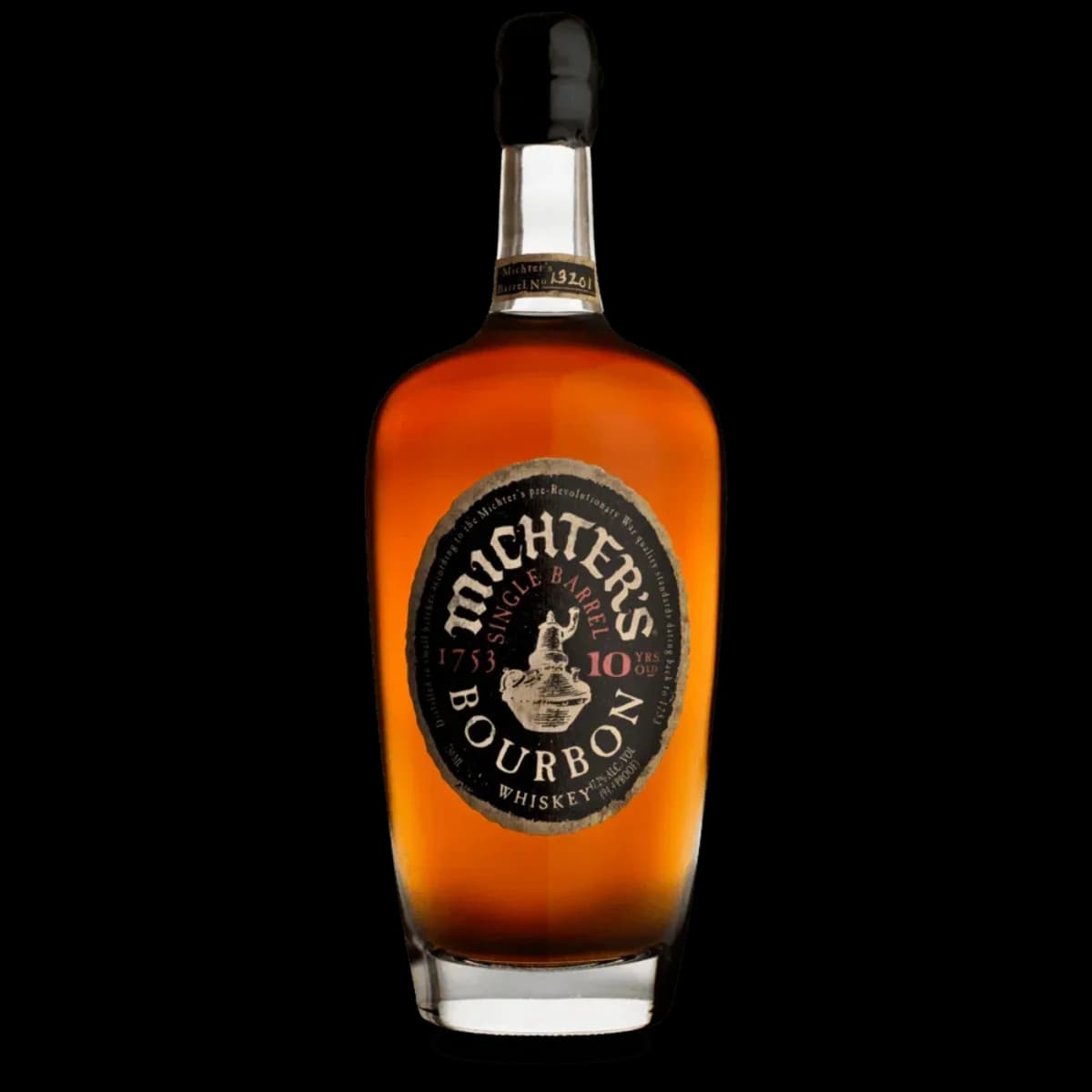
Michter's 10 Year Bourbon
96/100
Michter's 10 Year represents everything premium bourbon should be: impeccably balanced, genuinely complex, and worth every dollar of its actual retail price. Unlike allocated darlings that command triple their MSRP on hype alone, Michter's delivers a whiskey that tastes as expensive as it costs. The nose opens with layers of dark caramel, toasted oak, dried cherry, and baking spices that take minutes to fully reveal themselves.
On the palate, this is masterclass blending—rich vanilla and butterscotch balanced against cinnamon bark, leather, and tobacco leaf. The mouthfeel is thick and coating without being syrupy, proof (94.4) high enough to carry bold flavors without aggression. What sets this apart is the integration: nothing sticks out awkwardly, every element supports the whole, and the complexity builds rather than peaks early.
The finish stretches for minutes with evolving notes of dark chocolate, espresso, and charred oak that never turn bitter. This is bourbon for slow sipping while contemplating whether you can justify buying a backup bottle. Michter's production is genuinely limited by barrel availability rather than artificial scarcity, which makes the $150-170 street price feel honest rather than exploitative. If you're spending triple digits on bourbon, start here.
Best for: Bourbon enthusiasts seeking refined complexity and perfect balance in a luxury expression
Check the price - 2
Best Special Occasion
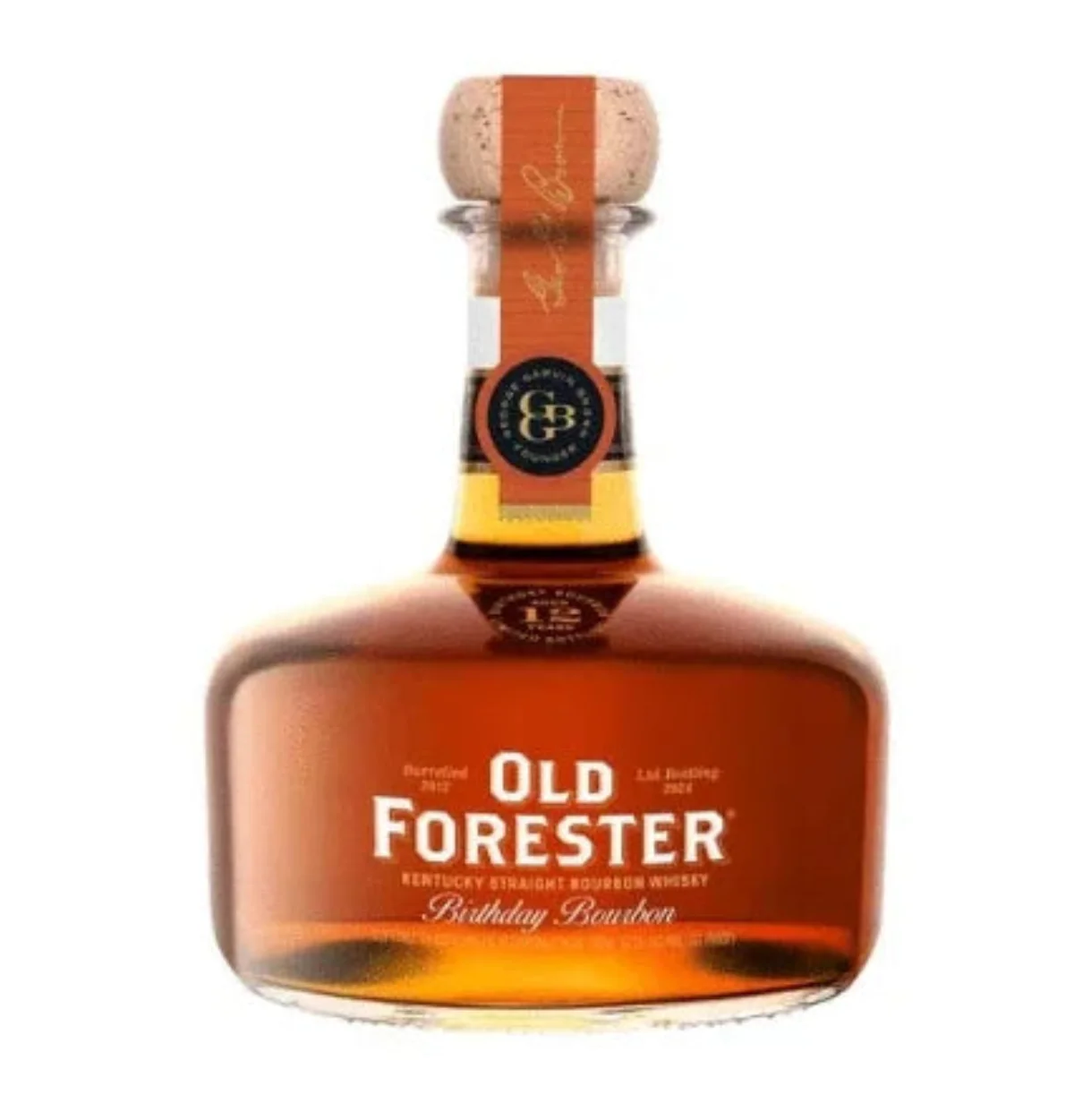
Old Forester Birthday Bourbon
95/100
Released annually since 2002 to commemorate founder George Garvin Brown's birthday, Birthday Bourbon represents Old Forester's finest barrels from a single vintage day of production. Each year's release varies significantly—different age statements, proof, and barrel selection—which makes vertical tastings fascinating and gives collectors genuine reason to chase multiple years. The 2025 release (12 years, 100 proof) showcases what happens when a major distillery goes all-in on quality over quantity.
The nose hits you with vintage Old Forester character amplified to luxury levels: cherry cordial, dark chocolate, espresso, and brown sugar with underlying oak spice and leather. This smells expensive in the best way—complex without being overwrought, bold without shouting. The palate delivers dense fruit flavors (cherry, fig, blackberry) balanced against baker's chocolate, toasted nuts, and cinnamon bark. There's a slight tannic grip that adds structure without astringency.
What makes Birthday Bourbon special-occasion worthy is its unique profile within the Old Forester lineup. This isn't just older or higher proof 1920—it's genuinely different, showcasing what selective barrel picking achieves. The finish lingers with dark fruit, cocoa, and oak that slowly fade over several minutes. At $150-170 street price, it's expensive but justified by the liquid quality and annual variation that makes each vintage collectible. Save this for meaningful celebrations where the bourbon itself becomes part of the memory.
Best for: Special occasion celebrations and Old Forester fans seeking the distillery's peak expression
Check the price - 3
Best Gift
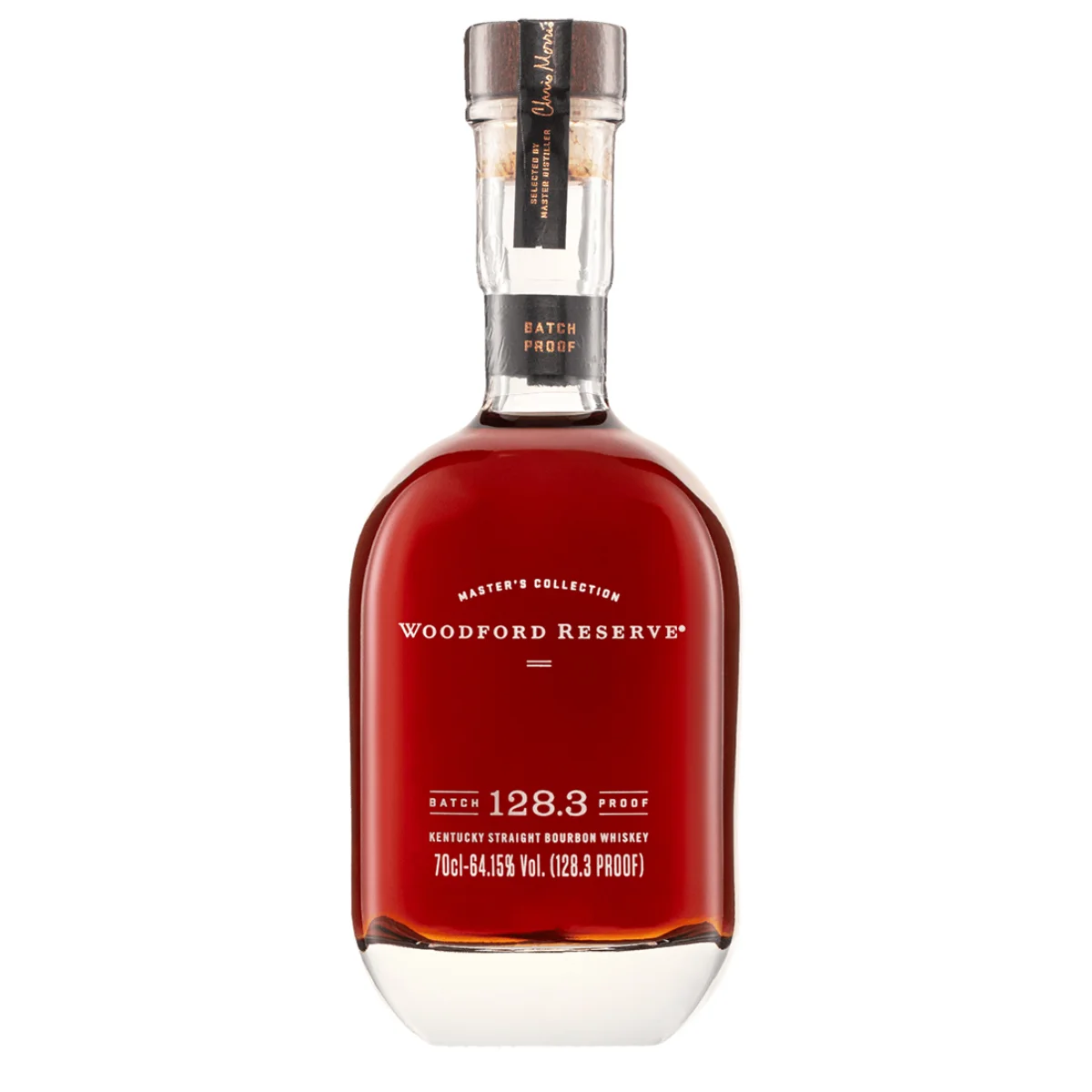
Woodford Reserve Batch Proof
94/100
Woodford Reserve carries enough brand recognition that gifting it signals you know bourbon, while Batch Proof's uncut presentation and limited release status show you went beyond the standard Double Oaked. Released annually in small batches at barrel proof (typically 120-125 proof), this represents Woodford's master distiller selecting their finest barrels and bottling them without dilution or chill filtration. The result is Woodford's elegant house style turned up to eleven.
The nose is classic Woodford—dried fruit, vanilla, caramel, toasted oak—but intensified and deepened by the higher proof. There's more complexity here than standard Woodford Reserve: dark cherry, chocolate-covered espresso beans, leather, tobacco, and Christmas baking spices all weave together. On the palate, barrel proof means bold, chewy texture that coats your mouth. Flavors hit harder: caramelized sugar, dark fruit preserves, baking chocolate, cinnamon bark, and charred oak create layers that unfold over each sip.
What makes this an excellent gift is the presentation—elegant box, substantial bottle, label that clearly states "Batch Proof" so recipients know this isn't regular Woodford. Add a personal note explaining that this is uncut bourbon at cask strength, and you've given both a luxury bottle and an education. The $130-150 price point feels appropriate for client gifts, milestone celebrations, or thanking someone properly. A few drops of water open it up beautifully, so include that tip. This is Woodford Reserve for people who've graduated beyond Woodford Reserve.
Best for: Impressive gifts that balance recognizable brand prestige with genuine craft quality
Check the price - 4
Best Value for Money
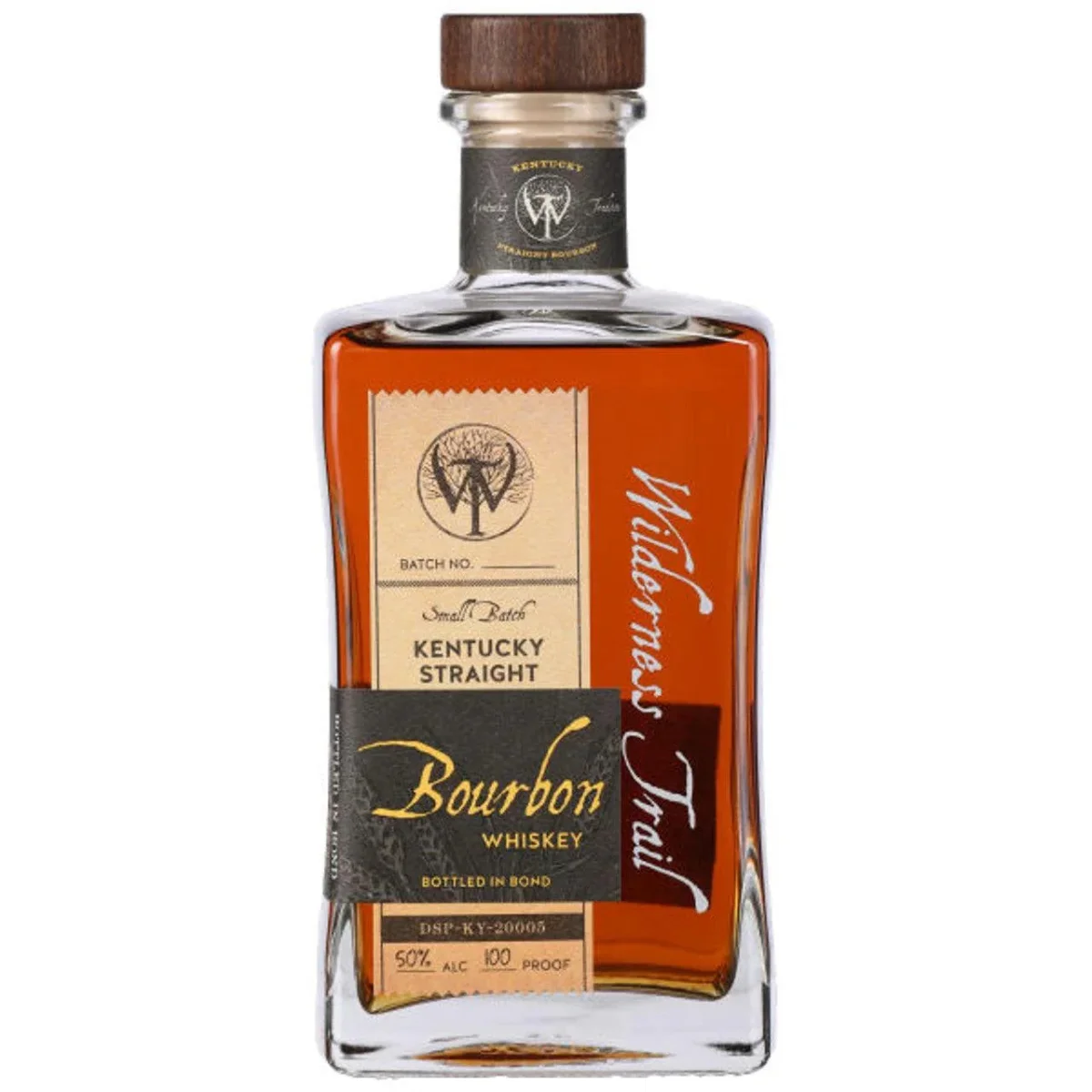
Wilderness Trail Single Barrel Bourbon
93/100
Wilderness Trail earns its spot on this list by delivering craft distillery quality at prices that barely crack the luxury threshold. As one of Kentucky's newest distilleries (production started 2013, first whiskey released 2018), they've quickly built a reputation for doing everything right: sweet mash fermentation, meticulous barrel selection, transparent age statements, and honest pricing. Their single barrel offerings typically run $70-110 depending on age and proof, making them the value play in premium bourbon.
What you get is genuinely excellent bourbon without hype tax or allocation games. The nose on their barrel proof single barrels (often 110-120 proof) shows surprising refinement: vanilla cream, honey, fresh oak, orange zest, and baking spices with none of the harsh ethanol burn you might expect from a young craft distillery. On the palate, Wilderness Trail's wheated mashbill creates smooth, sweet, dessert-forward flavors—caramel, butterscotch, cinnamon roll, toasted almond—balanced by enough oak tannin to keep it from turning cloying.
The finish is where age and proof shine: long, warm, evolving from sweet to spicy to dry oak over a minute-plus fade. Each barrel is genuinely unique, so single barrel picks from good retailers can be spectacular. At $80-100, this competes directly with bottles costing twice as much on secondary markets. Wilderness Trail proves that you don't need decades of heritage or artificial scarcity to produce luxury bourbon—you just need excellent distillate and honest business practices. If you're spending $100+ on bourbon, make sure you've tried this first.
Best for: Value-conscious bourbon enthusiasts seeking craft quality without secondary market insanity
Check the price - 5
E.H. Taylor Single Barrel
92/100
Here's where we need to have an uncomfortable conversation about MSRP versus reality. E.H. Taylor Single Barrel carries a $70 suggested retail price. You will never, ever find it at that price unless you camp outside a liquor store on delivery day or win an allocation lottery. Street price is $100-150, sometimes higher, driven entirely by Buffalo Trace's allocation strategy and collector hype. At $70, this would be the deal of the century. At $150, it's still very good bourbon that's become overpriced by market forces.
The liquid itself is excellent: bottled-in-bond specifications (100 proof, 4+ years, single distillery season) combined with single barrel selection create consistent quality with individual character. The nose offers classic Buffalo Trace profile—caramel, vanilla, cherry, mint, oak—with additional depth from barrel selection. On the palate, you get rich sweetness balanced against spice: brown sugar, dried fruit, cinnamon, leather, tobacco. The bottled-in-bond proof provides enough structure without overwhelming.
The finish is medium-long with evolving spice and oak tannins that leave you wanting another sip. Every barrel is different, which gives single barrel picks from knowledgeable retailers real variation. The frustration is that Buffalo Trace could produce more of this—they choose not to, creating artificial scarcity that drives secondary market madness. At actual street prices around $100-150, E.H. Taylor Single Barrel is good but not great value. If you find it below $120, grab it. Above that, consider whether you're paying for whiskey or for the thrill of finding an allocated bottle.
Best for: Buffalo Trace fans willing to pay allocation premiums for single barrel expressions
Check the price - 6
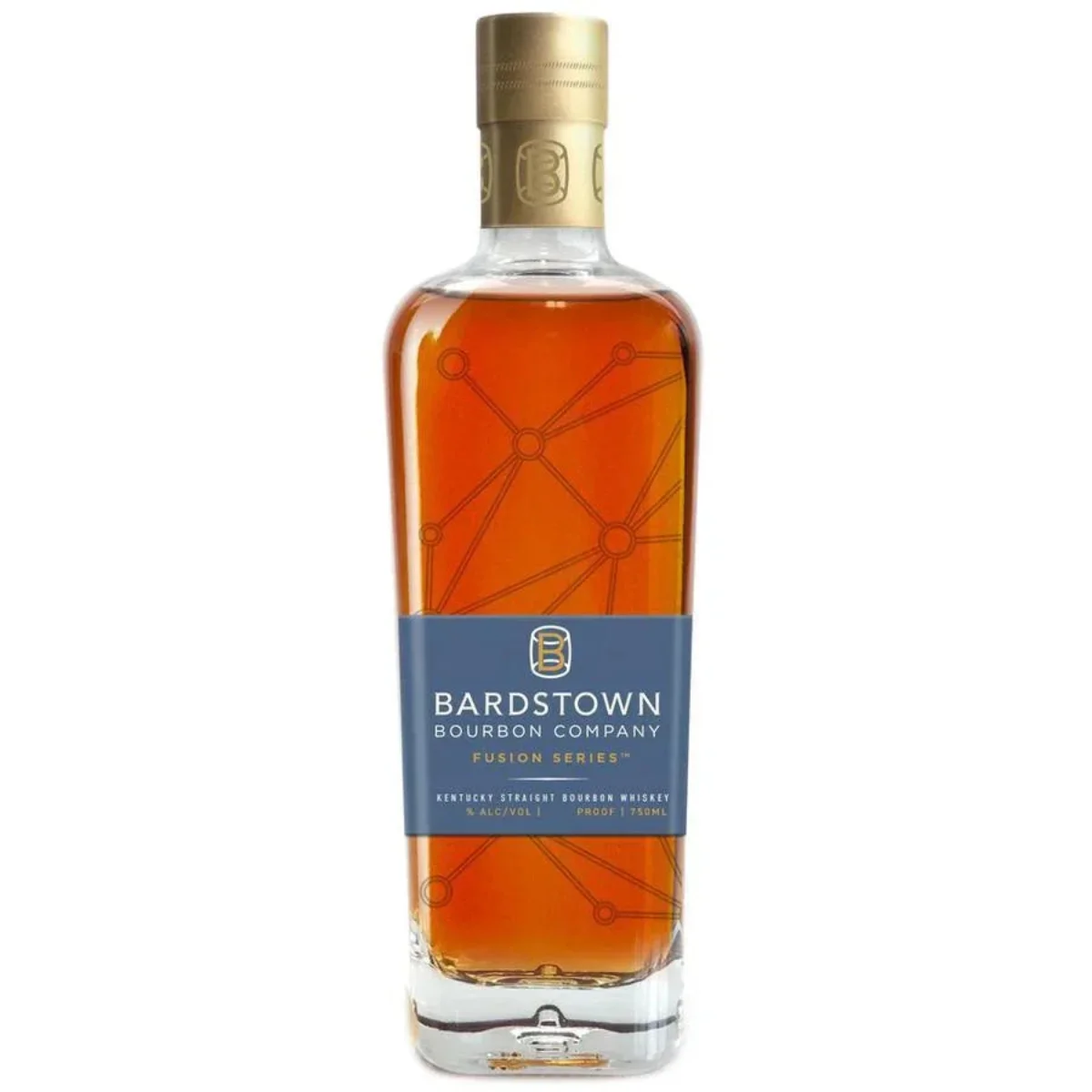
Bardstown Bourbon Company Fusion Series
92/100
Bardstown Bourbon Company's Fusion Series represents a new approach to premium bourbon: blending their own young distillate with sourced aged whiskey to create flavor profiles impossible through single-source production. Each Fusion release (they're up to Series #9) combines different proportions and ages, creating genuine variation rather than just new label art. The transparency about what's blended, from where, and why sets Bardstown apart from sourced whiskey that pretends otherwise.
The nose on Fusion Series typically shows complexity from multiple sources: fresh oak and vanilla from younger whiskey balanced against deeper caramel, leather, and tobacco from older stocks. There's an innovative edge here—flavor combinations that don't fit standard bourbon profiles because master blenders aren't constrained by single-distillery house character. On the palate, you get layered sweetness and spice: honey, brown sugar, cherry, cinnamon, nutmeg, oak char, all woven together with impressive integration.
The finish demonstrates thoughtful blending: long enough to satisfy, complex enough to evolve, balanced enough that no single element dominates. What makes Fusion Series worth $75-100 is the craft approach to blending—this isn't just mixing whatever's available, it's purposeful flavor architecture. Some releases hit better than others (Series #5 and #7 were particularly excellent), but even the weaker ones deliver quality above their price point. Bardstown proves that innovative distilleries can compete with century-old heritage brands by doing things differently rather than imitating classics.
Best for: Bourbon enthusiasts seeking innovative profiles beyond traditional single-source expressions
Check the price - 7
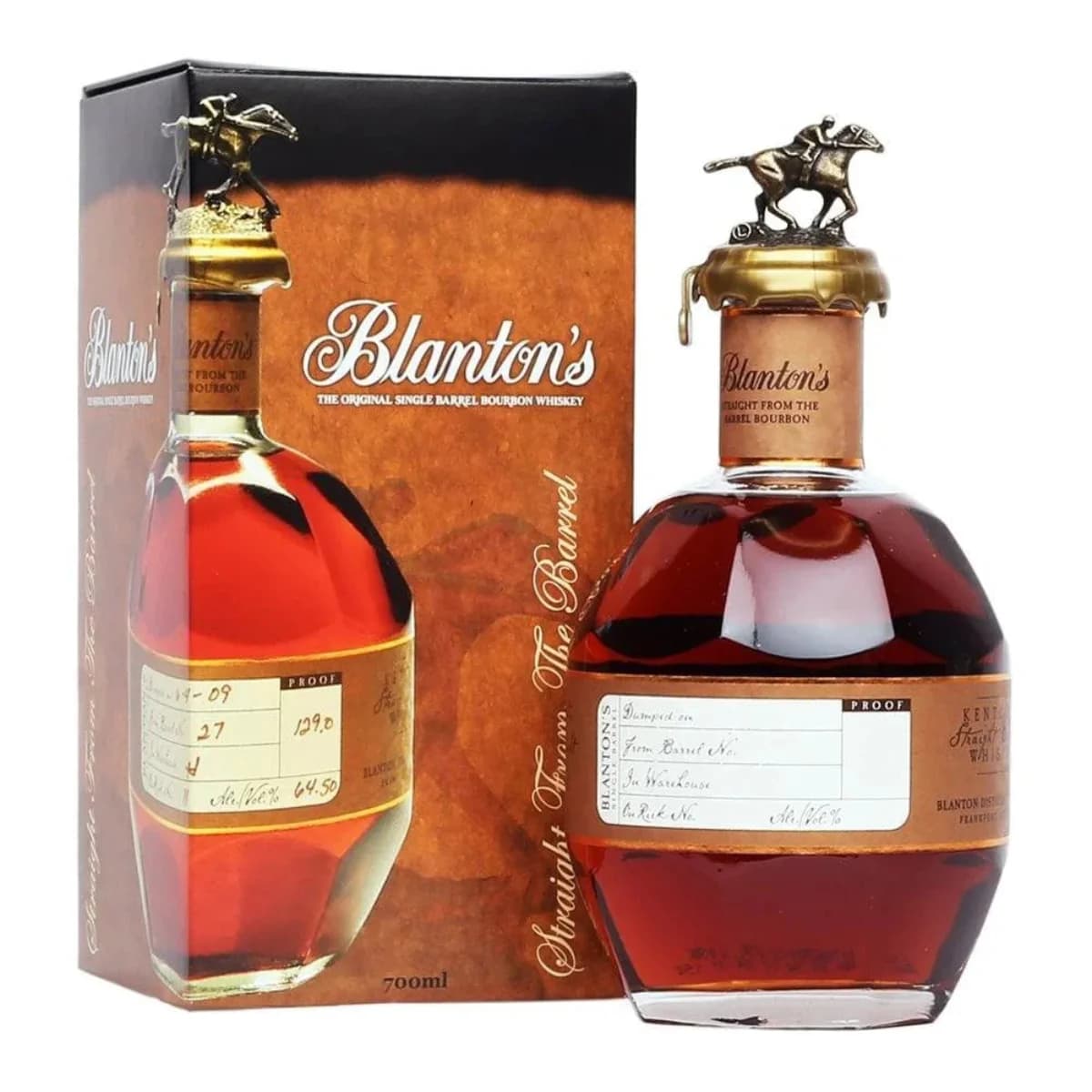
Blanton's Single Barrel
91/100
Blanton's invented the single barrel bourbon category in 1984, creating a template that dozens of distilleries now follow. It's historically important, genuinely good bourbon, and the poster child for allocation-driven pricing insanity. The $65 MSRP is a cruel joke—street price runs $100-150, sometimes $200+ in markets where finding Blanton's requires knowing someone who knows someone. At MSRP, this would be a must-buy. At actual prices, it's good bourbon you're massively overpaying for because of hype, collectible horse-and-jockey bottle toppers, and artificial Buffalo Trace scarcity.
The liquid itself deserves respect: the nose offers honey, vanilla, citrus, caramel, and light oak with characteristic Buffalo Trace elegance. There's nothing aggressive or challenging here—this is approachable luxury that won't intimidate newcomers. On the palate, you get smooth sweetness with balanced spice: butterscotch, orange peel, cinnamon, nutmeg, toasted oak. The mouthfeel is silky at 93 proof, and the flavor integration is impeccable. Nothing sticks out awkwardly; everything flows together.
The finish is medium-length with sweet oak and lingering spice that fades gently. This is very good bourbon that tastes like $60-70 whiskey because that's exactly what it is. The problem isn't Blanton's—it's the market forces that turned an accessible premium bourbon into an allocated trophy bottle. If you find it at MSRP, buy it and enjoy it. If you're paying $150+, ask yourself if you're buying bourbon or buying status. There are better whiskeys on this list at the same street price that you'll actually find on shelves.
Best for: Bourbon collectors and Buffalo Trace fans willing to overpay for historical significance
Check the price - 8
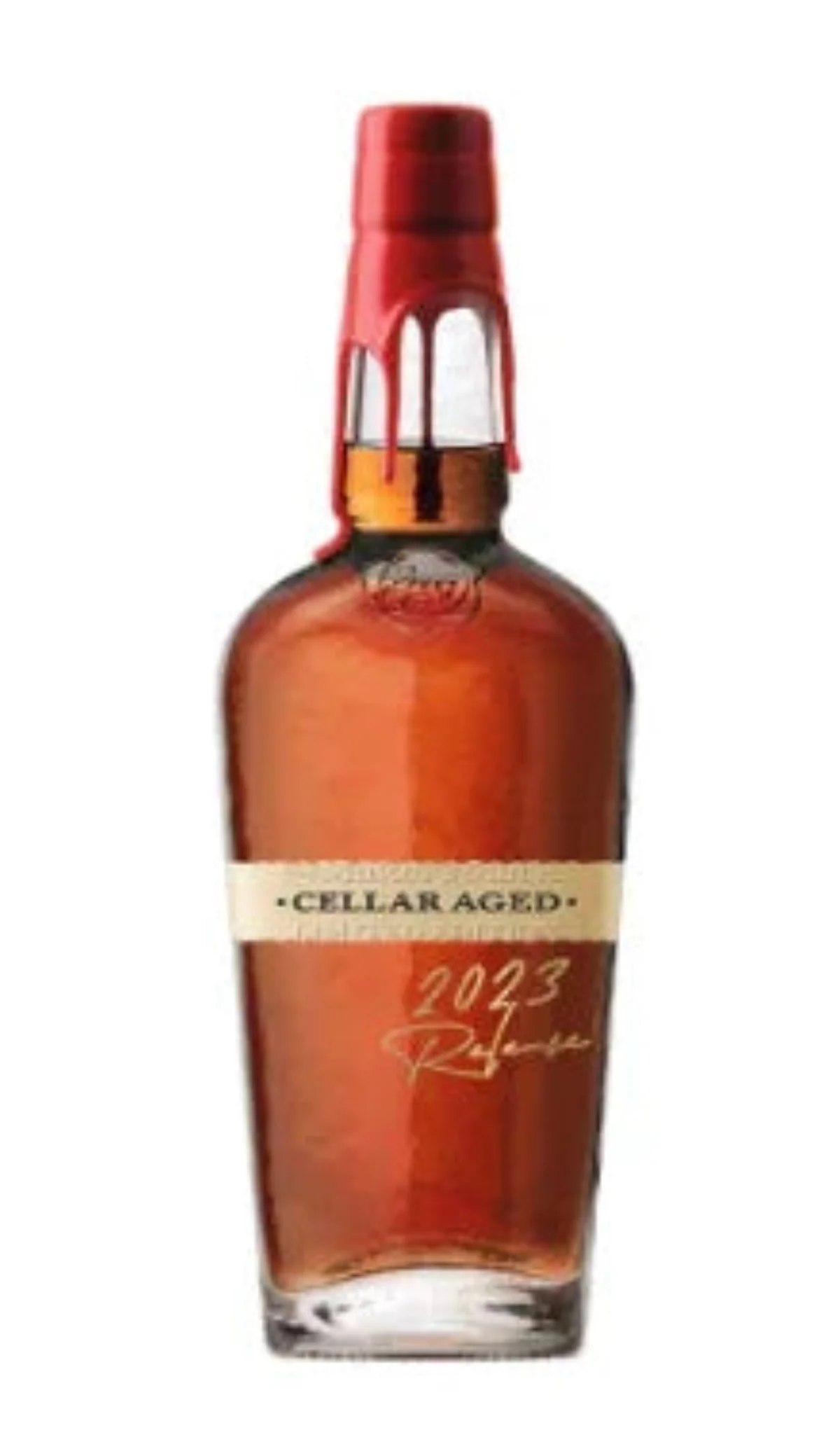
Maker's Mark Cellar Aged
90/100
Maker's Mark Cellar Aged represents the distillery's attempt at ultra-premium bourbon: fully matured casks selected for extended aging and moved to the coolest, most humid section of the limestone cellar for additional time. The slower, more controlled aging environment creates different flavor development than standard warehouse aging—more integration, less aggressive oak, deeper complexity. It's an interesting experiment in terroir-driven bourbon maturation that produces whiskey noticeably different from standard Maker's Mark.
The nose shows evolved Maker's character: caramel, vanilla, wheat bread sweetness, dried cherry, baking spices, and mellow oak without sharp tannins. There's a softness here that comes from extended low-temperature aging—flavors have melded together over years in controlled conditions. On the palate, you get rich, dessert-forward sweetness: butterscotch, honey, cinnamon roll, toasted almond, dark chocolate, with wheat grain smoothness that Maker's fans love. The proof (110-115, varies by release) provides structure without heat.
The finish is long and warming with lingering sweetness and gentle oak that fades slowly. This is Maker's Mark for people who think standard Maker's is too simple and Maker's 46 too oaky. The $150-175 price point is steep—you're paying for the extended aging time, careful barrel selection, and limited production. Is it worth it? If you love Maker's character and want to taste what extended cellar aging achieves, yes. If you're indifferent to Maker's, dozens of better values exist at this price. This is for Maker's Mark loyalists ready to explore the brand's luxury tier.
Best for: Maker's Mark enthusiasts seeking the brand's most refined expression
Check the price - 9
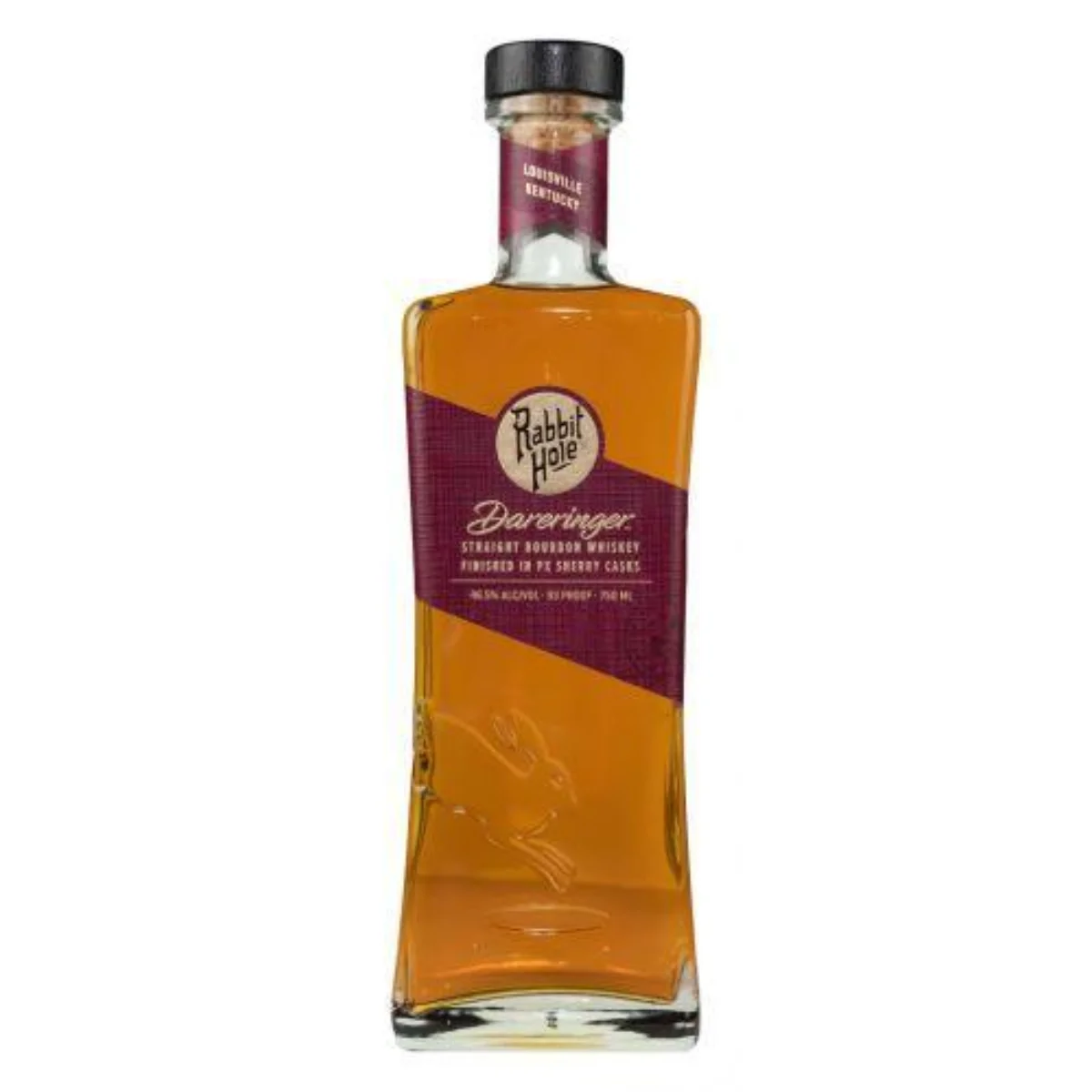
Rabbit Hole Dareringer
89/100
Rabbit Hole Dareringer takes straight bourbon and finishes it in Pedro Ximénez sherry casks, adding layers of dark fruit sweetness and wine influence to the base spirit. Finishing bourbon in secondary barrels is trendy right now—sometimes it's a gimmick covering mediocre base whiskey, sometimes it creates genuine complexity. Dareringer falls in the middle: interesting, well-executed, definitely different, but not necessarily better than excellent straight bourbon at similar prices.
The nose immediately announces the PX sherry influence: raisins, figs, dates, dark chocolate, espresso, brown sugar, all layered over traditional bourbon caramel and vanilla. There's wine-soaked fruitcake character that either appeals or doesn't—this isn't subtle finishing. On the palate, rich sherry sweetness dominates: dried fruit compote, molasses, chocolate-covered cherries, cinnamon, with bourbon oak providing structure underneath. The mouthfeel is thick and coating, almost syrupy from the PX influence.
The finish is long and sweet with lingering dark fruit and chocolate that slowly fades. This is dessert bourbon—pair it with cigars or dark chocolate, or sip it after dinner when you want something decadent. The $90-100 price reflects both the base bourbon cost and the finishing process expenses. Whether it's worth it depends entirely on your affinity for sherry-finished whiskey. If you love Scotch finished in sherry casks, Dareringer translates that approach to bourbon successfully. If you prefer bourbon's corn-forward sweetness without wine influence, stick with straight bourbon. This is specialty bourbon for specific moods rather than daily luxury.
Best for: Bourbon drinkers seeking wine-influenced finished whiskey with dessert-like richness
Check the price - 10
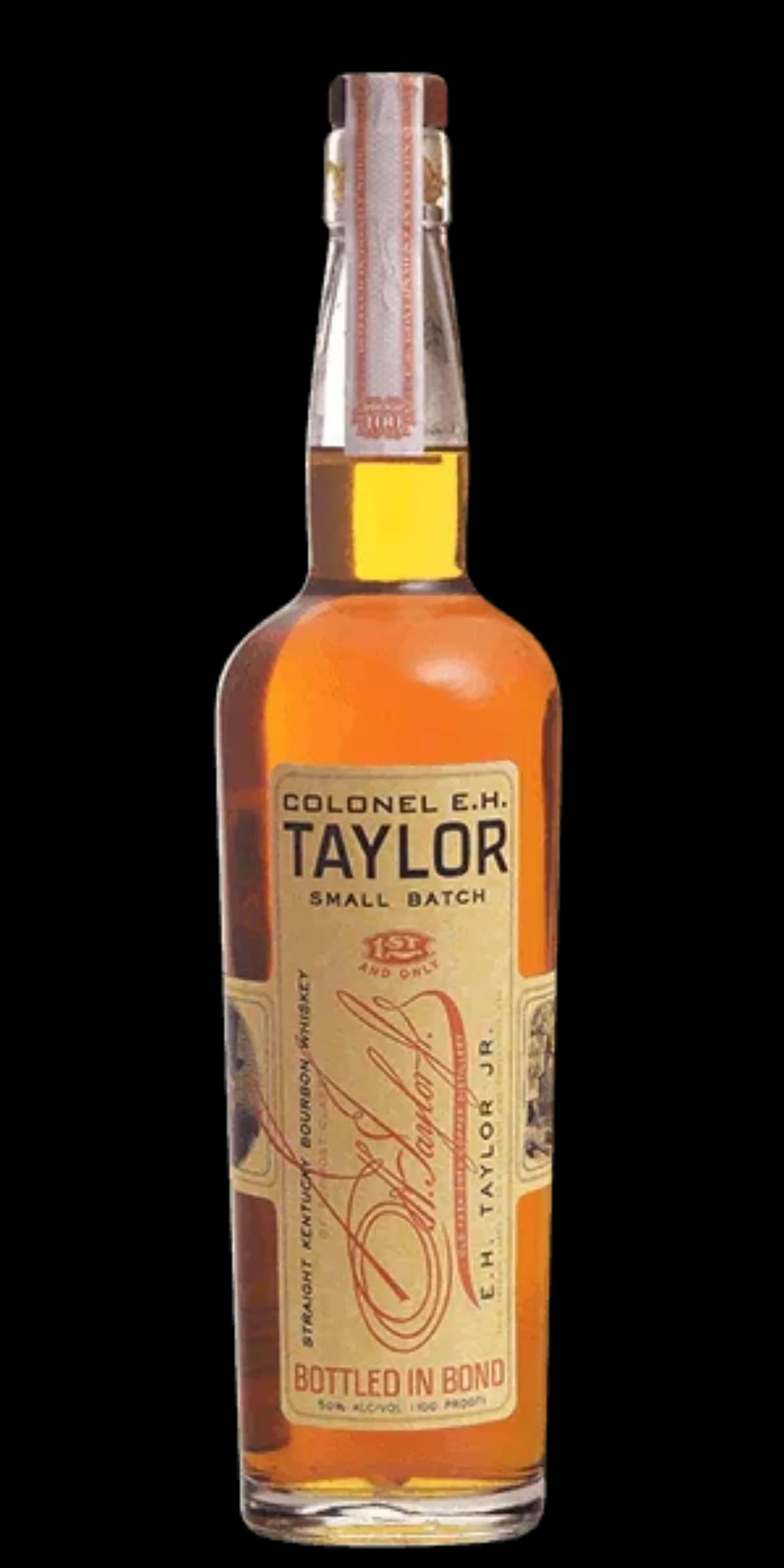
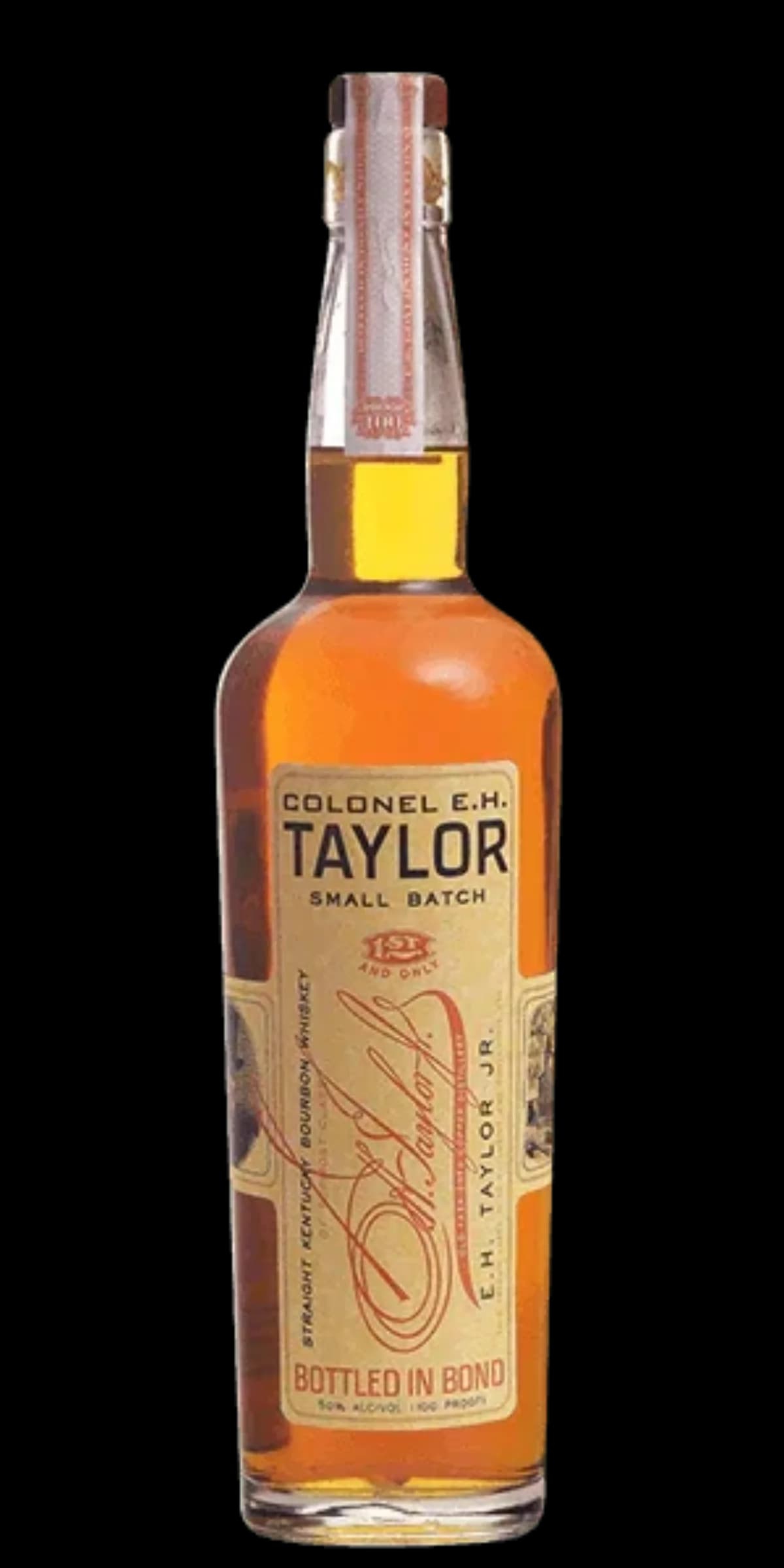
Colonel E.H. Taylor Barrel Proof
94/100
Colonel E.H. Taylor Barrel Proof is legitimately one of the best bourbons Buffalo Trace produces—uncut, un-chillfiltered, bottled-in-bond specifications applied to barrel proof whiskey. When this was widely available at $70-80, it was the bourbon deal of the decade. Those days are gone. Current street price runs $200-300, sometimes higher, driven by allocation mania and secondary market speculation. At MSRP, this would rank #1 on this list. At actual prices you'll pay, it's excellent bourbon that costs more than bottles objectively better because Buffalo Trace has turned scarcity into a business model.
The liquid is spectacular: massive bourbon flavor amplified by barrel proof (typically 125-135 proof, varies by batch). The nose is intense—caramel, vanilla, cherry cola, brown sugar, cinnamon, oak char, leather—everything turned up to maximum volume. Add water and the aromatics bloom even further. On the palate, this is bourbon at its most powerful: rich sweetness, dark fruit, baking spices, tobacco, charred oak, all delivered with viscous mouthfeel and proof that demands respect. This isn't subtle—it's bourbon as flavor explosion.
The finish is epic: long, warming, evolving from sweet to spicy to dry oak over minutes. Every batch is different (currently on Batch 23+), which gives collectors reason to chase multiple releases. Here's the brutal truth: at $70, buy every bottle you see. At $150, it's fairly priced for quality. At $200+, you're paying Buffalo Trace hype tax, and better values exist. If you win allocation or find it at reasonable markup, it's phenomenal bourbon. If you're paying secondary prices above $250, ask yourself if you're buying whiskey or buying bragging rights.
Best for: Bourbon collectors with allocation access or deep pockets willing to pay secondary market premiums
Check the price
This story first ran on BoozeMakers. Read it there, with comments and updates.