Best Islay Scotch Whisky (2026): 10 Single Malts Ranked
The definitive guide to Islay single malt—ten whiskies from Scotland's smoky island, ranked by our own reviews, from face-first peat bombs to a gentle gateway dram.
By Bourbon Baron
August 11, 2026
Updated August 11, 2026
10 min read
Read us first
Make BoozeMakers your preferred source for booze reviews on Google
One tap puts our reviews above the sponsored noise in your Search and AI Overviews. Five seconds, no signup.
Step off the ferry at Port Askaig and the first thing that hits you isn't the cold—it's the smell. Peat smoke, seaweed, and salt, hanging over an island barely 25 miles long that produces some of the most divisive, beloved whisky on earth. Islay (say it eye-luh) has just nine working distilleries, and between them they've started more arguments at more bars than any other patch of Scotland.
We've reviewed Islay's core range bottle by bottle—from the tarry intensity of Ardbeg 10 to the converting power of Lagavulin 16 and the quietly brilliant, unpeatedBunnahabhain 12—and ranked the ten best below. After the ranking you'll find a full buying guide: how to pick your first Islay, how to drink it, and the north-versus-south styles that shape every bottle.
How to choose your Islay whisky
Start with intensity, not price. The single biggest variable on Islay is how much smoke you can handle. The southern ‘Kildalton’ distilleries—Ardbeg, Lagavulin, Laphroaig, plus Bruichladdich's Port Charlotte—make the biggest, most medicinal peat bombs. The north (Caol Ila, Bunnahabhain) is lighter and more maritime. If you're new, begin gentle and work up; diving straight into Laphroaig can be a one-way ticket back to bourbon.
Remember that Islay isn't only smoke. Bunnahabhain and most of Bruichladdich's range are largely unpeated, showing the island's sherried, sea-spray side. If you love Scotch but not campfire, Islay still has a bottle for you.
Mind proof and presentation. Cask-strength bottles (Laphroaig Cairdeas, Ardbeg Uigeadail) reward a few drops of water; non-chill-filtered, natural-colour bottles (Ardbeg 10, Bunnahabhain 12) tend to carry more texture and character. These details, usually in the small print, separate the serious drams from the merely smoky.
How to drink Islay scotch
Pour it neat in a Glencairn first, then add a few drops of water—especially the cask-strength bottles. Water tames the alcohol and coaxes out the fruit and sweetness hiding beneath the smoke. Skip the ice if you can; cold mutes the very aromas you paid for. And give it time: peat rarely converts on the first sip. It converts on the third.
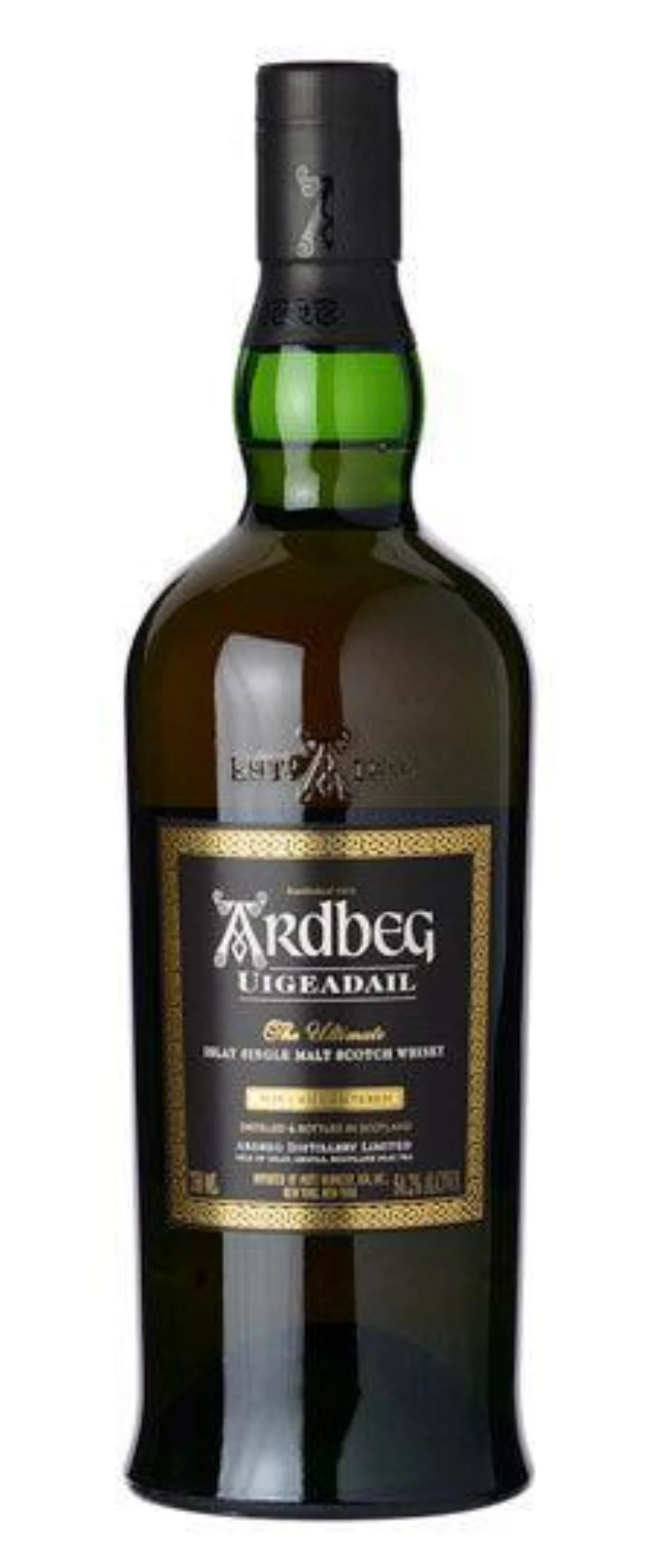
Named for the loch that feeds the distillery, Uigeadail is what happens when Ardbeg's tarry, medicinal peat is married to old sherry casks—and it's our highest-scored Islay for good reason. The nose is a bonfire on a beach next to a bakery: campfire smoke, dark chocolate, espresso, raisins, and a whisper of leather. The palate is huge but layered, the sherry sweetness weaving through the tar and iodine rather than fighting it, and at near-cask strength it never burns—it broods. The finish is long, smoky, and faintly sweet, and a few drops of water push it even further. It's non-age-stated and pricier than the standard 10, and far too intense as a first Islay—but for peat devotees who want smoke with genuine sophistication, nothing on the island does it better.
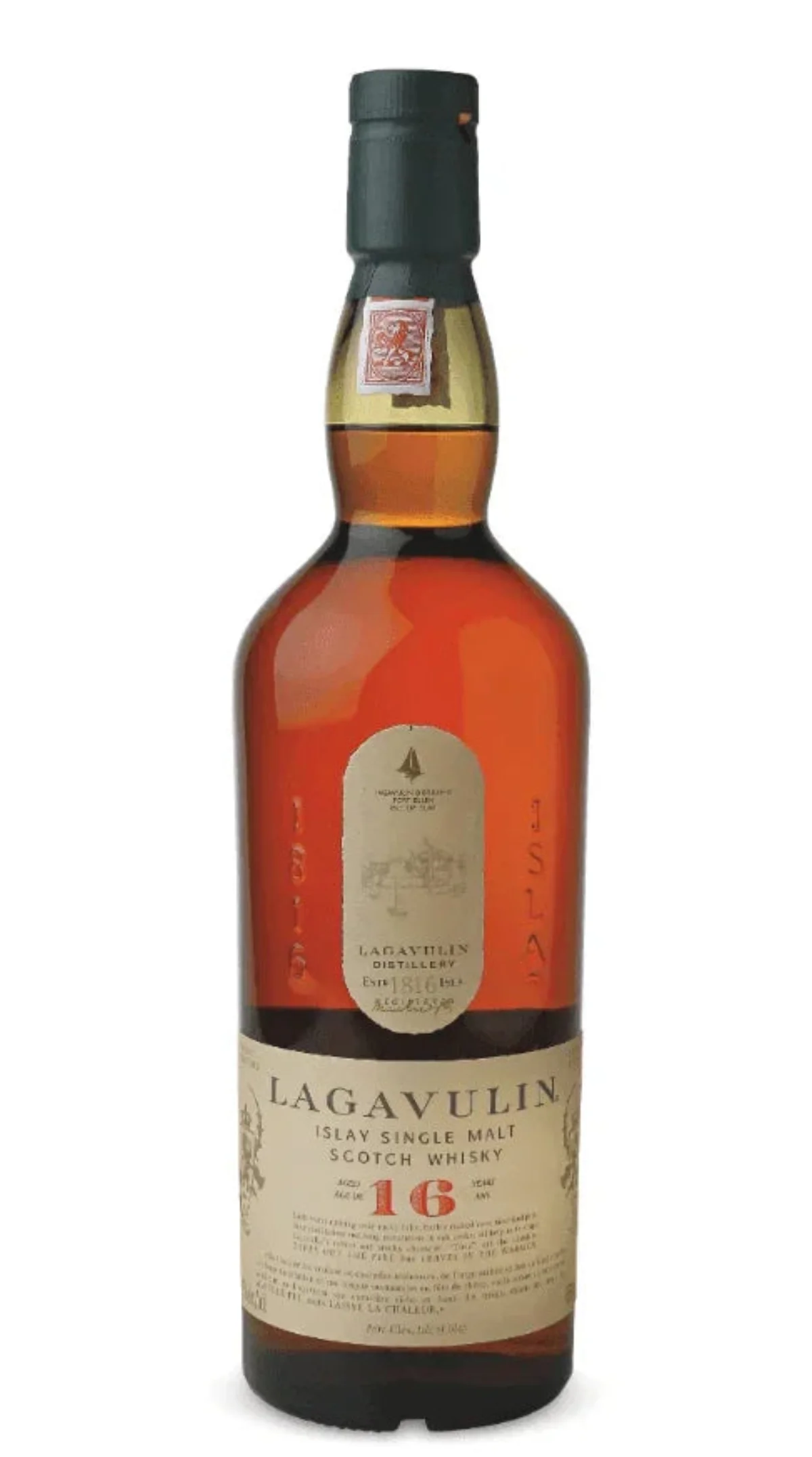
If Islay had a national anthem, it would sound like Lagavulin 16—the bottle that has converted more skeptics than any other. Sixteen years of age softens the smoke into something almost sweet: the nose offers rich peat, dried fruit, sea salt, and that unmistakable Lagavulin oiliness, while the palate is deep, sweet, and smoky with a syrupy texture that coats the mouth. Then comes the finish, which goes on long enough to reconsider a few life choices. It's only 43% and occasionally allocated above its price, but it needs no water and no apology—it's the benchmark every other peated malt is quietly measured against. If you want to understand what all the Islay fuss is about, start right here.
ABV43%
Age16 Years
RegionIslay
CharacterRich, sweet peat
Sixteen years of maturity turns smoke elegant and sweet
Legendary, near-endless finish
The benchmark every other peated malt is measured against
Frequently allocated and can be hard to find at MSRP
Only 43% ABV leaves some wanting more punch
Best For: Anyone who wants to understand what all the Islay fuss is about
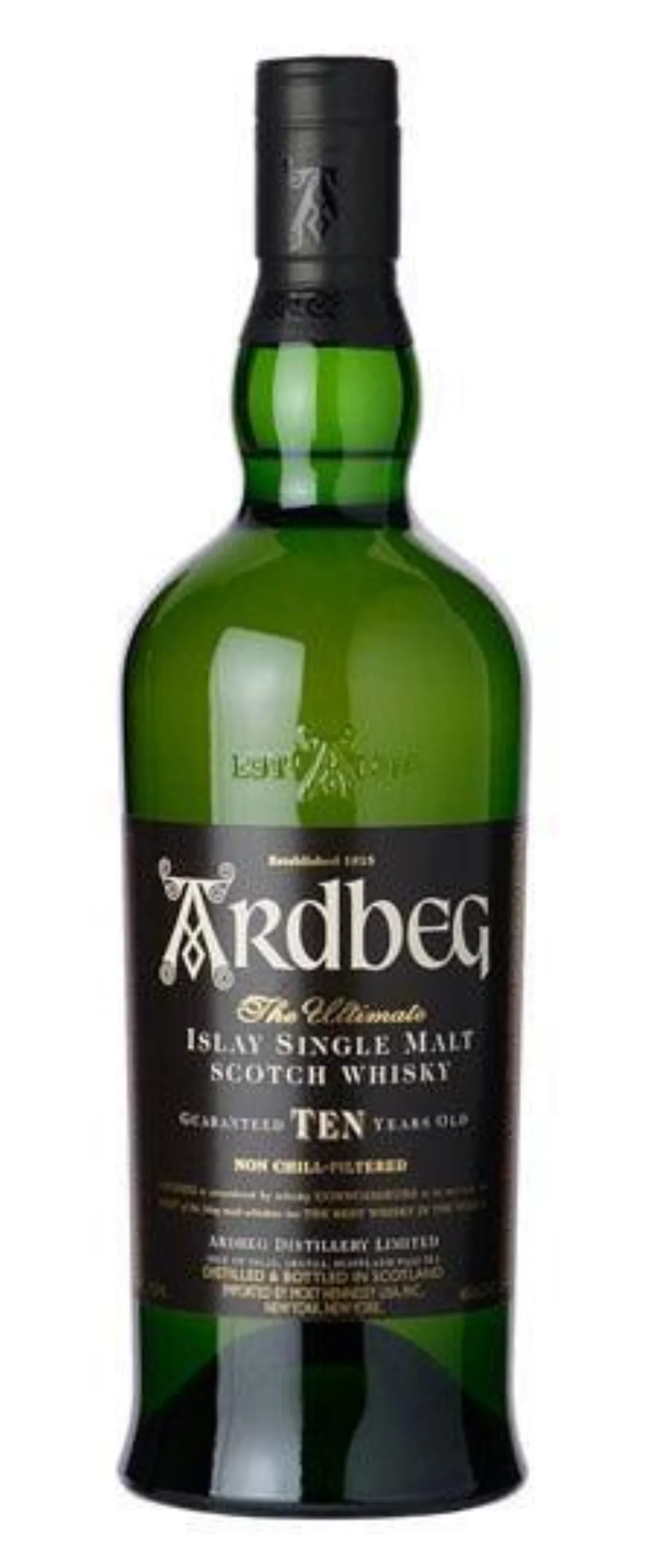
The value benchmark of the entire category, and proof that great Islay whisky doesn't have to cost a fortune. Non-chill-filtered, bottled at a proper 46%, age-stated, and usually under $60—specs that quietly shame bottles twice the price. The nose is pure, uncompromising Islay: lemon, tar, soot, and brine. The palate delivers intense peat smoke shot through with a startling burst of citrus sweetness and vanilla, and the finish is long, smoky, and clean. It's younger and rawer than the pricier Ardbegs, and its uncompromising intensity is very much the point—this is not a gentle introduction. But for peat lovers who want maximum character per dollar, it's the bottle we recommend more than any other on the island.
ABV46%
Age10 Years
RegionIslay
CharacterIntensely peated, NCF
Extraordinary specs-to-price ratio
Non-chill-filtered at a proper 46%
Pure, uncompromising Islay smoke
Uncompromising is the point—not a gentle introduction
Younger and rawer than the pricier Ardbegs
Best For: Peat lovers who want maximum intensity per dollar
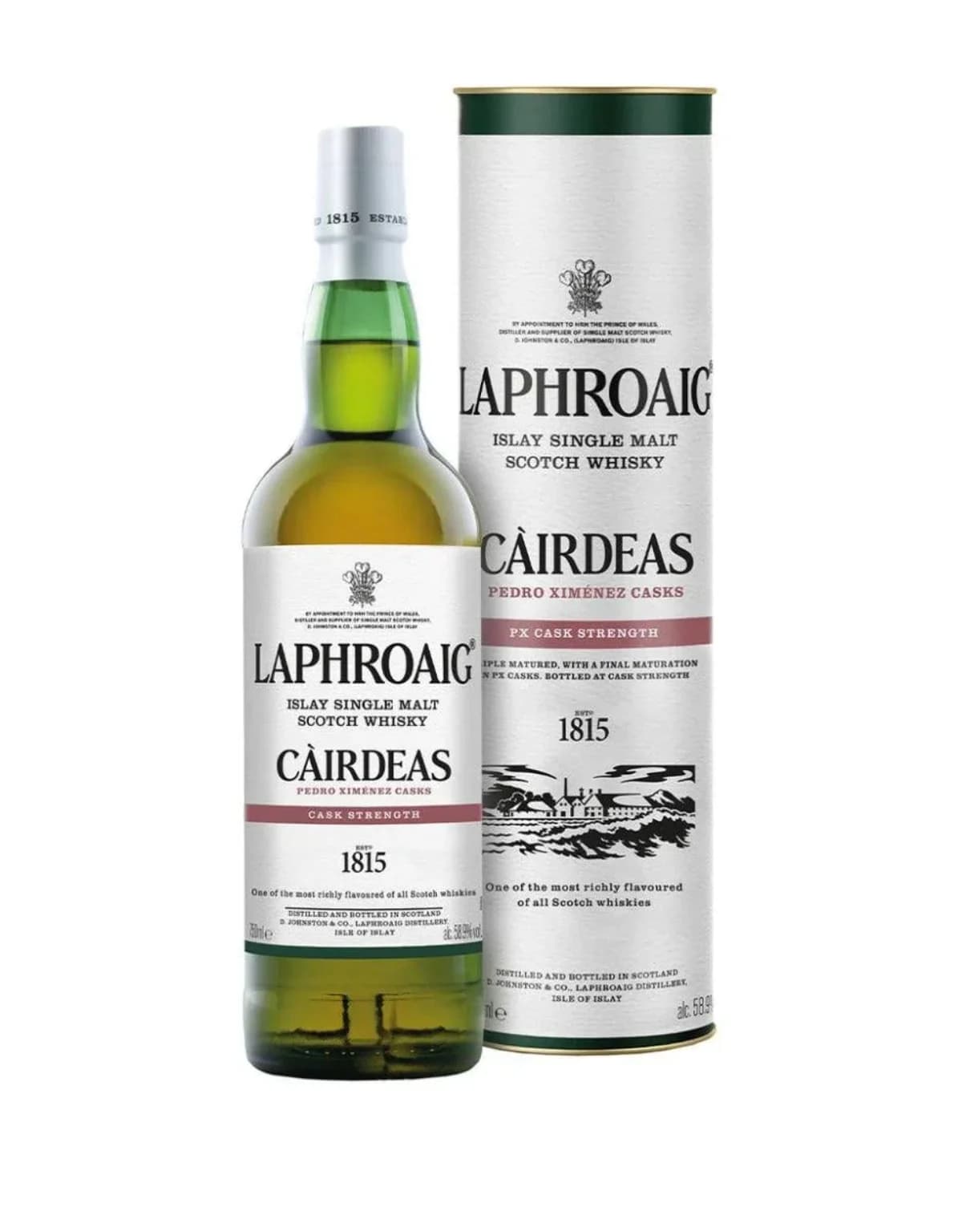
Laphroaig's annual love letter to its fans, and a yearly ritual worth chasing. The name means ‘friendship’ in Gaelic, and this edition uses smaller quarter casks to accelerate the wood contact, layering extra vanilla and coconut cream over Laphroaig's signature seaweed-and-antiseptic punch. The nose is classic Laphroaig—medicinal smoke, brine, iodine—lifted by sweet oak; the palate is rich and creamy, the cask strength giving it real weight and a warming, smoky finish. It rewards a few drops of water, which draw out the sweetness beneath the peat. As a limited annual release its availability comes and goes, and the medicinal Laphroaig character is unmistakable—so it's one for the committed. For Laphroaig devotees and cask-strength hunters, it's the pick of the range.
ABV52.2%
AgeNAS
RegionIslay
CharacterCask-strength, quarter-cask peat
Extra creaminess and vanilla from the small casks
Cask strength rewards a few drops of water
The best of the annual Cairdeas releases
Limited annual release—availability comes and goes
Unmistakably Laphroaig, so the medicinal note remains
Best For: Laphroaig devotees and cask-strength hunters
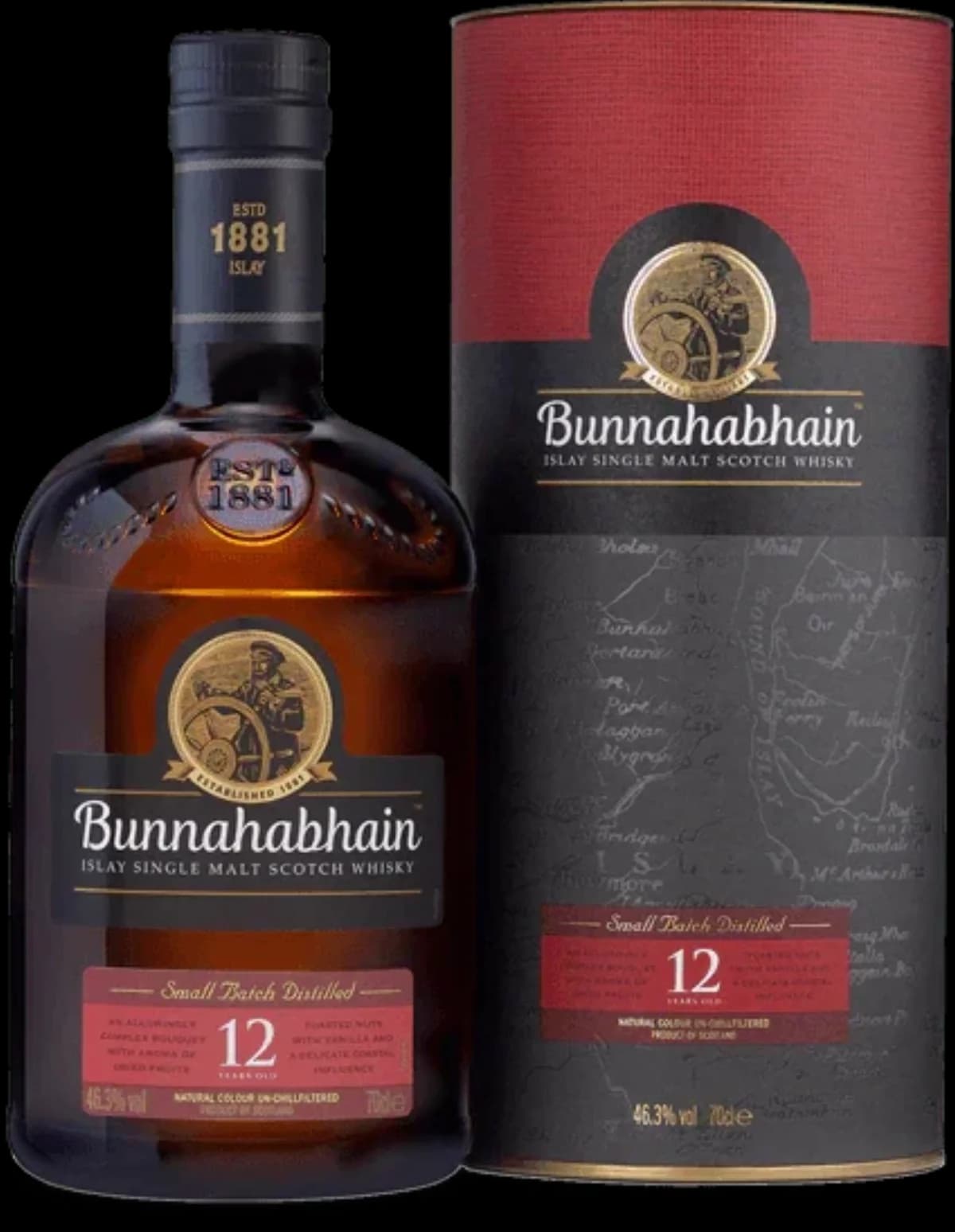
Proof that Islay isn't only about smoke. Bunnahabhain (‘boo-na-havn’) leaves the peat out and lets the island's maritime character speak instead—and the result is one of Scotland's quiet bargains. The nose is nutty and sherried, with sea spray, dried fruit, and a touch of toffee; the palate is rich and rounded, with more sherry, gentle spice, and a clean, saline edge. At 46.3%, natural colour, and non-chill-filtered for around $50, it over-delivers on both quality and value. Peat-seekers will find it far too gentle, and it lacks the drama of its smoky neighbours—but for Scotch lovers who want Islay's coastal soul without the campfire, it's the thinking drinker's Islay and a genuine steal.
ABV46.3%
Age12 Years
RegionIslay
CharacterUnpeated, sherried, NCF
Rich sherried, maritime character without smoke
46.3%, natural colour, non-chill-filtered
Outstanding value for an Islay single malt
Peat-seekers will find it too gentle
Lacks the drama of its smoky neighbours
Best For: Scotch lovers who want Islay's coastal soul without the campfire
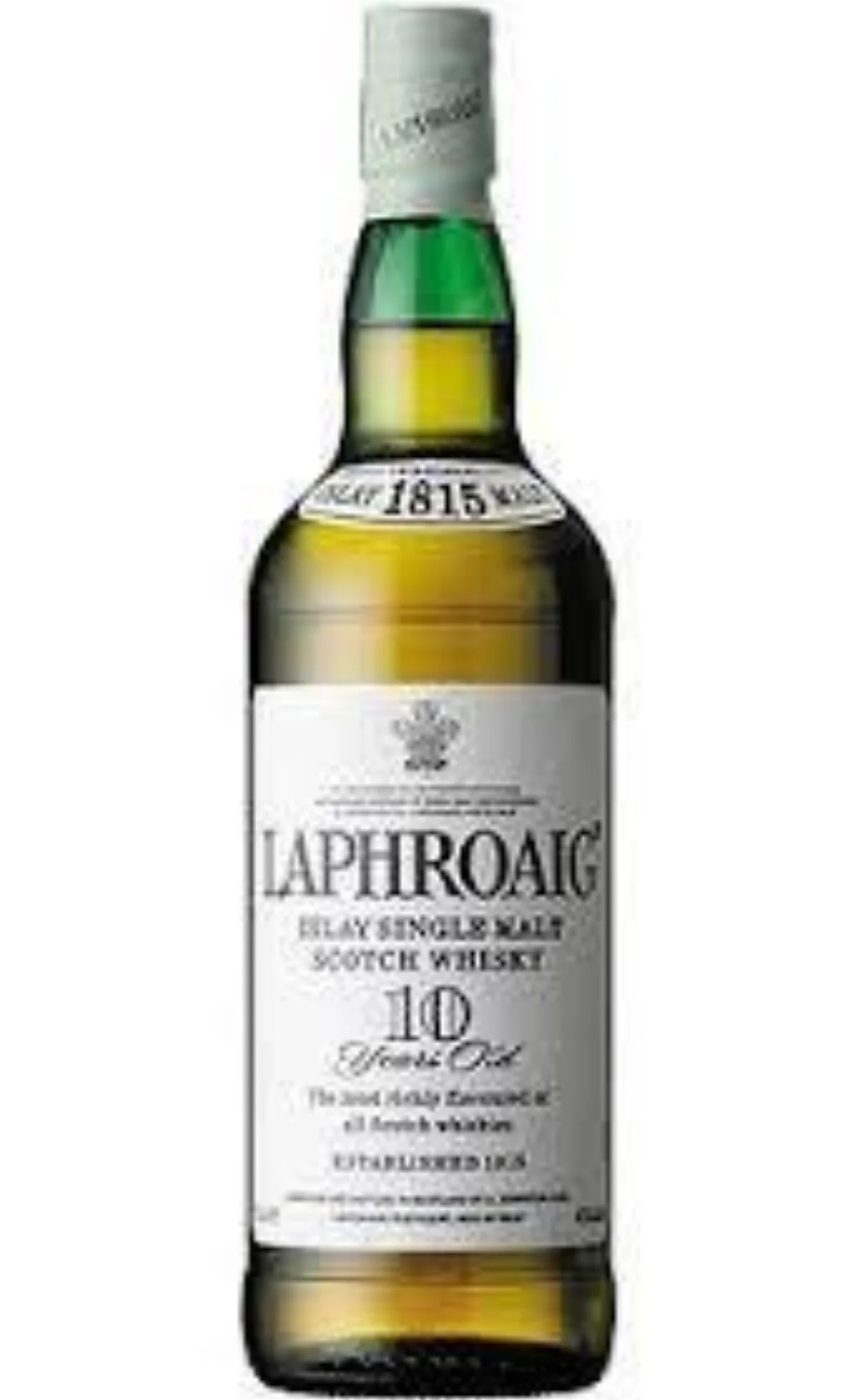
The most polarizing whisky on Earth, and required tasting precisely because of it. Pour it and the room divides: iodine, bandages, brine, smoked kipper, and wet rope come pouring off the nose, and the palate follows with medicinal peat, seaweed, and a dry, ashy smoke. You either flee or fall permanently in love—there is very little middle ground. At around $45 for an age-stated Islay single malt, it's the definitive, affordable way to find out which camp you're in. It's genuinely divisive, and at 43% and chill-filtered it's a touch tamer than the bold Ardbegs—but no Islay education is complete without it. Consider it a rite of passage every whisky drinker should take at least once.
ABV43%
Age10 Years
RegionIslay
CharacterMedicinal, maritime peat
Age-stated Islay single malt for around $45
The definitive medicinal, maritime Islay profile
A rite of passage every whisky drinker should take
Genuinely divisive—the antiseptic note isn't for everyone
43% and chill-filtered where the Ardbegs go bolder
Best For: Deciding, once and for all, whether you're a peat person
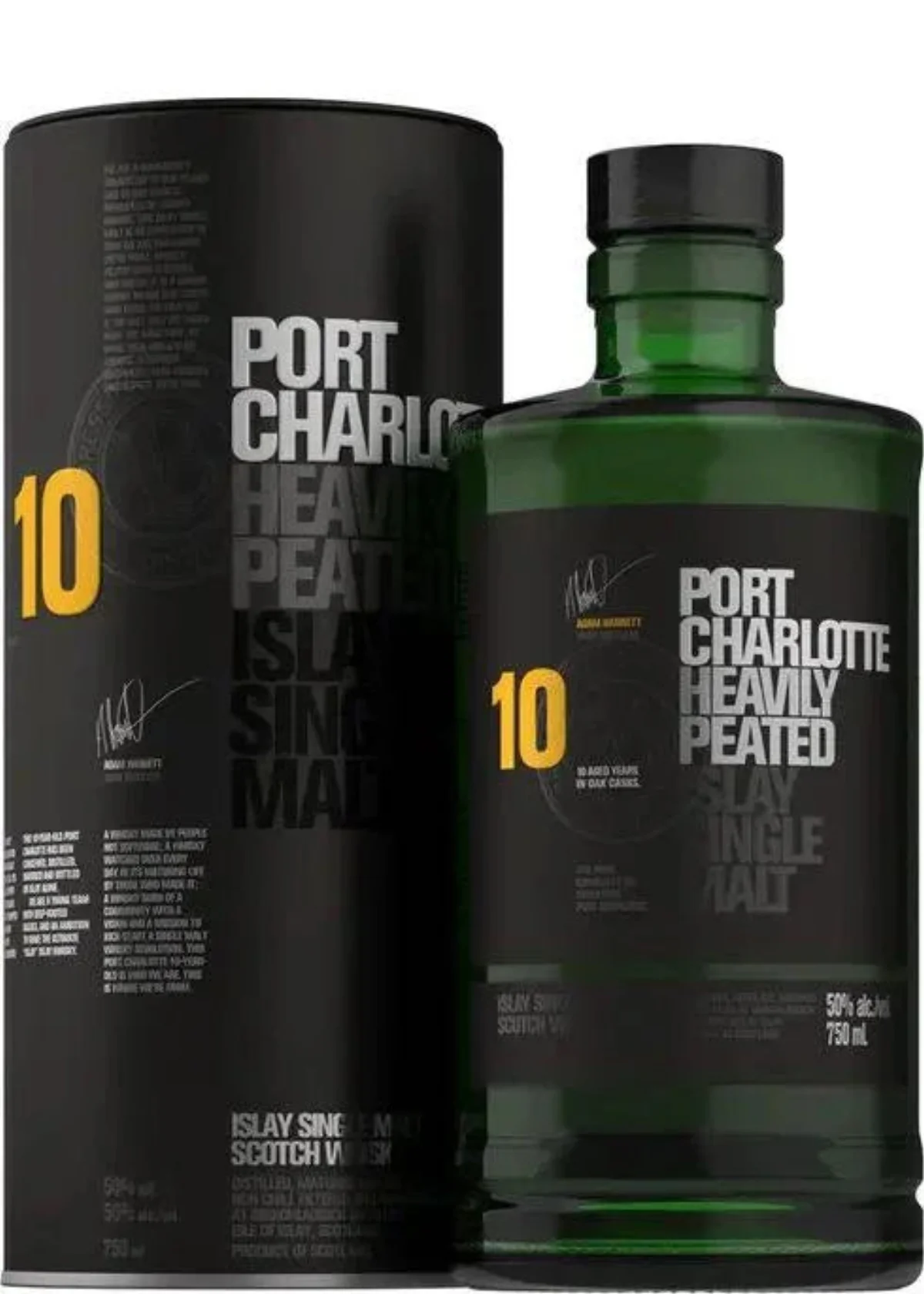
Bruichladdich's heavily-peated alter ego, and the connoisseur's modern heavy hitter. Where Ardbeg is tarry and Laphroaig medicinal, Port Charlotte 10 is smoky-but-precise—the nose brings barbecue smoke, barley sweetness, coastal salt, and a floral lift, while the palate is clean and structured, the peat balanced by malt, vanilla, and a distinctly modern clarity. Bottled at a full 50% and non-chill-filtered, it feels contemporary in a way the old guard doesn't, and Bruichladdich's terroir-driven ethos—named vintages, Islay barley, transparency about provenance—shows in the glass. It's pricier than the entry-level smoke bombs and too big for a beginner, but for experienced drinkers who want heavy peat delivered with finesse, it's one of the most rewarding pours on the island.
ABV50%
Age10 Years
RegionIslay
CharacterHeavily peated, NCF
Heavy peat with modern precision and barley sweetness
A proper 50% ABV, non-chill-filtered
Terroir-driven ethos from a distillery that cares
Pricier than the entry-level smoke bombs
Big and bold—not a beginner's dram
Best For: Experienced drinkers who want heavy peat done with finesse
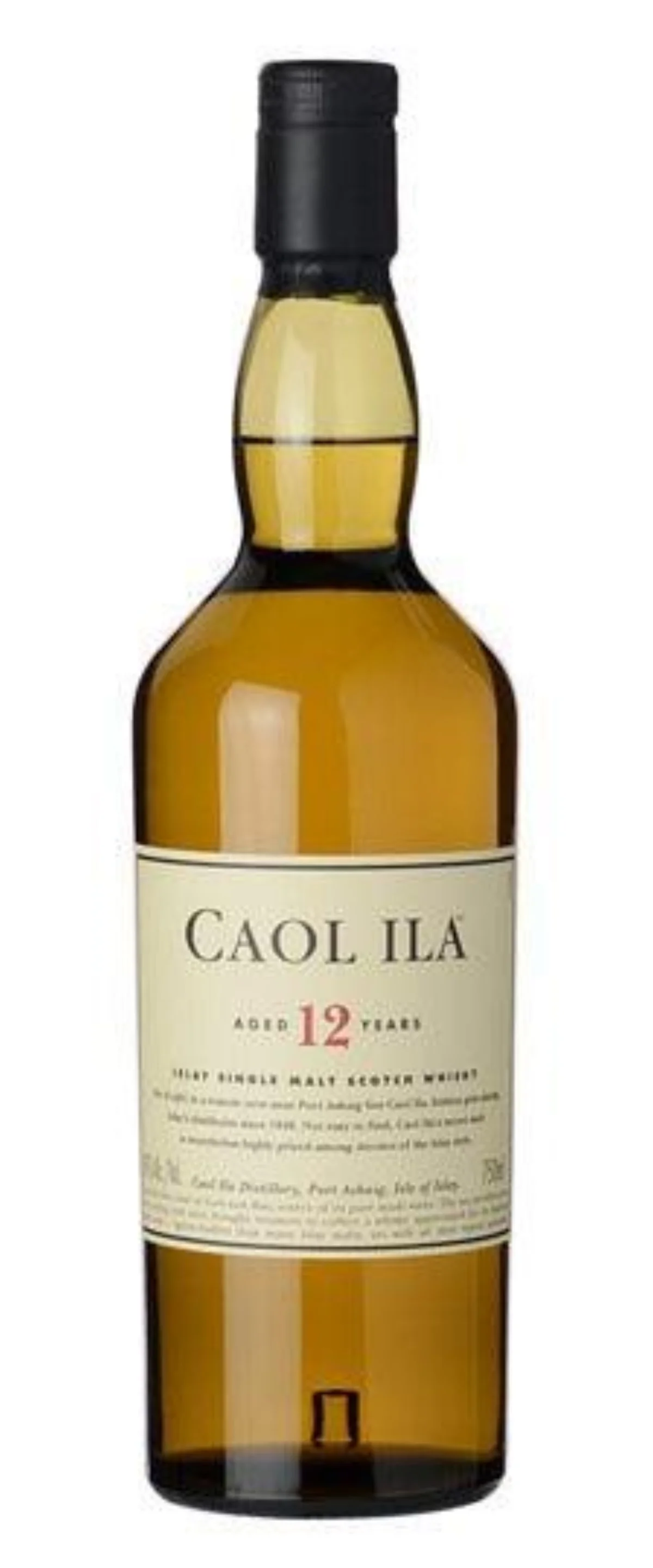
Islay's quiet workhorse, bottled beautifully in its own right. Most of Caol Ila's (‘cull-eela’) production disappears into blends, which is a shame, because the 12-year single malt is one of the most approachable serious Islays you can buy. It's lighter and more elegant than its southern neighbours: the nose gives lemon, olive brine, and a smoke that's more distant-bonfire than face-first, and the palate is fresh, oily, and gently peated with citrus and a clean maritime finish. At 43% it's easy to drink, and it's the most food-friendly Islay on this list—superb with oysters or smoked fish. Peat maximalists may want more intensity, and it has a slightly more restrained personality than the big names, but for easing into serious Islay without the medicinal punch, it's ideal.
ABV43%
Age12 Years
RegionIslay
CharacterLightly-to-medium peated
Elegant, restrained smoke with citrus and brine
The most food-friendly Islay on this list
Consistent quality and usually easy to find
Peat maximalists may want more intensity
Less distinctive personality than the big names
Best For: Easing into serious Islay without the medicinal punch
The farm distillery that revived Islay's field-to-bottle tradition. Founded in 2005—the first new distillery on the island in over a century—Kilchoman grows barley, malts, distils, matures, and bottles all on one farm, a rarity almost unique in Scotch. Machir Bay, named for the island's most spectacular beach, is its flagship: young, bright, and briny, with a nose of lemon, vanilla, and fresh campfire smoke, and a palate that's vibrant and coastal with citrus, honey, and a clean peat that has a freshness the old guard can't quite fake. It's a young whisky, so it lacks the depth of the aged classics, and limited production means shifting availability—but for drinkers who want the new-wave, craft side of Islay, it's the one to seek out.
ABV46%
AgeNAS (young)
RegionIslay
CharacterFresh, farm-distilled peat
Fresh, vibrant peat from a true farm distillery
Field-to-bottle production almost unique on Islay
A genuinely different, youthful take on the island
Young whisky—less depth than the aged classics
Limited production means shifting availability
Best For: Drinkers who want the new-wave, craft side of Islay
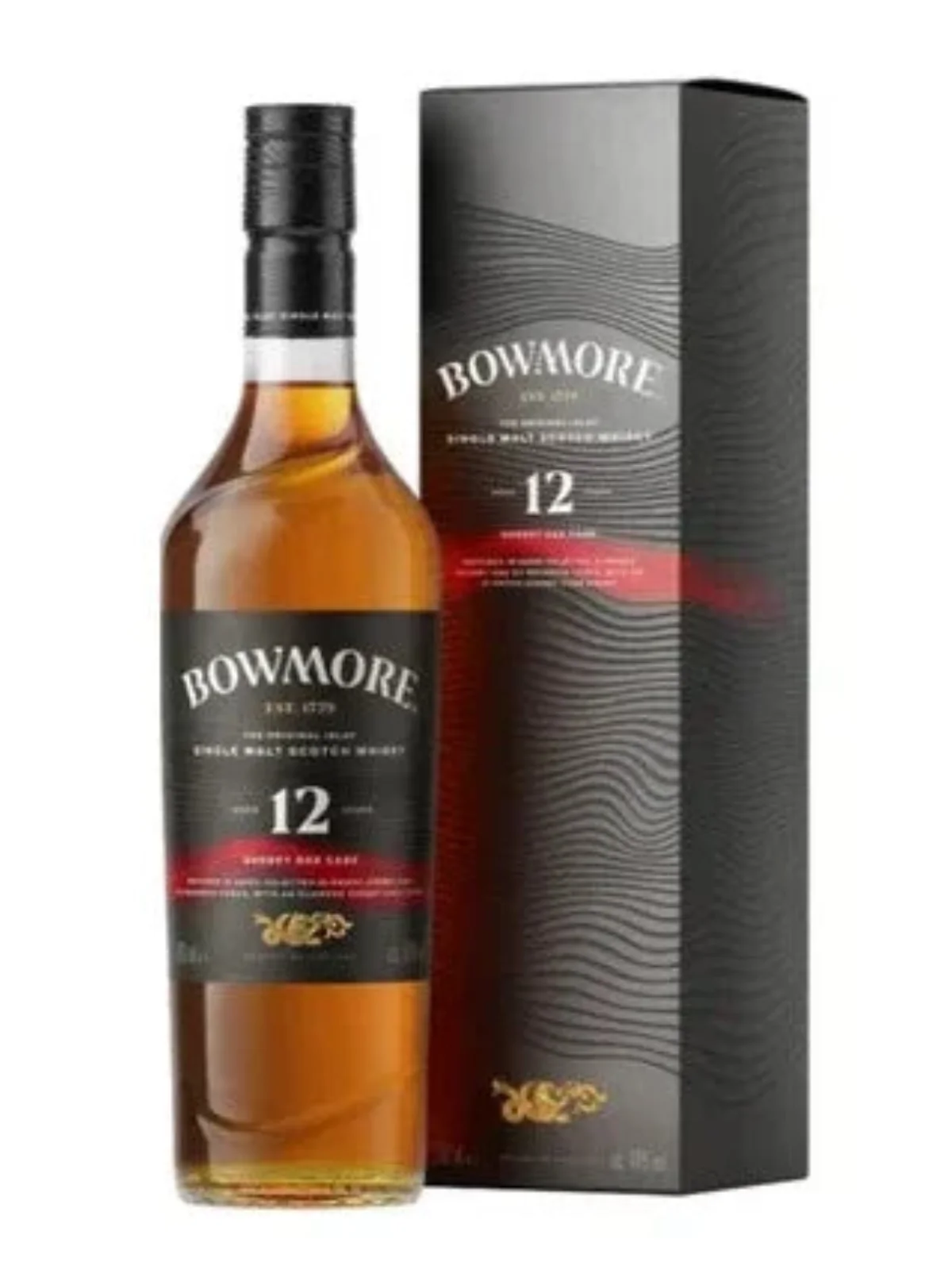
The gentle diplomat of Islay, and the bottle we hand to anyone convinced they hate peat. Bowmore, the island's oldest distillery, dials the smoke right back and leans into approachability: the nose offers gentle honey, lemon, and a trademark hint of dark chocolate, with the peat sitting politely in the background, and the palate is soft, lightly smoky, and sweet, with that signature Bowmore cocoa note on the finish. At just 40% it's the lightest-bodied dram on this list—committed peat-heads will find it too tame—but that's exactly its job. As the friendliest gateway into Islay whisky, it's the bottle that turns ‘I don't like smoky whisky’ into ‘wait, can I have another?’
ABV40%
Age12 Years
RegionIslay
CharacterGently peated, honeyed
Soft, integrated smoke that never overwhelms
Approachable honey-and-citrus character
The friendliest gateway into Islay whisky
Only 40% ABV—light-bodied for the style
Too gentle for committed peat-heads
Best For: Beginners and anyone who thinks they dislike smoky whisky
Our whisky coverage is led by a taster with a decade in Scotch, WSET training, and more Islay ferries than we care to count. We've worked through the island's core ranges dram by dram—converting peat skeptics, arguing about Uigeadail versus Corryvreckan, and learning to love the antiseptic punch of a young Laphroaig.
Every bottle on this page links to our full, independent review. We buy or sample the whiskies we cover, score them the same way every time, and tell you when something's overrated—no matter how iconic the label.
Editorial independence notice: Boozemakers maintains full editorial independence. We purchase all products at retail and are never compensated for our reviews. Affiliate links may earn us a commission at no extra cost to you.
How We Test & Rate
This ranking is built from our own bottle-by-bottle reviews, not a press release. Every whisky here has been tasted and scored on BoozeMakers' 100-point scale, assessed neat in a Glencairn (with a few drops of water on the cask-strength bottles), across nose, palate, finish, peat-and-coastal character, and value. We then ranked Islay's most important and available expressions by those scores.
Crucially, we treated Islay as a place, not just a flavour—so this list spans the heavily-peated south (Ardbeg, Lagavulin, Laphroaig, Port Charlotte), the balanced north (Caol Ila, Bunnahabhain), the farm-craft newcomer (Kilchoman), and the gentle classic (Bowmore), including the island's excellent unpeated whisky. Prices and availability shift constantly, so we note character and value rather than fixed street prices.
Rating Criteria
Nose20%
Complexity and appeal of the aroma—smoke character, coastal notes, fruit, and spice.
Palate30%
Flavour depth, balance, and texture, and how the peat integrates with everything else.
Finish20%
Length and evolution of the aftertaste—does the smoke linger pleasantly or fade too fast?
Peat & Coastal Character15%
How well the whisky expresses Islay's signature smoke, brine, and maritime identity.
Value15%
Quality relative to price and availability at the time of review.
How We Chose
This ranking is built from our own bottle-by-bottle reviews, scored on our 100-point scale across nose, palate, finish, peat-and-coastal character, and value. We treated Islay as a place rather than a flavour, so the list deliberately spans the heavily-peated south, the balanced north, the farm-craft newcomer, and the island's excellent unpeated whisky—there's a bottle here for the smoke-curious beginner and the seasoned peat fiend alike. Prices and availability shift constantly, so we ranked on what's in the glass and flagged which bottles are everyday buys versus limited chases.