The mist hadn't lifted from the Kentucky River when we pulled into Buffalo Trace's gravel lot at 8:47 on a Tuesday morning. The air smelled like wet limestone and charred oak — the same air, presumably, that has carried these same scents since Hancock Lee built the first distillery on this site in 1775. A security guard waved us toward a nearly empty parking lot. "Y'all are early," he said. "That's good. The 9 o'clock tour fills up by 8:55."
He wasn't exaggerating. By the time we'd grabbed coffee from the visitors' center, a line of 40-odd people snaked past the bronze buffalo statue, passport booklets clutched like boarding passes. This is the Kentucky Bourbon Trail in 2026 — a cultural phenomenon that drew 2.8 million visitors last year, generates $9.4 billion in economic impact, and has transformed the rolling bluegrass countryside between Louisville and Lexington into America's most spirited road trip.
We've driven every mile of it. Over three trips spanning 14 months, we've logged 2,100 miles on Kentucky backroads, visited all 68 official stops on the Kentucky Bourbon Trail and Kentucky Bourbon Trail Craft Tour, sat through 47 guided tours, and consumed enough tasting pours to fill a small barrel. What follows is the unvarnished, GPS-verified, first-hand guide we wish we'd had before that first Tuesday morning at Buffalo Trace.
Understanding the Two Trails
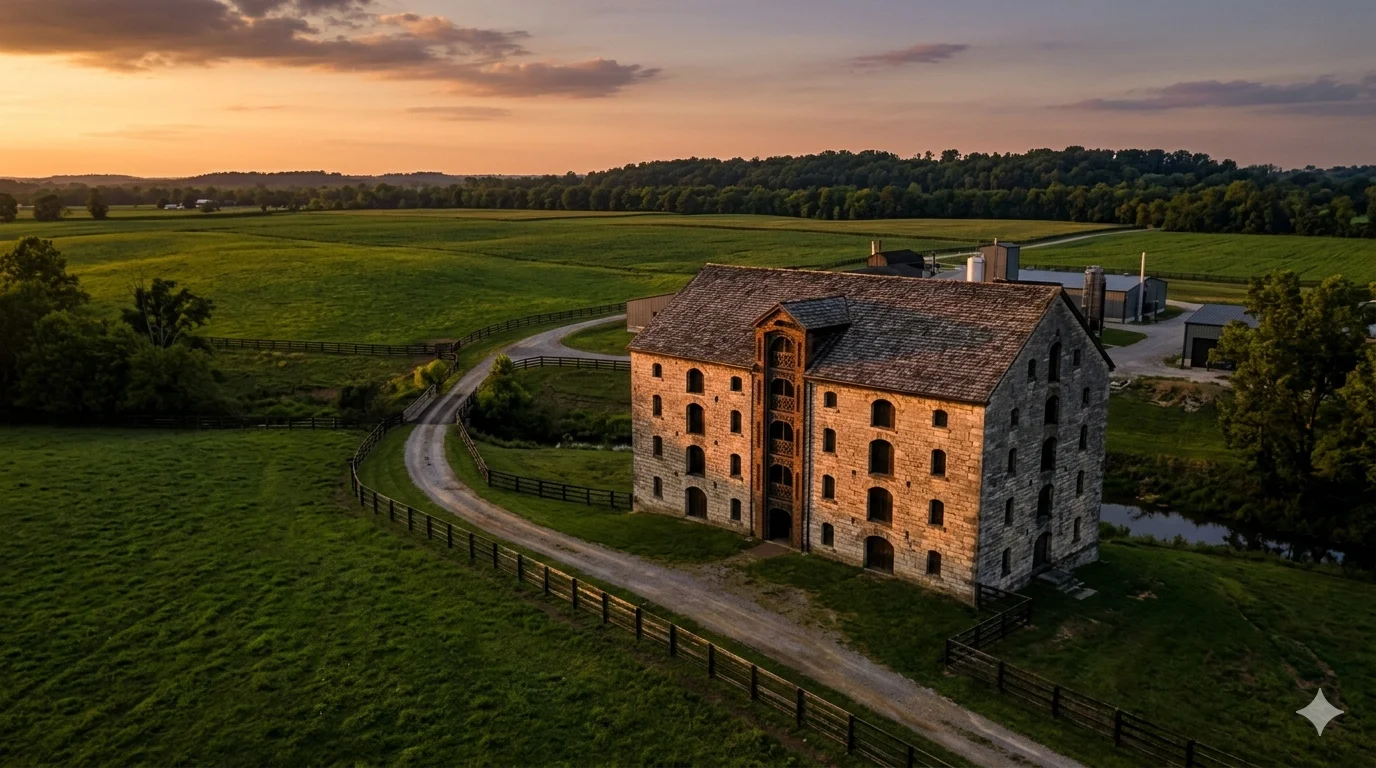
First, a critical distinction that most guides bury or ignore entirely: there are actually two official trails, and they serve very different purposes.
The Kentucky Bourbon Trail (KBT) features 18 marquee distilleries — the big names you know from every liquor store shelf. Buffalo Trace, Maker's Mark, Woodford Reserve, Wild Turkey, Four Roses, Heaven Hill, Jim Beam. These are large-scale operations running tens of thousands of barrels. Tours are polished, facilities are immaculate, gift shops could rival airport duty-free. Average tour: 75 minutes and $18.
The Kentucky Bourbon Trail Craft Tour features 50+ smaller producers — some making fewer than 100 barrels a year. These are where you'll meet the actual distiller (probably because they're the only employee), taste experimental mashbills that will never see wide distribution, and have the kind of conversation about fermentation that your spouse wishes you'd stop having at dinner parties. Average tour: 45 minutes and $12.
Both trails offer passport programs administered by the Kentucky Distillers' Association. Complete the KBT passport (all 18 stops) and you'll receive a free t-shirt. Complete the Craft Tour passport (all 50+ stops) and you'll receive a sense of accomplishment and possibly a drinking problem. We recommend doing both, but treating them as separate trips unless you have two weeks and a liver of industrial fortitude.
Planning Your Route: Three Corridors
Kentucky's distilleries cluster along three corridors, each with its own character:
The Bardstown Corridor (I-65 South)
Bardstown calls itself "The Bourbon Capital of the World," and for once the tourism board isn't overselling it. Within 15 minutes of the courthouse square, you'll find Heaven Hill, Willett, Bardstown Bourbon Company, Lux Row, and Log Still — five distilleries representing everything from Kentucky's largest family-owned producer to one of its most ambitious newcomers. Bardstown is also home to the annual Kentucky Bourbon Festival every September, when hotel rooms that normally cost $120 suddenly require a second mortgage.
Time needed: 2–3 full days to do the Bardstown corridor justice. You'll want mornings for tours (rickhouses are 10–20°F warmer than outside temperature, so afternoon tours in summer feel like visiting a sauna that also gives you bourbon) and evenings for dinner at the Bardstown Bourbon Company's Bottle & Bond restaurant, which is genuinely one of Kentucky's best dining experiences and not just "good for a distillery."
The Frankfort–Versailles Corridor (US-60/I-64)
If Bardstown is bourbon's Main Street, Frankfort and Versailles are its old-money neighborhoods. Buffalo Trace sits on the banks of the Kentucky River in Frankfort, occupying land that's been continuously distilling since before Kentucky was a state. Fifteen minutes down the road, Woodford Reserve operates from an 1812 limestone building on Glenn's Creek that looks like it was designed specifically to sell Instagram-worthy photos. And just east in Frankfort, Castle & Key has resurrected the ruins of the original Old Taylor Distillery — complete with botanical gardens, a sunken Roman bath, and Romanesque Revival architecture that feels more Tuscan villa than Kentucky distillery.
Time needed: 2 full days. Buffalo Trace alone can eat half a day if you sign up for the Hard Hat tour (do this — it's free, it goes deeper into the facility, and you'll see warehouses that smell like concentrated Christmas). Castle & Key deserves at least two hours; the grounds are worth exploring even after the tour ends.
The Louisville Urban Strip
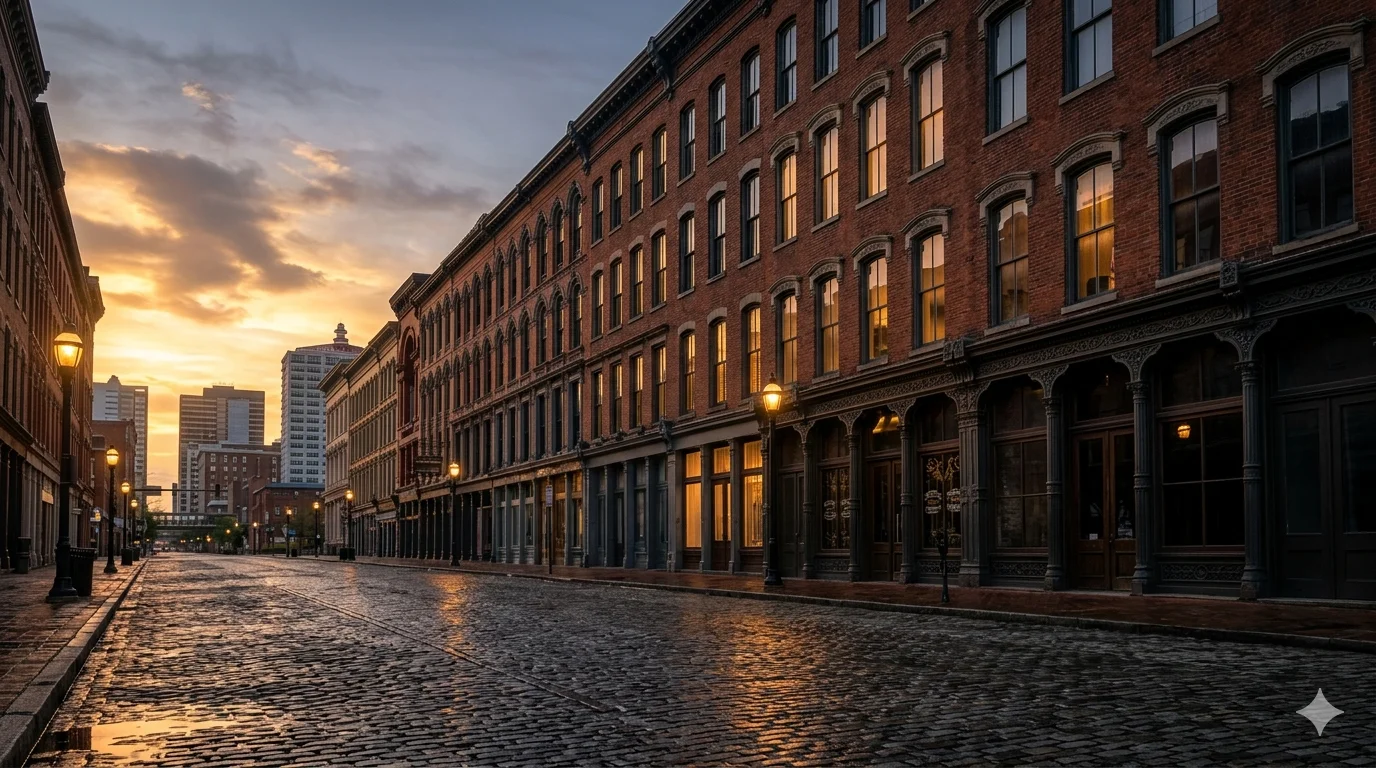
Louisville's Main Street — "Whiskey Row" — was the center of the bourbon trade before Prohibition shut it all down. It's been resurrected with a vengeance. Angel's Envy, Michter's Fort Nelson, Rabbit Hole, Old Forester, and Evan Williams Bourbon Experience all sit within a 10-block stretch of downtown. You can walk between them, which is helpful because by distillery number three you probably shouldn't be driving anyway.
Time needed: 1–2 days for the distilleries, plus however long you spend at Louisville's excellent bourbon bars afterward. (For the full Louisville experience, see our Louisville Urban Bourbon Trail deep-dive.)
The 16 Distilleries You Can't Skip
Out of 68 official stops, we've identified 16 that deliver an experience worth rearranging your itinerary for. Not all are the biggest or most famous — some are tiny craft operations that punched way above their weight class. But each one offers something you won't find anywhere else on the trail.
Use the interactive directory below to filter by region, price range, or "must-visit" status. Every entry includes current hours, tour pricing, and what to expect.
Distillery Directory(16 of 16)
Angel's Envy Distillery
Louisville
A stunning urban distillery in Louisville's Whiskey Row. Known for port barrel-finished bourbon. Founded by the late Lincoln Henderson.
Bardstown Bourbon Company
Bardstown
One of Kentucky's most ambitious new operations. A state-of-the-art distillery with Bottle & Bond restaurant and custom barrel programs.
Buffalo Trace Distillery
Frankfort
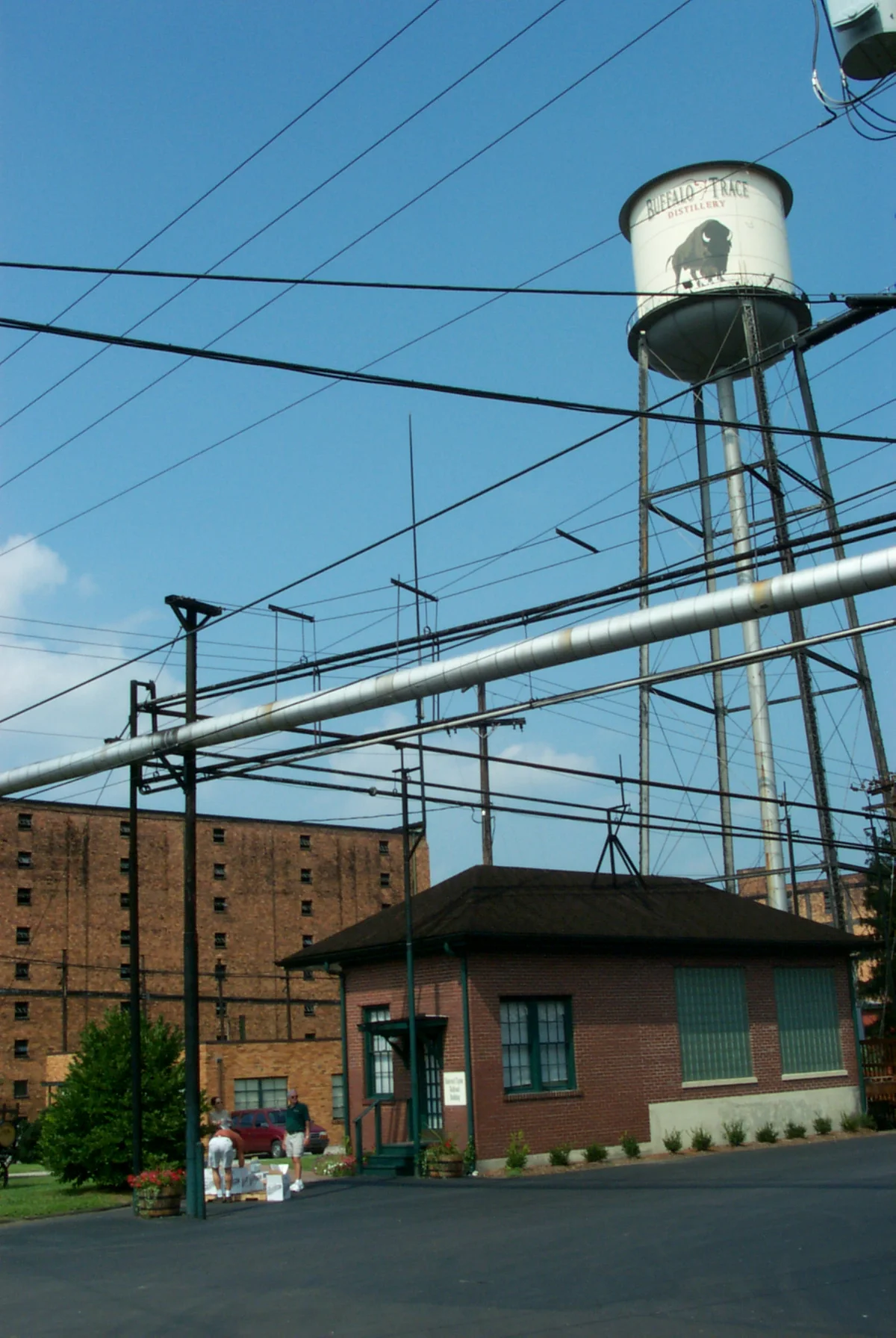
America's oldest continuously operating distillery (since 1775). Home to Pappy Van Winkle, Eagle Rare, and the namesake Buffalo Trace.
Castle & Key Distillery
Frankfort
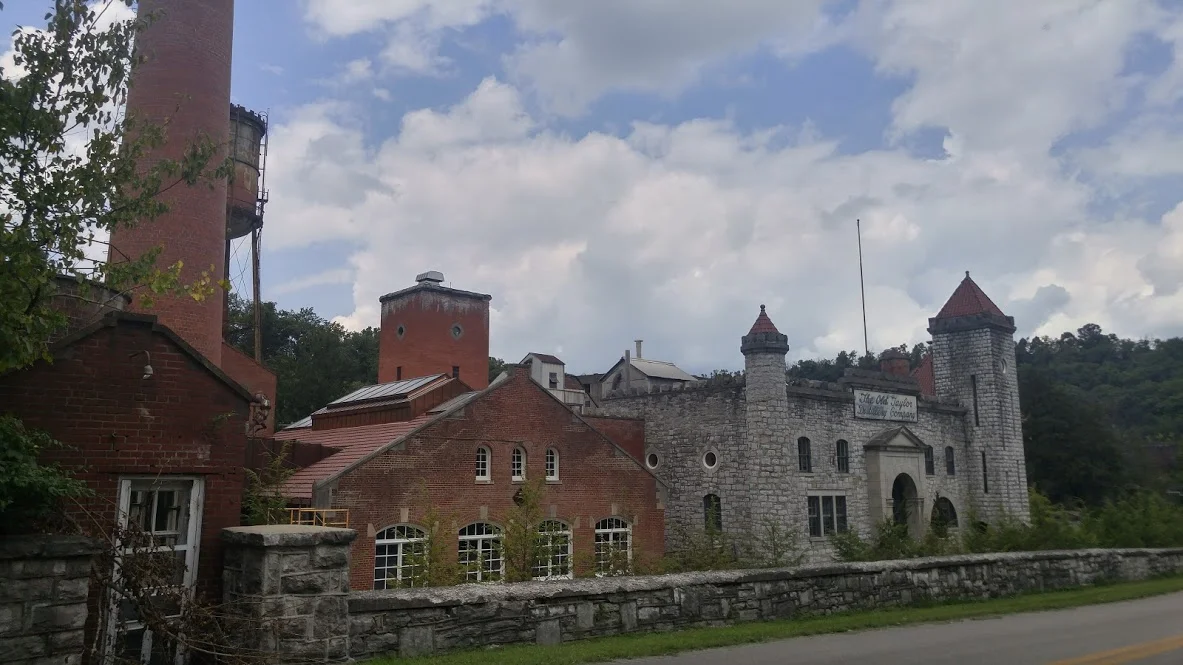
The restored ruins of the original Old Taylor Distillery, once called the 'Castle of Bourbon.' Botanical gardens, a sunken garden, and stunning Romanesque Revival architecture.
Four Roses Distillery
Lawrenceburg
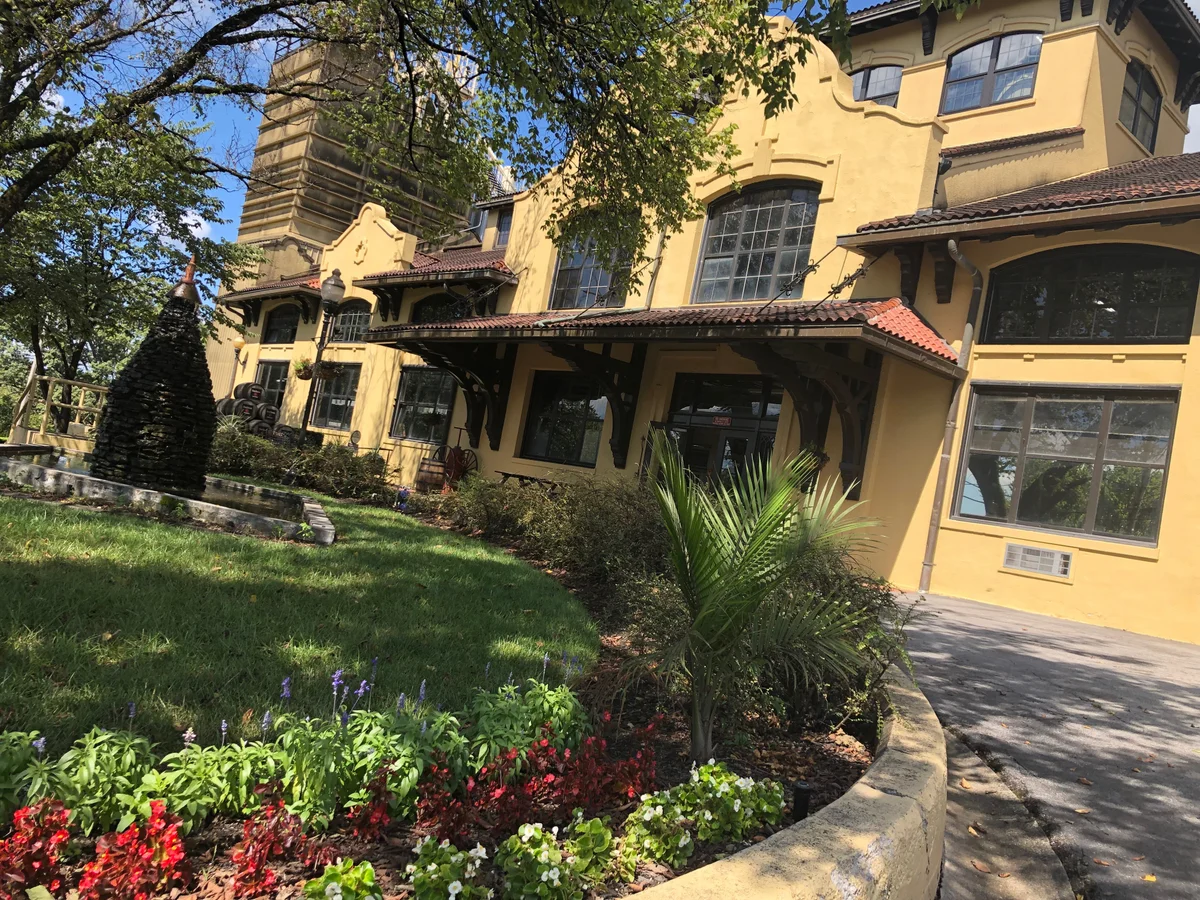
A Spanish Mission-style architecture gem on the National Register. Known for their unique 10 bourbon recipes from 2 mash bills and 5 yeast strains.
Heaven Hill Bourbon Heritage Center
Bardstown
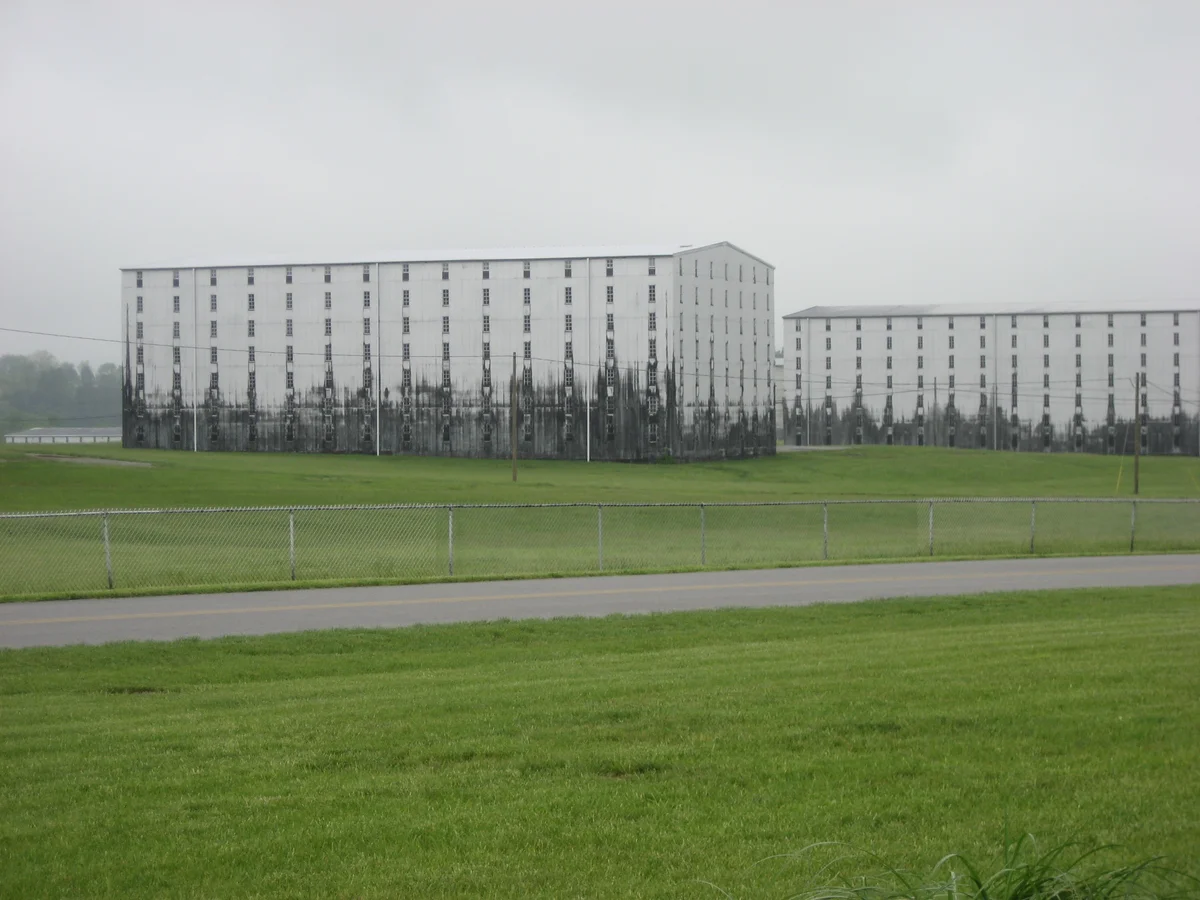
America's largest family-owned spirits company. Home to Evan Williams, Elijah Craig, Larceny, and Henry McKenna.
Jim Beam American Stillhouse
Clermont
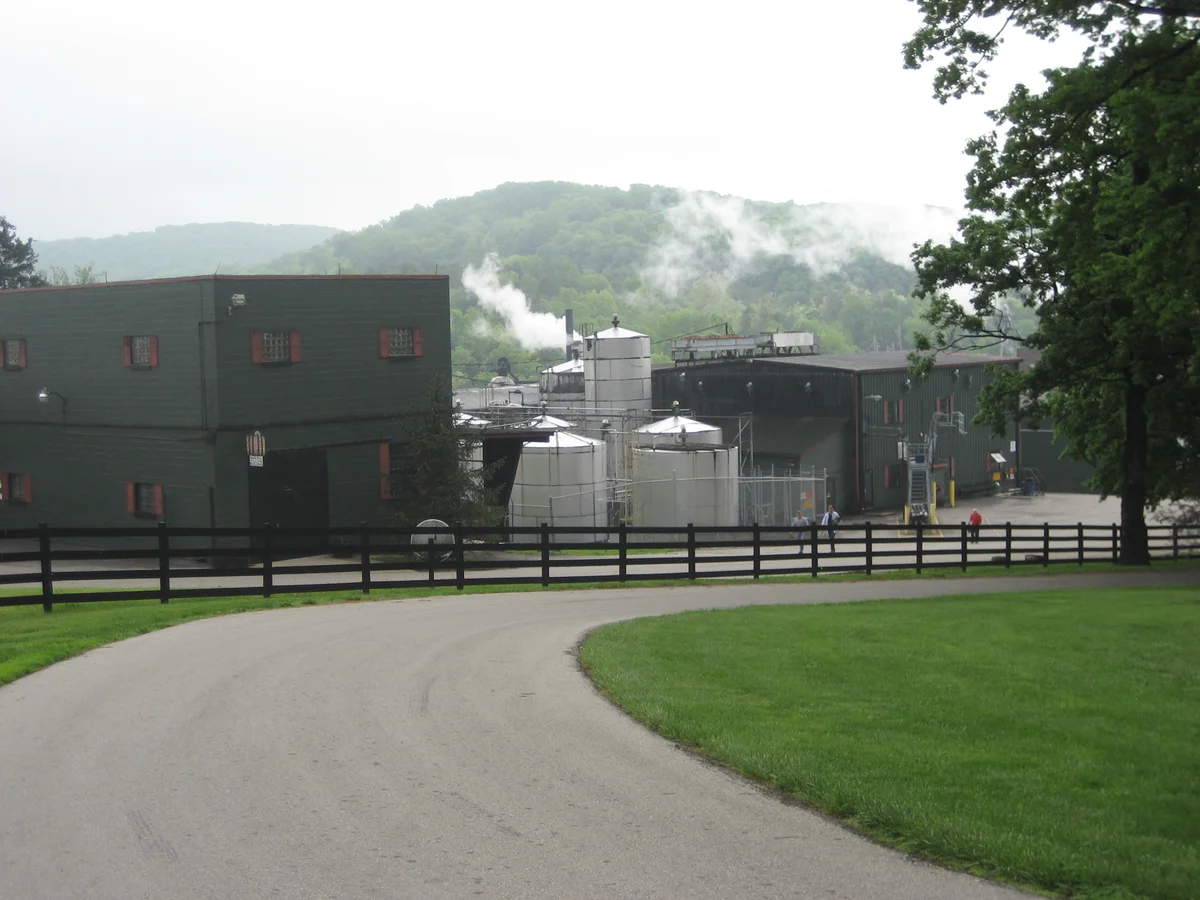
The world's best-selling bourbon brand. Eight generations of the Beam family have distilled here since 1795.
Log Still Distillery
Gethsemane
The Dant family's return to whiskey-making after Prohibition. Set on a 260-acre campus with an event venue and restaurant.
Lux Row Distillers
Bardstown
Home to Ezra Brooks, Rebel, Blood Oath, and David Nicholson. A modern facility that opened in 2018.
Maker's Mark Distillery
Loretto
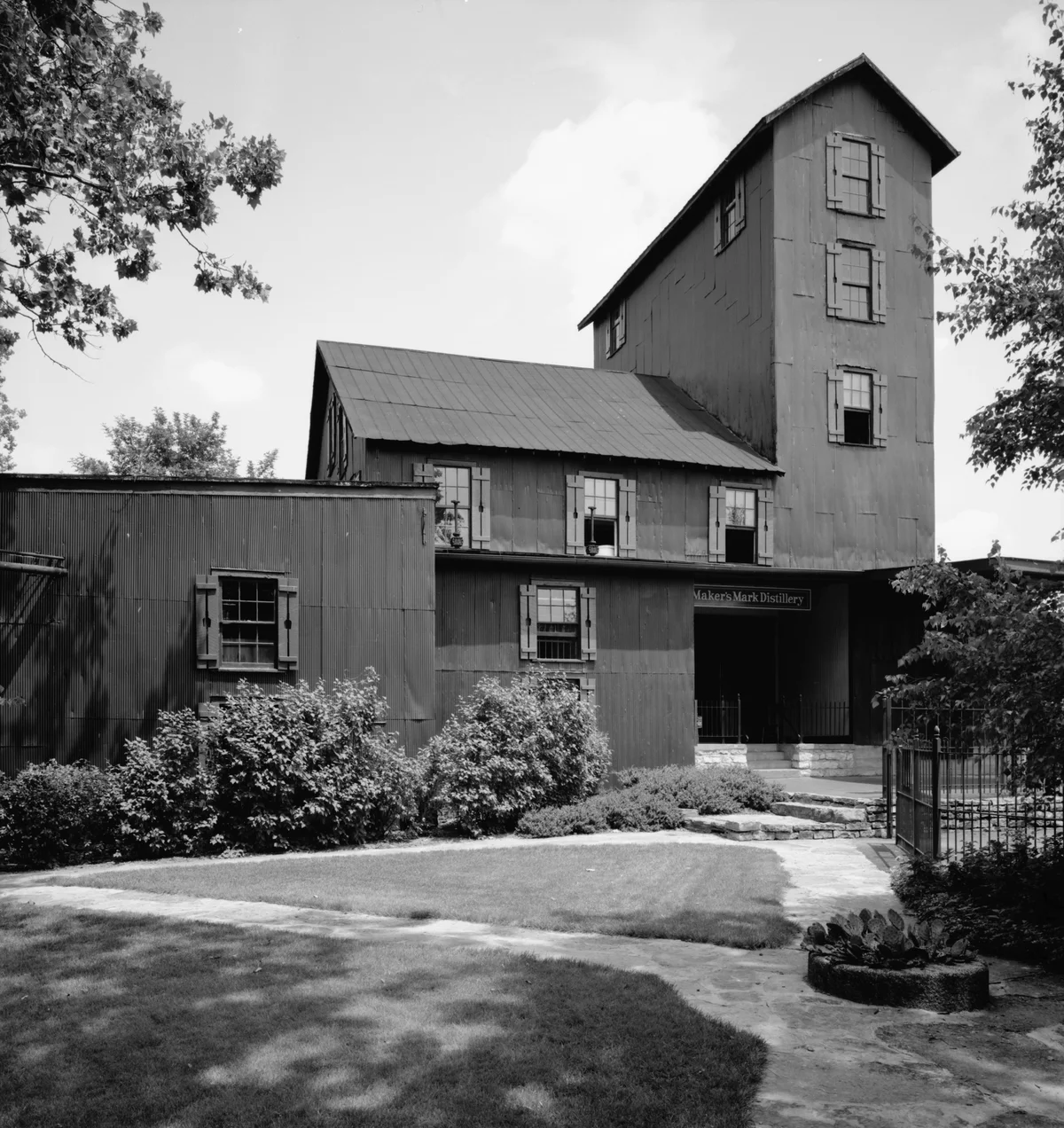
A postcard-perfect campus on the National Register of Historic Places. Hand-dip your own bottle in the iconic red wax.
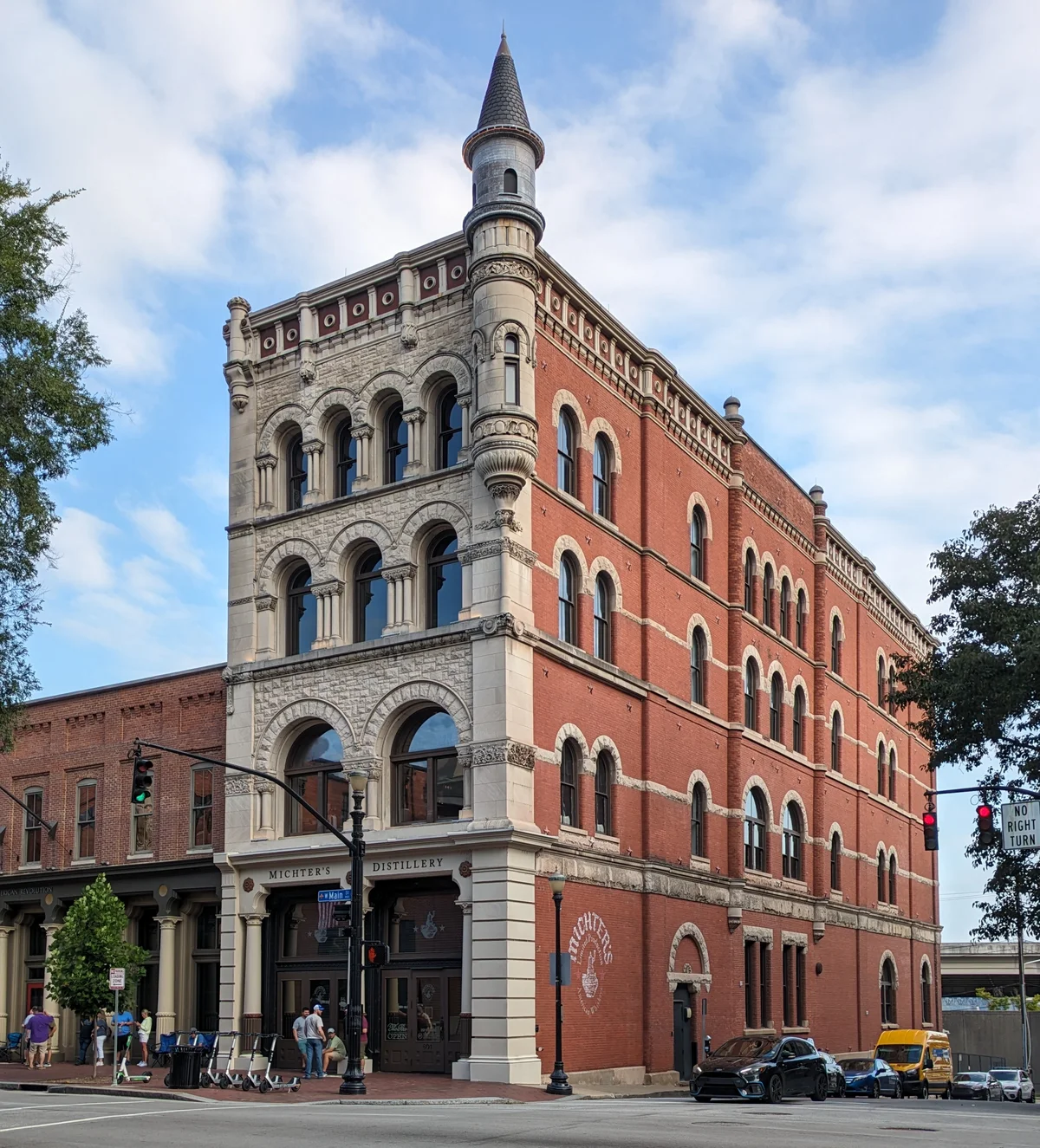
Michter's Fort Nelson Distillery
Louisville
A beautifully restored 19th-century building on Main Street. Features a working pot still and the historic Fort Nelson bar.
Rabbit Hole Distillery
Louisville
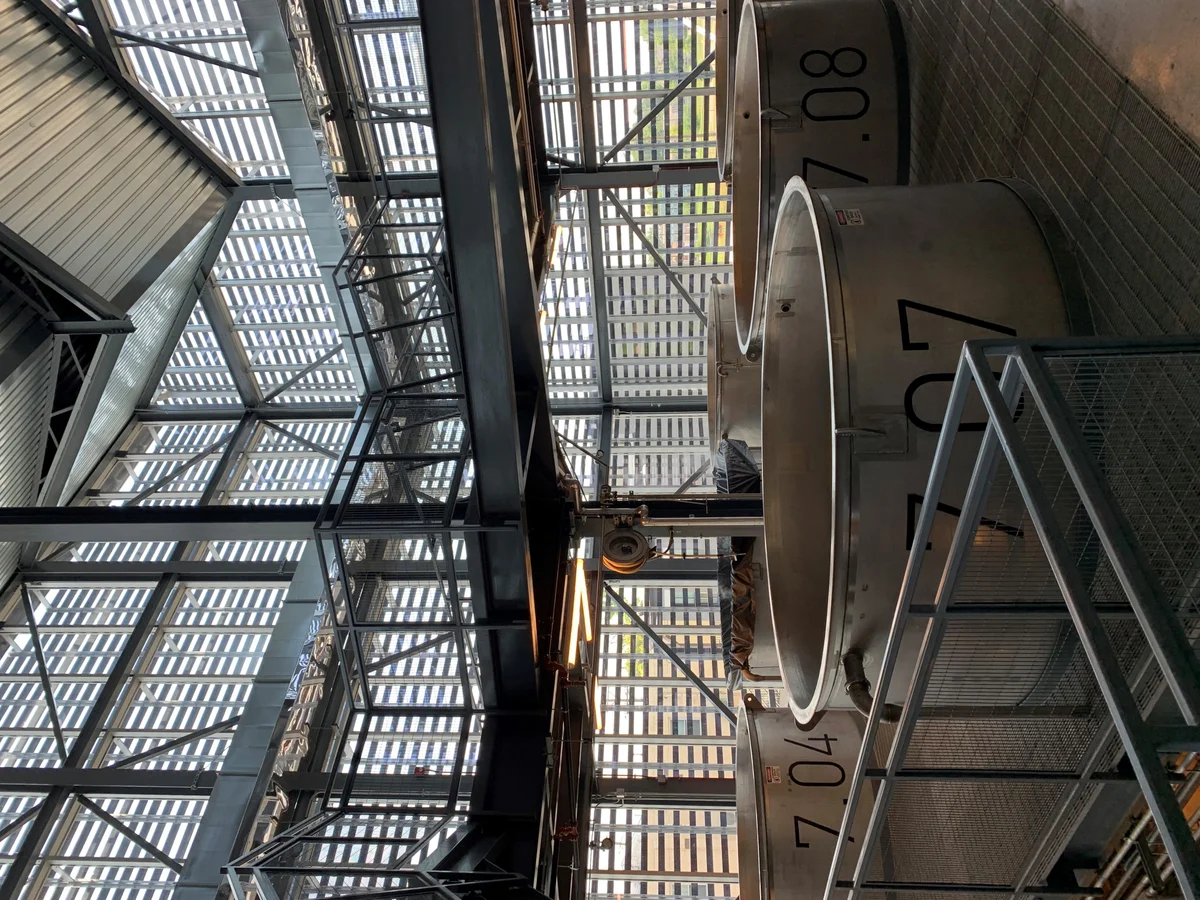
A modern architectural showpiece in NuLu. Floor-to-ceiling windows let you watch bourbon being made while you sip cocktails.
Town Branch Distillery
Lexington
Part of Alltech's Lexington Brewing & Distilling Co. Makes bourbon, rye, and malt whiskey alongside craft beers.
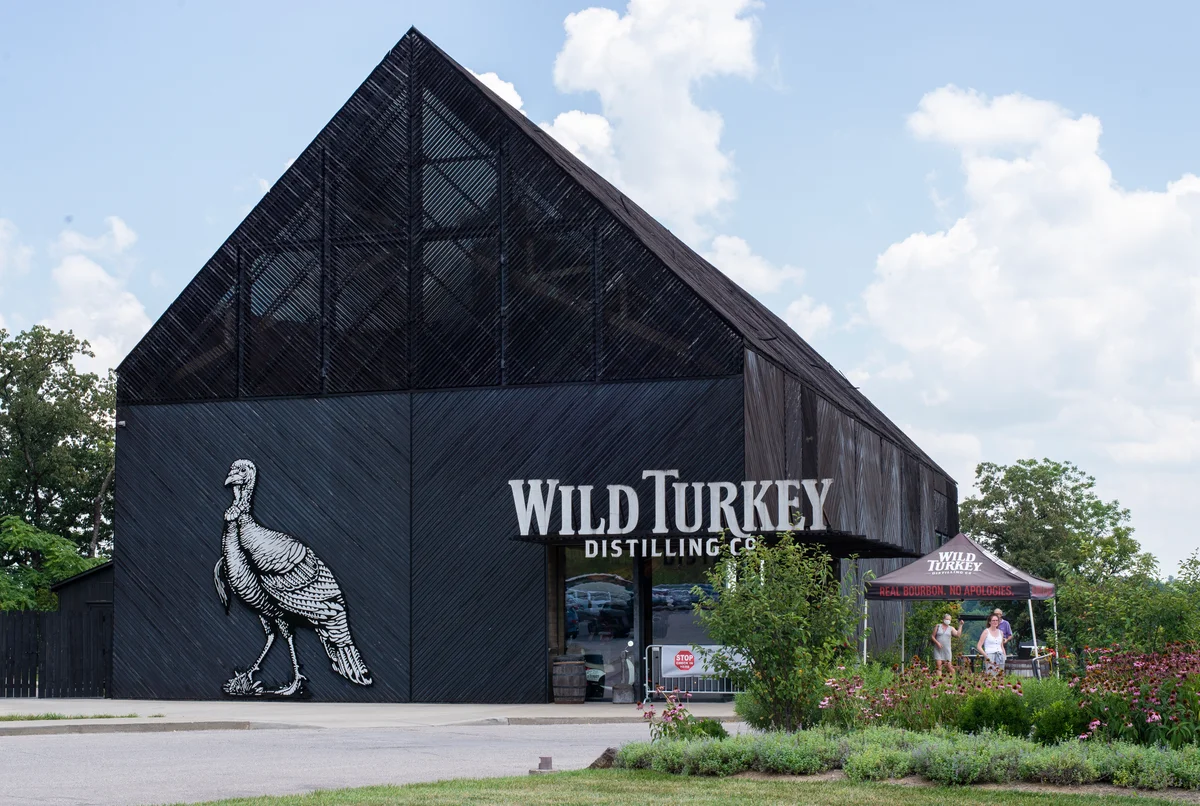
Wild Turkey Distillery
Lawrenceburg
Jimmy Russell has been master distiller here since 1954 — the longest active tenure in bourbon. Home to Russell's Reserve and Rare Breed.
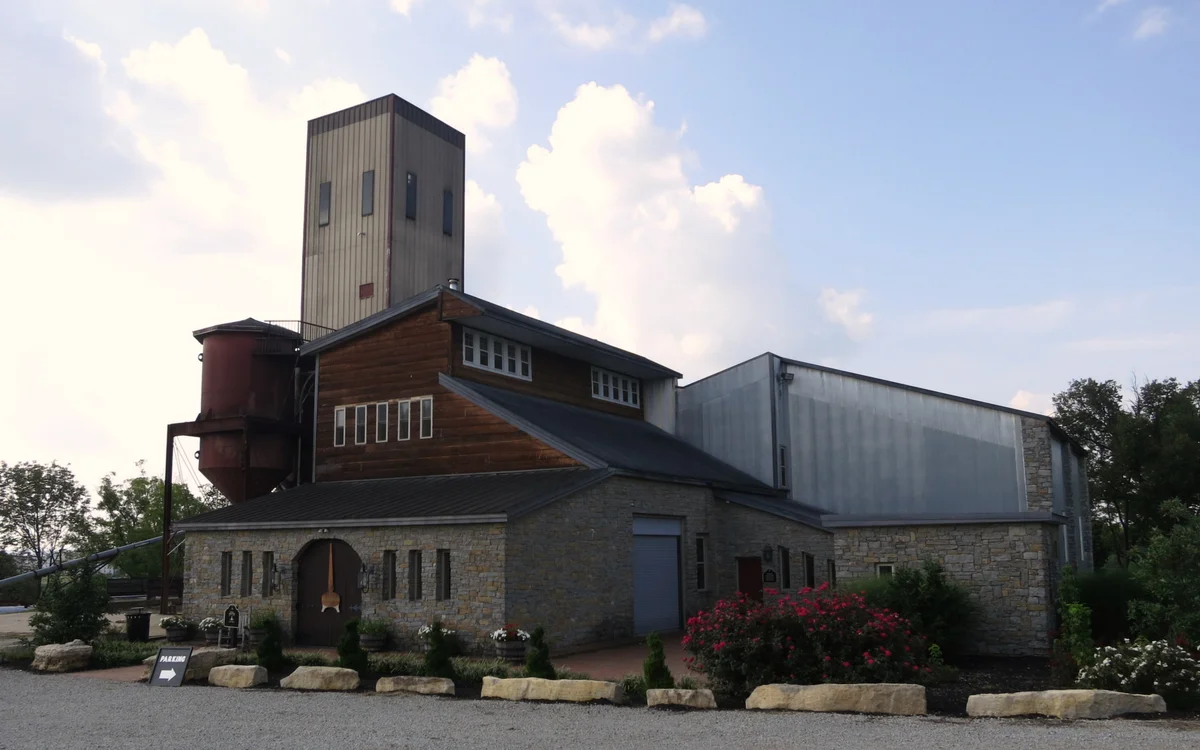
Willett Distillery
Bardstown
A family-owned gem producing small-batch bourbon and rye. Their Family Estate bottlings are legendary. Beautiful hilltop setting.
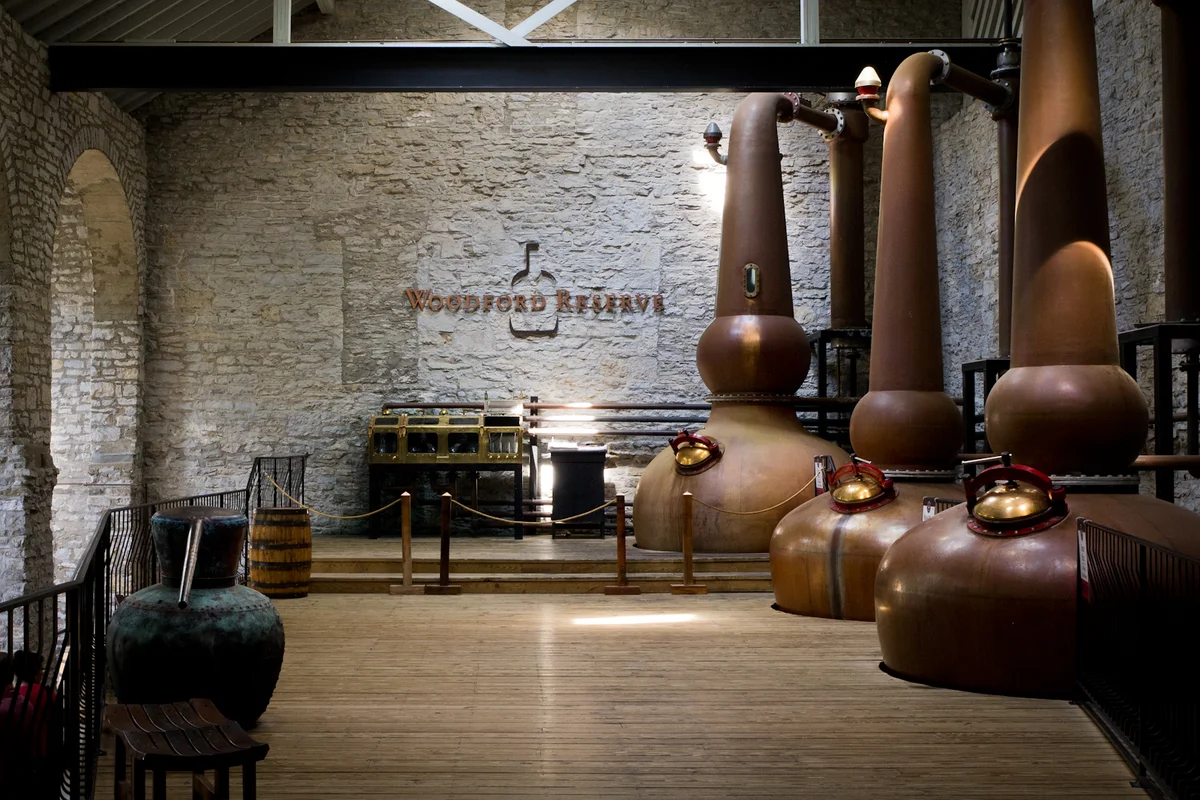
Woodford Reserve Distillery
Versailles
Set in a stunning 1812 stone building on Glenn's Creek. The official bourbon of the Kentucky Derby since 1999.
Photo credits
- Buffalo Trace Distillery: Kaplansa, Public Domain
- Maker's Mark Distillery: William Gus Johnson, HABS / U.S. federal government, Public Domain (US federal work)
- Woodford Reserve Distillery: Ken Thomas, Public Domain
- Wild Turkey Distillery: Smerdis, CC BY-SA 4.0
- Four Roses Distillery: King4120, CC BY-SA 4.0
- Heaven Hill Bourbon Heritage Center: Shadle, CC BY-SA 3.0
- Jim Beam American Stillhouse: Shadle, CC BY-SA 3.0
- Michter's Fort Nelson Distillery: Mx. Granger, CC0 1.0
- Rabbit Hole Distillery: MattBarlow92, CC BY-SA 4.0
- Castle & Key Distillery: Amfrancisco, CC BY-SA 4.0
- Willett Distillery: Nheyob, CC BY-SA 4.0
Three ways to do this trail depending on how much time you have. Switch between them to see what fits and what gets cut.
The weekend trip. Pick a hub (Louisville or Bardstown), hit 4-5 distilleries, drink well, fly home. The fastest credible Kentucky Bourbon Trail experience.
Land in Louisville · Whiskey Row
Fly into SDF mid-morning. Walk Whiskey Row in the afternoon — Angel's Envy + Rabbit Hole + Michter's are all walking distance from each other in downtown Louisville. Dinner at Decca.
Bardstown day trip
Drive 50 min south to Bardstown. Three distilleries in the day — Heaven Hill morning, Willett midday, Bardstown Bourbon afternoon. Lunch at Mammy's Kitchen. Drive back to Louisville for dinner.
Buffalo Trace · Fly out
Drive 60 min east to Frankfort. Free Buffalo Trace tour (book 4+ weeks ahead). Drive back to SDF for evening flight.
Use the Drive Time Matrix above to refine timing if you adjust the route.
Pick a starting distillery; see the time and distance to each of the others. Stops on the same trail page.
| Destination | Distance | Drive Time | Notes |
|---|---|---|---|
Maker's Mark Distillery Loretto | 65 mi | 1h 15m | Long drive south to Loretto. Plan a full day for Maker's. |
Woodford Reserve Distillery Versailles | 28 mi | 35 min | US-60 east through horse country. Beautiful drive. |
Wild Turkey Distillery Lawrenceburg | 22 mi | 30 min | South on US-127 to Lawrenceburg. |
Four Roses Distillery Lawrenceburg | 20 mi | 28 min | Lawrenceburg cluster. |
Heaven Hill Bourbon Heritage Center Bardstown | 50 mi | 1h 0m | South via the Bluegrass Parkway. |
Jim Beam American Stillhouse Clermont | 60 mi | 1h 10m | Clermont, near Louisville. |
Angel's Envy Distillery Louisville | 56 mi | 1h 2m | Louisville Whiskey Row. |
Michter's Fort Nelson Distillery Louisville | 30 mi | 38 min | East to Shively (Louisville). |
Rabbit Hole Distillery Louisville | 56 mi | 1h 2m | West to Louisville's NuLu. |
Castle & Key Distillery Frankfort | 12 mi | 18 min | Just up Glenn's Creek Road. |
Town Branch Distillery Lexington | 22 mi | 28 min | East to Lexington's downtown. |
Lux Row Distillers Bardstown | 50 mi | 1h 0m | Bardstown. |
Bardstown Bourbon Company Bardstown | 50 mi | 1h 0m | Bardstown campus — modern grounds. |
Willett Distillery Bardstown | 50 mi | 1h 0m | Bardstown — the bourbon capital. |
Log Still Distillery Gethsemane | 55 mi | 1h 5m | Gethsemane / Bardstown area. |
Times are rough sober-driving estimates. Add 25-50% during peak commute hours in cities.
Hotels and restaurants by city, picked for proximity to the distilleries on this trail.
Hotel Genevieve
Louisville (NuLu)
Boutique in NuLu — same neighborhood as Rabbit Hole and Angel's Envy.
Galt House Hotel
Louisville (downtown)
Massive river-view classic. Reliable mid-range with good bar.
Bourbon Manor Bed & Breakfast
Bardstown
1830s mansion B&B in the heart of bourbon country.
Hampton Inn Bardstown
Bardstown
Reliable mid-range right in town.
Boutique Inn at Maker's Mark
Loretto
Distillery-adjacent guesthouses on the Maker's Mark estate.
The Manchester
Lexington (Distillery District)
Boutique in the converted Distillery District — restaurants and Town Branch nearby.
Castle & Key Estate
Frankfort (Castle & Key)
Stay on the Castle & Key distillery grounds. Limited rooms; book months ahead.
What to chase at the distillery, what to skip and buy back home, and what's only available on the resale market.
Pappy Van Winkle 23-Year
Buffalo Trace Distillery · Frankfort
MSRP ~$300. Secondary $4000+. Lottery only — practically impossible at retail. The unicorn.
Pappy Van Winkle 15-Year
Buffalo Trace Distillery · Frankfort
Lottery only at retail; secondary $1500+. The most-asked-for bourbon at every Kentucky distillery gift shop.
George T. Stagg (BTAC)
Buffalo Trace Distillery · Frankfort
Annual Buffalo Trace Antique Collection release. Lottery-only at MSRP; secondary $1000+.
William Larue Weller (BTAC)
Buffalo Trace Distillery · Frankfort
Annual BTAC. Wheated bourbon, the wheated bourbon collector's grail.
Sazerac 18 (BTAC)
Buffalo Trace Distillery · Frankfort
Annual BTAC rye. Lottery only. Secondary $800+.
Eagle Rare 10-Year
Buffalo Trace Distillery · Frankfort
Annual production but allocated. Distillery gift shop is the safest source. ~$40 MSRP.
Buffalo Trace Bourbon
Buffalo Trace Distillery · Frankfort
The everyday flagship. Available nationwide.
Maker's Mark Wood Finishing Series (annual)
Maker's Mark Distillery · Loretto
Annual experimental wood-stave finishing release. Distillery has best chance for first 2-3 weeks.
Maker's Mark Cellar Aged
Maker's Mark Distillery · Loretto
Maker's first age-stated bourbon. Limited annual.
Maker's Mark Private Selection (single barrel)
Maker's Mark Distillery · Loretto
Customize your own stave profile during the distillery experience. Distillery-only by design.
Only available at the distillery itself — buy on the trip or you won't get one.
Heaven Hill Heritage Collection 17-Year
Heaven Hill Bourbon Heritage Center · Bardstown
Annual high-aged limited release. Distillery and select retailers.
Parker's Heritage Collection (annual)
Heaven Hill Bourbon Heritage Center · Bardstown
Annual single-release collection in honor of master distiller Parker Beam.
Elijah Craig Barrel Proof
Heaven Hill Bourbon Heritage Center · Bardstown
Three batches/year. Decent distribution; the bourbon-collector entry point.
Wild Turkey Master's Keep (annual)
Wild Turkey Distillery · Lawrenceburg
Annual high-aged release. Distillery has best access.
Russell's Reserve 13-Year
Wild Turkey Distillery · Lawrenceburg
Allocated annual. Distillery gift shop reliable.
Four Roses Limited Edition Small Batch
Four Roses Distillery · Lawrenceburg
Annual fall release. One of the bourbon-collector calendar bottles.
Four Roses Single Barrel Private Selection
Four Roses Distillery · Lawrenceburg
Distillery-exclusive single-barrel pulls. Buy on the trip — won't see them at retail.
Only available at the distillery itself — buy on the trip or you won't get one.
Woodford Reserve Master's Collection (annual)
Woodford Reserve Distillery · Versailles
Annual experimental release. Distillery + select retailers.
Woodford Reserve Distillery Series
Woodford Reserve Distillery · Versailles
Hand-bottled experimental releases. Distillery gift shop only.
Only available at the distillery itself — buy on the trip or you won't get one.
Old Forester Birthday Bourbon
Michter's Fort Nelson Distillery · Louisville
Note: Old Forester operates from the Whiskey Row Brown-Forman flagship; not Michter's. Annual September release. Most sought-after non-Pappy bottle in Kentucky.
Willett Family Estate Single Barrel Rye (15-23yr)
Willett Distillery · Bardstown
High-aged Willett rye. Secondary $1000+. Distillery-only allocations occasional.
Willett Family Estate Bottle Bourbon
Willett Distillery · Bardstown
Single-barrel bourbon picks. Distillery gift shop has the best in-stock chance.
Bardstown Bourbon Discovery Series
Bardstown Bourbon Company · Bardstown
Annual blends; distillery has reliable stock for first month after release.
Angel's Envy Cask Strength (annual)
Angel's Envy Distillery · Louisville
Annual fall release. Louisville distillery has best in-stock window.
Booker's Bourbon (quarterly batch)
Jim Beam American Stillhouse · Clermont
Quarterly small-batch barrel-proof release. Decent distribution.
Knob Creek 18-Year
Jim Beam American Stillhouse · Clermont
Long-aged Knob Creek. Annual release.
What to Pack (and What You'll Forget)
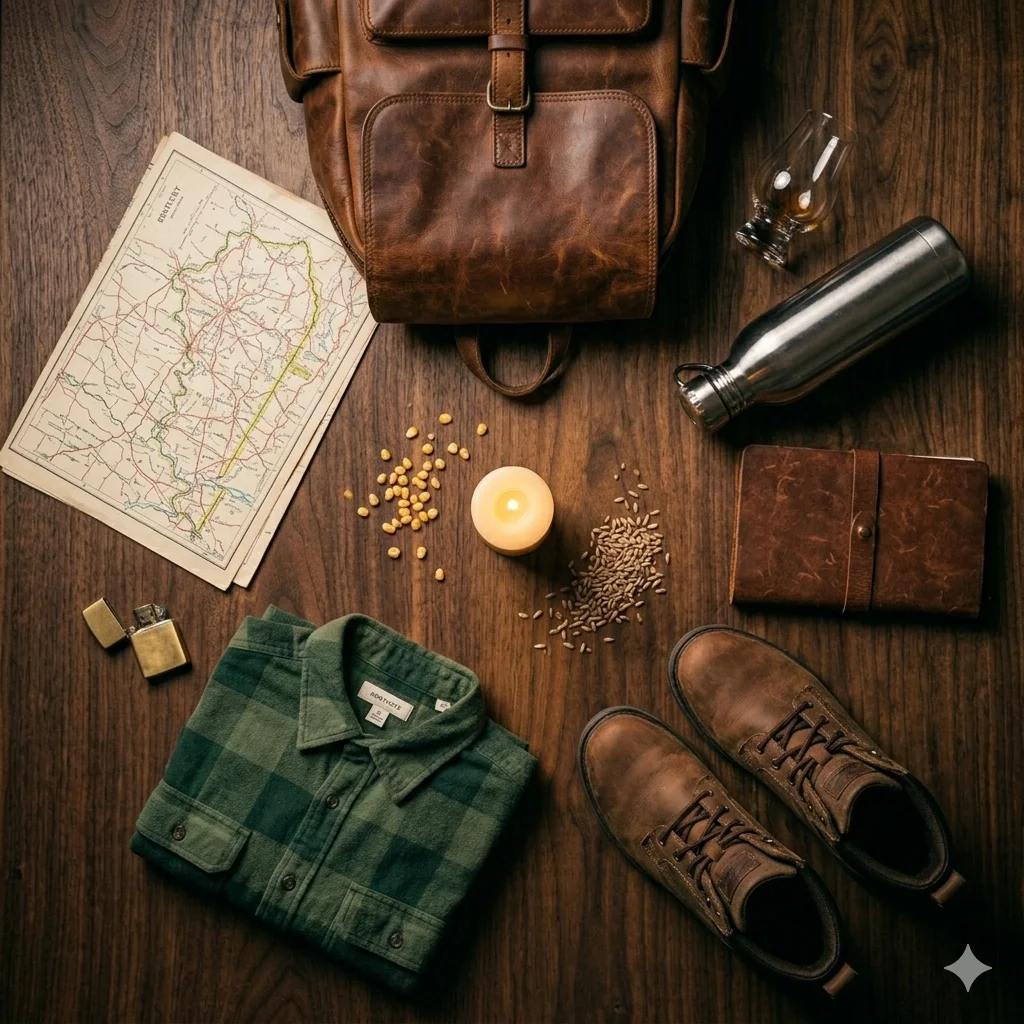
After three trips and too many lessons learned the hard way, we've assembled the definitive packing list for the Bourbon Trail. The items you'll kick yourself for forgetting: a cooler for the car (bottles left in a hot trunk can push corks and leak), comfortable walking shoes with actual tread (distillery floors are wet, rickhouse walkways are uneven, and we watched a man in leather loafers slide into a fermentation tank wall at Four Roses), and a rain jacket you can stuff into a pocket (Kentucky weather is a coin flip wrapped in a dice roll inside a roulette wheel).
Track your packing progress with this interactive checklist — it saves automatically so you can come back to it as you prep:
Documents
Clothing & Gear
Supplies
Planning
Click each row to cycle through not started → researching → booked. Saved in this browser; survives a refresh.
Budgeting Your Trip: The Real Numbers
Every "Bourbon Trail budget guide" we found online was either wildly optimistic ("You can do the whole trail for $500!") or suspiciously vague ("Budget varies depending on preferences"). Neither is useful. So we tracked every dollar across all three of our trips and built this calculator from actual Kentucky pricing.
A few truths most guides won't tell you: the "free" tours at Buffalo Trace aren't really free if you spend $87 in the gift shop (ask us how we know). The budget hotels along I-65 near Bardstown are perfectly adequate but book up months in advance during September's Bourbon Festival. And the biggest variable in your budget isn't lodging or tours — it's bottles. The average visitor buys 3.2 bottles per trip. The average BoozeMakers editor buys something closer to 11.
Adjust the inputs below for your group size, travel duration, and comfort level to see an itemized estimate:
Estimated Budget
When to Go: Timing the Trail
Ask ten bourbon enthusiasts when to visit and you'll get twelve answers. September is the obvious answer — the Kentucky Bourbon Festival in Bardstown transforms the town into a five-day celebration of all things bourbon, with special releases, master distiller tastings, and the kind of festival energy that makes you forget you're standing in a field in central Kentucky. But September is also when every hotel within 40 miles of Bardstown triples its rates, tours book out weeks in advance, and you'll spend as much time in traffic as you will in tasting rooms.
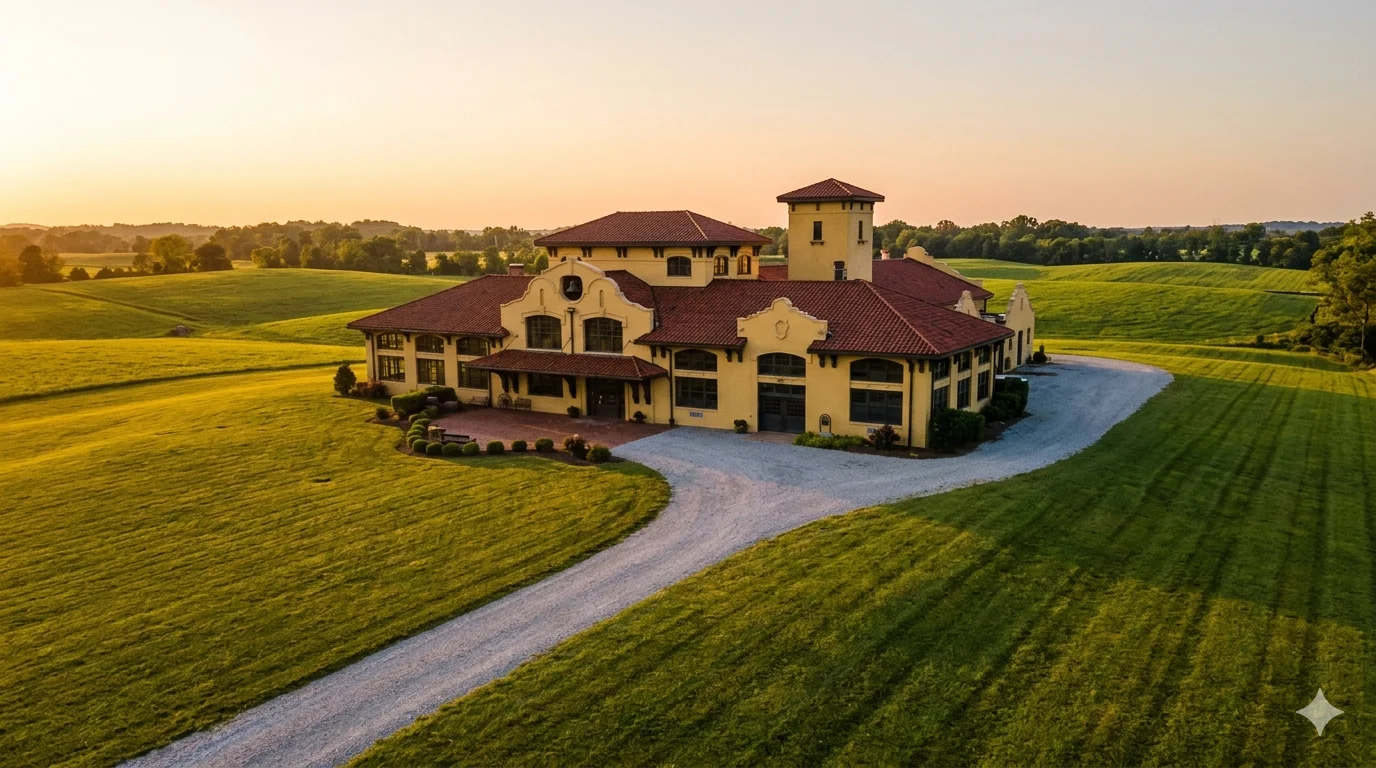
Our sweet spot? Late October. The fall foliage in Kentucky's bluegrass country is genuinely stunning — the approach to Woodford Reserve through horse country with the trees turned gold is one of the most beautiful drives in America. Crowds thin after Bourbon Festival but before the holidays. The weather is crisp and cool, which means rickhouses are comfortable instead of stifling. And distillery gift shops start stocking holiday releases.
For the contrarians: March is the best-kept secret on the trail. Prices are at their annual lowest, reservations are easy, and the distillery staff — freed from the relentless pace of peak season — have time for the kind of deep-cut conversations that turn a good tour into a memorable one. Yes, it might rain. Bring the jacket.
Toggle your priorities below to see which months match your travel style:
Toggle your priorities to see personalized recommendations.
October
May
September
What to order at the bourbon bars between distilleries on the Kentucky Bourbon Trail. Each entry has the recipe, the right time to order it, and the line to give a bartender to get it the way you want.
The Build
- 2 oz bourbon (anything 90+ proof)
- 1 sugar cube (or 1/2 tsp simple syrup)
- 2-3 dashes Angostura bitters
- Orange peel garnish, no fruit muddling
- One large ice cube — never crushed ice
Ask the bartender
"Old Fashioned, please — bourbon-forward, no fruit, large cube."
Bourbon style
High-rye 90-100 proof bourbons (Bulleit, Wild Turkey 101, Knob Creek). The rye spice cuts the sugar and bitters.
The Designated Driver Problem (and How to Solve It)
Let's address the elephant in the rickhouse: you're visiting places that make alcohol, you're going to taste alcohol, and you need to get between those places. The Kentucky State Police are extremely aware of the Bourbon Trail's existence and patrol the corridors accordingly. DUI checkpoints during peak season are not uncommon on US-31E between Bardstown and Louisville.
Your options, ranked by practicality:
1. Rotating designated driver. If your group has 3+ people, rotate who drives each day. Distillery tasting pours are typically 0.25–0.5 oz each, so 3–4 distillery tastings total roughly one standard drink. The DD can still do the tours — they just skip the tasting room at the end. Most distilleries will offer a non-alcoholic alternative or a rain check voucher. This is what we do most often.
2. Hire a driver. Mint Julep Experiences, Bourbon Excursion, and Louisville Bourbon Trail Tours all offer full-day guided tours with transportation. Expect $150–$250 per person for a full-day tour hitting 3–4 distilleries. The upside: they handle logistics, know the back roads, and often have relationships that get you into sold-out tours. The downside: you're on their schedule, not yours.
3. Base yourself in Louisville and use rideshare. Uber and Lyft work well within Louisville for the urban distilleries but become unreliable (and expensive) once you get into rural bourbon country. We waited 35 minutes for a Lyft in Lawrenceburg. Don't rely on this outside city limits.
4. Stay on property. Several distilleries now offer overnight accommodations. Maker's Mark has the Star Hill Provisions cottages. Bardstown Bourbon Company has partnerships with local inns. Castle & Key occasionally offers special events with lodging. If you're splurging, this eliminates the driving question entirely — at least for one night.
Tour Etiquette: The Unwritten Rules
Having watched roughly 1,500 people take bourbon tours alongside us, we can confirm that most visitors are wonderful and a few are... educational. A quick primer on the unspoken code:
Don't wear cologne or perfume. This isn't pretension — strong scents genuinely interfere with nosing bourbon, both for you and the 20 people standing next to you in a small tasting room. We once stood next to a woman at Woodford Reserve who was wearing enough Chanel No. 5 to mask the smell of a 15,000-barrel rickhouse. No one could nose anything for the rest of the session.
Ask questions, but read the room. Tour guides love genuine curiosity. "What's the difference between your mashbill and Buffalo Trace's?" — great question. "Can you explain every step of fermentation in molecular detail?" during a 12-person group tour — maybe save that for after.
Don't bring outside alcohol. This seems obvious but we've seen it. Multiple times. At multiple distilleries. In the parking lot.
Tip your tour guide. Not every distillery allows it, but where they do, $5–$10 per person is appropriate. These guides are walking 5+ miles a day, carrying the weight of your bourbon education on their shoulders, and making about as much as you'd expect someone who works in tourism in rural Kentucky to make.
The gift shop is not a museum. Yes, the bottles behind the counter are special. No, asking to "just hold" a $300 bottle you don't intend to buy doesn't endear you to the staff, especially during a rush.
Eating and Sleeping on the Trail
Bourbon Trail dining has improved dramatically in the past five years. Bardstown alone now has three genuinely good restaurants: Bottle & Bond at Bardstown Bourbon Company (upscale Southern with a bourbon-focused menu), The Old Talbott Tavern (Kentucky's oldest continuously operated restaurant, est. 1779), and Harrison-Smith House (elegant prix fixe in a restored mansion). In Lexington, County Club serves elevated comfort food that pairs superbly with the Brown-Forman portfolio, and Epping's on Eastside does local-sourced farm-to-table that justifies the wait.
For lodging, Bardstown offers the widest range along the trail. The Bourbon Manor B&B puts you within walking distance of downtown and includes a bourbon bar in the parlor. Hampton Inn Bardstown is the safe, reliable choice. For splurge-worthy stays, the new Bardstown Motor Lodge offers boutique-hotel vibes in a retro-modern package at around $200/night. In Louisville, the 21C Museum Hotel downtown is walking distance to Whiskey Row and doubles as a contemporary art museum.
One unconventional recommendation: the Airbnb scene around Versailles and Midway (between Lexington and Frankfort) puts you in the heart of horse country, surrounded by stone fences, rolling pastures, and roads that look like they were filmed for a tourism commercial. Which, to be fair, many of them were.
The Gift Shop Strategy
Every distillery gift shop carries bottles you can find at your local liquor store. They also carry bottles you can't find anywhere else. Knowing which is which will save you both money and trunk space.
Worth buying at the distillery: Gift shop exclusives (Maker's Mark Private Select picks, Four Roses single barrel store picks, Woodford Reserve Master's Collection), barrel-proof or single-barrel selections that aren't distributed to your state, and anything labeled "distillery only" or "gift shop exclusive." These often represent genuinely different juice at reasonable premiums.
Skip at the distillery: Standard expressions you can buy at home (Jim Beam White Label, Wild Turkey 101, Maker's Mark standard), branded merchandise at 3x fair pricing (a $40 Woodford Reserve hat is a $40 Woodford Reserve hat), and anything you're buying purely because you're caught up in the moment. The "gift shop high" is real, and it has claimed many wallets.
The insider move: Ask if they have any "dusty" stock or previous releases. Smaller distilleries sometimes have older bottlings sitting on back shelves that never sold. We found a 2019 Castle & Key Restoration Release at their gift shop in late 2025 — a bottle that secondary market collectors were selling for $200. We paid retail.
Your Itinerary: Our Recommended Route
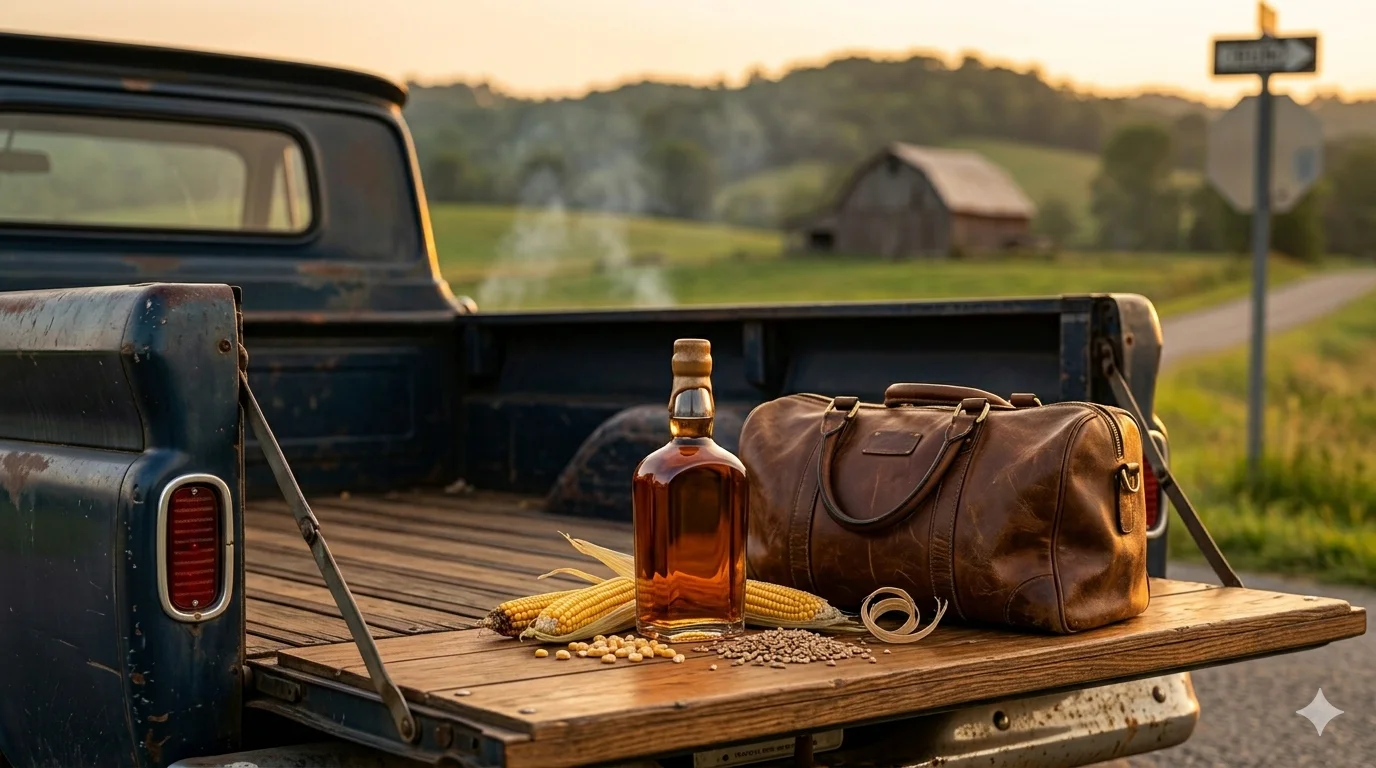
If you have four days — and four days is the minimum we'd recommend for a first-timer — here's how we'd map it:
Day 1: Louisville. Angel's Envy (10 AM), Michter's Fort Nelson (12:30 PM with lunch at the Fort Nelson bar), Evan Williams Bourbon Experience (2:30 PM). Evening: dinner at Proof on Main, drinks at Down One Bourbon Bar. Sleep: 21C Museum Hotel.
Day 2: Frankfort/Versailles. Buffalo Trace Hard Hat Tour (9 AM — book 3+ weeks in advance), Castle & Key (1 PM — take time to explore the grounds), Woodford Reserve (3:30 PM). Evening: dinner in Versailles or Midway. Sleep: Airbnb in horse country.
Day 3: Lawrenceburg/Loretto. Four Roses (9:30 AM), Wild Turkey (12 PM with lunch at Campfire restaurant on-site), Maker's Mark (3 PM — schedule the wax dipping experience). Evening: drive to Bardstown. Dinner at Bottle & Bond. Sleep: Bourbon Manor B&B.
Day 4: Bardstown. Willett (9:30 AM), Heaven Hill Bourbon Heritage Center (12 PM), Bardstown Bourbon Company (2:30 PM — try the Collaborative Series tasting). Afternoon: browse Bardstown's antique shops and bourbon bars. Evening: The Old Talbott Tavern for a farewell dinner.
That's 12 distilleries in four days — an aggressive but manageable pace. If you can stretch to five days, add Jim Beam on Day 3 and the Lexington distilleries (Town Branch, James E. Pepper) on Day 5.
What Nobody Tells You
A few parting observations from 2,100 miles of bourbon country:
Cell service is terrible between distilleries. Download offline Google Maps for the Bardstown, Frankfort, and Lawrenceburg areas before you leave Louisville. GPS is your friend only when it works, and somewhere on the backroad between Four Roses and Wild Turkey, it will stop working.
You will buy more bottles than you planned. Accept this. Budget for it. Bring the bubble wrap. We have never met anyone who returned from the Bourbon Trail with fewer bottles than they intended to buy. The average number of "just one more" bottles per trip? At least two.
The passport program is actually worth doing. It sounds gimmicky — collect stamps, get a t-shirt — but the passport creates a natural structure for the trip and gives you a reason to visit distilleries you might otherwise skip. Some of our best experiences came from "passport completionist" stops at smaller distilleries we'd never have visited otherwise.
Weekday visits are a different experience. The Tuesday morning at Buffalo Trace that opened this story? That's when you get the real magic — small groups, chatty guides, unhurried tastings, and the feeling that you've discovered something rather than joined a procession. If at all possible, overlap your trip with weekdays. Save Saturday for Bardstown's downtown.
The second trip is better than the first. The first trip is about the big names and the passport stamps. The second trip — when you skip the standard tours and book the premium experiences, when you know which back roads to take, when you've built enough knowledge to ask the questions that make a master distiller's eyes light up — that's when the Kentucky Bourbon Trail becomes something you'll remember for the rest of your life.
We'll see you on the trail.
Plan another trip — more trail guides
The Boozemakers Annual · Coming Soon
The bottles to bring back home
The year’s Best 100 bottles — the bottle picks behind every distillery in this guide, scored and price-stamped. Use code HALFOFF for $14.50.
Join the launch waitlistOur Spirits Partner
Stock up before the trip
Cask Cartel ships allocated and hard-to-find bottles nationwide. Worth a look before you fly out — line up the pours you want to taste so you know what’s worth hunting for on the trail (and hauling home in the carry-on).
Shop bottles at Cask Cartel