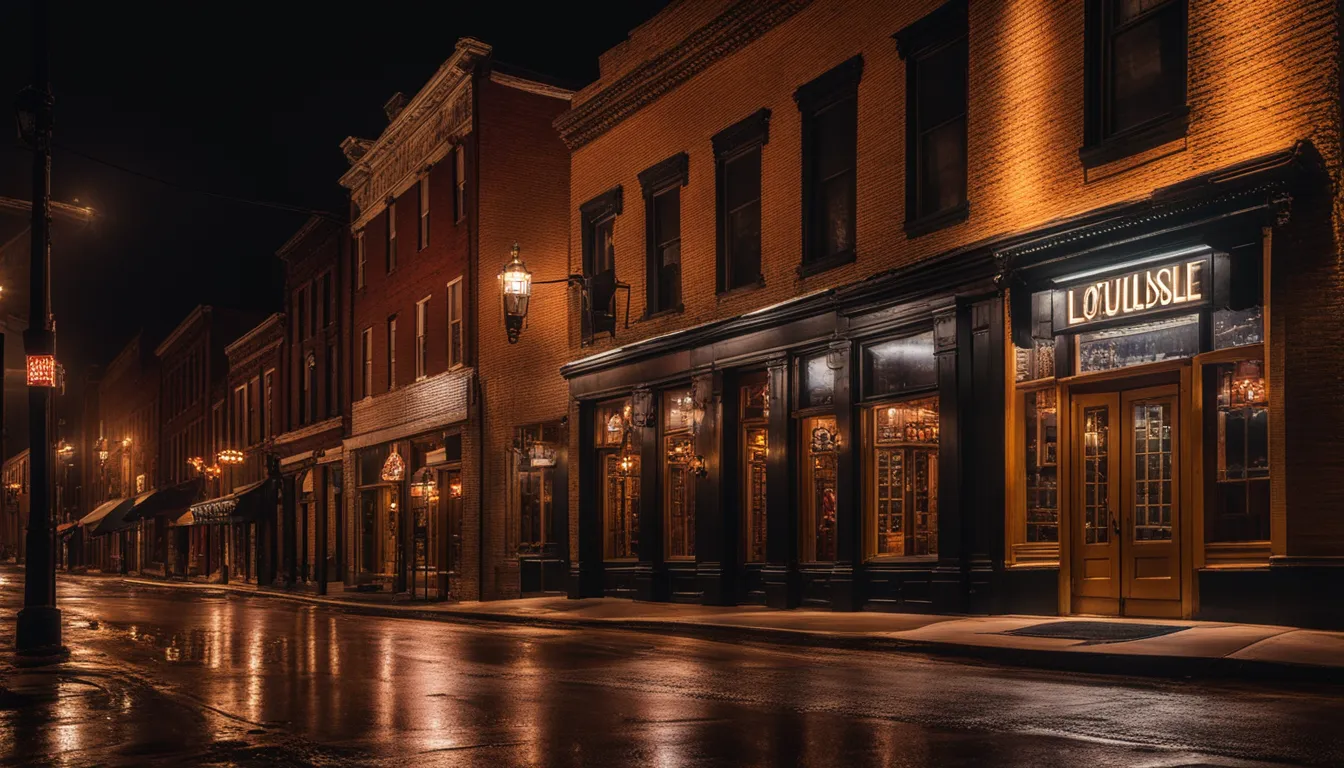
The bartender at The Silver Dollar slides a Pappy Van Winkle 15-year across the zinc bar top with the practiced nonchalance of someone who pours $40 drams before noon. Outside the floor-to-ceiling windows, Fourth Street's foot traffic streams past—tourists clutching passport booklets, locals nursing hangovers with hair-of-the-dog Boulevardiers, a bachelorette party already three stops deep at 11:47 AM on a Saturday. This is Louisville's Urban Bourbon Trail at full throttle: 46 establishments across seven neighborhoods, where you can taste every expression from entry-level Evan Williams to unicorn-grade Willett, all without leaving city limits.
While the Kentucky Bourbon Trail guide sends you careening across central Kentucky's distillery campuses, the Urban Trail keeps you grounded in Louisville's densest concentration of bourbon culture. It's less pilgrimage, more pub crawl with pedigree—a passport program that transforms downtown drinking into a gamified exploration of America's only native spirit.
Understanding the Urban Trail
The Louisville Urban Bourbon Trail launched in 2008 as a tourism initiative by the Louisville Convention & Visitors Bureau, designed to capitalize on bourbon's renaissance without requiring visitors to rent cars and navigate rural backroads. The concept is elegantly simple: partner with bars and restaurants that maintain substantial bourbon inventories (minimum 50+ bottles), issue passport booklets for $5, award completion prizes for stamps collected.
What started with 13 founding members has metastasized into 46+ participating venues as of 2026, spanning neighborhoods from the NuLu arts district to the Highlands' restaurant row. The trail isn't geographically contiguous—you'll hopscotch between downtown's Whiskey Row, the boutique hotels of Museum Row, the gastropubs of Butchertown, the dive-bar authenticity of Germantown. That fragmentation is the point. Louisville bourbon culture isn't confined to a single historic district; it's woven through the city's fabric like the water table feeding the distilleries.
Each participating venue offers at least one "trail-exclusive" cocktail or bourbon flight, typically priced between $12-$18. These range from the gimmicky (bourbon ice cream floats at Doc Crow's) to the genuinely compelling (Proof on Main's barrel-aged Negronis served in vintage glassware). The passport system requires six stamps minimum to qualify for a free t-shirt, but completionists chasing all 46 stamps unlock additional swag: branded Glencairn glasses, limited-edition bottles, VIP distillery tour vouchers.
The economic logic is transparent: bourbon tourists spend an average of $1,200 per visit according to the Kentucky Distillers' Association, and keeping them concentrated in downtown Louisville's walkable core maximizes per-capita spending while minimizing drunk-driving incidents. From the consumer side, the trail offers curated discovery—a vetted list that filters Louisville's 200+ bars down to the establishments genuinely committed to bourbon education rather than just capitalizing on tourist traffic.
Whiskey Row: The Anchor
If the Urban Bourbon Trail has a spiritual center, it's the three-block stretch of Main Street between First and Fourth—Whiskey Row, where 19th-century bourbon wholesalers once operated from cast-iron storefronts before Prohibition shuttered the entire district. By the 1970s, these buildings had devolved into parking lots and abandonments. The bourbon renaissance resuscitated them.
Today, Whiskey Row packs more bourbon per square foot than anywhere outside a distillery warehouse. Start at The Silver Dollar (1761 Frankfort Ave—technically not on Main, but spiritually aligned), where 150+ bottles line backlit shelves and the bartenders can discourse on mash bills with academic precision. Their "$100 Pour" menu features allocated bottles like William Larue Weller and George T. Stagg at eye-watering prices, but the real value lies in the $8-12 mid-shelf pours: Four Roses Single Barrel, Elijah Craig Barrel Proof, Wild Turkey Rare Breed.
Merle's Whiskey Kitchen (133 W Main St) occupies the former Keller's drug store building, a 1895 Romanesque Revival stunner with 14-foot ceilings and original tin tiles. Merle's distinguishes itself through vertical tastings—flights structured around single distilleries at different age statements. Their Old Forester progression (Birthday Bourbon, 1920 Prohibition Style, Statesman) contextualizes how barrel entry proof and warehouse location transform the same mash bill.
Down the block, Sidebar at Whiskey Row (720 W Main St) takes a maximalist approach: 350+ bottles organized by flavor profile rather than distillery, with a digital menu system that filters by proof, price, and taste descriptors. Their "Unicorn Board" lists current rarities—the night we visited, it included Michter's 25-Year, Parker's Heritage Collection Promise of Hope, and a $175 pour of 1990s Stitzel-Weller wheated bourbon.
Doc Crow's Southern Smokehouse & Raw Bar (127 W Main St) bridges bourbon and barbecue, the platonic ideal of Kentucky synergy. The bourbon list exceeds 170 labels, heavy on Jim Beam family products (Knob Creek, Booker's, Baker's) alongside competitive pricing on Buffalo Trace products. Doc Crow's occupies the historic Meyer-Sauer building, where bourbon was literally bottled in the basement a century ago—the exposed brick walls still bear stenciled labels.
The concentrated density of Whiskey Row creates a gravitational pull. You can easily spend an entire day within these three blocks, transitioning from lunch pours to afternoon flights to evening cocktails without retracing your steps. The danger, of course, is that fixating on Whiskey Row means missing the diversity elsewhere on the trail.
The Neighborhoods Beyond Whiskey Row
NuLu (East Market District) offers the trail's most design-forward venues. Garage Bar (700 E Market St) operates from a converted 1930s service station, with garage doors that roll up in warm weather and a beer garden built from shipping containers. Their bourbon list skews craft distilleries—Wilderness Trail, Rabbit Hole, Bardstown Bourbon Company—alongside a deep Kentucky beer selection. The aesthetic is Instagram-optimized industrial chic, but the bartenders know their stuff.
Sidebar at NuLu (1201 Story Ave) shares DNA with its Whiskey Row sibling but cultivates a neighborhood vibe rather than tourist-trap energy. Locals dominate the bar rail on weeknights, debating barrel picks and sipping Weller Special Reserve that never lasts long enough to hit the main Whiskey Row location. The patio offers Louisville skyline views at sunset—prime real estate during Derby week when downtown hotels hit $800/night and overflow guests colonize NuLu's boutique properties.
The Highlands neighborhood (Bardstown Road corridor) provides the trail's most eclectic mix. Jack Fry's (1007 Bardstown Rd) has operated since 1933, surviving Prohibition as a "soft drink parlor" before pivoting to fine dining. The bar program emphasizes classic cocktails—Old Fashioneds made with Demerara syrup and Angostura bitters, Manhattans stirred for exactly 37 seconds—alongside a bourbon list heavy on vintage dusties acquired from estate sales.
Proof on Main (702 W Main St) anchors the 21c Museum Hotel, where contemporary art installations share space with a bourbon program curated by a master sommelier. This is the trail's most pretentious stop in the best sense—servers can explain the difference between traditional sour mash and sweet mash fermentation, and the cocktail menu rotates seasonally to feature Kentucky-produced spirits beyond bourbon (apple brandy from Copper & Kings, gin from Old 502).
Butchertown and Germantown offer grit. Butchertown Grocery (1076 E Washington St) pairs bourbon with elevated Southern plates—buttermilk fried quail, pork belly confit, she-crab soup—in a shotgun house converted to white-tablecloth dining. Against the Grain Brewery (401 E Main St) operates from a former railway warehouse, offering bourbon barrel-aged beers alongside straight pours. The juxtaposition—$150 bottles of Pappy served with $6 burgers at communal picnic tables—captures Louisville's anti-elitist ethos.
Distillery Directory(16 of 16)
Angel's Envy Distillery
Whiskey Row
A stunning urban distillery in Louisville's historic Whiskey Row. Known for port barrel-finished bourbon and a world-class rooftop bar with Ohio River views.
Bourbon's Bistro
Highlands
An upscale restaurant and bourbon bar with 130+ bourbons and French-influenced Southern cuisine. Known for bourbon pairings and a sophisticated dining experience.
Doc Crow's Southern Smokehouse & Raw Bar
Whiskey Row
A bourbon bar and smokehouse on Main Street with 130+ bourbons, Kentucky BBQ, and a rooftop patio. A hearty, crowd-pleasing stop on the Urban Trail.
Down One Bourbon Bar
Whiskey Row
A speakeasy-style bourbon bar beneath the Marriott Downtown. Over 300 whiskeys in an intimate basement setting that evokes Prohibition-era Louisville.
Evan Williams Bourbon Experience
Whiskey Row
An immersive journey through bourbon history on Whiskey Row. Named for Kentucky's first distiller, the experience includes a recreated 18th-century distillery and artisan tasting.
Haymarket Whiskey Bar
Downtown
An intimate whiskey bar with 200+ bourbons and a focus on rare pours. Located in the historic Whiskey Row district with a Victorian-era aesthetic.
Hell or High Water
NuLu
An upscale cocktail lounge in NuLu specializing in bourbon cocktails and rare pours. Dark, moody ambiance with expert bartenders and a curated selection.
Holy Grale
Highlands
A bourbon and craft beer bar set in a converted 1920s church. Stained glass, pews, and over 100 bourbons create a unique, reverent drinking experience.
Jockey Silks Bourbon Bar
Downtown
The Galt House Hotel's signature bourbon bar featuring 90+ bourbons and stunning views of the Ohio River. A refined setting with racing memorabilia and Derby history.
Kentucky Peerless Distilling Co.
Whiskey Row
A family legacy reborn after 102 years. The Taylor family returned to bourbon-making in 2015 with sweet mash bourbon and rye in a restored industrial building.
Merle's Whiskey Kitchen
Highlands
A neighborhood bourbon bar with Southern comfort food and 150+ whiskeys. Known for creative cocktails, bourbon flights, and a laid-back Highlands vibe.
Michter's Fort Nelson Distillery
Whiskey Row
A beautifully restored 19th-century building showcasing Michter's meticulous production methods. The Fort Nelson Bar serves craft cocktails in a historic setting.
Old Forester Distilling Co.
Whiskey Row
America's first bottled bourbon, returned to its birthplace on Main Street. Five floors of bourbon history, production, and tasting rooms in a beautifully restored building.
Proof on Main
Downtown
The bourbon bar at 21c Museum Hotel with over 100 bourbons. A cornerstone of the Urban Bourbon Trail, pairing art, food, and world-class whiskey in a gallery setting.
Rabbit Hole Distillery
NuLu
A striking glass-and-steel architectural showpiece in the heart of NuLu. Watch bourbon being made through floor-to-ceiling windows while enjoying cocktails in the lounge.
The Silver Dollar
Frankfort Avenue
A hip bourbon bar and restaurant on Frankfort Avenue with 120+ bourbons, craft cocktails, and creative Southern fare. A local favorite off the main tourist path.
The Passport and How to Use It
The physical passport costs $5 at any participating venue or free via digital download through the Louisville Tourism app. Each venue stamps or initials your booklet when you purchase a trail-specific item—usually marked with a bourbon icon on menus. Six stamps qualify you for a t-shirt (redeemable at the Louisville Visitors Center, 301 S 4th St, Mon-Sat 9am-5pm). Twelve stamps upgrade you to a branded Glencairn glass. Complete all 46+ venues and you enter raffle territory: distillery tours, VIP tastings, limited-edition bottles.
Strategic passport completion requires logistical planning. The venues cluster in walkable nodes—Whiskey Row (8 locations), NuLu (4 locations), Museum Row (3 locations), Highlands (6 locations)—but outliers like Rivue Restaurant & Lounge (3720 Grandview Ave, Galt House Hotel) sit isolated. Completionists must choose: consolidate stops into neighborhood blitzes or scatter-shot across the city, accepting that you'll Uber between distant venues.
The trail-specific items vary wildly in value. Some venues offer $8 flights of three half-ounce pours (excellent bang-for-buck when building stamps). Others require full cocktail purchases at $14-18 (less efficient for passport hunters on budgets). A few establishments—notably Bourbons Bistro (2255 Frankfort Ave) with its 140+ bourbon list—offer complimentary stamps with any bourbon purchase, no minimum spend.
Timing matters. Venues set their own hours, and several close Mondays or operate limited Sunday hours. Jack Fry's doesn't open until 5pm most days. Garage Bar closes Tuesdays. Chase all 46 stamps and you'll need at least three days in Louisville, four if you're pacing yourself responsibly. The passport never expires—we've encountered collectors returning annually to chip away at the full list across multiple visits.
One underappreciated hack: many trail venues operate multiple locations. Sidebar has outposts at Whiskey Row and NuLu. Parlour has locations downtown (Fourth Street) and in Norton Commons. Same ownership, different menus, separate stamps. This redundancy inflates the completion count but streamlines discovery—if you vibe with one venue's bourbon program, you can predict quality at sister locations.
The Bars & Distilleries
While the Urban Bourbon Trail primarily celebrates bars and restaurants, four operating distilleries sit within Louisville city limits and maintain trail partnerships:
Evan Williams Bourbon Experience (528 W Main St, Whiskey Row) offers micro-distillery tours showcasing Heaven Hill's heritage brand. The $18 general admission includes a tasting flight and access to the rooftop terrace, where you can sample limited releases while overlooking the Ohio River. The tour itself runs 60-75 minutes, less immersive than rural distillery campuses but exponentially more convenient when you're already downtown.
Peerless Distilling Co. (120 N 10th St) resurrected a pre-Prohibition brand, operating from a 115,000-square-foot facility designed for architectural drama—soaring ceilings, copper stills visible from the street-level windows, a mezzanine bar serving Peerless bourbon and rye alongside craft cocktails. The standard tour ($15, 90 minutes) emphasizes sweet mash fermentation and low-barrel-entry proof, technical details that bourbon geeks appreciate.
Angel's Envy Distillery (500 E Main St) occupies the former Phelps Bottling Works building, a 1880s landmark renovated with $27 million in preservation-minded upgrades. The brand's port-barrel finishing process—atypical in Kentucky—yields a sweeter, more accessible bourbon that appeals to brown-spirits novices. Tours ($25, 75 minutes) culminate in a finished-bourbon flight paired with dark chocolate.
Old Forester Distilling Co. (119 W Main St, Whiskey Row) anchors the Brown-Forman empire, the only distillery on Whiskey Row itself. The $20 "Signature Tour" traces Old Forester's history as America's first bottled bourbon (1870) and includes access to the tasting room, where barrel-strength single-barrel selections often sell out within hours of release.
These distillery stops count toward passport completion, but the tours themselves operate on reservation systems separate from walk-in bar visits. Book ahead, especially during peak season (April-November) when tours sell out days in advance.
What to Pack for Urban Bar-Hopping
Unlike the rural Kentucky Bourbon Trail, the Urban Trail demands minimal specialized gear. Comfortable walking shoes—not hiking boots—top the essentials list. You'll log 12,000-15,000 steps per day hopscotching between venues, mostly on sidewalks and cobblestone streets rather than distillery grounds. Weatherproof footwear matters during Louisville's rainy season (March-May), when sudden downpours transform Fourth Street into a gauntlet.
A crossbody bag or small backpack accommodates your passport booklet, phone, portable charger, and the swag that accumulates (coasters, business cards, miniature bottles gifted by friendly bartenders). Avoid large purses or messenger bags—crowded bars at happy hour turn bulky luggage into liabilities.
Layering clothing proves essential year-round. Air-conditioned bars in August can chill you after walking through 95°F humidity. Heated patios in January swing 30-40 degrees warmer than sidewalks. A light jacket or cardigan bridges the transitions.
The passport itself measures 4x6 inches, pocket-sized but easily misplaced after your fifth bar. Photograph each stamped page as backup documentation—the Visitors Center accepts digital proof if you lose the physical booklet. Some trail veterans laminate their passports or store them in waterproof pouches, insurance against spilled Old Fashioneds.
Water bottles seem obvious but bear repeating. Bourbon's 40-50% ABV dehydrates aggressively, and Louisville's urban heat island effect (average summer temperatures 3-5°F higher than surrounding suburbs) compounds the risk. Most trail venues offer free water, but carrying a 16-ounce bottle ensures you maintain 1:1 water-to-bourbon ratios between stops.
Skip the tasting journal unless you're genuinely committed to note-taking. The Urban Trail's pace—six to eight venues per day for committed passport hunters—doesn't accommodate thoughtful reflection. Snap photos of menus, jot shorthand notes in your phone, then consolidate observations back at your hotel.
Documents
Clothing
Supplies
Planning
Budgeting Your Urban Trail
The Louisville Urban Bourbon Trail spans a wider price spectrum than rural distillery tours, where admission costs and tasting room prices follow predictable patterns. Urban venues range from dives pouring $6 well bourbon to hotel bars charging $50+ for allocated bottles.
Baseline budget for a single day hitting six venues (the minimum for t-shirt qualification): $120-180 in bourbon purchases, assuming $15-25 per stop for either a flight or a specialty cocktail. This excludes food, transportation, lodging, or any bottles purchased for home consumption.
Extend that across three days chasing all 46 stamps, and costs escalate quickly. Figure $400-600 in bourbon spending alone, plus $200-300 for meals (bar snacks, lunch, dinner), $100-150 for rideshares or Uber between outlier venues, $15-20 for the passport and first t-shirt. Total: $715-1,070 before lodging.
Accommodations add $150-400/night depending on timing and location. Budget chains near the airport (Courtyard Louisville Airport, Fairfield Inn) start around $110/night. Downtown properties within walking distance of Whiskey Row (Aloft Louisville Downtown, Residence Inn by Marriott) run $180-250/night off-season, $300-500 during Derby (first Saturday in May) or Bourbon & Beyond festival (late September).
Cost-saving strategies: share flights (most venues serve 2-3 ounce pours designed for two people), visit during happy hours when pours drop 20-30%, skip the allocated bottles in favor of excellent mid-shelf pours (Four Roses Single Barrel, Wild Turkey 101, Old Forester 1920). The bourbon quality gap between $12 and $40 pours narrows dramatically—you're paying for scarcity, not necessarily superior liquid.
Some venues offer better value propositions than others. The Old Seelbach Bar (Seelbach Hilton, 500 S 4th St) charges luxury-hotel prices ($18-22 cocktails) but serves them in a Gilded Age ballroom with hand-painted murals. The Nachbar (969 Charles St, Germantown) pours generously in a low-key neighborhood tavern where regulars play euchre and nobody wears anything dressier than flannel. Both count equally toward passport completion, but the experiences—and price points—diverge wildly.
Bottle purchases tempt at every stop. Venue-exclusive single barrels (common at Justine's, The Wine Rack, Holy Grale) typically run $50-80 for 750ml, premium over standard retail but offering bourbon you can't find elsewhere. Set a bottle budget before departure or accept that you'll ship home a case via FedEx ($80-120 for 12 bottles to most states).
Estimated Budget
When to Visit
Louisville's peak bourbon season aligns with Kentucky's dual spring festivals—Derby (first Saturday in May) and Kentucky Bourbon Festival (third week of September in Bardstown, 45 minutes south). These windows offer the most programming—pop-up tastings, distillery anniversary celebrations, bartender competitions—but also the highest prices and densest crowds.
Derby week transforms Louisville into a bourbon-fueled circus. Hotel rates triple, restaurants require reservations weeks in advance, and the Urban Trail venues pack shoulder-to-shoulder from noon until last call. If you've never experienced Derby's pageantry—the hats, the horses, the $15 mint juleps in souvenir glasses—the chaos justifies the premium. If you're focused on bourbon education rather than spectacle, avoid the first week of May entirely.
September through November offers the sweet spot: mild temperatures (60s-70s), fall colors emerging in Cherokee Park, and post-harvest distillery activity (many rickhouses barrel new whiskey in autumn). The Bourbon & Beyond festival (late September) brings music headliners and master distiller panels but doesn't paralyze the city like Derby.
Winter (December-February) slows to a crawl. Frigid temperatures (average January high: 42°F) make outdoor bar-hopping miserable, and some venues reduce hours or close Sundays-Mondays. The upside: empty bars, chatty bartenders with time to geek out about mash bills, and hotel rates bottoming at $120-150/night downtown.
Spring (March-April) carries rain risk—Louisville averages 4.5 inches of precipitation in April alone—but mild weather (60s) and blooming magnolias create postcard conditions. Book at least six weeks ahead; March Madness (NCAA basketball tournament) fills hotels when the University of Louisville or University of Kentucky advance deep into brackets.
Summer (June-August) brings heat and humidity (July averages 88°F with 70% humidity) but also Forecastle Festival (late July, waterfront music festival) and distillery barrel picks (many venues select single barrels in summer for fall release). Afternoon thunderstorms offer natural breaks—duck into air-conditioned bars, order a flight, wait out the deluge.
Avoid major convention weeks (check Louisville Convention Center schedule) when 10,000+ attendees mob downtown restaurants. The National Farm Machinery Show (February), North American International Livestock Exposition (November), and various medical conferences consume inventory and inflates prices at trail venues.
Toggle your priorities to see personalized recommendations.
October
May
September
The Food Scene
Bourbon and food pairing remains underutilized on the Urban Trail, but several venues treat gastronomy as seriously as their barrel picks. 610 Magnolia (610 W Magnolia Ave, Old Louisville) offers a seven-course chef's tasting menu with optional bourbon pairings ($45 supplement)—dishes like smoked quail with bourbon-soaked cherries, pork belly with bourbon-caramelized onions, chocolate bourbon pecan pie. Chef Edward Lee's New Southern approach bridges Korean heritage with Kentucky ingredients, yielding the trail's most adventurous culinary experience.
Lilly's Bistro (1147 Bardstown Rd) pioneered Louisville's farm-to-table movement in 1988, sourcing from regional producers and crafting seasonal menus around Kentucky terroir. The bourbon list (90+ bottles) skews vintage—owner Kathy Cary maintains relationships with collectors, regularly landing dusty bottles of 1980s Old Fitzgerald and pre-fire Heaven Hill. Entrees run $28-42, but the $18 three-course lunch remains the city's best value.
Doc Crow's does bourbon-and-barbecue at scale: brisket smoked for 14 hours over hickory, bourbon-glazed ribs, hot browns (Louisville's signature open-faced turkey sandwich) elevated with bourbon cream sauce. The pairing logic is unapologetically low-brow—high-proof bourbon cuts through smoke and fat—but it works. Order the $65 "Pitmaster's Feast" (serves 2-3) and a bottle of Booker's, spend two hours working through both.
Varanese (2106 Frankfort Ave) offers Italian-American fine dining with a 170-bottle bourbon program organized by flavor profile. Bourbon-cream pasta sauces, bourbon-flambéed steaks, bourbon tiramisu for dessert—the kitchen incorporates Kentucky's spirit more thoroughly than any trail venue. The wine director (certified bourbon steward) offers tableside consultations, matching pours to dishes with sommelier precision.
For casual grazing between bars, hit Feast BBQ (1001 E Jefferson St, Butchertown) for $8 pulled pork sandwiches and bourbon flights, or Against the Grain Brewery for smash burgers and bourbon barrel-aged stouts. Louisville's food hall scene—Marble & Rye (4th Street Live), Butchertown Market (1201 Story Ave)—offers vendor variety within single locations, ideal when travel groups splinter over dining preferences.
Don't overlook hotel restaurants. Proof on Main (21c Museum Hotel) serves elevated comfort food (duck fat fries, bone marrow, wood-fired pizzas) in a gallery space exhibiting rotating contemporary art. The juxtaposition—Jeff Koons prints, $16 Boulevardiers, truffle mac and cheese—captures Louisville's quirky high-low aesthetic.
Getting Around
The Urban Trail's walkability varies by neighborhood. Downtown's Whiskey Row, Museum Row, and Fourth Street corridor pack 15+ venues within a 0.8-mile radius—totally navigable on foot. The Highlands stretch along Bardstown Road for 2+ miles, requiring either a car, rideshare, or TARC bus (Route 17, $1.75 fare).
Louisville's public transit (TARC) operates limited routes and infrequent schedules (30-60 minute headways on most lines). Buses stop running around 11pm on weekdays, earlier on Sundays. For serious trail completion, public transit functions as backup, not primary transportation.
Rideshares (Uber, Lyft) dominate. Downtown to Highlands runs $12-18 depending on surge pricing. Downtown to airport (6 miles south) costs $20-28. Budget $40-60/day in rideshare fees if you're bouncing between non-contiguous neighborhoods. Surge pricing spikes during evening rush (5-7pm) and weekend nights (10pm-2am)—factor 1.5x-2x standard rates during peak hours.
Rental cars offer flexibility but introduce drunk-driving liability. If you're staying downtown at a Whiskey Row hotel and confining exploration to walkable venues, skip the rental entirely. If you're combining the Urban Trail with rural distillery visits (Woodford Reserve, Four Roses, Wild Turkey—all 60-90 minutes east), rent a car but designate a sober driver or hire a tour operator.
Bourbon tourism companies (Mint Julep Experiences, Kentucky Bourbon Tours, Barrel Run Touring Co.) offer Urban Trail packages: 4-6 hour guided tours hitting 3-5 venues with transportation, typically $125-180 per person including one drink per stop. These make economic sense for solo travelers or groups avoiding designated-driver dilemmas, though you sacrifice spontaneity and pace control.
Bike rentals through LouVelo (Louisville's bikeshare program) cost $5/30-minute trip or $15/day pass. Stations cluster downtown and along the Bardstown Road corridor. Biking between bars after three bourbons qualifies as inadvisable, but the system works for daytime reconnaissance—scout venues during lunch, return on foot in evening.
Parking downtown costs $12-20/day in commercial lots, $2-4/hour at metered street spaces (enforced Mon-Sat 9am-6pm). Most hotels charge $25-35/night valet or self-parking. If you're car-dependent, the math favors rideshares: three Uber trips per day ($30-45 total) versus $25 parking + $0.67/mile IRS rate.
Our Recommended 3-Day Itinerary
Day 1: Whiskey Row Immersion
Check into downtown accommodations by 2pm. Walk Whiskey Row (Main Street between 1st-4th), familiarizing yourself with venue clustering. Start at Evan Williams Bourbon Experience (3pm tour, $18). Emerge around 4:30pm, walk to Old Forester Distilling Co. for a 5pm tasting room flight ($12 for three pours). Dinner at Doc Crow's (6:30pm reservation, barbecue and a bottle of Booker's). Evening progression: Merle's Whiskey Kitchen for an Old Forester vertical tasting (8pm), The Silver Dollar for a nightcap pour of Four Roses Single Barrel (9:30pm). Five passport stamps, 8,000 steps, moderate alcohol intake.
Day 2: Neighborhoods & Distilleries
Sleep in. Brunch at Garage Bar (NuLu, 11am—bourbon-barrel-aged maple syrup on pancakes). Walk to Peerless Distilling for noon tour ($15). Post-tour, hit Sidebar at NuLu for a flight and your fourth stamp (2pm). Uber to Angel's Envy Distillery (3pm tour, $25). Late afternoon: walk Fourth Street's Museum Row, stopping at Proof on Main (5pm, barrel-aged Negroni and oysters). Dinner in Butchertown at Butchertown Grocery (7pm reservation). Evening: Uber to Highlands for Jack Fry's (9pm, classic Old Fashioned). Nightcap at The Wine Rack (10pm, venue-exclusive single barrel). Eight additional stamps, 10,000 steps, full-day logistics.
Day 3: Deep Cuts & Completion
Target outlier venues. Uber to Bourbons Bistro (Clifton, 11am brunch—bourbon flights with fried chicken). Afternoon: methodically hit Highlands concentration—Parlour, Holy Grale, The Post, Shady Lane Cafe (2-6pm, one drink per stop, accumulate stamps). Early dinner at 610 Magnolia (6:30pm reservation, chef's tasting with bourbon pairings). Evening return to Whiskey Row for final stamps: The Old Seelbach Bar (9pm, Gatsby-era ambiance), Down One Bourbon Bar & Restaurant (10pm, last stamp). Celebrate completion with a splurge pour—Pappy 15, William Larue Weller, whatever unicorn justified this three-day marathon. Uber back to hotel, collapse. Total stamps: 20+, enough for Glencairn glass qualification and serious raffle entry odds.
Pro Tips
Hydrate aggressively. The Urban Trail's pace—six to eight venues per day for committed completionists—demands water discipline. Order a glass with every bourbon, finish it before moving to the next stop. Dehydration ambushes quickly in Louisville's summer humidity, and hangovers obliterate Day 2 momentum.
Start early, pace slowly. Venues open as early as 11am (lunch service), allowing you to collect stamps during daylight hours when your palate remains sharp and crowds thin. Front-loading stamps leaves evenings free for leisurely dining rather than frantic bar-hopping.
Befriend bartenders. Ask about venue-exclusive single barrels, upcoming releases, or off-menu pours from the locked cabinet. Louisville bartenders skew generous with regulars and engaged tourists—mention you're trail-chasing, and they'll often recommend optimal next stops based on your taste preferences.
Photograph bottle labels. After your tenth pour across three days, recall fails. Snap photos of every bottle you sample, note the venue, reference later when purchasing. We've located rare bottles months after tastings by cross-referencing blurry phone photos with liquor store inventory.
Split flights. Most venues serve 2-3 ounce flights designed for sharing. Partner with a travel companion, order two different flights, taste six expressions for the price of three. This strategy doubles your sampling breadth while halving alcohol consumption.
Check venue event calendars. Many trail locations host weekly bourbon programming—blind tastings, distiller meet-and-greets, barrel pick announcements. Justine's (1412 Vine St) runs "Whiskey Wednesday" with 20% off all bourbon. The Post (1045 Bardstown Rd) offers Thursday bourbon education sessions led by certified stewards.
Leverage hotel concierges. Downtown hotels catering to bourbon tourists (21c Museum Hotel, Omni Louisville, The Brown Hotel) maintain relationships with trail venues. Concierges can secure hard-to-get reservations, arrange rideshares, or recommend optimal venue sequences based on your stamina and schedule.
Don't obsess over completion. The passport program gamifies discovery, but chasing all 46 stamps can devolve into checklist tedium. If a venue doesn't resonate—service lags, bourbon list disappoints, vibe feels off—skip to the next. The trail succeeds as exploration framework, not rigid obligation. Six thoughtfully selected venues teach more than 20 rushed stamps.
Combine with distillery visits. Louisville sits equidistant from the Kentucky Bourbon Trail's rural distilleries—Woodford Reserve (60 minutes east), Maker's Mark (75 minutes south), Heaven Hill (45 minutes southeast in Bardstown). Rent a car for a day, hit two distillery campuses, return to Louisville for evening Urban Trail stops. The contrasts—industrial-scale operations versus boutique bars, corporate polish versus neighborhood grit—illuminate bourbon's spectrum.
The Louisville Urban Bourbon Trail distills Kentucky's bourbon renaissance into walkable, digestible form. It's less romantic than pilgrimage drives through horse country, more democratic than exclusive distillery allocations, and infinitely more convenient than GPS-navigating rural backroads after three barrel-proof pours. Forty-six venues await. Start at Whiskey Row, fan outward, collect stamps, drink thoughtfully. The city's bourbon culture unfolds not in a single historic district but across neighborhoods, demographics, price points—fragments that cohere into Louisville's essential identity as bourbon's urban embassy.
Plan another trip — more trail guides
The Boozemakers Annual · Coming Soon
The bottles to bring back home
The year’s Best 100 bottles — the bottle picks behind every distillery in this guide, scored and price-stamped. Use code HALFOFF for $14.50.
Join the launch waitlistOur Spirits Partner
Stock up before the trip
Cask Cartel ships allocated and hard-to-find bottles nationwide. Worth a look before you fly out — line up the pours you want to taste so you know what’s worth hunting for on the trail (and hauling home in the carry-on).
Shop bottles at Cask Cartel