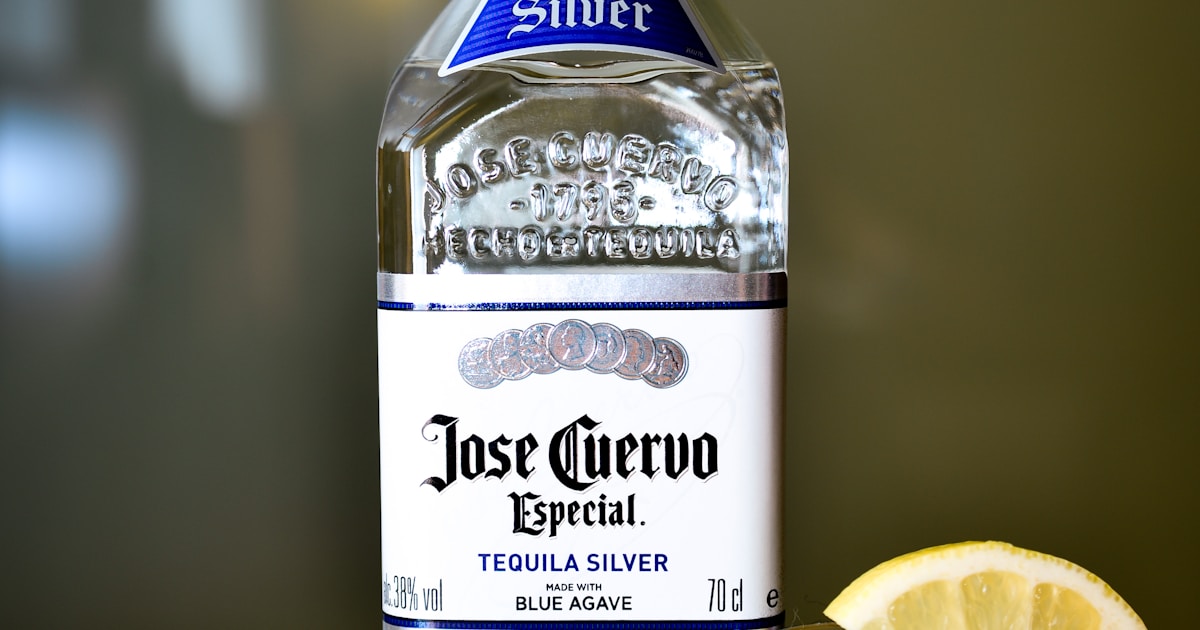
Every time someone tells us a tequila is “so smooth,” a little alarm goes off. We've now reviewed twenty-odd tequilas on this site, from tahona-crushed blancos to five-year extra añejos, and here's the uncomfortable thing you learn fast: a lot of what people praise as ‘smoothness’ in a big-name tequila isn't the agave or the barrel. It's sugar. And glycerin. And a splash of caramel colour and oak extract—none of which the bottle is required to mention.
This is the single biggest open secret in tequila, and it hides behind one number: 1%. Mexican regulations let a producer add up to one percent of their tequila's volume in undisclosed additives and still legally call it 100% agave. One percent doesn't sound like much. On the palate, it changes everything.
The 1% rule: what's legally allowed to be in your “100% agave” tequila
Under the tequila standard (the NOM, enforced by the CRT), four categories of additive are permitted up to that 1% threshold, and a producer never has to list them on the label. A bottle can be sweetened, coloured, and flavoured and still say nothing but “100% de agave.” The four are:
- Sugar-based syrup — adds sweetness and a rounder, softer mouthfeel. This is the big one behind that dessert-like ‘smoothness.’
- Glycerin — a thick, slightly sweet liquid that coats the tongue and kills the burn, making young or rough spirit feel silky.
- Oak extract — instant ‘aging.’ It layers on vanilla and wood notes without the bottle ever touching a barrel for long.
- Caramel colouring — makes a reposado or añejo look richer and older than it is, so a lightly rested tequila can pass for a deeply aged one.
Put together, these four can take a young, unremarkable spirit and dress it up as a smooth, sweet, amber-hued ‘premium’ tequila—exactly the profile a lot of celebrity and status brands have built their fortunes on.
Here's the twist: smooth was never the goal
The tequila world has trained casual drinkers to prize ‘smoothness’ above all—which is convenient, because smoothness is the easiest thing to fake. Real tequila made from well-cooked agave has texture: earthy, vegetal, peppery, mineral, sometimes briny notes that make it fascinating to sip. Additives sand all of that off. What you gain in easy-drinking sweetness, you lose in character. Once you've tasted a genuinely additive-free tequila next to a sweetened one, the sweet version starts to taste a little like agave-flavoured candy—pleasant, but hollow.
None of this is illegal or dangerous. It's a stylistic choice made without telling you. The problem is you're often paying a serious premium for that choice while believing you're buying pure craft.
How to know if your tequila is additive-free
The label almost never says (though, encouragingly, more honest brands are now printing “additive-free” voluntarily). So use these:
- Check an independent additive-free list. Verification programs like Tequila Matchmaker's additive-free testing are the closest thing to a definitive answer, since brands submit to actual lab and blind-tasting scrutiny.
- Trust traditional producers. Distilleries built on reputation among aficionados—the ones using stone tahonas, estate agave, and generations of family method—overwhelmingly go additive-free. Every tequila we've rated highly, from Fortaleza to El Tesoro to Siete Leguas, is additive-free.
- Read the color against the age. A ‘reposado’ that's as dark as a decade-old whisky didn't get there from a few months in oak. Suspiciously deep colour on a young tequila is a classic caramel tell.
Four tells of an additive-heavy bottle
- “Smooth” is the headline selling point. When a brand's whole pitch is how smooth and easy it is—rather than where the agave grew or how it was made—take note.
- It tastes sweet, almost like syrup or vanilla frosting. Cooked agave is sweet ish, but dessert-level sweetness usually isn't coming from the plant.
- Darker than its age should allow. Rich amber on a young rested tequila points to colouring.
- A celebrity or nightclub name, a heavy designer bottle. Not proof of additives—but this is exactly the corner of the market built on smooth, sweet, status-driven profiles, and where verified additive-free bottles are rarest.
What to drink instead
The best news about the additive story is that escaping it makes tequila better and usually cheaper. Traditional, additive-free bottles cost a fraction of the famous sweetened ones and taste of far more:
- For sipping, go aged and additive-free. Our best aged tequilas are all traditionally made—a tahona reposado or a real extra añejo will out-sip a celebrity añejo costing three times more.
- For everything else, start with a great blanco. Unaged tequila has nowhere to hide, so it's the purest test of quality—our best blanco tequilas are the additive-free bottles we reach for most.
- Learn the age ladder first. If reposado, añejo, and extra añejo still blur together, our blanco vs reposado vs añejo guide breaks down exactly what oak does—and doesn't—to agave.
The bottom line
Tequila is one of the few spirits where ‘100% agave’ on the front can still hide sugar, glycerin, colour, and flavouring on the inside—legally, and without a word on the label. You don't have to become obsessive about it. Just flip your loyalty from ‘smooth’ to ‘additive-free,’ check a verification list before you splurge, and lean on traditional producers. Do that and two things happen: you stop paying premium money for sweetened young spirit, and you start tasting what agave actually tastes like. It's spicier, earthier, and far more interesting than smooth—and once you've had the real thing, there's no going back.
What additives are allowed in 100% agave tequila?
Tequila regulations (the NOM, enforced by the CRT) permit up to 1% of four undisclosed additives: sugar-based syrup (for sweetness and body), glycerin (for a silky mouthfeel), oak extract (for instant wood and vanilla notes), and caramel colouring (to look older and richer). A tequila can contain all four and still legally be labeled “100% agave” with no mention of them on the bottle.
How can I tell if a tequila has additives?
The label rarely says, so check an independent additive-free verification list such as Tequila Matchmaker's, which tests brands directly. As shortcuts: be suspicious of a tequila whose main selling point is “smoothness,” one that tastes syrupy-sweet, or a young reposado that's darker than its age should allow (a caramel-colour tell). Traditional producers using tahona milling and estate agave are almost always additive-free.
Does additive-free tequila taste better?
It tastes more of real agave—earthy, peppery, vegetal, and complex—rather than artificially smooth and sweet. Additives round off exactly the texture and character that make tequila interesting to sip. Many drinkers who switch find sweetened tequilas start to taste hollow by comparison, though anyone who prizes easy, dessert-like smoothness may still prefer the additive style.
Is Don Julio 1942 additive-free?
Don Julio 1942 has not been verified additive-free on independent testing lists, and its soft, sweet profile is consistent with the additive-forward style. It's a pleasant añejo, but you pay a steep status premium for it. Traditionally made, verified additive-free bottles like Fortaleza, El Tesoro, and Tapatio deliver more genuine agave character for far less money.
Why is my tequila so smooth?
Often because of additives. Sugar syrup and glycerin, allowed up to 1% and never disclosed, are added specifically to soften the burn and create a silky, sweet mouthfeel. Genuinely additive-free tequila can absolutely be smooth too—but if “smoothness” is a bottle's headline feature and it tastes sweet, additives are a likely reason.