A speakeasy bar needs three things: a door that hides it, low warm light, and the drinks of the era, which means rye and bourbon. If you want the whiskey to be authentic too, the words "Bottled in Bond" on the label are the only federal guarantee of age and proof, and most 100-proof bottles don't carry them. Fifteen ideas below, then what to pour.
1. Hidden Bookcase Door Bar
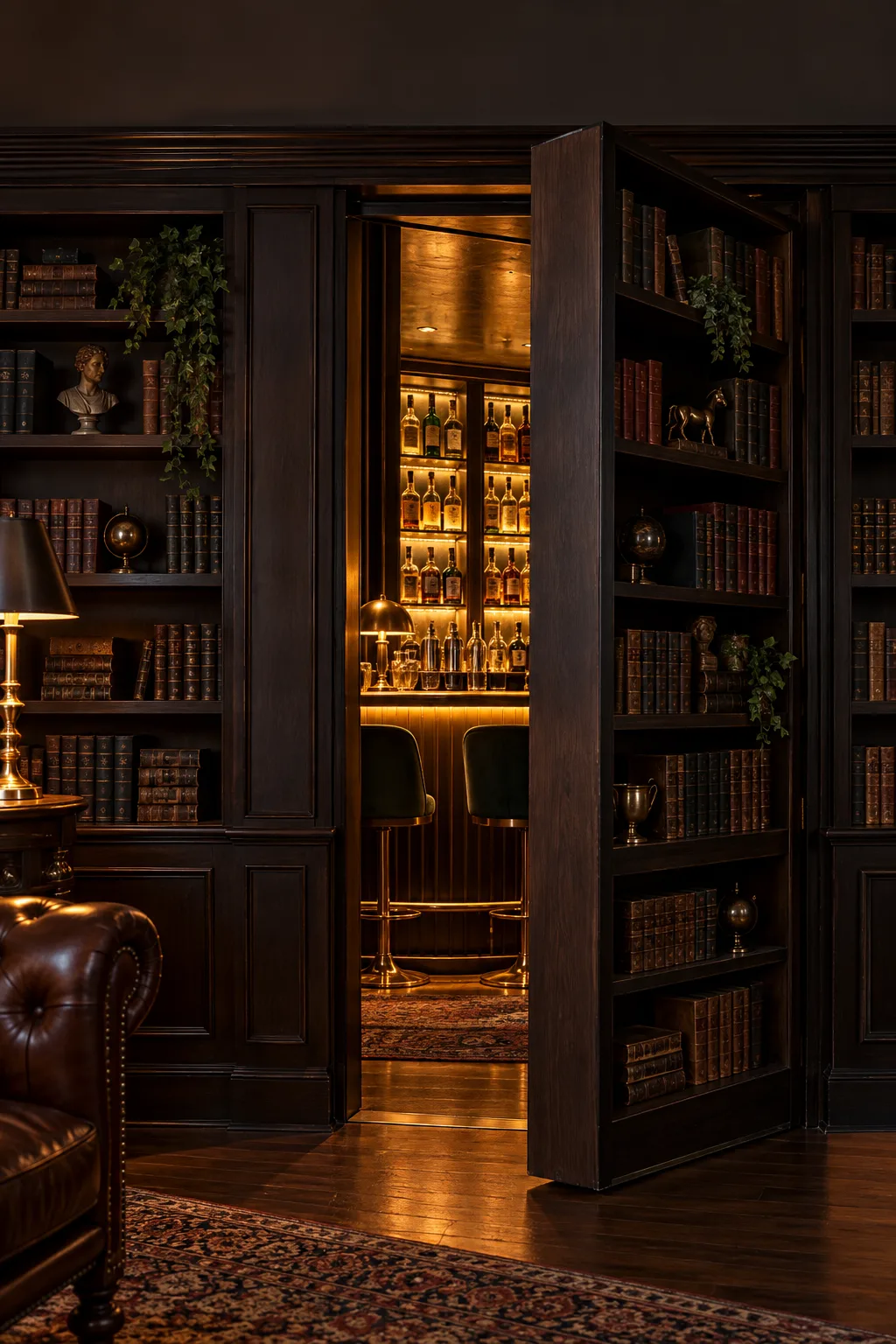
The classic: a bookcase that swings open on invisible pivot hinges. Bookcase door kits are sold in standard interior door sizes, so it can go on a closet you already have. Measure the opening before you order.
2. Basement Brick Speakeasy
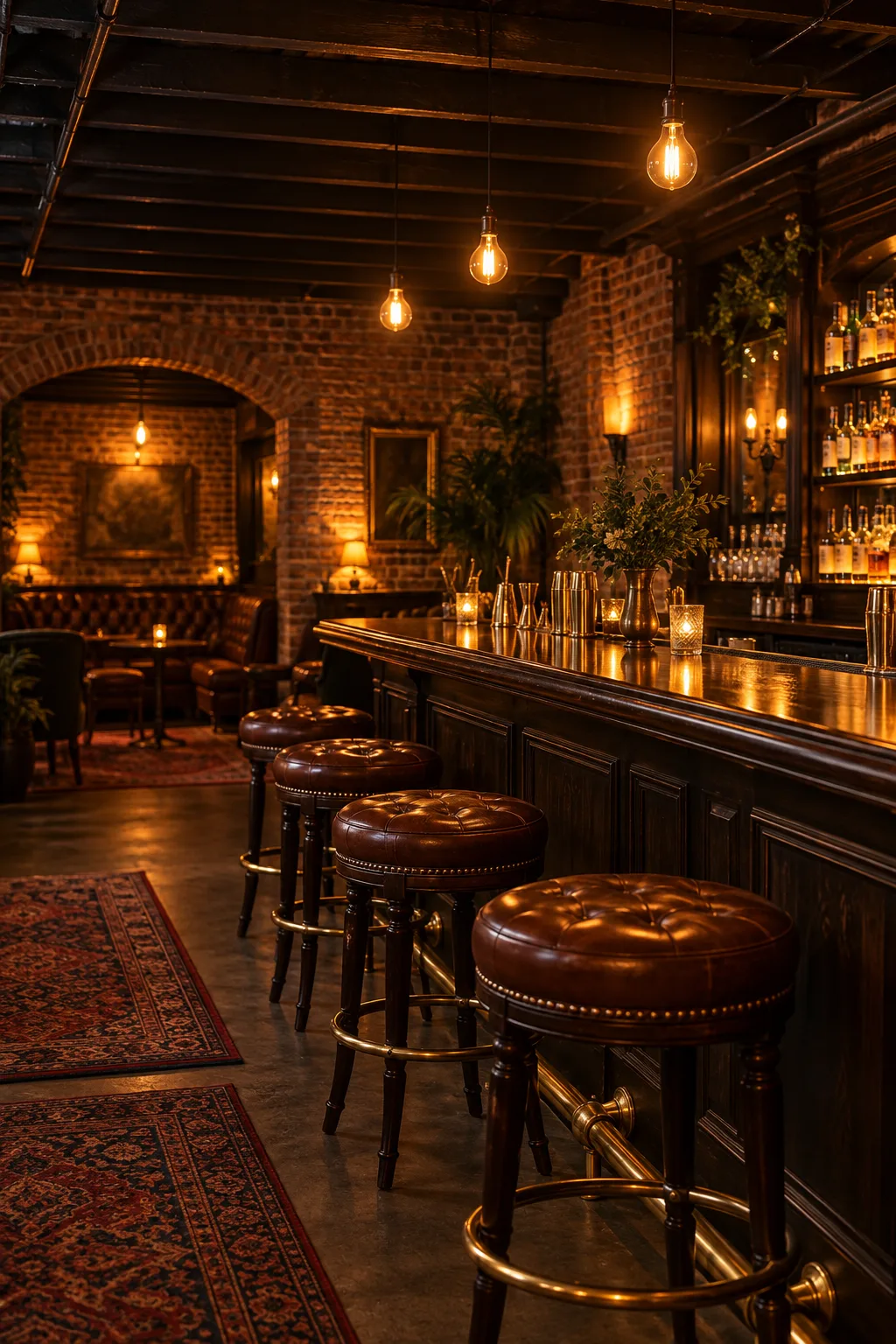
Exposed brick (real or thin brick veneer), black-painted ceiling joists and low light do most of the work. If you're starting from a bare basement, our basement bar ideas cover layouts.
3. Closet Speakeasy
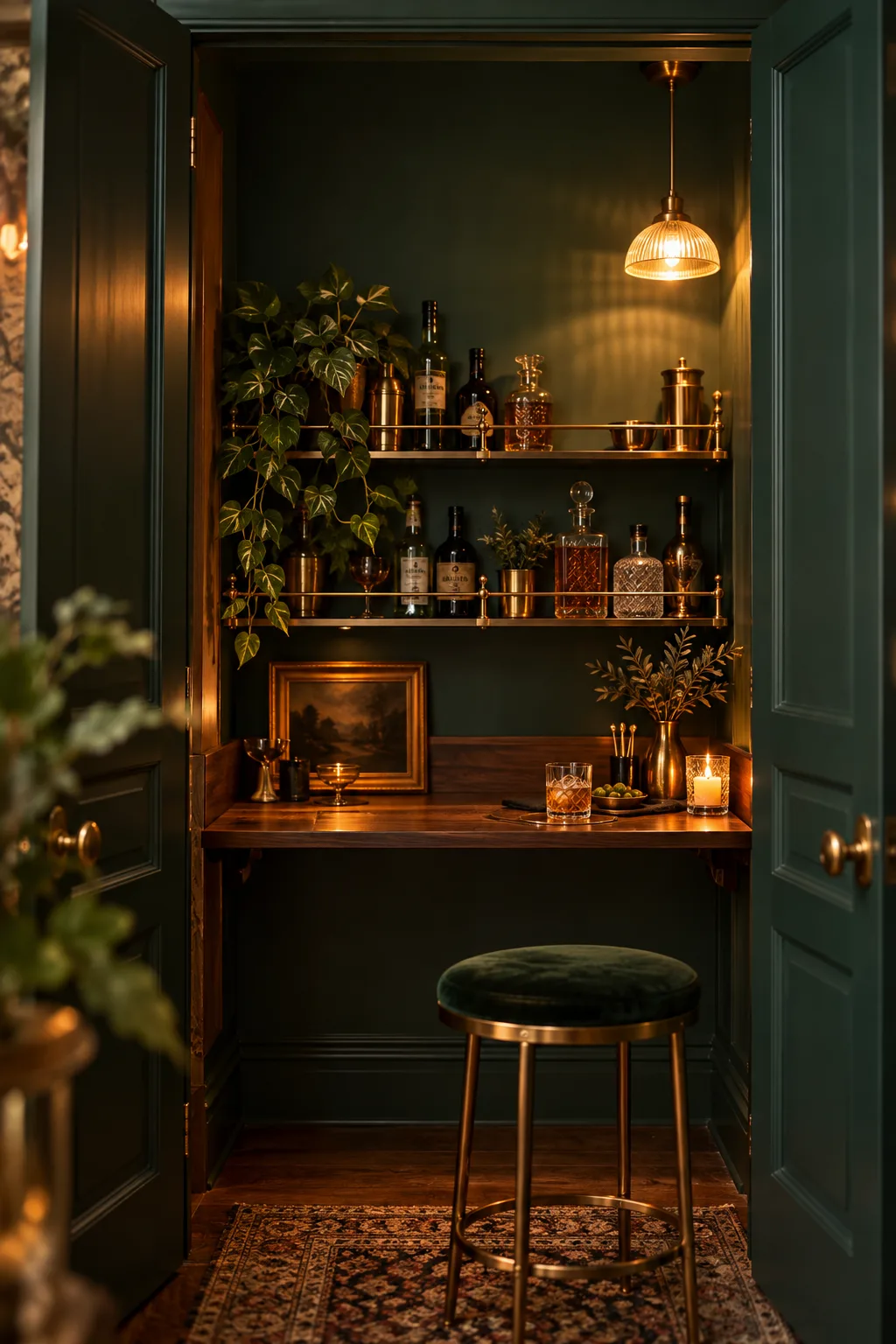
A reach-in closet holds a full bar if you go vertical. Paint the inside a dark color, run brass shelves to the ceiling, and keep the doors so it disappears when it's closed.
4. Under-Stairs Hidden Bar
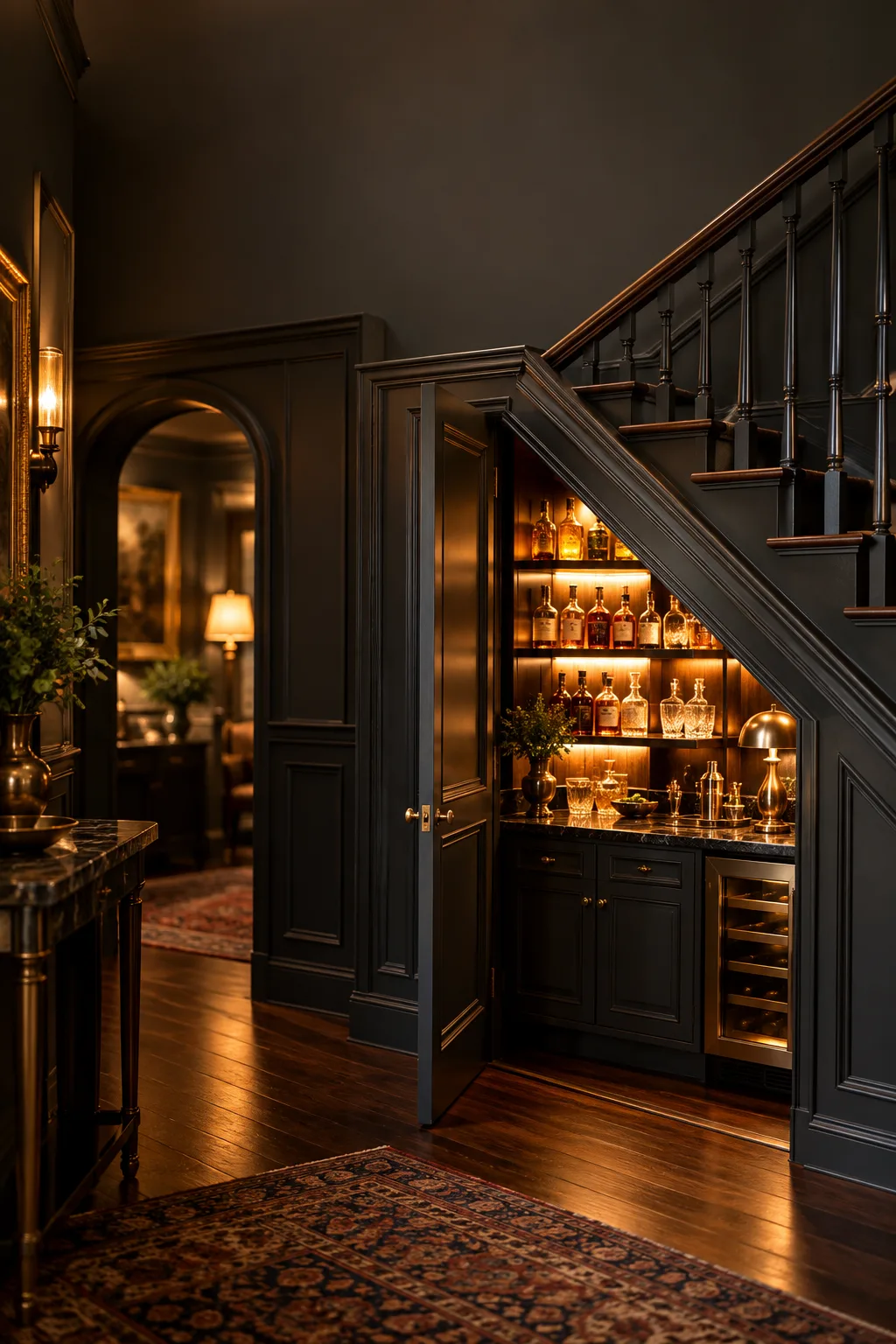
The dead triangle under the stairs is where a speakeasy belongs. Match the door to the wall paneling so nobody sees it until you open it.
5. Password Door with a Peephole
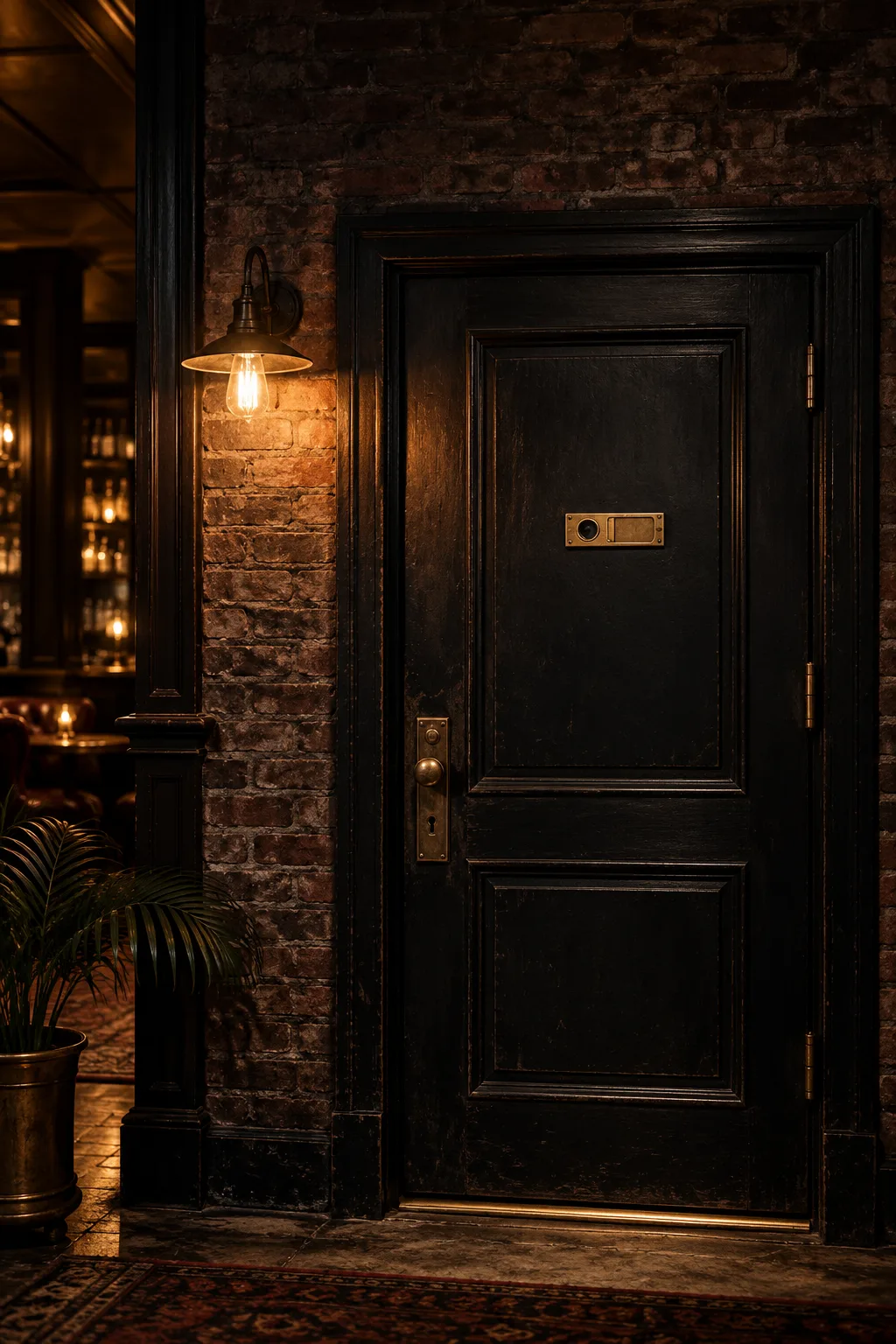
A sliding peephole grille on an interior door is a cheap upgrade that changes the whole room. Make guests give a password.
6. Art Deco Black and Gold Bar
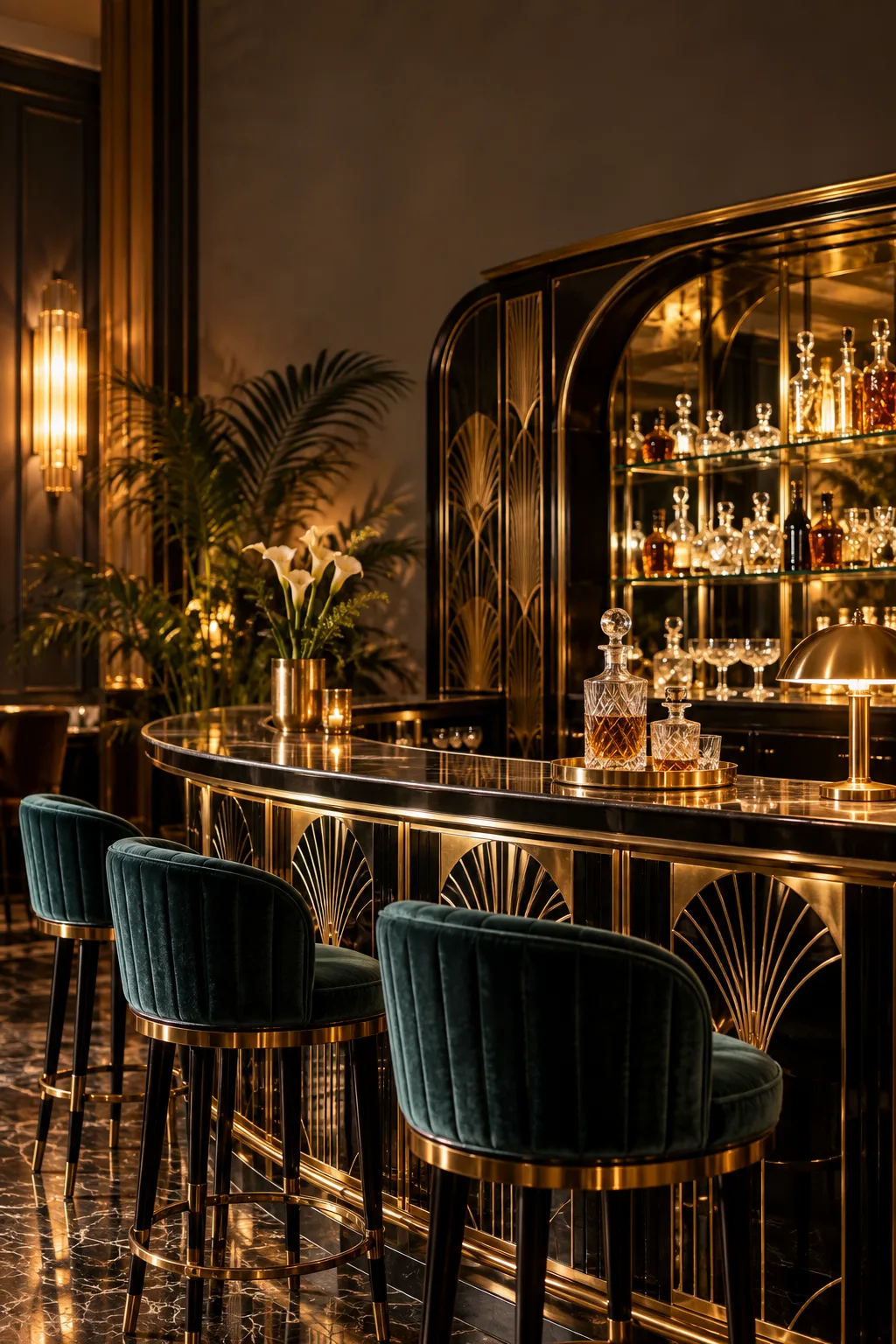
Black lacquer, brass and a mirrored back bar give you the 1920s look without a single exposed bulb. A curved bar front is the expensive detail; mirrored panels are the cheap one.
7. Velvet Booth Lounge
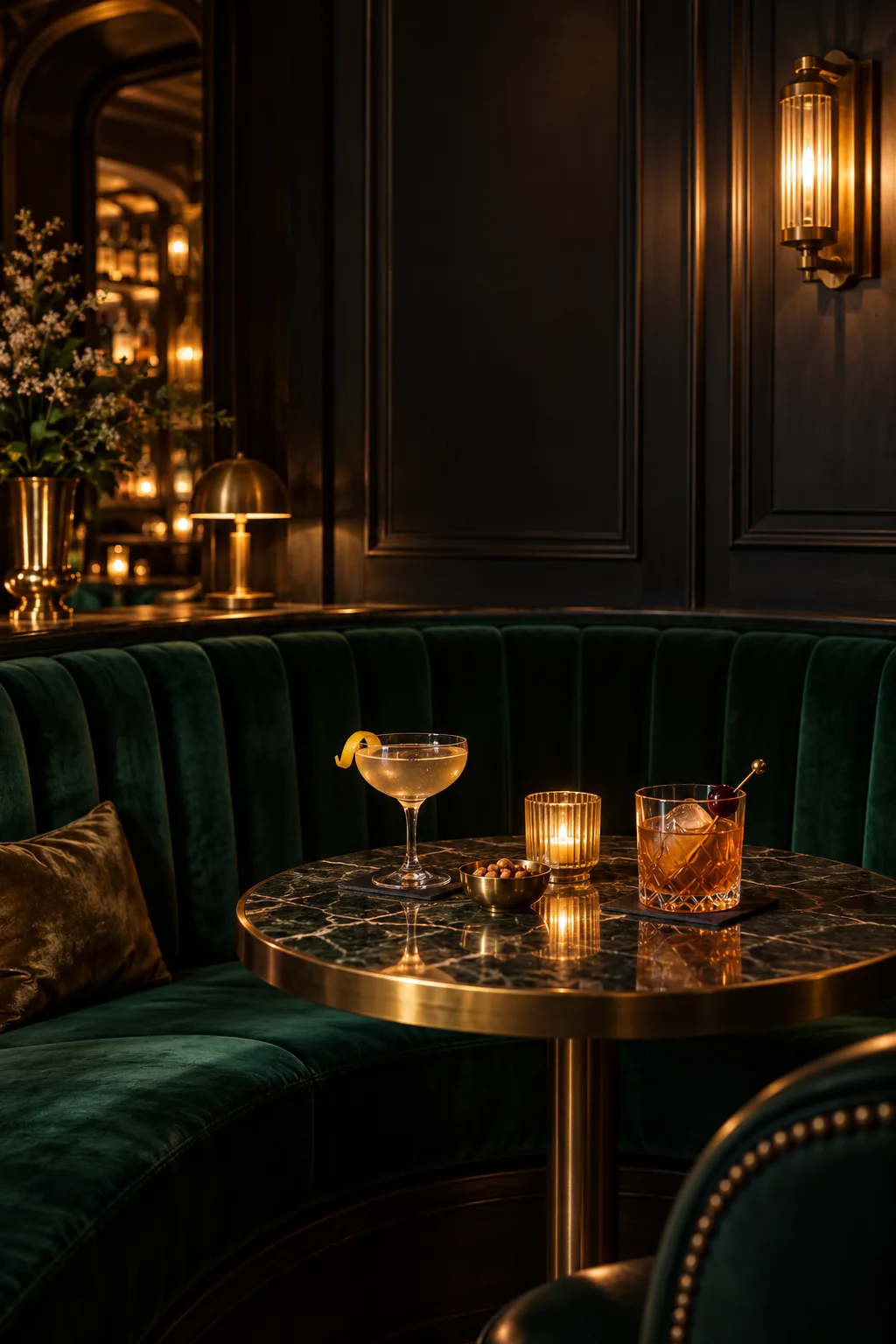
One built-in booth makes a spare room feel like a bar. Deep green, oxblood or navy velvet, and a table only big enough for two drinks.
8. Edison-Bulb Back Bar
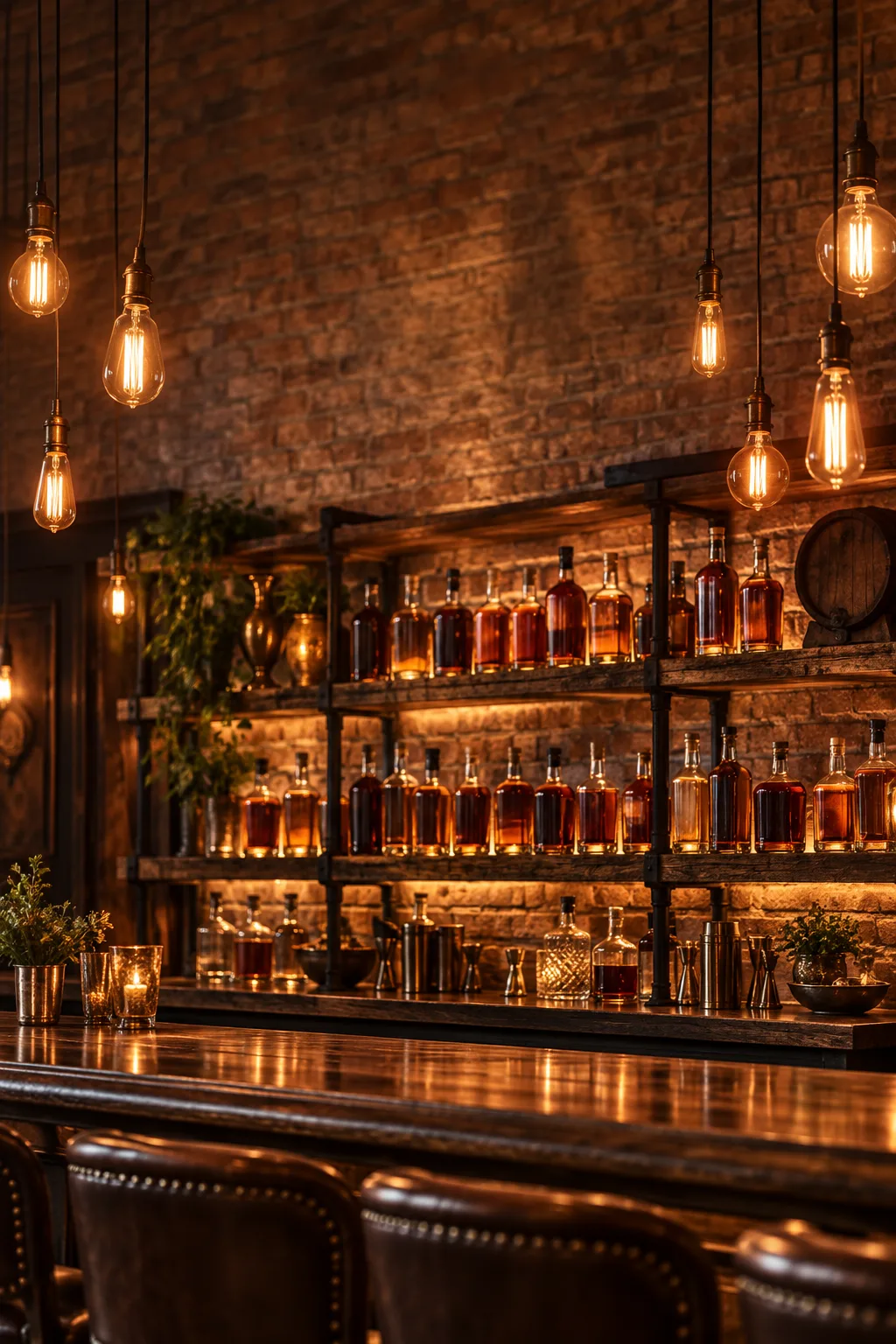
Hang Edison filament bulbs at staggered heights over open shelves. The bottles glow, which is the point, so put the amber spirits up front.
9. Library Bar
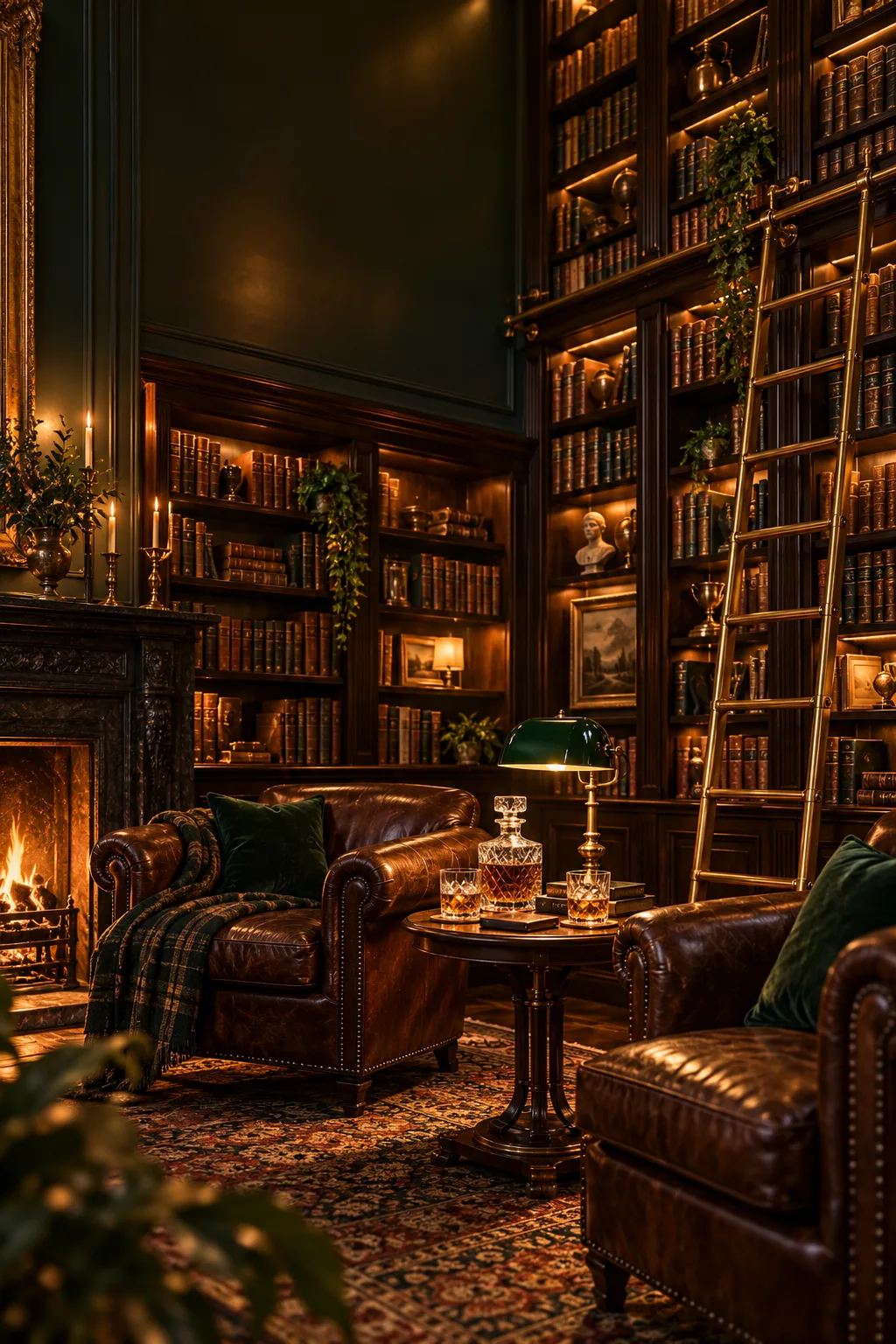
If you already have the books, you have the speakeasy. Two leather chairs, a decanter, and a lamp you can dim.
10. Pressed Tin Ceiling Bar
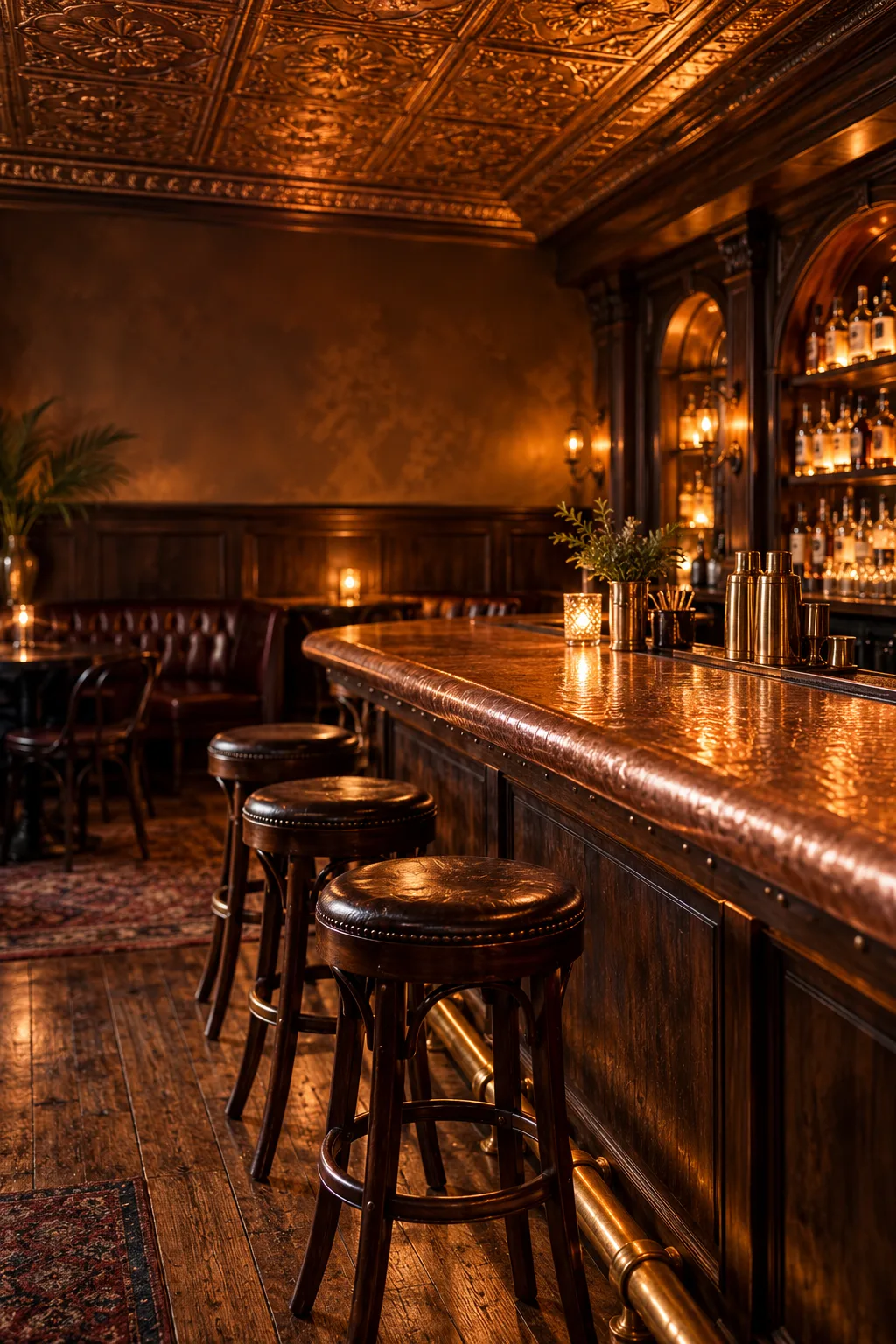
A pressed-tin ceiling is the most Prohibition-era detail you can add, and faux tin panels go up with adhesive. A copper bar top ages with every spill.
11. Fold-Down Murphy Bar
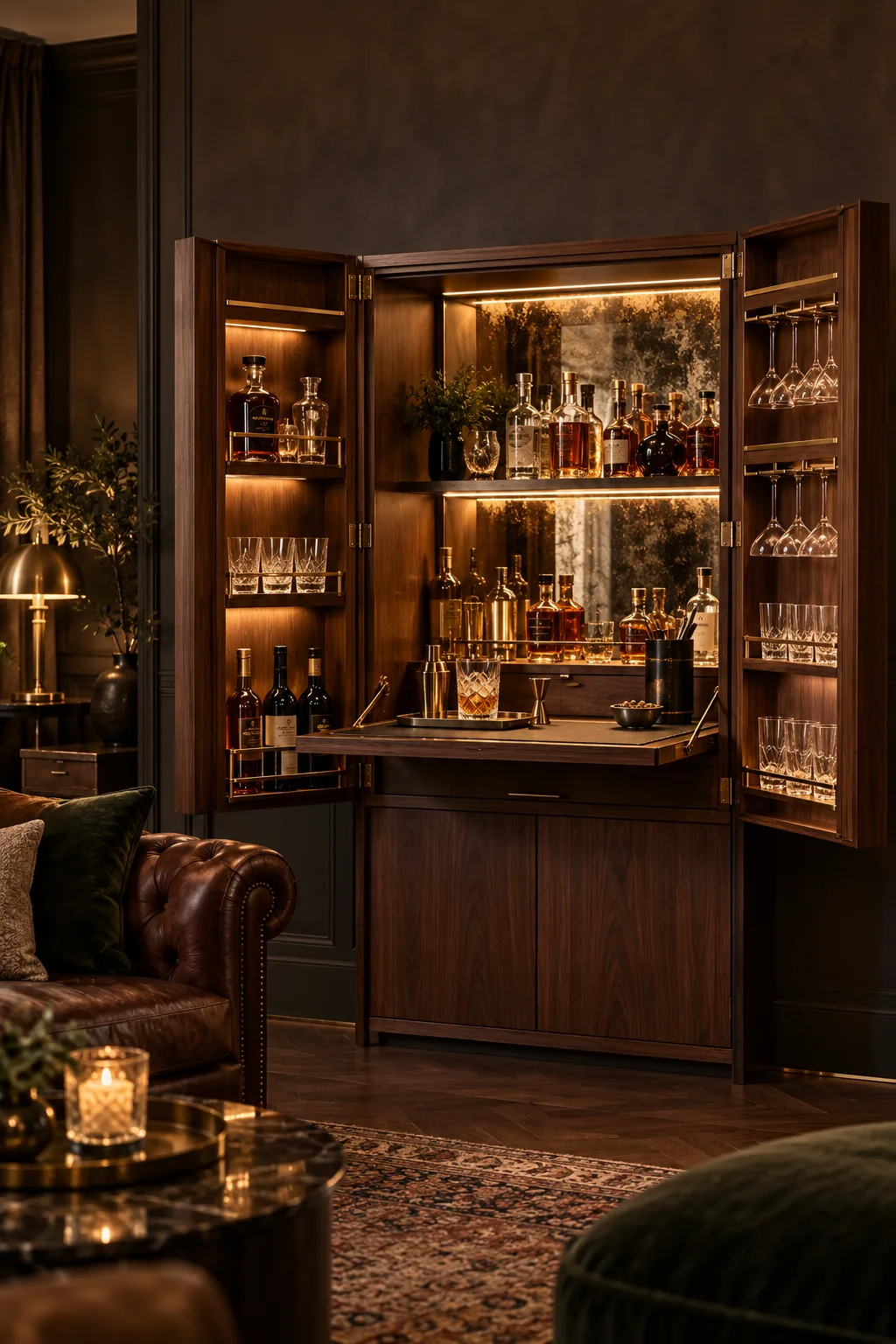
A wall cabinet that folds down into a counter is the speakeasy for apartments. Closed, it's furniture. Open, it's a bar.
12. Jazz Age Piano Bar Corner
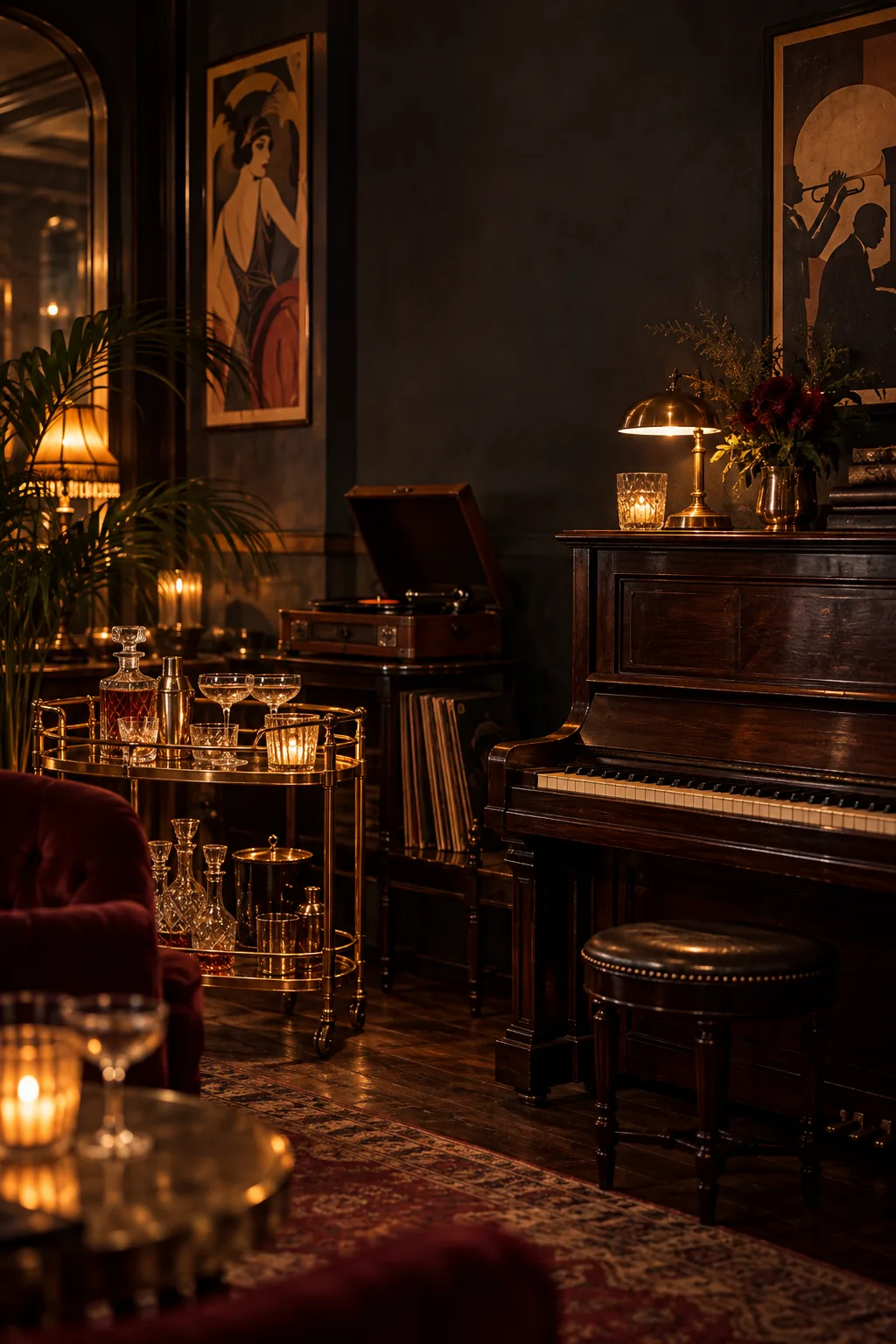
Music is half of a speakeasy. An old upright piano, or just a record player and a stack of 1920s jazz, next to a stocked cart.
13. Prohibition Shelf
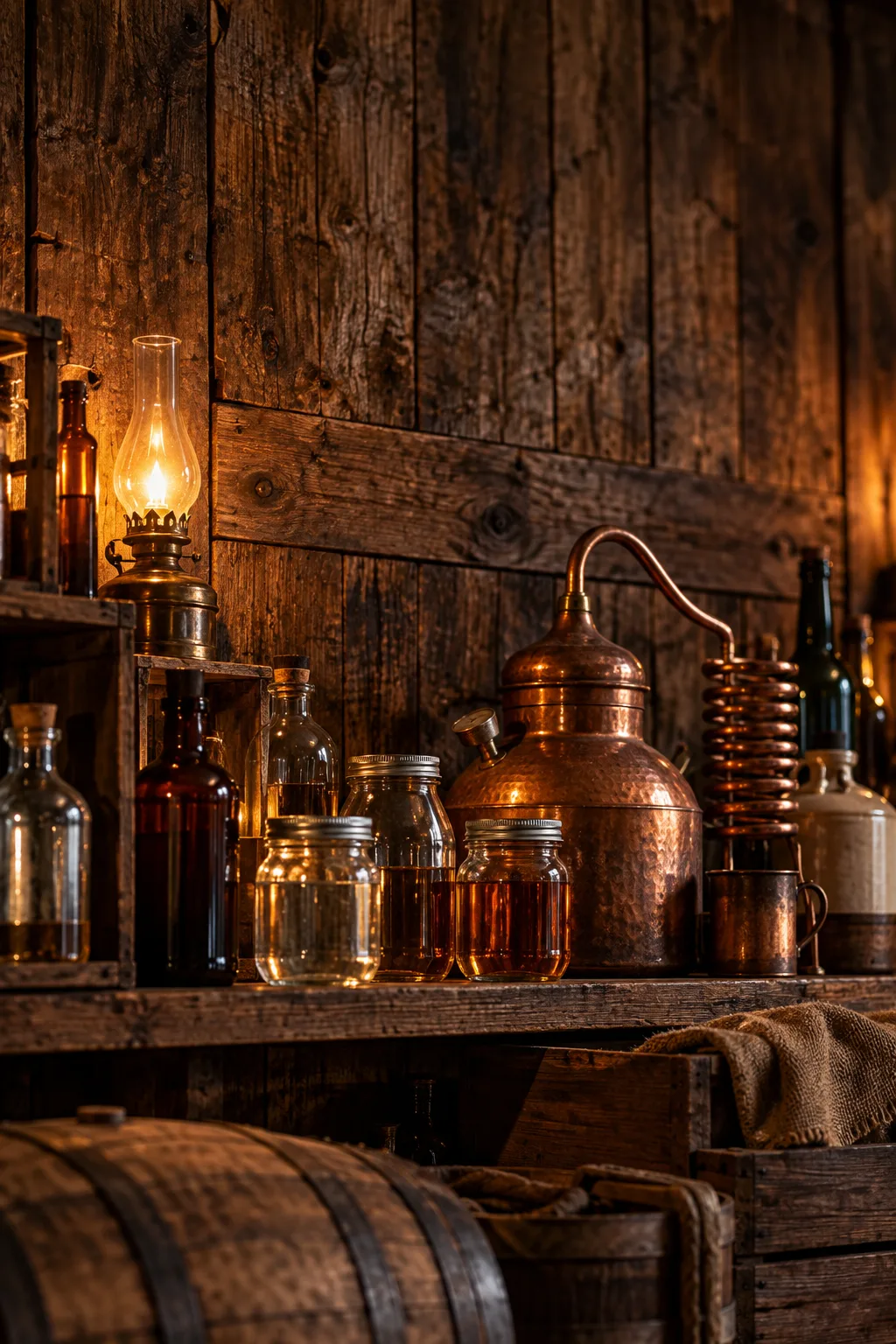
Mason jars and a copper pot still on a shelf tell the bootlegger story. Keep it decor; whether a working still is legal where you live depends on federal and state law, which our home distilling laws by state guide lays out.
14. Attic Speakeasy
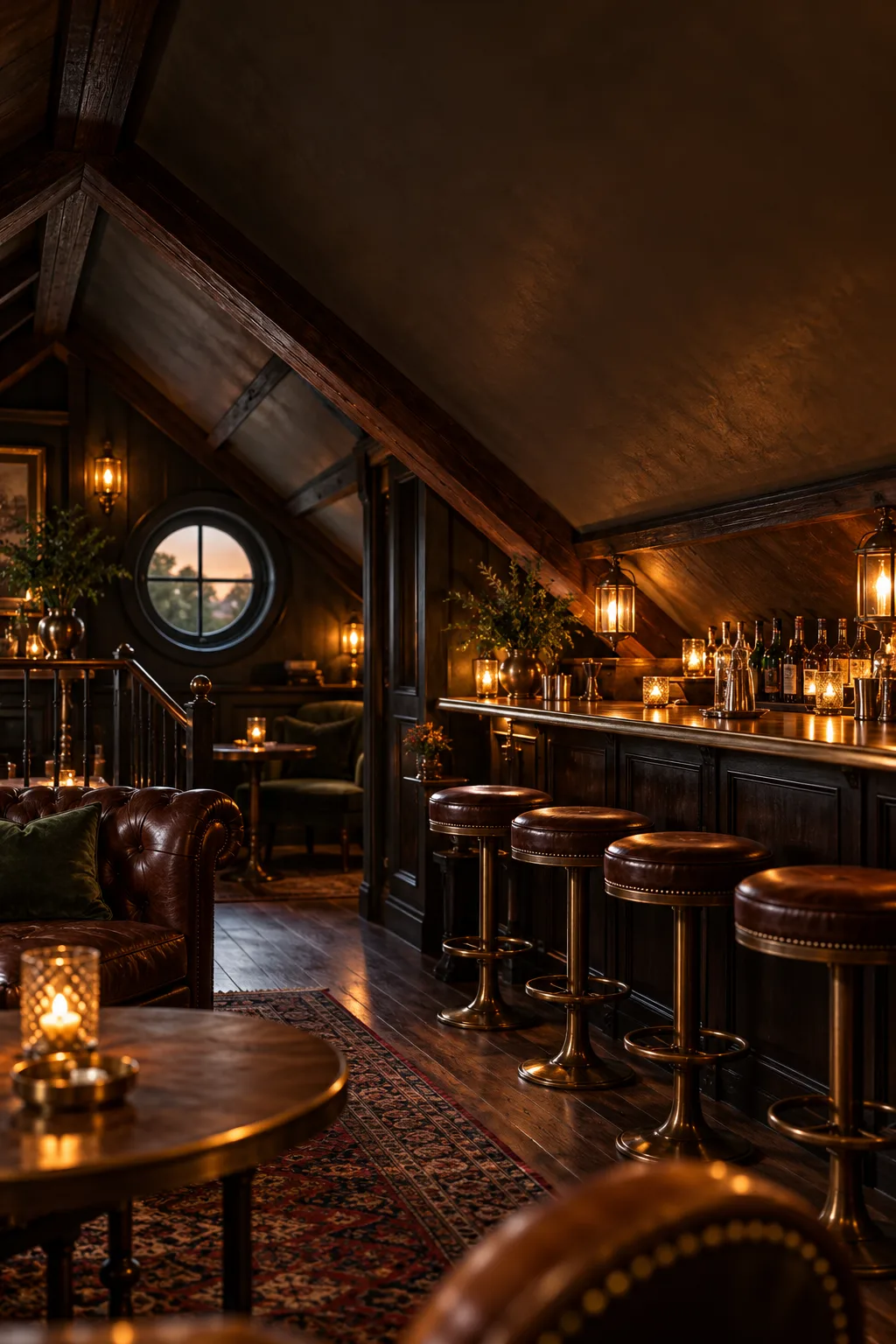
Sloped ceilings and exposed beams are already atmospheric. Run a short bar along the knee wall where nobody can stand anyway.
15. Antique Mirror Back Bar
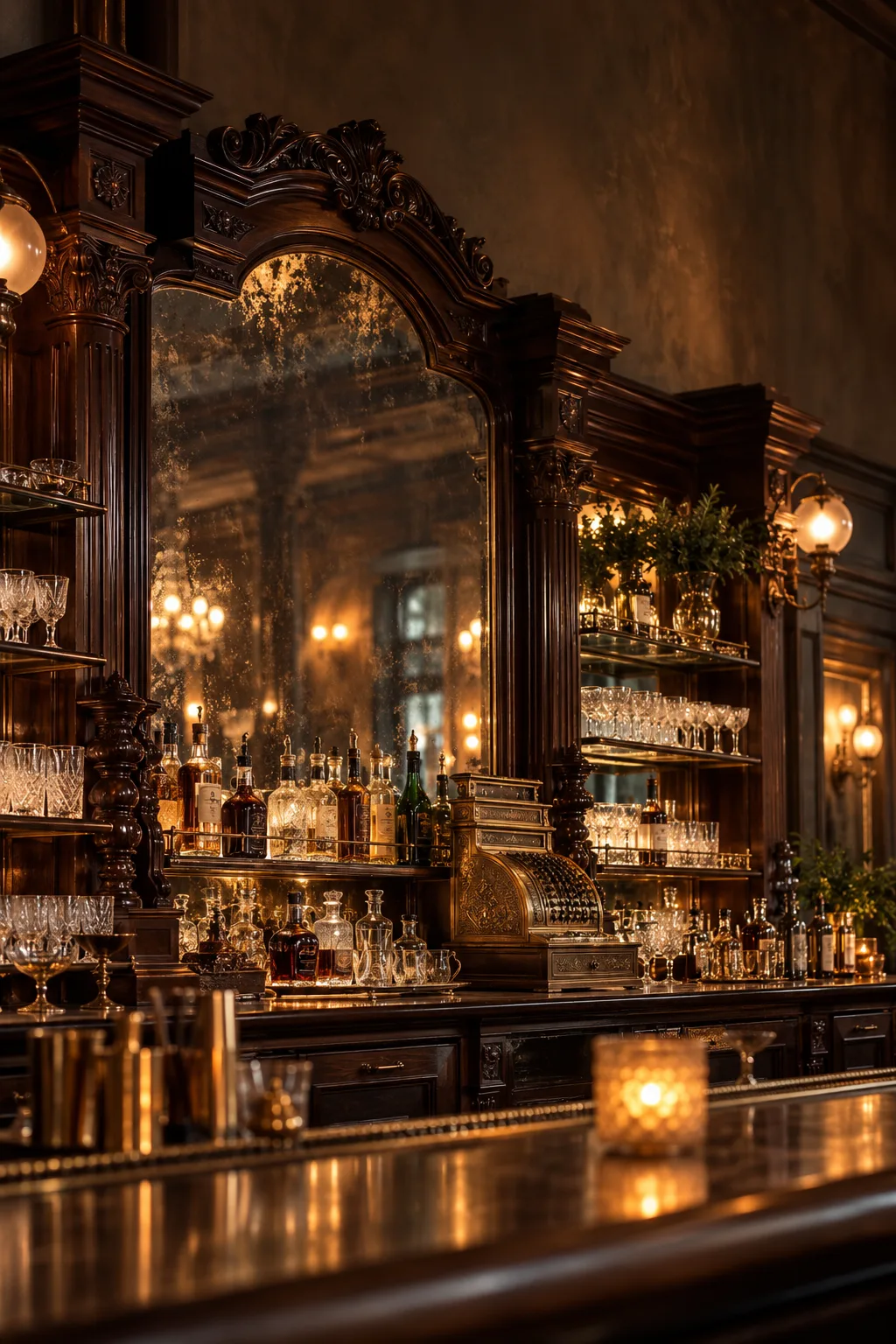
Salvage yards sell old back bars and mirrors, and one piece carries a whole room. Aged mirror glass hides fingerprints and looks a century old on day one.
What Whiskey Fits a Speakeasy Bar?
Bottled-in-Bond is a federal labeling standard. Under 27 CFR 5.88, a whiskey labeled "bottled in bond" must come from one distilling season, one distiller and one distillery. It must be aged at least four years and bottled at exactly 100 proof. No other American label guarantees all of that.
We have reviewed 6 American whiskeys bottled at exactly 100 proof. Only 2 of them are Bottled-in-Bond:
- Colonel E.H. Taylor Small Batch: 88/100, $40-150
- Rittenhouse Straight Rye Whisky BiB: 86/100, $22-30
The other 4 (Knob Creek 12 Year Small Batch Bourbon, Knob Creek 9 Year Small Batch, WhistlePig 10 Year Straight Rye Whiskey, Four Roses Single Barrel (OBSV)) are 100 proof too, and good whiskey, but proof alone doesn't make a bottle bonded. If the story of your back bar matters to you, look for the words on the label, not the number. Vintage-style labels and "Prohibition" names carry no such guarantee.
The cheapest of all 6 is a bonded one, Rittenhouse Straight Rye Whisky BiB at $22-30, so you don't pay extra for the guarantee. Put it in a Manhattan.
How Do You Hide a Home Bar?
Hide it behind something that already belongs in the room: a bookcase (#1), a closet door (#3), wall paneling (#4) or a cabinet (#11). If the bar goes in a basement or attic, ask your local building department whether the room counts as habitable space before you finish it, because that changes what the code asks for.
Keep Exploring
- 15 Basement Home Bars That Look Custom-Built
- 15 Man Cave Bar Ideas Worth Copying
- 15 Small Home Bar Ideas for Tight Spaces
- 15 Bar Cart Ideas That Punch Above Their Price
- The Manhattan Cocktail Recipe: The Gentleman's Bourbon
- U.S. Home Distilling Laws by State (2026): Is Moonshining Legal Where You Live?