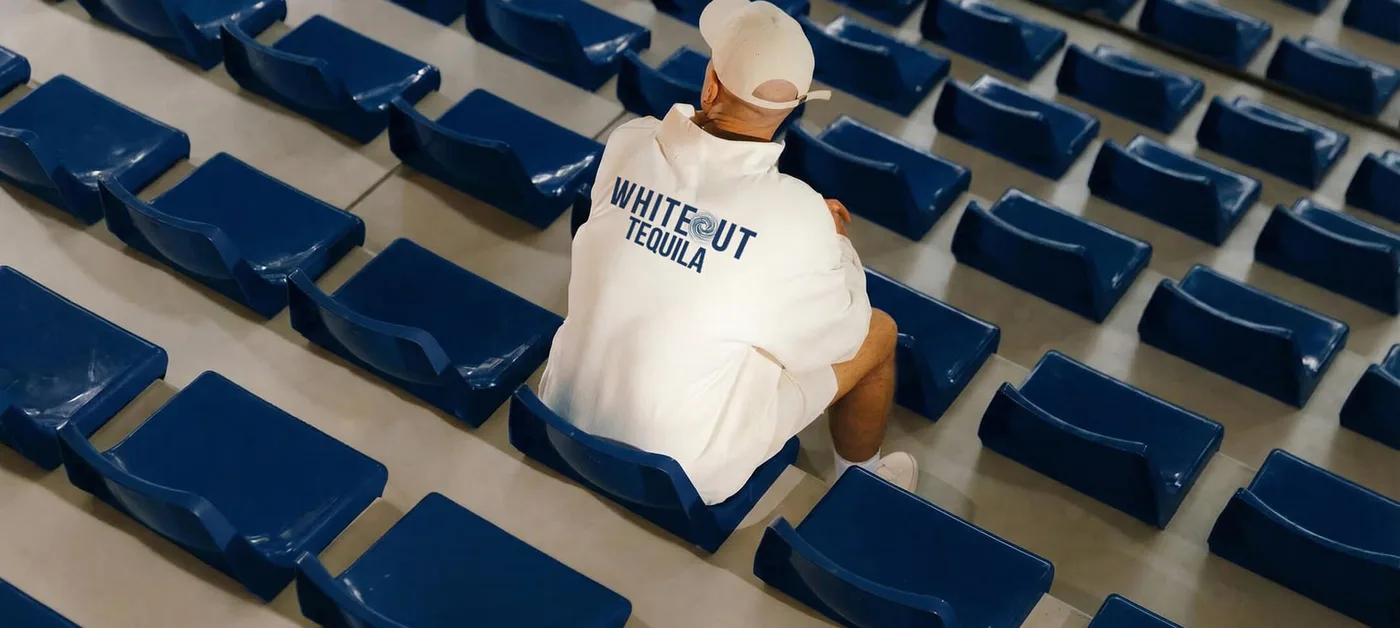
Welcome back to the BoozeMakers Interview Series, where we sit down with the people remaking how America drinks. This time: a tequila with a Penn State blue stripe, born in a Jalisco distillery and raised in Happy Valley. We tasted Whiteout Blanco and scored it a 92, then put the uncomfortable questions to co-founders Michael Mauti and Christian Hackenberg — two former Penn State football players who insist Whiteout was never supposed to be an athlete's bottle. They didn't dodge any of them.
Meet Whiteout
On paper, Whiteout Tequila is easy to file under ‘celebrity spirit’ and move on. Its co-founders are Michael Mauti and Christian Hackenberg — two men who came up through Penn State football, Hackenberg as a heralded quarterback and 2016 second-round NFL draft pick, Mauti as a linebacker who went on to play in the NFL. The bottle even wears a Penn State blue stripe.
Spend a few minutes with the actual liquid, though, and the easy filing falls apart. Whiteout Blanco is 100% Blue Weber agave, tahona-crushed and additive-free, made in Jalisco at Casa Armero (NOM 1498). We reviewed it and it earned a 92/100 — one of the stronger blanco scores we've handed out, built on clean white-pepper agave and a genuinely smooth finish. That is not the profile of a novelty.
So we went straight at the tension. The following is condensed and lightly edited from a written Q&A conducted in August 2026. Unless noted, the answers are Michael Mauti's; Christian Hackenberg weighs in on his own chapter.
Two Penn Staters, Different Eras
BoozeMakers: Give us the 30-second version — who are you two, and what is Whiteout?
Mauti: Christian and I are founders, but Whiteout was never intended to be an athlete-branded bottle. We wanted to build a real premium spirits company around something we both understood deeply: collective energy, loyalty, celebration, and showing up for the people beside you. Whiteout is an additive-free, 100% Blue Weber Agave Blanco made in Jalisco at Casa Armero, NOM 1498. We started with the liquid and the production partnership, then built the team and infrastructure around it — operations, importing, TTB and compliance, finance, distribution, and commercial leadership.
Mexico makes tequila. Pennsylvania gave the brand its identity. And Christian and I are here to steward something we believe can become much bigger than us.
BoozeMakers: You were at Penn State in different eras — you through the 2012 sanctions, Christian in the rebuild right after — so you weren't teammates on the field. How did you actually come together to build a tequila brand?
Mauti: The company actually started before Christian and I came together around it. When I moved back to Pennsylvania, I met Ryan Dolder through our capital partners. Ryan understood the importing and regulatory side of the alcohol business, and at the same time I had started studying the Pennsylvania tequila market pretty seriously. Pennsylvania is an unusually difficult market for an emerging spirits company because of the control-state system. My thought was that if you could successfully build a brand here, that difficulty could eventually become an advantage.
Happy Valley gave us something most emerging brands spend millions trying to manufacture from scratch: a massive community with deeply established traditions, rituals, and shared experiences.
Mauti: The question became: could we make an excellent tequila and authentically weave it into those occasions without turning it into a novelty or a football souvenir? Christian came into that vision with a different Penn State experience, but a very similar understanding of the community and what it means to people. That was where the partnership made sense. We weren't trying to recreate our football careers. We were trying to build something together that came from the same community that shaped both of us.
From the Field to the Founder
BoozeMakers: You both reached the top of one of the most structured worlds there is. What from football actually translated to running a spirits company — and what did you have to unlearn fast?
Mauti: The biggest thing that translated was accountability. In football, everybody has a job, the film doesn't lie, and excuses don't move the ball. Business eventually gives you the same kind of scoreboard. What we had to unlearn was the idea that intensity alone creates results. Athletes are conditioned to believe that if something isn't working, work harder. In spirits, you can't outwork a bad production plan, weak distribution, poor compliance discipline, or a product that hasn't earned repeat purchase.
The founders can create energy. The company has to create repeatability.
Mauti: And probably the biggest adjustment for me personally has been patience. Football gives you a scoreboard every Saturday. In this industry, you can do the right work for six months before the scoreboard moves.
BoozeMakers: Christian — you were a top NFL draft pick, and the pro career didn't follow the headlines. How much of Whiteout is about writing a second chapter on your own terms?
Hackenberg: Football gave me opportunities I will always be grateful for, but it also taught me that your life cannot be defined entirely by the way one chapter goes. Every athlete eventually has to answer the question of who they are when the game is no longer doing that for them. Whiteout is not about trying to recreate football. It is about building something lasting with people I trust, learning a new industry from the ground up, and putting real work behind a brand we believe in. The best part is that it is not a solo story. We have a team, operators, partners, and people with deep expertise who are helping us build something the right way.
BoozeMakers: Athletes lend their names to a lot of tequila these days. What did you commit to doing differently so this isn't just another jersey on a bottle?
Mauti: The easiest thing in the world would have been to put familiar names on a bottle and sell nostalgia. We deliberately did not want to build that kind of business. Consumers are increasingly skeptical of celebrity brands where the founder story is stronger than the product. We never wanted Christian and me to be the product.
The consumer is the hero of Whiteout. Hack and I are stewards of the brand, not its resident likenesses.
Mauti: And for me, the bigger lesson from football is that you don't build anything meaningful alone. I didn't need to pretend I was the smartest tequila operator in the room. I needed to build the room. Josh Mazza brings deep beverage-industry and tequila experience. Matt Joyner brings operating discipline from scaling businesses. Ryan Dolder helped shape the concept early and brings years of spirits, importing, TTB, and compliance experience. Christian drives market development, strategic accounts, and key relationships. Our names might earn an introduction. They might get someone to pick up the bottle once. But they cannot make someone reorder it, and they cannot build a durable company.
The standard is whether someone who knows nothing about our football careers tastes Whiteout and says, ‘That's a tequila I'd buy again.’
The Name, the Bottle, and Two Worlds
BoozeMakers: ‘Whiteout.’ For anyone outside Happy Valley, describe what a White Out game actually feels like from the field — and why that was the moment you wanted a whole brand to capture.
Mauti: From the field, a White Out doesn't feel like a crowd watching a game. It feels like the entire stadium is participating in it. It's loud, physical, emotional, and completely collective. You look up and see a sea of white, but what you really feel is more than 100,000 people deciding that, for a few hours, they're all part of the same thing. That's what we wanted Whiteout to capture.
Not a football logo on a bottle. A reason to gather, celebrate, bring people in, and make a regular moment feel bigger.
BoozeMakers: ‘Born in Mexico. Raised in Pennsylvania’ is a big cultural straddle for a tequila. How do you honor the Mexican craft while being unapologetically a PA brand — and have you caught any heat for it?
Mauti: The phrase is intentionally very specific.
The tequila is Mexican. The brand is Pennsylvanian. We're not trying to blur those things together.
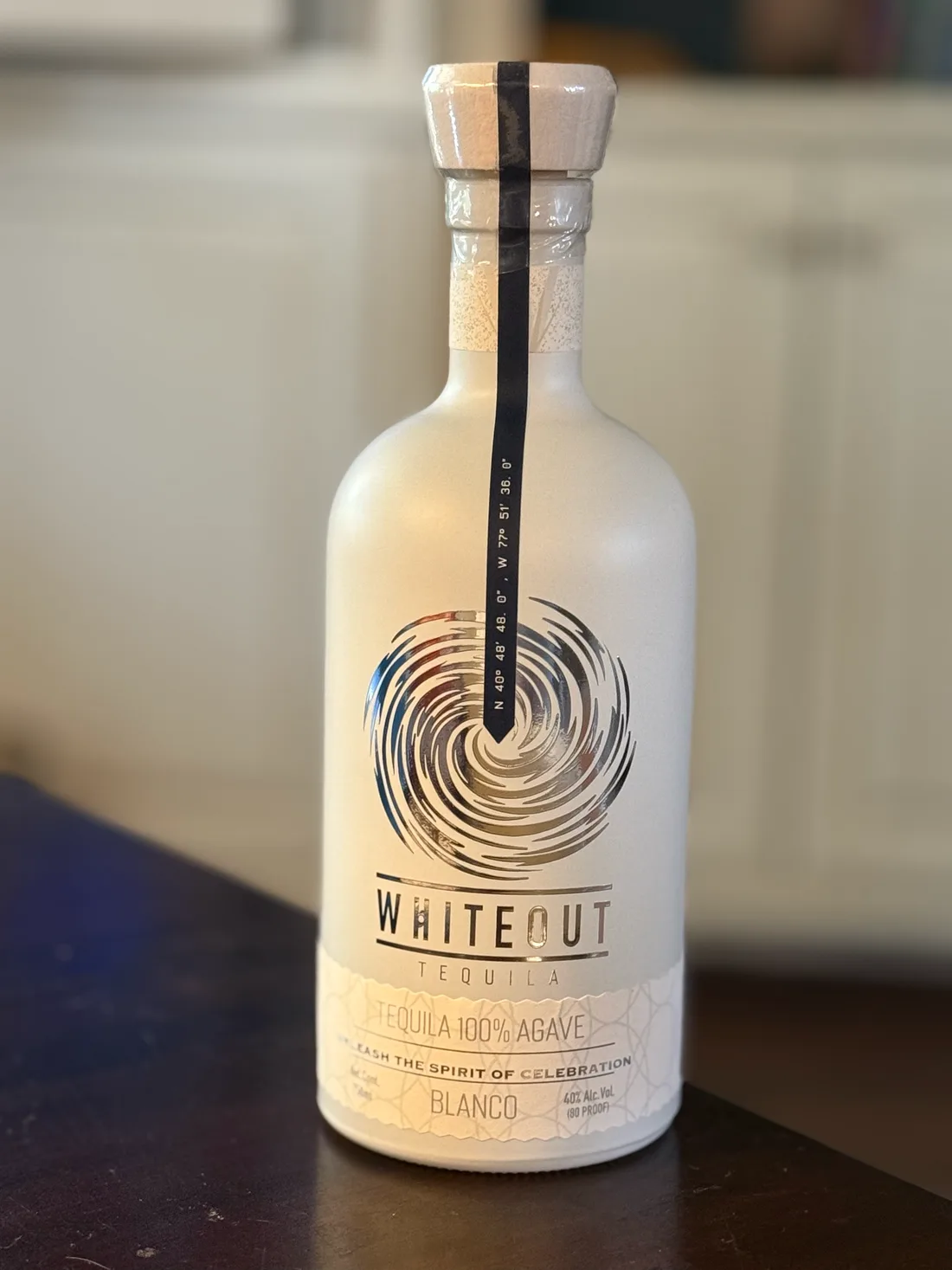
Mauti: The production expertise, the agave, and the craft belong to Mexico. Our responsibility is to respect that heritage and be transparent about where and how the tequila is produced. What Pennsylvania contributes is the identity of Whiteout — the community, the rituals, the attitude, and the occasions we built the brand around. Even the bottle reflects that relationship: Beaver Stadium's coordinates and Casa Armero's coordinates sit on opposite sides of the same signature stripe. And if people who care deeply about tequila challenge us, I think that's healthy. We don't pretend to be Mexican distillers. We're Pennsylvania founders working with Mexican tequila producers, and those are different roles. Being clear about that matters.
The Liquid
BoozeMakers: There are a hundred cheaper, easier ways to make tequila than tahona-crushing and going fully additive-free. Why plant your flag on the hard, traditional method for your very first product?
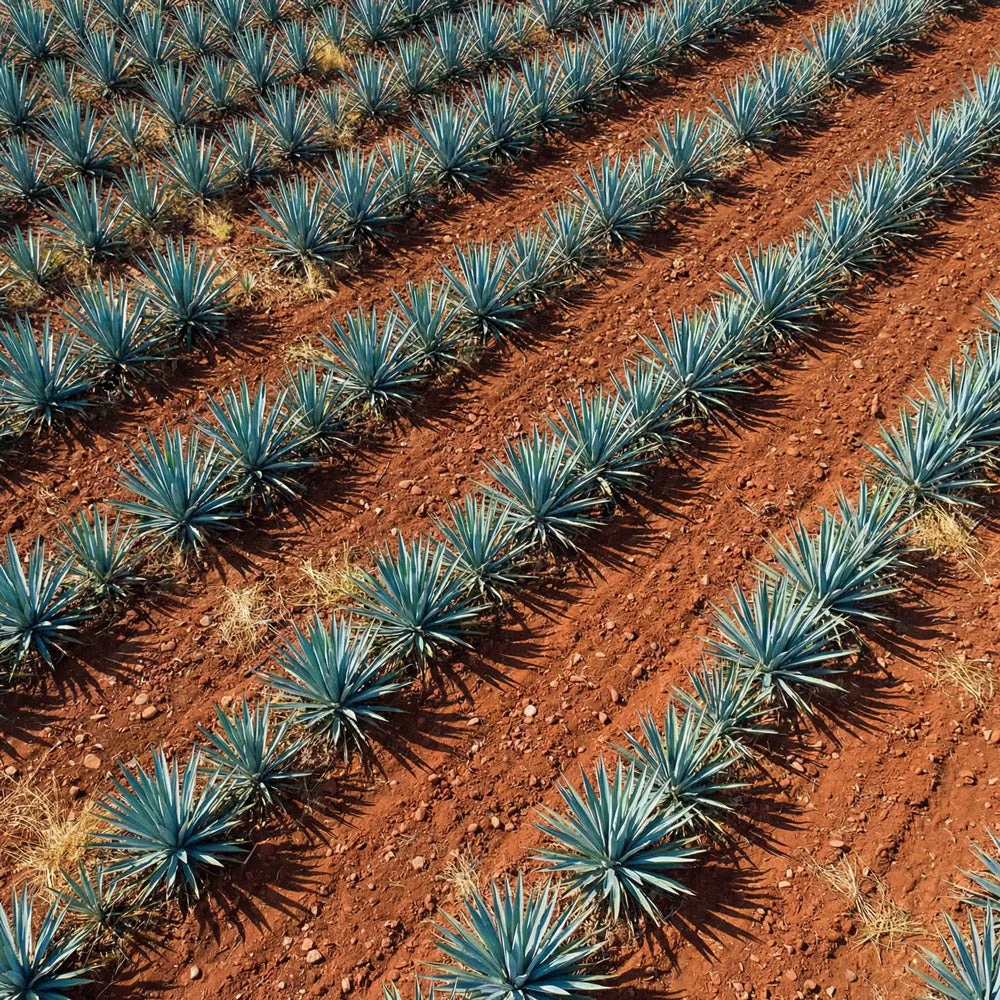
Mauti: Because if we were going to enter one of the most crowded spirits categories in the world, we didn't want the answer to ‘why this tequila?’ to be our football résumés. We wanted the production choices to reflect the standard we were trying to set for the brand. That mattered especially with Blanco. There isn't a barrel program to become the headline. The liquid is standing there exposed. We're trying to build a company for the long term. Starting with shortcuts would have been a strange way to do that.
BoozeMakers: Walk us through how you landed at Casa Armero (NOM 1498). What did you taste there that made you say ‘this is the one’?
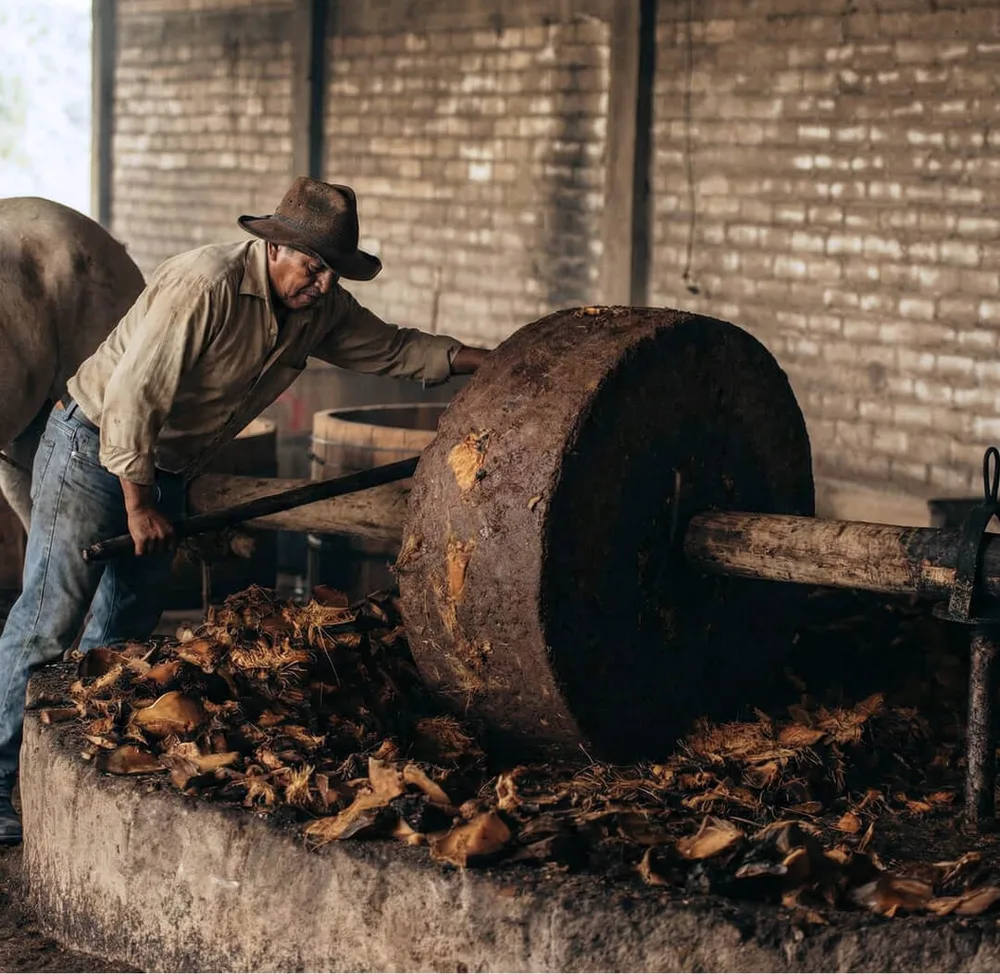
Mauti: I was the first one to raise my hand when the opportunity came to go to Jalisco and learn the process firsthand. If we were going to put our names behind tequila, I wanted to understand where it came from, who was making it, and how it was made. I also had a very specific flavor profile in mind. I kept saying I wanted Whiteout to taste like a crisp fall Saturday morning in Happy Valley — bright, clean, energetic, not smoky or heavy. The first recipe from Casa Armero hit that profile. I tasted more than 30 recipes after it, but I kept coming back to the first one.
BoozeMakers: Additive-free is having a moment, and a lot of brands claim it loosely. What does additive-free actually mean at Whiteout — and how would you prove it to a skeptic?
Mauti: For us, additive-free isn't supposed to be a vague wellness term or shorthand for saying ‘better.’ It's a production standard. We want the character of the tequila to come from the agave and the way it is produced rather than trying to engineer the drinking experience afterward. And if someone is skeptical, they should ask questions.
The answer shouldn't be, ‘Trust the former football players.’ It should be transparency — who makes it, where it's made, the NOM, the production process, and the information behind the product.
(For the record: additive-free is the single most important thing to understand about tequila, and Whiteout's refusal to turn it into a wellness slogan is exactly right — we break down the 1% additive rule in our guide to additive-free tequila, and the vocabulary in our tequila glossary.)
BoozeMakers: We scored the Blanco a 92, and the thing that stood out was how clean the next morning felt. Is that ‘smooth ride’ something you chased in production, or a happy byproduct of going additive-free?
Mauti: First, we're obviously proud of the 92. For us, that's much more meaningful than making a claim about how somebody is going to feel the next morning. We wouldn't tell someone that Whiteout prevents a hangover or that additive-free tequila guarantees a better morning. Alcohol is still alcohol, and how somebody feels depends on a lot more than the bottle. What we did chase was a clean-tasting, well-made Blanco with brightness, real agave character, and a smooth finish — something you could enjoy without needing to bury it in sugar or mixers. If somebody tells us they loved the tequila and loved the experience afterward, we'll happily take the compliment. We're just not going to turn that into a wellness claim.
Depth Before Breadth
BoozeMakers: You launched blanco-only — no reposado, no añejo. Philosophy call or business call?
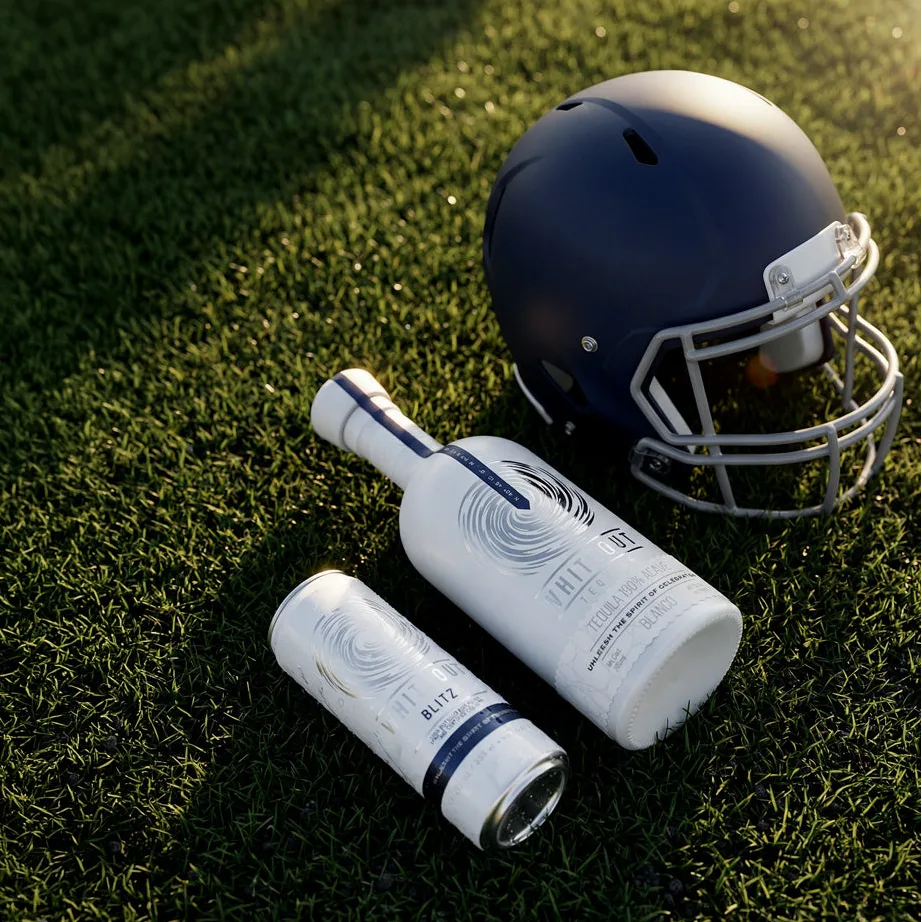
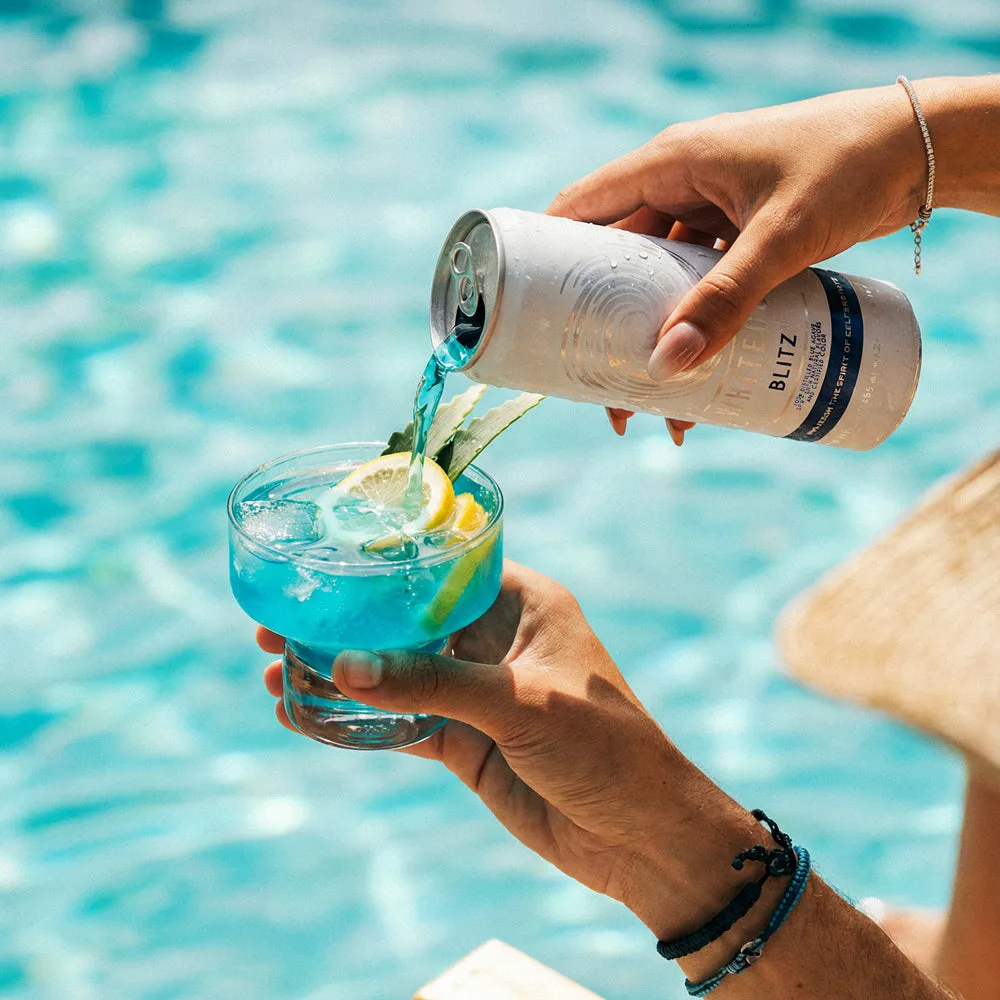
Mauti: It was both, but mostly a sequencing decision. We always intended Whiteout to become a broader tequila portfolio. The plan is to extend into Reposado in 2027 and Añejo in 2028. But after Blanco, we felt we couldn't ignore what was happening in RTDs. We didn't see a clear category leader in tequila-based RTDs, and from a Pennsylvania go-to-market standpoint, that opportunity made a lot of sense. We looked closely at what brands like Stateside and Surfside had done in this market and took a page from that playbook. That became Whiteout Blitz. Blanco established the credibility of the liquid. Blitz lets us participate in a completely different set of occasions — stadiums, tailgates, concerts, coolers, and large social gatherings.
We believe in building depth before breadth: establish real consumer demand in the market where we have the strongest right to win, prove repeat purchase, and then expand from strength.
BoozeMakers: You're on Pennsylvania's state shelves — a brutal system to crack. How did two football guys get there, and what market are you gunning for next?
Mauti: For me, the difficulty of Pennsylvania was actually part of the opportunity. The PLCB creates a significant barrier for any emerging brand. My thesis was that if we could successfully establish Whiteout inside that system, the barrier could eventually work in our favor. Partnering with Southern Glazer's in Pennsylvania was a major step, because you need serious distribution capability to turn consumer interest into actual availability. And now the Penn State Athletics relationship gives us something especially valuable: a repeatable environment for people to experience the brand, particularly through Blitz, and then find it again in market. We're proud of getting onto the shelf, but I don't think getting listed is the victory.
The victory is getting reordered.
Mauti: Our view is that Pennsylvania should be a market we win deeply before we try to be everywhere. If we can become a meaningful tequila and RTD brand in our core cultural territory, expansion becomes much more disciplined because we're expanding a proven model instead of exporting a hypothesis.
BoozeMakers: The mistake you'd warn any other athlete-turned-founder about?
Mauti: Confusing access with having a business. Your name might get you a meeting. It might get a buyer to taste the product. It might even help you raise the first check. None of that makes a consumer buy twice. If you're not willing to learn the unglamorous parts — margins, inventory, distribution, compliance, account follow-up, working capital — eventually the business exposes you.
The jersey can open a door. It can't build the company for you.
BoozeMakers: What's the question no one asks about this brand that you wish they would?
Mauti: I wish more people would ask: ‘What does winning actually look like for Whiteout?’ For us, winning isn't being in the most states or having the biggest headline valuation. It starts with becoming a dominant tequila and RTD brand in the market where we have the deepest cultural right to win — proving repeat purchase, building real retail and on-premise velocity, and showing that the economics work without depending forever on founder visibility. Then you expand from strength. If we execute that well, eventually you create something strategically valuable — a brand with consumer loyalty, distribution, intellectual property, and a repeatable growth engine.
We don't control who may want to buy the business someday. We do control whether we build something worth owning.
The Whiteout Moment
BoozeMakers: The exact moment Whiteout was made for — paint it for us.
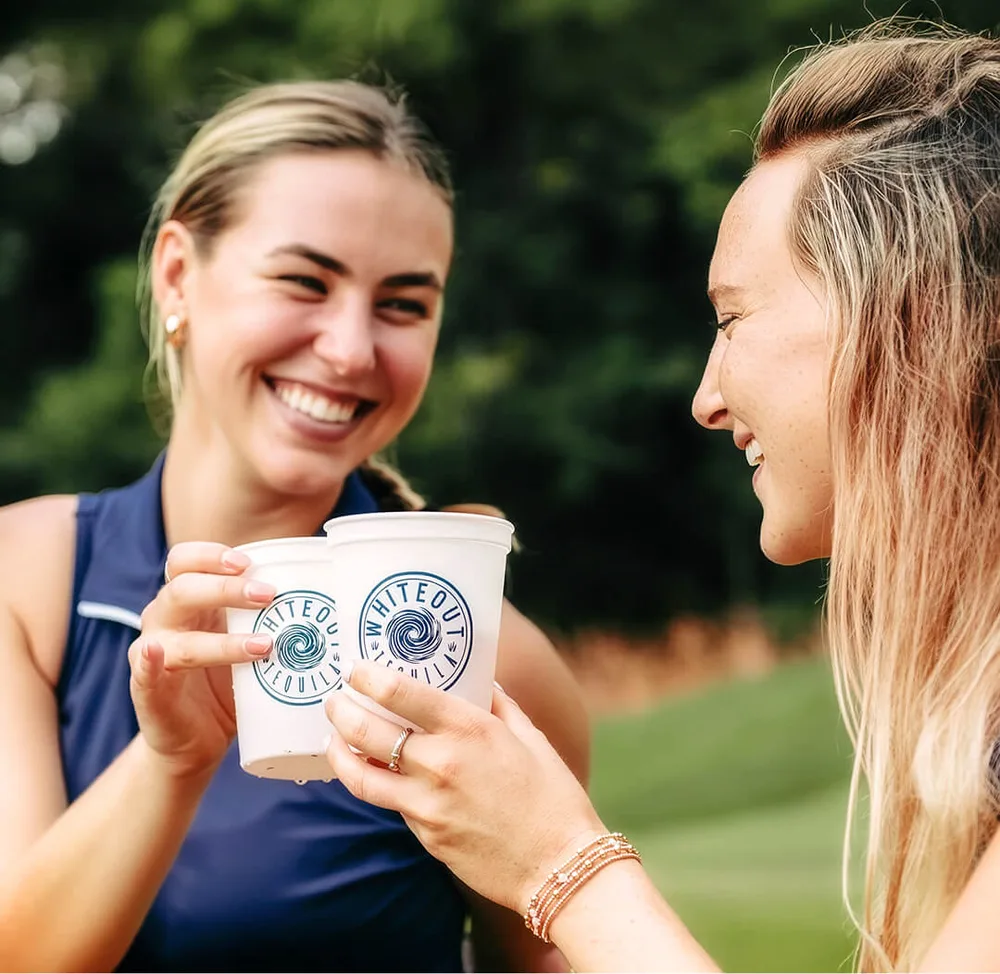
Mauti: It's that point at a tailgate when the people who arrived in six different cars have turned into one group. Somebody's cooking. Music's on. A friend you haven't seen in a year just walked up. Nobody is staring at their phone because something better is happening right in front of them. That's the Whiteout moment. The stadium was our original version of it, but it could happen in a backyard, at a wedding, in a bar, or around a table with ten people who haven't all been together in years.
It's the moment the gathering becomes bigger than the drink.
BoozeMakers: It's a Saturday in the fall, Penn State's playing — how are you actually drinking Whiteout that day?
Mauti: Blitz cold out of the cooler during the day. And if we're sitting down later, Blanco neat. That's really part of what we're trying to build with the portfolio — different Whiteout products for different moments without asking one product to be everything.
Rapid fire
Neat or rocks? Neat.
Lime — yes, or blasphemy? No lime. Blood orange, yes.
Here's what stayed with us: at every turn where an athlete brand would normally reach for the easy story — the nostalgia, the hangover claim, the ‘we're the smartest guys in the room’ posture — Mauti and Hackenberg reached for the harder, truer one. The result is a tequila that earns its 92 on the liquid, and founders who seem genuinely more interested in whether you reorder it than whether you recognize them.
Read our full Whiteout Blanco review (92/100), explore more tequila reviews and guides, and find Whiteout at whiteouttequila.com.